Cozy Living Room DIY Ideas on a Budget: Complete Guide to Transform Your Space
Here's what I know after years of designing beautiful living spaces: you absolutely don't need a fortune or a fancy designer to create a genuinely cozy living room. The warmest, most inviting spaces I've encountered? They're usually born from creative DIY projects and smart budget decisions—not luxury price tags. Whether you're decorating an apartment or sprucing up a home you own, turning your living room into a personal sanctuary is completely within reach. All it takes is the right strategy and willingness to get your hands a little dirty.
Modern homeowners have figured out something crucial—true coziness comes from intentional design choices, thoughtful lighting, layered textures, and those personal touches that make a space feel like *yours*. Not from expensive furniture. Not from high-end decor. By combining smart DIY techniques with strategic shopping, you can create a living room that feels absolutely luxurious while spending a fraction of what you'd expect. I've put together this comprehensive guide to walk you through practical, budget-friendly projects that'll genuinely transform your living room's warmth and appeal.
Why a Cozy Living Room Matters
Your living room is really the heart of your home—it's where everyone gathers, where friends feel welcome, where you finally collapse after a long day. A genuinely cozy living room does more than look good; it encourages relaxation, strengthens connections, and gives you a real psychological escape from the chaos outside. Research consistently shows that well-designed, comfortable spaces significantly boost mental health and overall quality of life. And here's the best part? You don't need unlimited resources to achieve this transformational effect.
What You'll Need: Complete Materials List with Pricing
Before you jump into your DIY projects, let's gather everything you'll actually need. I've sourced these prices from major retailers like The The Home Depot—they're approximate, but they'll give you a solid budget framework:
- Warm White LED String Lights - $12-18 (50-100 feet)
- Paintable Fabric Wall Hanging Tapestry - $15-25
- Throw Blankets (2-3) - $8-15 each
- Decorative Throw Pillows (4-6) - $10-18 each
- Interior Paint (neutral colors) - $25-35 per gallon
- Wooden Floating Shelves (set of 3) - $30-50
- Wall Anchors and Screws Assortment - $8-12
- Caulk and Caulking Gun - $5-8
- Paintbrushes and Rollers Set - $12-18
- Drop Cloth (canvas) - $10-15
- Floor Lamp with Warm Bulb - $25-40
- Plant Pots (ceramic, various sizes) - $5-12 each
- Indoor Plants (pothos, snake plant, ferns) - $8-20 each
- Area Rug (5x7 or 6x9) - $40-80
- Fabric Stain and Odor Remover - $6-10
- Wood Stain or Furniture Polish - $8-15
- Decorative Baskets (woven, various sizes) - $12-25 each
- Picture Frames and Artwork Prints - $5-15 each
- Dimmable Smart Bulbs - $10-15 each
- Weather Stripping (if adding draft control) - $8-12
Step-by-Step Instructions: Creating Your Cozy Living Room
Phase 1: Wall Transformation (Days 1-2)
Step 1: Prepare Your Space
Clear the room or push furniture to the center and cover it with plastic sheeting. Lay down your canvas drop cloth to protect the flooring. I can't stress this enough—proper prep prevents those accidental paint splashes and makes the entire painting process dramatically faster and cleaner. You'll thank yourself later.
Step 2: Select and Prime Your Color
This is where the magic starts. Choose warm, neutral tones—think warm greige, soft taupe, creamy ivory, or warm beige. These colors inherently create coziness by reflecting warm light and triggering psychological warmth. You'll find quality interior paint at The Home Depot for $25-35 per gallon. Grab a primer-in-one paint to save yourself some money and time. Always—and I mean always—purchase about 10% extra for future touch-ups. You'll be grateful you did.
Step 3: Paint Application
Use a quality paint roller for that smooth, even coverage. Apply two coats, giving proper drying time between applications (typically 2-4 hours). Cut in those edges carefully with a paintbrush for professional-looking results that'll make you genuinely proud. Pro tip from my own experience: paint when your room is well-ventilated and at room temperature for the best drying and finish quality.
Step 4: Add an Accent Wall or Texture
Consider painting one accent wall in a slightly deeper warm tone—it adds visual interest without overwhelming the space. Or go with removable wallpaper or a large tapestry as your accent feature. Quality tapestries start around $15-25 at major retailers, and they're an absolute game-changer for renters.
Phase 2: Lighting Enhancement (Day 2)
Step 5: Install Warm White String Lights
This is genuinely one of my favorite tricks—string lights increase coziness dramatically by creating that ambient glow everyone craves. Plan your layout before hanging anything. For a typical 12x15 living room, you'll need 50-100 feet of lights ($12-18). Install them along the wall perimeter at about 8 feet high, creating gentle swags or parallel lines. Use adhesive hooks or small nails if you're renting—avoid anything permanent.
Step 6: Add Layered Lighting
Combine your string lights with a table lamp and floor lamp to create real depth. Each light source should ideally be on a separate switch—or use The Home Depot's dimmable smart bulbs ($10-15 each) for ultimate control. Three distinct layers of lighting—ambient, task, and accent—create the most genuinely inviting atmosphere you can achieve.
Step 7: Install Floating Shelves
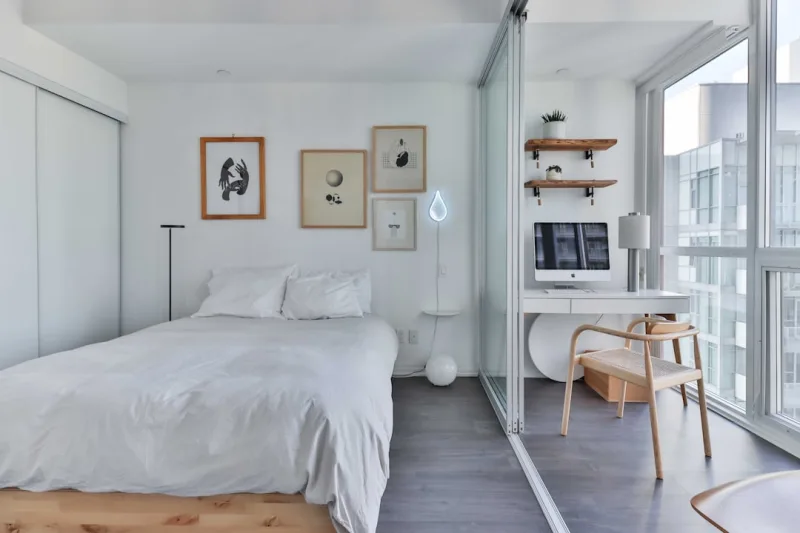
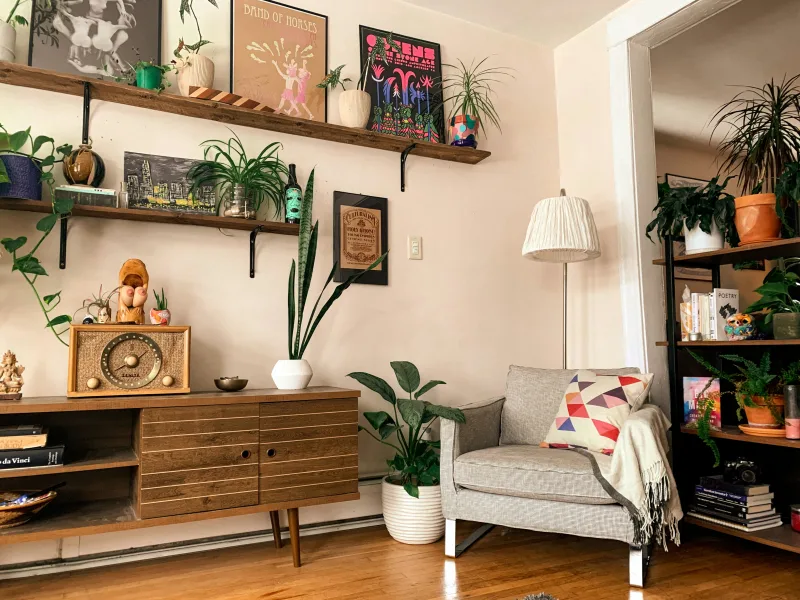
Floating shelves are genuinely functional and beautiful. Mount three shelves at varying heights (about 18 inches apart) using sturdy wall anchors and studs when possible. Budget around $30-50 for a quality set. These shelves serve double duty—practical storage and visual interest wrapped into one.
Phase 3: Soft Furnishings and Texture (Day 3)
Step 8: Layer Your Textiles
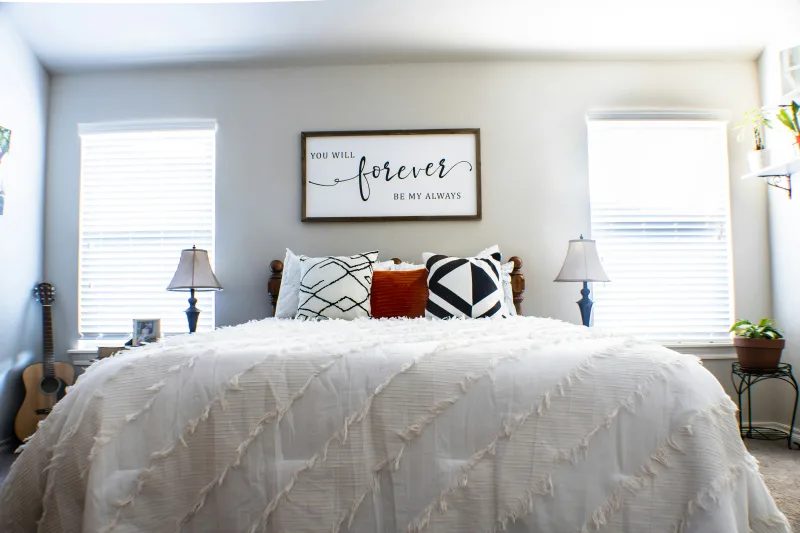
Purchase 2-3 throw blankets in varying textures—chunky knit, faux fur, soft cotton—at $8-15 each. Drape them over furniture to create visual warmth and invite that physical comfort everyone needs. Add 4-6 throw pillows in complementary colors and textures ($10-18 each) to soften hard furniture edges and add those pops of warmth that make a space feel lived-in and loved.
Step 9: Add an Area Rug
 Budget Apartment Renovation: DIY Hacks That Actually Work
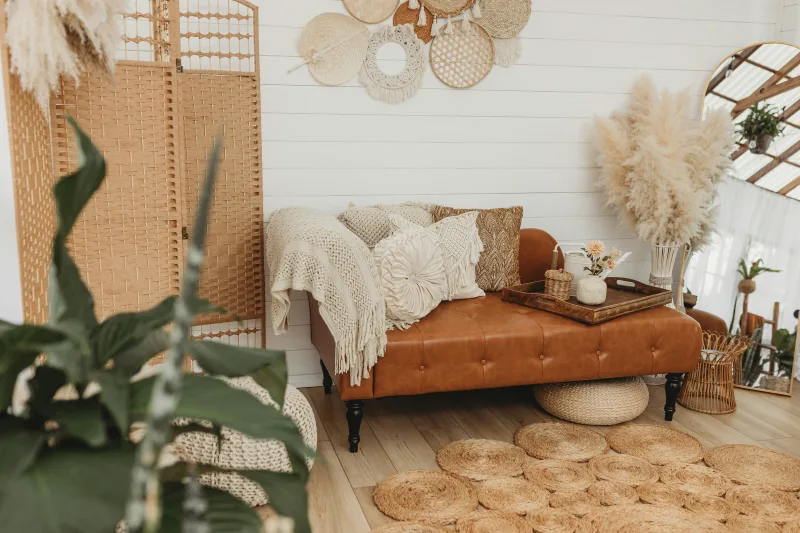
A quality area rug (5x7 or 6x9 feet) anchors your entire space and adds warmth literally underfoot. Budget $40-80 for something durable and attractive. Natural fiber rugs like jute or wool create texture while staying budget-friendly. Bonus: an area rug absorbs sound, making the space feel even cozier and more intimate.
Step 10: Incorporate Greenery
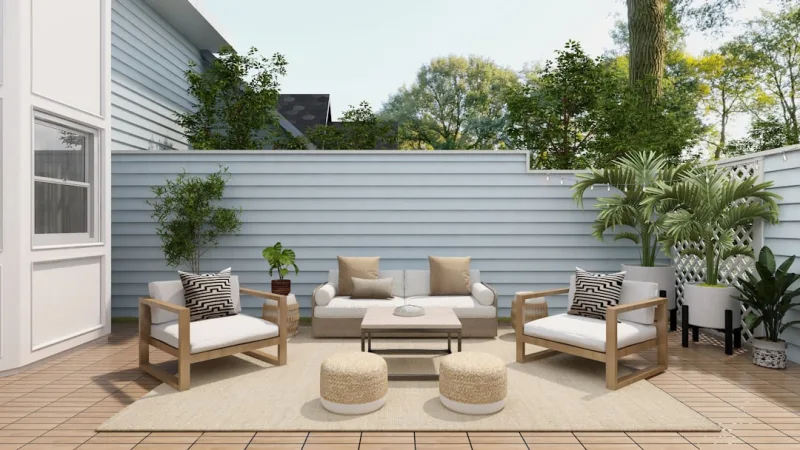
Add 3-5 indoor plants—pothos, snake plants, or ferns work wonderfully ($8-20 each). Plants don't just improve air quality; they add life and genuine visual interest to your space. Display them on floating shelves, tuck them into corners, or set them on side tables using attractive ceramic pots ($5-12 each). Greenery psychologically promotes relaxation—it's science, and it works.
Phase 4: Personal Touches (Day 4)
Step 11: Arrange Decorative Elements
Display framed artwork, family photos, or inspirational prints on your floating shelves and walls. Mix frame sizes and styles for visual interest—this matters more than you'd think. Budget $5-15 per frame. Always arrange in odd numbers (3, 5, or 7 items) for groupings that feel naturally balanced and aesthetically pleasing.
Step 12: Organize with Baskets
Woven baskets ($12-25 each) are my secret weapon—they hide clutter while adding visual warmth. Place them beside furniture for blanket storage or use them to organize magazines, remotes, and other necessities. Well-organized spaces feel inherently cozier because your brain isn't constantly processing visual chaos.
Step 13: Final Styling and Arrangement
Position your furniture to encourage conversation and genuine comfort. Angle seating toward a central focal point. Keep walkways clear. Layer your textiles thoughtfully, add those final decorative touches, and step back to assess the overall ambiance. Adjust your lighting as needed to achieve that perfect coziness level you're after.
Pro Tips & Expert Advice from Design Professionals
Tip 1: Master the Color Temperature
Here's something that changed my approach to design: warm white (2700K) light bulbs create genuine coziness, while cool white light feels clinical and uninviting. Replace every existing bulb—in your lamps, string lights, everywhere—with warm white options. This single change dramatically impacts how warm and comfortable your space feels. According to HGTV.com" target="_blank" rel="noopener">HGTV, lighting is genuinely one of the most crucial elements in creating a cozy atmosphere.
Tip 2: Use the 60-30-10 Color Rule
This principle has saved me countless times. Choose a primary warm color for 60% of the room (your walls), a secondary color for 30% (larger furniture pieces), and an accent color for 10% (pillows, art, accessories). This balanced approach creates visual harmony while maintaining that warmth and coziness throughout your entire space.
Tip 3: Maximize Texture for Tactile Comfort
Cozy spaces engage multiple senses—not just sight. Layer different textures together—rough jute, soft faux fur, smooth ceramics, nubby wool. This variety actually invites people to touch and interact with your space, increasing the perceived comfort level. Textural variety is honestly what transforms a room from simply decorated to genuinely inviting.
Tip 4: Create Zones Within Your Living Room
Divide your living room into distinct zones—a reading nook with a lamp and comfortable chair, a conversation area centered around seating, a relaxation corner with blankets and pillows. Each zone feels more intimate and intentional, which contributes significantly to overall coziness. It's like creating mini-sanctuaries within your sanctuary.
Tip 5: Invest in Quality Basics, Budget on Accessories
This is my philosophy for smart decorating: spend more on foundational pieces like a good sofa or quality area rug that you'll use daily. Save money on accessories like throw pillows and decor items that are easier and less expensive to replace seasonally. This approach maximizes your budget while ensuring genuine comfort.
Tip 6: Use Scent Strategically
Add unscented or subtly scented candles, diffusers, or fresh flowers to engage the olfactory sense. Scent significantly impacts perception of comfort and coziness in ways many people overlook. According to Better Homes & Gardens & Gardens, incorporating multiple sensory elements creates the most effectively cozy spaces. Warm vanilla, cinnamon, or cedar
📷 Photo by Kate Darmody on Unsplash