79 Popular Home Decor Styles in 2026: Complete Guide to Finding Your Perfect Style
Your home is so much more than just a place to sleep—it's your sanctuary, your creative canvas, and the backdrop to your everyday life. Whether you're scrolling through Pinterest at midnight or dreaming about your next refresh, choosing the right home decor style can feel overwhelming. I get it. There are so many directions to go, so many aesthetics calling to you, and it's hard to know where to even start. But here's the beautiful truth: finding your perfect style isn't about following rigid rules or copying what everyone else is doing. It's about understanding what makes you feel calm, what brings you joy, and what reflects who you truly are. In 2026, the home decor world is more inclusive and flexible than ever before, giving you the freedom to mix and match, blend styles, and create a home that's authentically yours. This guide will walk you through the most popular home decor styles, help you figure out which one resonates with you, and give you practical steps to bring your dream home to life without breaking the bank.


Understanding Different Types of Home Decor Styles
When we talk about home decor styles, we're really talking about the overall aesthetic, mood, and personality you want your space to express. Think of it like your personal style in fashion—some people love minimalist wardrobes while others thrive in maximalist chaos, and both are perfectly valid. Your home decor style is the same way. It's a reflection of your values, your lifestyle, and the environment where you feel most at peace.
Understanding different home decor styles matters because it helps you make intentional decorating choices rather than random purchases. When you know your style, you can shop smarter, invest in pieces that actually work together, and create a cohesive space that feels intentional rather than scattered. Without a clear style direction, your home can end up looking like a mishmash of different eras and aesthetics—which might work if that's intentional, but usually leaves people feeling unsatisfied and confused about what to buy next.
One of the biggest mistakes people make is trying to force themselves into a style that looks good on Instagram but doesn't match their actual lifestyle. You might love the pristine, minimalist aesthetic of those ultra-modern homes, but if you have kids, pets, and hobbies that create clutter, you're setting yourself up for constant frustration. Another common mistake is mixing too many styles without any connecting thread, which creates visual chaos rather than eclectic charm. The key is choosing styles that work with your life, not against it.
The good news? In 2026, there's a beautiful trend toward personalization and flexibility. Designers and decorators are encouraging people to blend styles in ways that feel authentic. You might combine farmhouse warmth with modern minimalism, or add bohemian touches to a contemporary space. The rigid rules of the past are giving way to a more forgiving, inclusive approach where your home truly reflects YOU.
Planning Guide
Before you start shopping or moving furniture around, take time to really plan your approach. This doesn't have to be complicated—just thoughtful. Start by spending a week noticing what you're drawn to. Save images on Pinterest, take screenshots of rooms that make you feel something, and pay attention to the common threads. Are they all warm and cozy? Sleek and minimal? Colorful and artistic? Your natural preferences will start to emerge.
Think about your lifestyle next. Do you entertain frequently? Work from home? Have kids or pets? These practical realities should influence your style choices. A pristine white sofa might be stunning, but it's impractical if you have a chocolate-loving golden retriever. Similarly, a completely open-concept industrial loft might look cool, but if you need defined spaces for focus and calm, it won't serve your life well.
Consider your space limitations too. Small apartments require different approaches than large homes. A style that works beautifully in a sprawling farmhouse might feel overwhelming in a cozy cottage. Be honest about your space and choose a style that will make it feel bigger, warmer, or more organized rather than cramped.
Finally, think about your budget and timeline. Some styles require significant investment (like luxury minimalism with high-end pieces), while others are budget-friendly and can be refreshed over time (like bohemian or eclectic styles). Set realistic expectations so you don't get discouraged.
Home Decor Planning Checklist:
- Define Your Style: Spend time on Pinterest and Instagram identifying 2-3 styles that resonate with you
- Assess Your Lifestyle: Be honest about daily habits, family size, pets, and how you actually use your space
- Measure Your Space: Get accurate measurements of rooms and note ceiling height, natural light, and architectural features
- Identify Your Color Palette: Choose 2-3 main colors and 2-3 accent colors that you'll use throughout your home
- Set Your Budget: Determine how much you can spend total and per room, including both big purchases and accessories
- Create a Vision Board: Gather all your inspiration images in one place (physical or digital) for reference
- Plan Your Priorities: List which rooms matter most to you and tackle them first
- Shop Your Home First: Before buying anything new, identify pieces you already own that fit your new style

Budget Breakdown
← Scroll to see full table →
| Under $50 | $50-$200 | $200+ |
|---|---|---|
| Accent Pillows Perfect for adding color and texture. Mix and match patterns and textures without major investment. | Throw Blankets Quality blankets from IKEA or Amazon that add warmth and layering. Toss them over sofas or chairs. | Statement Sofa A quality sofa is the anchor piece. Invest in durability and comfort. The Home Depot and furniture specialists offer options. |
| Wall Art Prints Affordable artwork to establish your style. Frame them or hang unframed for a relaxed feel. | Area Rugs Define spaces and add color. IKEA offers budget-friendly options that work across multiple styles. | Lighting Fixtures Quality lighting transforms spaces. Invest in statement pieces or multiple fixtures for layered lighting. |
| Candles & Diffusers Create ambiance and appeal to multiple senses. Great for cozy and bohemian styles. | Window Treatments Curtains and shades significantly impact room feel. Better Homes & Gardens and Gardens has affordable, stylish options. | Coffee or Dining Table A quality table anchors your space. Choose one that works with your style for years to come. |
| Decorative Objects Books, vases, small sculptures. Amazon and Home Depot have endless affordable options. | Storage Solutions Functional pieces like shelving or bookcases. Essential for minimalist and modern styles. | Bedroom or Bathroom Vanity Significant pieces that require careful selection and quality investment for longevity. |
Step-by-Step Guide to Discovering and Implementing Your Home Decor Style
Step 1: Research and Gather Inspiration
Start by immersing yourself in inspiration. Spend time on Pinterest searching different home decor styles. Save images that speak to you without overthinking it—if a room makes you feel something, save it. Don't worry about whether it "matches" with other images you've saved. After a week or two, look back at all your saved images and identify patterns. Are most of them warm and cozy? Modern and sleek? Eclectic and colorful? These patterns will reveal your authentic preferences, not just what you think you "should" like.
Step 2: Identify Your Core Style (or Styles)
From your research, pick out one to three core styles that resonate with you. You don't have to pick just one—many people find that blending two or three complementary styles creates the most authentic results. For example, you might combine farmhouse warmth with modern minimalism, or add bohemian accents to a contemporary space. Write down your chosen styles and describe in your own words what appeals to you about each one.
Step 3: Determine Your Color Palette
Choose two or three main colors and two or three accent colors that you'll use throughout your home. Your main colors form the foundation (usually in larger pieces like sofas, walls, and rugs), while accent colors add personality through smaller items like pillows, artwork, and accessories. Look at your style inspiration and see what colors appear most frequently. Choose colors that make you happy and that work with your skin tone and the natural light in your space.
Step 4: Assess Your Current Space and Inventory
Walk through your home and identify furniture and decor you already own that fits your new style vision. You might be surprised at how many pieces you can keep! Make a list of what's staying and what's not working with your new direction. This prevents unnecessary purchases and respects the items you already invested in.
Step 5: Create a Shopping Strategy
Prioritize which rooms matter most to you. You don't have to overhaul your entire home at once (and honestly, most people can't). Start with the space where you spend the most time or the room that impacts your mood the most. Make a list of furniture and decor you need, organized by priority and budget tier. Plan to shop at stores that align with your style and budget—IKEA for affordable modern pieces, Home Depot for industrial elements, Amazon for accessories, and Better Homes and Gardens for versatile, budget-friendly items.
Step 6: Start with Anchor Pieces
Invest in larger pieces first—your sofa, bed, dining table, or major furniture. These anchor pieces set the tone for your space and are harder to swap out later. Choose them carefully based on both style and quality. A good sofa can last 10-15 years, so it's worth getting right. Cheaper furniture might look good initially but falls apart faster and ends up costing more in the long run.
Step 7: Layer in Smaller Pieces and Accessories
Once your anchor pieces are in place, add smaller items—pillows, throw blankets, artwork, rugs, lighting, and decorative objects. These pieces are easier to swap out if you change your mind, so they're a great place to experiment and add personality. This is where you can be playful and let your unique style shine through. Don't underestimate the power of accessories—they make a space feel finished and intentional.
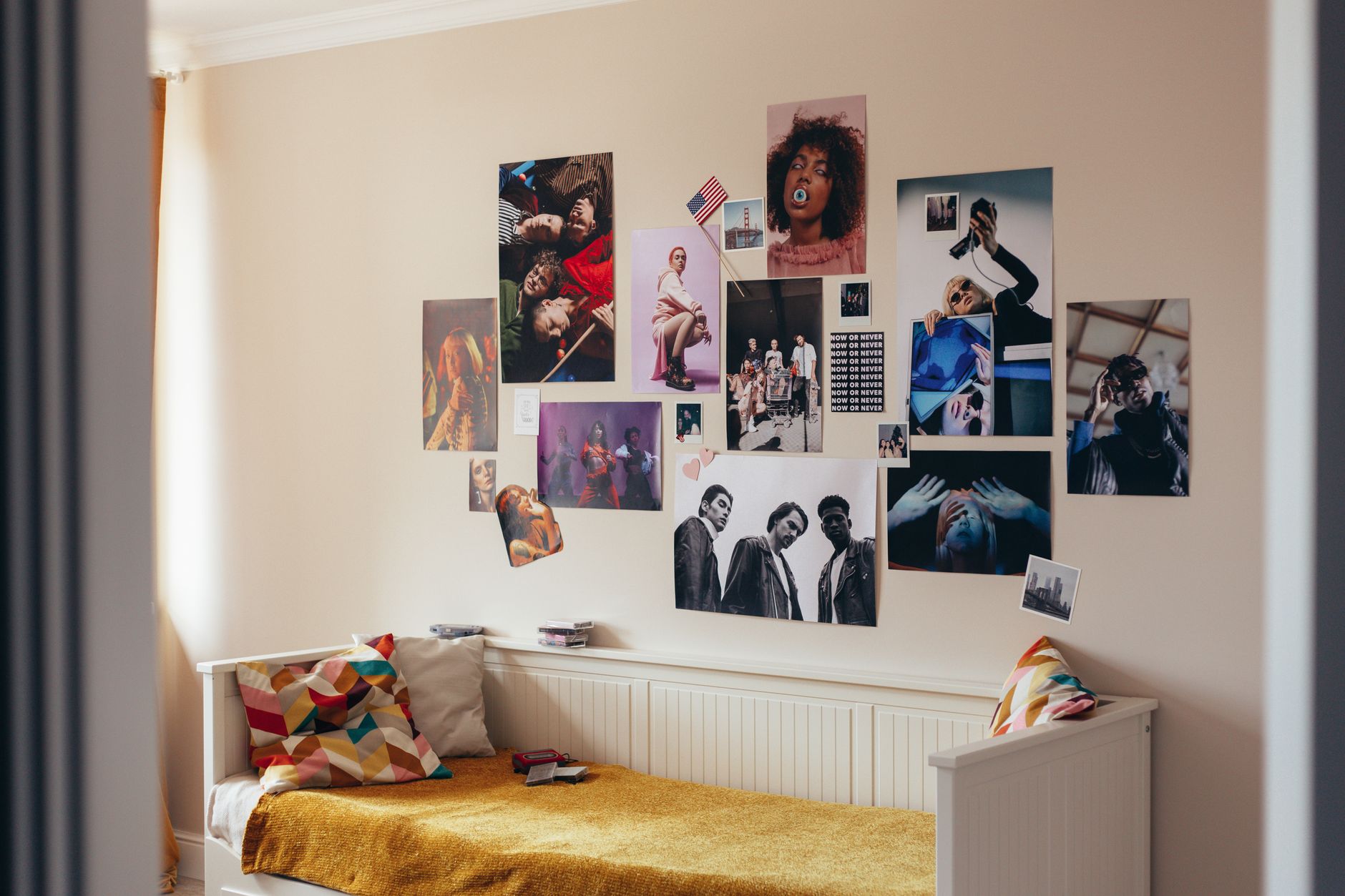
Best Styles and Products for 2026
1. Scandinavian Modern
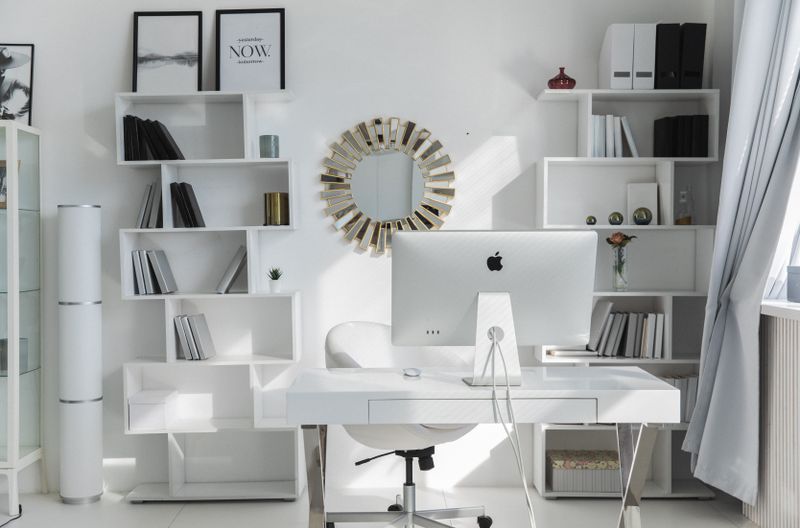
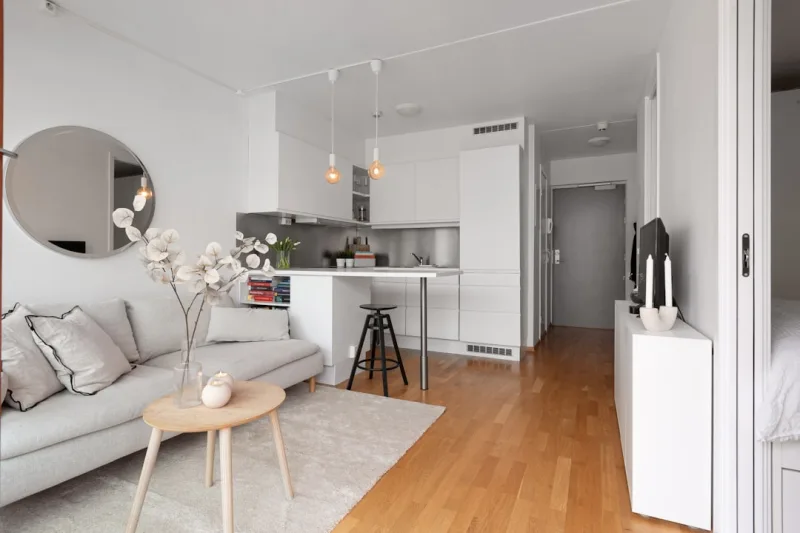
Scandinavian style continues to dominate in 2026 because it's functional, beautiful, and calming. Think clean lines, neutral color palettes with pops of color, natural materials like wood and linen, and an emphasis on light. This style is perfect if you love a sense of calm and order but don't want everything to feel cold or sterile. The beauty of Scandinavian design is that it works in any size space and adapts to different climates beautifully. It's practical for real life while still being gorgeous.
Must-Have Products:
- IKEA Billy Bookcase (various sizes) – $50-$200 – Classic storage that works in virtually any space
- Amazon Pendant Light Fixtures – $45-$150 – Creates layered, functional lighting
- IKEA Textiles (throws and pillows) – $15-$80 – Quality fabrics in neutral tones and subtle patterns
- Home Depot Light Wood Dining Table – $300-$800 – Natural material that's central to Scandi style
- Better Homes and Gardens Geometric Wall Art – $20-$60 – Adds visual interest without clutter
2. Warm Farmhouse
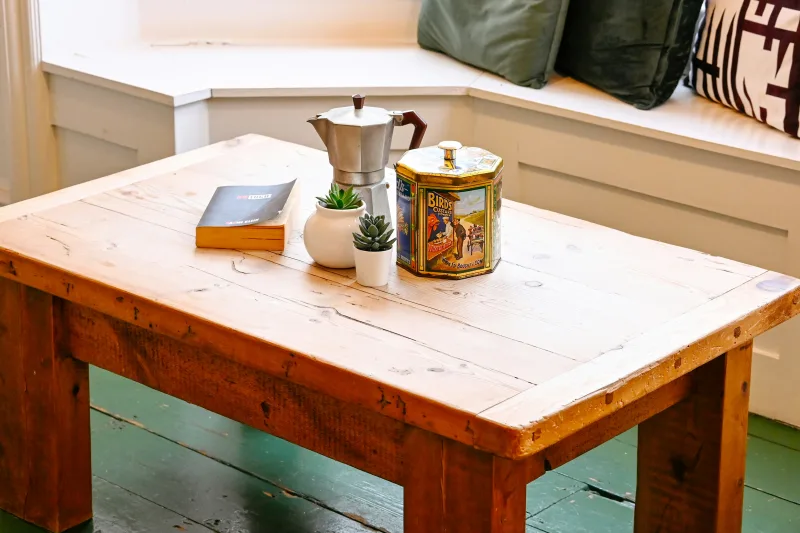
Farmhouse style has evolved beyond the trendy "shiplap everything" phase into something more genuine and livable. Modern farmhouse in 2026 is about warmth, vintage finds, natural textures, and a sense of history. It embraces worn wood, neutral palettes with warm undertones, and a collected-over-time feeling rather than matchy-matchy perfection. This style is ideal if you love a cozy, welcoming home that feels established and lived-in. It works beautifully in both rural and urban settings.
Must-Have Products:
- Home Depot Reclaimed-Look Wood Shelving – $80-$250 – Adds character and vintage appeal
- IKEA Linen Curtains in Natural Tones – $30-$100 – Soft, diffused light and farmhouse charm
- Amazon Vintage-Style Metal Accessories – $15-$75 – Lanterns, baskets, and decorative pieces
- Better Homes and Gardens Area Rug in Cream/Beige – $150-$500 – Anchors the space with warmth
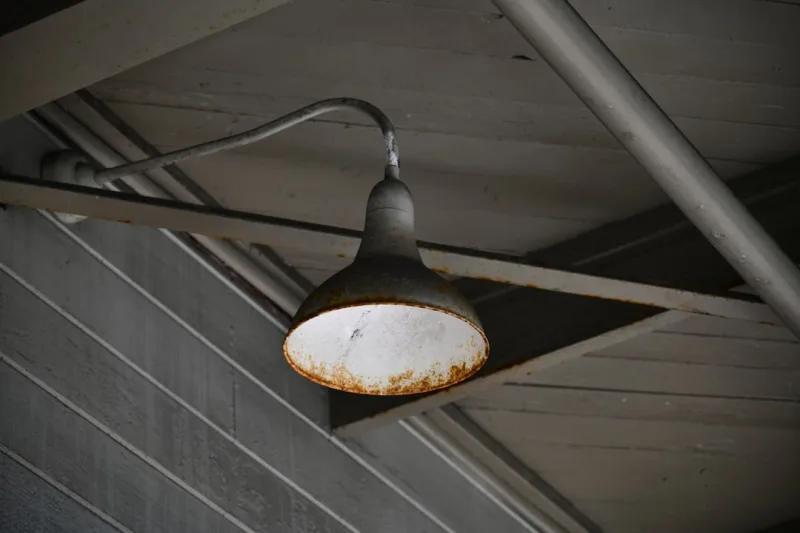
- Vintage-Look Lighting from Home Depot – $60-$200 – Barn lights or Edison bulb fixtures
3. Bohemian Eclectic
Bohemian style is all about expressing your individuality, mixing patterns and colors, and creating a space that feels like a journey through cultures and experiences. In 2026, bohemian style has become more intentional and less chaotic—it's about curated eclecticism rather than random clutter. This style celebrates handmade items, vintage finds, global influences, and rich textures. It's perfect if you're creative, adventurous, and want a home that tells the story of who you are and where you've been.
Must-Have Products:
- Amazon Patterned Pillow Collection – $20-$100 – Mix of geometric, floral, and tribal patterns
- IKEA Rattan and Woven Storage – $25-$150 – Natural texture that grounds bohemian style
- Better
07of 16779 Home Decor Styles: The Complete A-to-Z Guide
Below is the most comprehensive guide to home decor styles you'll find anywhere — 79 distinct looks, grouped so you can explore by mood and era. Browse the categories, find the aesthetics that speak to you, and start building a home that feels unmistakably yours.
08of 16Classic & Traditional
1. Traditional
Traditional design celebrates the enduring elegance of European aesthetics, rooted in symmetry, craftsmanship, and a reverence for quality materials. Rich, dark woods like mahogany and walnut form the foundation of furniture pieces that favor curved lines and ornamental details. Upholstered seating in luxurious fabrics anchors lived-in rooms, while architectural elements such as crown molding, paneling, and fireplaces define the spaces. The overall mood is refined yet welcoming—a design language that whispers of timeless sophistication rather than shouting trends.
The traditional palette draws from nature's deeper tones: deep burgundy, forest green, navy, and warm golds complement wood undertones beautifully. To achieve this polished look affordably, invest in one quality vintage or reproduction piece as a statement anchor, then build around it with thrifted finds that share similar proportions and details. Layering textiles—Persian-inspired rugs, damask throw pillows, and linen draperies—creates richness without requiring a complete furniture overhaul, instantly elevating even modest rooms with traditional character.
2. Transitional
Transitional design is the art of balance—a thoughtful marriage between the timeless elegance of traditional interiors and the clean-lined simplicity of contemporary style. This approach embraces classic furniture silhouettes softened by modern minimalism, creating spaces that feel neither dated nor coldly austere. Key characteristics include neutral tones, quality wood furnishings with understated details, and carefully curated accessories that tell a personal story. The mood is inherently sophisticated yet approachable, prioritizing comfort without sacrificing style. Transitional spaces favor natural materials like linen, leather, and solid wood, while artwork and mirrors add visual interest without overwhelming the senses.
The transitional palette typically revolves around warm neutrals—creams, grays, warm whites, and soft taupe—punctuated by occasional accent colors in muted blues or greens. To achieve this look affordably, start by investing in one quality neutral sofa that will anchor the room for years to come; its longevity trumps trendiness. Layer in affordable accessories like throw pillows and artwork from budget retailers, then refresh seasonally without committing to permanent changes. Finally, mixing vintage finds from thrift stores with new pieces creates authentic character while keeping costs manageable.
3. Neoclassical
Neoclassical design channels the refined elegance of ancient Greece and Rome through symmetrical proportions, classical columns, and architectural details that feel both timeless and sophisticated. This style embraces clean lines, high ceilings, and ornamental moldings that create an air of dignified grandeur without veering into excess. Materials favoring marble, brass, and polished wood contribute to its luxe sensibility, while the overall mood remains measured, balanced, and intellectually refined—perfect for those drawn to historical elegance with contemporary restraint.
The traditional palette revolves around creams, soft grays, warm whites, and muted golds accented by deep jewel tones like emerald or sapphire. To introduce neoclassical elements affordably, consider crown molding and simple architectural trim to frame doorways and walls, which instantly elevates any space. Hunting for vintage brass hardware, gilt-framed mirrors, and classical busts at thrift stores delivers authentic character, while pairing these found treasures with affordable upholstered furniture in neutral fabrics completes the look without breaking the budget.
4. Victorian
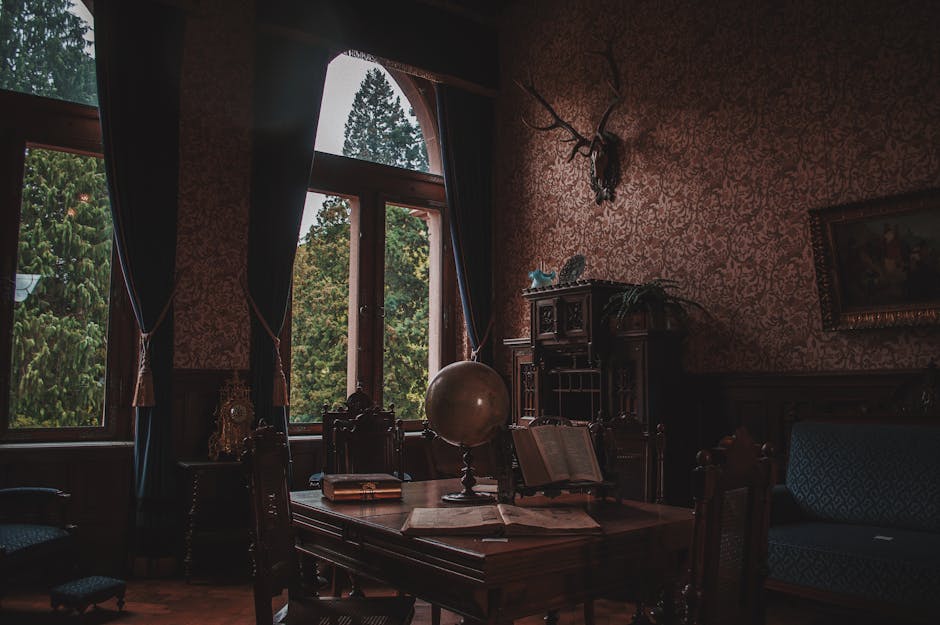
Victorian design celebrates romance and opulence through ornate details, deep jewel tones, and heavily patterned textiles. This 19th-century-inspired style embraces dark woods, velvet upholstery, and elaborate furnishings that evoke a sense of grandeur and historical elegance. Ornamental mirrors, vintage-inspired wallpapers, and layered fabrics create dramatic interiors filled with character, while intricate woodwork and carved details add architectural interest. The mood is decidedly formal yet inviting, encouraging spaces that feel both sophisticated and warmly nostalgic.
A classic Victorian palette features deep burgundy, forest green, jewel-toned blues, and rich blacks paired with gold or brass accents. Budget-conscious decorators can achieve this look by sourcing vintage or reproduction furniture from thrift stores and online marketplaces, then refreshing pieces with velvet fabric or ornate paint techniques. Wallpaper accent walls and patterned throw pillows offer high-impact ways to introduce authentic Victorian details without a complete redesign, bringing instant period charm to any room.
5. Georgian
Georgian style channels the refined elegance of 18th-century English country estates through its unwavering commitment to symmetry and classical proportion. This stately aesthetic is defined by clean lines, balanced compositions, and carefully curated architectural details like crown molding, wainscoting, and multi-pane windows. The style embraces quality materials—mahogany, marble, and brass fixtures—creating spaces that feel both formal and inviting. Every element has its place, from the centered fireplace mantel to symmetrically arranged furniture groupings, resulting in rooms that exude timeless sophistication and restrained grandeur.
The Georgian palette centers on warm, earthy tones: soft creams, sage greens, dusty blues, and rich burgundies, often paired with crisp whites for architectural contrast. To achieve this look affordably, focus on symmetrical arrangements using existing furniture rather than purchasing new pieces, and incorporate botanical prints or architectural engravings in matching frames above mantels and console tables. Source quality reproductions of Georgian hardware and light fixtures online, which can dramatically elevate humble pieces while respecting the style's emphasis on proportion and balance.
6. Regency
Regency style embodies bold, unapologetic glamour with roots in early 19th-century England. This aesthetic celebrates symmetry and architectural grandeur through clean lines, heightened furniture legs, and sculptural silhouettes. Defining materials include mahogany and rosewood paired with luxurious textiles like silk and velvet, while brass and gilt accents add luminous drama. Striped patterns—particularly the iconic candy cane motif—feature prominently on walls, upholstery, and window treatments. The overall mood strikes a sophisticated balance between refined elegance and theatrical richness, creating spaces that feel both intellectually curated and invitingly opulent.
Regency palettes typically showcase jewel tones like sapphire, emerald, and ruby against warm neutrals such as cream, butter, and soft gray. To capture this luxe aesthetic affordably, start by introducing a single statement piece like a striped accent chair or wallpapered feature wall that immediately elevates the room's personality. Thrifted mirrors with ornamental frames and budget-friendly brass hardware on existing furniture deliver authentic gilded glamour without the investment, while layering jewel-toned throw pillows on neutral sofas creates instant Regency richness through textiles alone.
7. Colonial
Colonial design captures the charm of early America with its emphasis on sturdy craftsmanship and timeless elegance. This style celebrates natural wood furniture with clean, geometric lines and minimal ornamentation—think turned spindles, paneled doors, and hand-hewn beams. The mood is warm and inviting, grounded in heritage and authenticity, with an appreciation for functional beauty over excessive decoration. Materials like solid wood, wrought iron, and linen are essential, creating spaces that feel both refined and lived-in, drawing inspiration from 18th-century homes that prioritized durability and honest construction.
The Colonial palette centers on warm, earthy tones: deep reds, forest greens, navy blues, and creamy whites that echo period interiors. To bring this style home affordably, hunt for vintage wooden pieces at antique shops or refinish thrift-store finds with traditional stains and hardware. Layer in character through affordable textiles like checked or striped cotton fabrics for upholstery and curtains, and incorporate simple metal accessories like candlesticks and hinges that echo Colonial craftsmanship without the premium price tag.
8. Old Money Aesthetic
Old money aesthetic whispers rather than shouts, embodying a philosophy that true luxury needs no announcement. This refined style celebrates heirloom pieces, inherited furniture, and timeless classics gathered over generations—think worn leather wingbacks, mahogany secretary desks, and silver-framed family photographs arranged casually on mantels. The defining mood is one of quiet confidence, with a preference for quality materials like linen, wool, and dark wood over trendy synthetics. Every piece tells a story, creating layered interiors that feel lived-in and authentically curated rather than deliberately designed.
The palette centers on deep, sophisticated neutrals: charcoal, cream, sage green, and rich burgundy, accented with brass or silver hardware. To achieve this look affordably, source vintage furniture from estate sales and antique shops rather than high-end retailers—authentic aged patina costs far less than reproduction pieces. Incorporate meaningful items like inherited textiles, thrifted oil paintings, or library-style bookshelves, and let them anchor rooms with genuine character that expensive new furnishings simply cannot replicate.
09of 16Modern & Contemporary
9. Modern
Modern design strips away excess to celebrate the beauty of essential form and function. This style embraces clean lines, geometric shapes, and minimal ornamentation, relying on materials like glass, steel, concrete, and light wood to create sophisticated spaces. The mood feels calm and purposeful, with furniture selected for both aesthetic appeal and practical utility. Every element earns its place, creating interiors that breathe with intentional simplicity and understated elegance.
The modern palette typically features neutral foundations—whites, grays, and blacks—accented with bold accent colors or warm wood tones. To achieve this aesthetic affordably, focus on decluttering first, which costs nothing but dramatically transforms a space into something sleeker. Invest in a few statement pieces with clean silhouettes from budget-friendly retailers, and balance purchases by mixing high and low-end items. Incorporating natural light through minimal window treatments and adding simple geometric accessories keeps the look fresh without requiring expensive overhauls.
10. Contemporary
Contemporary design is the art of capturing the essence of right now—a style that's perpetually evolving to reflect current tastes and innovative thinking. It embraces clean lines, open spaces, and a minimalist philosophy where every piece serves a purpose. Materials range from polished concrete and natural wood to steel and glass, creating spaces that feel both sophisticated and livable. The mood is one of refined simplicity; contemporary interiors breathe with negative space while showcasing carefully curated furnishings that emphasize form and function in equal measure.
The contemporary palette typically features neutral foundations—whites, grays, blacks, and warm beiges—punctuated by bold accent colors or natural textures that add depth without chaos. To achieve this look affordably, focus on investing in a few statement pieces with clean silhouettes rather than filling rooms quickly, as timeless contemporary pieces remain relevant longer than trendy alternatives. Thrift stores and online marketplaces frequently offer modern furniture at fraction prices; pairing vintage finds with new basics creates an authentic, collected aesthetic that feels both current and personal.
11. Mid-Century Modern
Mid-century modern design captures the optimistic spirit of the 1950s and 60s with its perfect marriage of form and function. This style celebrates clean lines and geometric shapes alongside organic, flowing curves that soften its angular framework. Warm woods like teak and walnut anchor spaces, while tapered legs on furniture elevate pieces both literally and aesthetically. The mood is sophisticated yet approachable, blending minimalist restraint with just enough ornamentation to feel inviting and livable.
The palette typically centers on warm neutrals—honey, caramel, and soft grays—punctuated by pops of mustard, olive, or burnt orange. Bringing this aesthetic home affordably means scouring vintage shops and online marketplaces for authentic pieces with those signature tapered legs and curved silhouettes. For budget-conscious decorators, mixing one or two genuine mid-century finds with reproduction pieces works beautifully, especially when paired with simple geometric textiles and plants that echo the era's organic sensibility.
12. Minimalist
Minimalism strips away excess to celebrate the power of emptiness and intentionality. This design philosophy embraces clean lines, uncluttered spaces, and a carefully curated selection of essential pieces that serve both function and beauty. Natural materials like light wood, concrete, and stone create tactile warmth without visual noise, while geometric forms and open floor plans establish a sense of calm and clarity. The result is a serene environment where every object earns its place through necessity or subtle elegance.
A minimalist palette typically features soft neutrals—whites, grays, and warm beiges—accented by a single bold color or natural material tone. Creating this look affordably means prioritizing quality over quantity by investing in a few well-designed staple pieces rather than filling rooms with trendy finds. Start by decluttering ruthlessly, then introduce simple shelving and storage solutions that hide daily items, allowing surfaces to breathe. Paint walls in soft, monochromatic tones and let negative space become your most valuable design element.
13. Modern Farmhouse
Modern farmhouse effortlessly marries rustic charm with contemporary simplicity, creating spaces that feel both timeless and current. This style celebrates the beauty of natural materials—reclaimed wood, wrought iron, and shiplap—while maintaining the clean lines and open layouts favored in modern design. The result is an inviting aesthetic that's neither too precious nor too casual, with character-filled accessories and vintage-inspired pieces balanced against minimalist frameworks and neutral backdrops.
The palette typically centers on warm whites, soft creams, and weathered grays, punctuated with natural wood tones and occasional pops of muted color. To achieve this look affordably, hunt for authentic vintage finds at estate sales and thrift stores rather than purchasing new farmhouse reproductions, which often carry designer price tags. Introducing shiplap through peel-and-stick wallpaper or whitewashing an existing accent wall delivers the signature architectural detail without major renovation costs.
14. Scandinavian
Scandinavian design whispers elegance through simplicity, marrying clean lines with warm functionality in spaces that feel effortlessly sophisticated. Born from Nordic minimalism, this style celebrates light wood, natural textiles, and uncluttered layouts that prioritize both beauty and purpose. The mood is serene yet inviting—spaces breathe with negative space while layers of soft furnishings ensure comfort. Scandinavian interiors favor honest materials like linen, wool, and pale pine alongside ceramic and glass, creating an authentic warmth that modern minimalism sometimes lacks.
The palette revolves around soft neutrals—cream, gray, and white walls provide the canvas—punctuated by muted blues, sage greens, or warm blacks. To achieve this look affordably, start by decluttering ruthlessly and investing in one quality light wood piece like a simple dining table or shelving unit that anchors the room. Layer in budget-friendly cozy textures through discount retailers: a chunky knit throw, linen curtains, or sheepskin rugs instantly capture that hygge essence without breaking the bank.
15. Japandi
Japandi effortlessly marries the serene restraint of Japanese design with the cozy functionalism of Scandinavian aesthetics. This style celebrates clean lines, uncluttered spaces, and a deep respect for natural materials—think light wood, linen, and stone. The mood is contemplative yet inviting, avoiding excess while embracing comfort through thoughtful craftsmanship. Every piece serves a purpose, with an emphasis on negative space that allows the eye to rest and the mind to breathe. Wabi-sabi principles meet hygge warmth, creating homes that feel both peaceful and genuinely livable.
The palette gravitates toward soft neutrals—warm whites, soft grays, muted beiges, and natural wood tones—punctuated by deep charcoal or black accents. To achieve this aesthetic affordably, focus on decluttering first and investing in a few quality basics like a low platform bed or simple wooden shelving that will anchor the space. Source secondhand pieces with clean lines, and bring in warmth through natural textiles like chunky linen curtains or a wool area rug that ground the minimalist framework without requiring a significant budget.
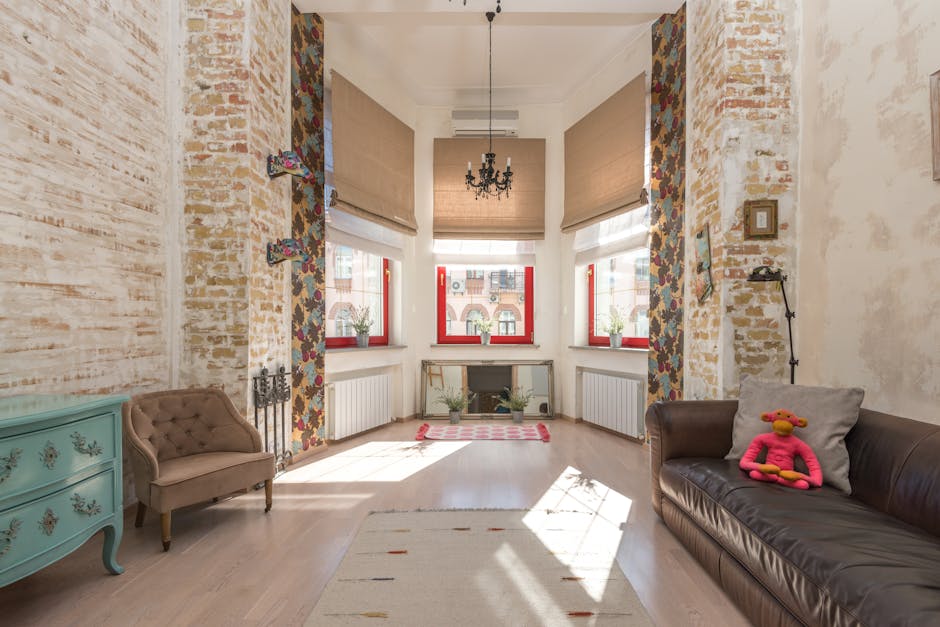
16. Industrial
Industrial design channels the raw authenticity of converted warehouses and urban lofts, celebrating unfinished surfaces and functional beauty. This aesthetic embraces exposed brick, steel beams, concrete floors, and metal fixtures as design heroes rather than elements to conceal. The style prioritizes clean lines, utilitarian forms, and a sense of purpose—furniture is often repurposed from factories or designed to mimic that sensibility. The mood is simultaneously edgy and welcoming, creating spaces that feel genuinely lived-in and unpretentious while maintaining sophisticated visual impact.
The industrial palette revolves around neutral grays, blacks, warm rusts, and weathered wood tones, with occasional pops of deep teal or mustard for visual interest. To achieve this look affordably, source metal shelving units and factory-style pendant lights from industrial suppliers or second-hand markets, where vintage finds become authentic focal points. Exposed brick can be mimicked with textured paint or removable wallpaper, while reclaimed wood shelves paired with metal brackets deliver that warehouse vibe without breaking the budget.
17. Bauhaus
# Bauhaus
Bauhaus design strips away excess and celebrates the marriage of form and function with geometric precision. Born from 1920s Germany, this influential movement embraces clean lines, minimal ornamentation, and honest materials—think steel, wood, concrete, and glass. The aesthetic feels simultaneously industrial and warm, creating spaces that are utterly purposeful yet surprisingly inviting. Every element earns its place through utility, while bold geometric shapes and a sense of mathematical order give interiors an undeniably modern sophistication.
The classic Bauhaus palette anchors itself in primary colors—red, yellow, and blue—often paired with neutral blacks, whites, and grays that let those jewel tones sing. To adopt this style affordably, hunt for geometric furniture pieces at thrift stores or budget retailers, prioritizing function-first silhouettes over ornate details. Layer in primary color accents through inexpensive accessories like throw pillows, artwork, or a painted accent wall, then keep surfaces clear and intentional—letting negative space do the work of sophisticated design.
18. Brutalist
Brutalism strips away pretense, celebrating raw materials and bold geometric forms that command attention. This uncompromising design style emphasizes massive concrete surfaces, exposed structural elements, and sculptural heaviness that creates an almost monumental presence in residential spaces. The aesthetic favors straight lines, fortress-like proportions, and a deliberate rejection of ornamentation, resulting in interiors that feel grounded, powerful, and intellectually sophisticated. Materials are honest—think poured concrete, dark metals, weathered stone, and rough-hewn wood—creating spaces with undeniable character and texture.
The brutalist palette centers on deep grays, blacks, warm concrete tones, and charcoal, often punctuated by the natural patina of aged materials. Budget-conscious decorators can achieve this look by painting accent walls in deep matte gray or charcoal, which instantly establishes the mood without structural renovations. Sourcing vintage industrial furniture, concrete planters, or chunky metal shelving from thrift stores and online marketplaces delivers authentic brutalist energy affordably, while incorporating one statement piece—perhaps a sculptural concrete side table or oversized wall art—anchors the entire aesthetic with minimal investment.
19. Postmodern
Postmodern design embraces gleeful irreverence, celebrating the notion that decorating needn't follow rigid rules. This style blends clashing patterns, unexpected materials, and whimsical shapes that would make minimalists wince—and that's entirely the point. Furniture pieces feature exaggerated curves, asymmetrical forms, and bold geometric patterns. The mood is intentionally theatrical, mixing high design with kitsch, vintage finds with contemporary art, and serious sophistication with outright humor. Materials range from sleek metals and glass to velvety upholstery and plastic accents, creating visual tension that feels refreshingly alive.
The color palette is unapologetically bold—hot pinks paired with lime greens, jewel tones mixed with soft pastels, or saturated blues clashing with warm terracottas. To adopt this style affordably, hunt thrift stores and vintage shops for statement-making furniture with unusual proportions, then anchor the space with a gallery wall of eclectic, mismatched frames. Finally, layer in playful textiles—pillows, rugs, and throws in clashing patterns—that can be easily swapped as your postmodern mood evolves.
20. Organic Modern
Organic Modern marries the warmth of nature with the clean precision of contemporary design. This style embraces natural materials like wood, stone, linen, and leather in their honest, unrefined states, paired with sleek lines and minimalist silhouettes. The mood feels both grounded and sophisticated—spaces breathe with intentional simplicity while celebrating the texture and character that only nature can provide. Raw-edge shelving, sculptural wooden furniture, and exposed stone walls become focal points, creating environments that feel effortlessly curated rather than overly designed.
The color palette draws directly from earth and sky: warm taupes, soft grays, creamy whites, and muted sage greens form the foundation, punctuated by deeper charcoal or natural wood tones. To achieve this aesthetic affordably, start by swapping out accessories for natural fiber baskets, jute rugs, and potted greenery that anchor spaces instantly. Thrift stores and online marketplaces offer excellent secondhand wood furniture that can be refinished or styled as-is, while simple linen curtains and untreated wood shelving from budget retailers deliver that organic, unpretentious feel without breaking the bank.
10of 16Global & Cultural
21. Mediterranean
Mediterranean design captures the sun-drenched essence of Southern Europe, bringing the relaxed sophistication of coastal villages indoors. This style celebrates natural materials—terracotta, warm stone, and weathered wood—combined with graceful arches, curved furniture, and hand-painted ceramics. The mood is inherently convivial and lived-in, favoring texture over perfection and embracing the patina that comes with time. Flowing fabrics, ornate wrought iron, and abundant greenery reinforce that breezy, outdoor-living aesthetic that makes Mediterranean interiors feel perpetually vacation-ready.
The color palette revolves around sun-warmed earth tones: ochre, burnt sienna, dusty blues, and creamy whites that echo whitewashed buildings. To achieve this look affordably, start with inexpensive terracotta pots and tiles as accents, mixing them with thrifted wooden pieces you can lightly distress. Layer in budget-friendly textiles like linen curtains and cotton rugs in warm neutrals, then anchor the space with greenery—olive trees and potted herbs bring authenticity without breaking the bank.
22. Tuscan
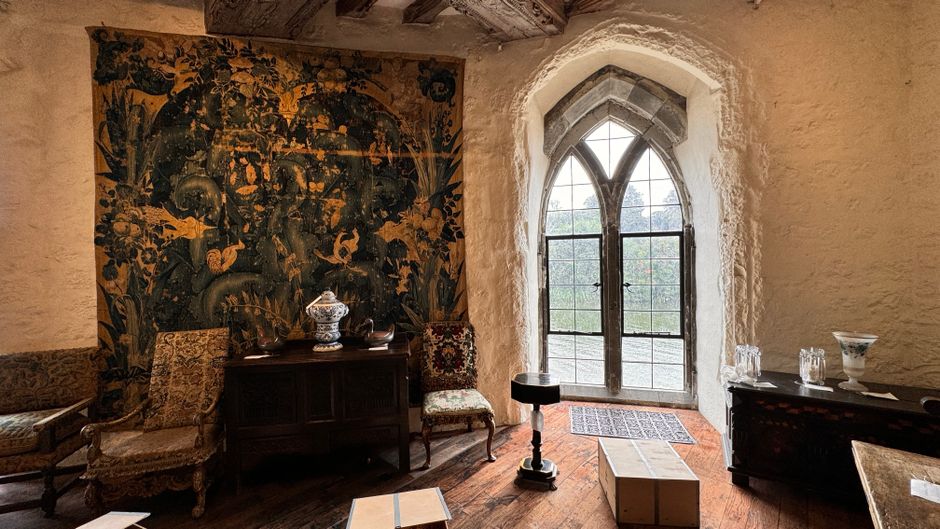
Tuscan design captures the rustic elegance of the Italian countryside, celebrating authenticity and time-worn beauty. This style emphasizes natural materials like terracotta, stone, and wrought iron, with plaster walls that appear weathered and aged rather than pristine. Tuscan interiors feature warm, earthy textures, arched doorways, exposed wooden beams, and furniture with sturdy, hand-crafted appeal. The overall mood evokes a centuries-old villa—comfortable, inviting, and distinctly Mediterranean.
The signature palette revolves around golden ochres, warm terracottas, deep browns, and soft creams, often accented with olive green and weathered iron tones. Budget-conscious decorators can achieve this look by shopping for distressed or secondhand furniture at antique markets and thrift stores, then layering in inexpensive terracotta pots and accessories for authentic charm. Faux-finish paint techniques on accent walls create that coveted aged plaster effect without professional installation costs, while affordable linen textiles in warm neutrals complete the inviting, lived-in atmosphere that defines Tuscan style.
23. Moroccan
Moroccan design celebrates bold self-expression through intricate geometry, layered textures, and handcrafted details. This North African-inspired aesthetic embraces ornate tile work, carved wood screens, and low-slung seating that encourages intimate gathering. The style balances opulence with comfort, featuring arches, carved plasterwork, and globally-sourced textiles that tell stories of traditional craftsmanship. Lanterns cast flickering shadows across rooms, while carved brass tables and poufs anchor spaces with both function and artistry. The overall mood is exotic yet inviting, sophisticated yet wonderfully lived-in.
Moroccan interiors thrive in jewel tones—deep teals, emeralds, sapphires, and rich burgundies—punctuated by warm golds and creams. Start by layering colorful rugs and patterned throw pillows to establish that signature richness without major investment. Hanging a simple brass or copper lantern above a seating area instantly captures the style's ambient magic, while DIY projects like painting terra cotta pots with geometric patterns or using peel-and-stick wallpaper in Moroccan designs deliver authentic impact affordably.
24. Spanish Revival
Spanish Revival draws inspiration from the historic architecture of Spain and early California missions, celebrating a sun-drenched aesthetic rooted in Old World craftsmanship. This style embraces thick, whitewashed or earth-toned walls that seem to glow with warmth, complemented by rich clay terracotta tiles, ornate wrought iron details, and hand-carved wooden furnishings. The mood is inherently romantic yet grounded—a sophisticated casualness that feels both lived-in and intentional. Heavy wooden beams, arched doorways, and intricate tilework create visual interest, while natural materials like stone, leather, and clay ensure the space feels connected to its rustic heritage.
The signature palette centers on creamy whites, warm terracottas, deep ochres, and dusty blues, accented with the dark patina of wrought iron and aged wood. To bring this style home affordably, start by painting walls a warm white or adobe shade—an instant transformation that costs little but impacts everything. Layer in budget-friendly terracotta or Saltillo tile runners and swap standard hardware for iron pieces found at salvage yards. Finally, source vintage Spanish pottery, ceramic dishes, and woven textiles from thrift stores and online marketplaces to build authentic character without the designer price tag.
25. French Country
French Country design captures the romantic essence of rural Provence and the French countryside, blending rustic authenticity with refined elegance. This style embraces natural materials like reclaimed wood, wrought iron, and stone, celebrating their weathered imperfections rather than disguising them. Distressed finishes, curved furniture lines, and abundance of soft textiles create an inviting, lived-in atmosphere that feels both nostalgic and timeless. Toile de Jouy patterns, botanical prints, and delicate florals appear throughout in fabrics and wallpapers, while accessories like vintage mirrors, ceramic pieces, and candlesticks add character and charm.
The palette typically features soft neutrals—creams, warm whites, and soft grays—accented with muted pastels like sage green, dusty blue, and pale pink. To achieve this look affordably, shop thrift stores and flea markets for vintage furniture that can be painted or left in its original patina; a few strategic toile pillows and botanical prints provide instant French Country character without major investment. Finally, incorporate fresh or dried lavender and herbs in glass jars, or hang antique-style wire baskets for both function and authentic French countryside appeal.
26. English Country
English Country style celebrates the romance of rural estates and countryside cottages through an embrace of layered patterns, rich textures, and furnishings that seem to have been collected over generations. This aesthetic favors floral prints, vintage botanical motifs, and traditional fabrics like chintz and linen, combined with sturdy wood furniture that shows its age with grace. The mood is inherently cozy and inviting—think overstuffed sofas, well-worn armchairs, and spaces that prioritize comfort and personal history over pristine perfection. Antique accessories, botanical illustrations, and natural materials like stone and exposed beams anchor the look in authenticity and warmth.
The traditional English Country palette draws from nature's softest tones: creams, soft greens, dusty blues, rose tones, and warm terra cottas. To achieve this look affordably, layer vintage and thrifted textiles like throw pillows, quilts, and curtains to build that signature collected-over-time feeling without breaking the bank. Mixing different floral and striped patterns confidently creates depth, while incorporating botanical prints, fresh flowers, and houseplants brings the countryside indoors and instantly elevates modest furnishings with character and charm.
27. Tropical
Tropical design transports any space to a sun-drenched island getaway, drawing inspiration from lush botanical landscapes and coastal living. This style celebrates natural materials like rattan, wicker, and weathered wood that evoke beachside ease, while flowing fabrics and curved furnishings create an unhurried, relaxed atmosphere. The mood is inherently carefree and welcoming, with an emphasis on bringing the outdoors in through abundant greenery, organic textures, and light-filled spaces that breathe with tropical breezes.
The color palette centers on vibrant greens paired with warm neutrals like cream, tan, and soft whites, punctuated by pops of coral, turquoise, and sunset yellows. To achieve this look affordably, start by filling shelves and corners with potted plants and trailing vines that instantly infuse life and authenticity into any room. Swap out solid throw pillows for patterned ones featuring palm leaves or hibiscus prints, and incorporate rattan accents through budget-friendly woven baskets, mirrors, or light fixtures that anchor the aesthetic without requiring a complete redesign.
28. Southwestern
Southwestern style captures the rustic romance of the American desert, blending Spanish colonial influences with Native American craftsmanship. This approach celebrates natural, earthy materials like adobe, terracotta, and rough-hewn wood that age beautifully over time. The aesthetic embraces bold geometric patterns, hand-painted tiles, and woven textiles that tell stories through their imperfections. Curved archways, exposed wooden beams, and warm stucco finishes create spaces that feel both authentically grounded and invitingly lived-in, with an emphasis on artisanal quality over polish.
The signature palette draws from the desert landscape: warm terra-cotta, dusty ochre, sandy beige, and deep rust accents, often punctuated by vibrant turquoise or burnt orange. To achieve this look affordably, start by incorporating inexpensive woven blankets and patterned throw pillows in traditional designs that instantly warm up any room. Swap out basic hardware for ornamental wrought-iron pieces and add simple clay pottery or thrifted Native-inspired baskets to shelves and corners for authentic character without breaking the budget.
29. Indian
# Indian Style
Indian interior design celebrates bold, jewel-toned colors and ornate craftsmanship that reflects thousands of years of cultural heritage. This style embraces intricate carved wooden furniture, richly patterned textiles, and layered accessories that create an atmosphere of warmth and exotic elegance. Brass accents, carved screens, and handwoven rugs anchor spaces with authenticity, while the overall mood balances opulence with lived-in comfort. Every element tells a story through detailed embroidery, brass filigree work, and the unmistakable presence of traditional artisanal techniques that infuse rooms with soul and character.
The signature palette features deep jewel tones—emerald, sapphire, ruby, and gold—often paired with warm terracottas and rich browns. To achieve this look affordably, start with textiles like printed throw pillows and tapestries found at import stores or online retailers, which instantly anchor a room's Indian aesthetic without breaking the budget. Thrifting carved wooden pieces or painted metal accessories adds authentic character, while one statement wall painted in a bold jewel tone or adorned with temporary wallpaper can anchor the entire design scheme without requiring expensive renovations.
30. Asian Zen
# Asian Zen
Asian Zen design celebrates the art of restraint, creating serene spaces through a harmonious balance of natural materials, clean lines, and uncluttered composition. This style draws inspiration from Japanese and broader Eastern philosophies, emphasizing the beauty of emptiness and the intentional placement of each element. Wood, stone, bamboo, and natural textiles form the foundation, while low-profile furniture and flowing layouts encourage mindful movement through rooms. The overall mood is meditative and grounding, with an emphasis on quality over quantity and purposeful minimalism that feels calming rather than sparse.
The traditional palette centers on warm neutrals—soft whites, warm grays, and natural wood tones—punctuated by accent colors like sage green or muted charcoal. Creating this aesthetic affordably starts with sourcing secondhand wooden pieces that can be refinished, then layering in inexpensive natural elements like river stones, bamboo accents, and woven mats. Finally, decluttering ruthlessly and positioning remaining items with intentional negative space around them transforms any room into a Zen sanctuary without spending heavily.
31. Tiki
Tiki style transports homeowners to a tropical paradise frozen in mid-century time, blending Polynesian aesthetics with kitschy American nostalgia. The look celebrates natural materials like rattan, bamboo, and dark wood carved into exaggerated tikis, masks, and cultural motifs that nod to island heritage—though often with playful irreverence. Low, lounge-worthy furniture, vibrant patterns, and ambient lighting create a perpetually vacation-ready atmosphere that's equal parts sophisticated tiki bar and backyard luau sanctuary. The mood is unapologetically fun, inviting guests into a world where every evening feels like an escape.
The color palette draws from sunset hues and ocean tones: burnt orange, deep browns, turquoise, and lime green punctuated by warm gold lighting. Budget-conscious decorators can source vintage tiki mugs and masks at thrift stores or online marketplaces, instantly anchoring a room's theme. Affordable rattan pendant lights and woven poufs add textural warmth, while tropical-print throw pillows and a good-quality outdoor patio rug create an island vibe without requiring a full furniture overhaul.
11of 16Cozy & Rustic
32. Farmhouse
Farmhouse design celebrates the rustic beauty of rural living through a blend of vintage and weathered elements that feel effortlessly collected over time. The style embraces exposed wooden beams, distressed furniture, and architectural salvage pieces that tell stories of yesteryear. Clean lines meet organic textures—think worn leather, burlap, and linen—while the overall mood remains warm and unpretentious. Metal accents, especially black iron and galvanized steel, ground the aesthetic, and every piece seems chosen for both character and purpose rather than pure decoration.
The signature palette draws from nature: creamy whites, soft grays, warm blacks, and muted earth tones that evoke weathered barns and country kitchens. To achieve this look affordably, start by scouring flea markets and thrift stores for wooden pieces that can be left as-is or given a quick whitewash for instant character. Swapping out cabinet hardware with vintage-style knobs and adding mason jar accents costs little but transforms a space, while layering in cotton throws and mixing mismatched wooden chairs creates that authentic, lived-in charm.
33. Rustic
Rustic design celebrates the beauty of authenticity and time-worn charm, drawing inspiration from countryside living and traditional craftsmanship. The style embraces rough-hewn wood beams, exposed brick, stone, and wrought iron—materials that tell stories through their imperfections and patina. Clean lines give way to organic shapes and weathered finishes, while the overall mood feels grounded, inviting, and deliberately unpretentious. Every element appears purposeful rather than decorative, prioritizing substance over polish and creating spaces that feel genuinely lived-in rather than artificially staged.
Earthy tones dominate rustic palettes, from warm terracottas and creams to deep chocolates and forest greens, often accented by charcoal blacks and muted golds. Budget-conscious decorators can achieve this look by incorporating reclaimed wood shelving from salvage yards, layering in vintage textiles like burlap and linen, and choosing handcrafted pottery over mass-produced accessories. Even simple swaps—like refinishing existing furniture with a whitewash or dark stain, and mixing in unpolished metal accents—can transform any room into a cozy rustic retreat without breaking the bank.
34. Cottagecore
Cottagecore is the ultimate escape into rural romance, evoking a dreamy countryside aesthetic steeped in nostalgia and nature's abundance. This whimsical style embraces imperfect, vintage-inspired furnishings with natural materials like weathered wood, soft textiles, and botanical elements. Floral patterns dominate the visual landscape through wallpapers, upholstery, and artwork, while curved lines and layered, lived-in arrangements create an effortlessly charming atmosphere. The mood is intimate and unhurried, celebrating handmade quality and pastoral simplicity over sleek modernity.
Don't MissBoho Room Decor DIY: 10 Easy Projects Under $200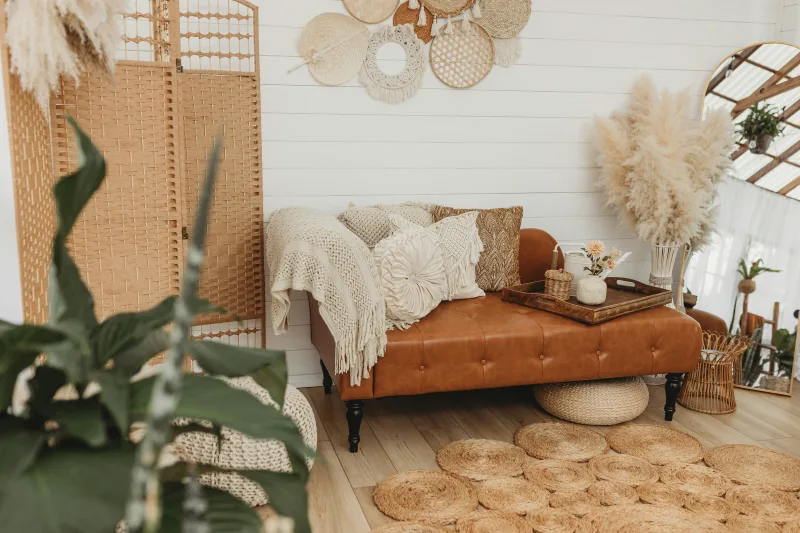 Budget Apartment Renovation: DIY Hacks That Actually Work
The cottagecore palette centers on soft, romantic hues: cream, sage green, dusty rose, lavender, and warm terra cotta tones. To achieve this aesthetic affordably, scour thrift stores and online marketplaces for vintage floral textiles and repurpose them as throw pillows or wall hangings. Layering affordable botanical prints in mismatched frames and adding dried flowers or faux wildflower bundles instantly transforms any room into a cottage retreat. A few strategically placed woven baskets and vintage-style ceramic pieces complete the enchanting, accessible look.
35. Cottage
Cottage style is the epitome of understated charm, celebrating comfort and lived-in warmth without requiring perfection or pretense. This approach embraces natural materials like weathered wood, soft textiles, and vintage furnishings that tell stories through their patina and imperfections. The aesthetic relies on curved lines, layered textures, and a purposeful mix of eras—think mismatched chairs around a farmhouse table or an antique cupboard displaying chipped pottery. Soft, diffused lighting and abundant greenery complete the picture, creating spaces that feel like a gentle escape from the world's demands.
The cottage palette is characteristically soft and earthy: creams, soft grays, pale blues, sage greens, and warm whites provide the foundation, often punctuated with muted florals and weathered pastels. To achieve this look affordably, shop thrift stores and estate sales for genuine vintage pieces that bring authenticity without boutique pricing. Layer inexpensive textiles like cotton quilts and linen throws to build that signature coziness, and embrace DIY distressing techniques on basic furniture to create that coveted weathered appeal.
36. Lodge
# Lodge
Lodge style captures the essence of mountain retreats, where rustic timber frames, natural stone fireplaces, and earthy textures create an inviting sanctuary from the outside world. This design celebrates raw materials in their most honest form—exposed wooden beams, rough-hewn furniture, and weathered finishes that tell stories of nature's beauty. The aesthetic balances ruggedness with coziness, layering in soft furnishings like plaid blankets and leather seating to transform a cabin-like space into a warm gathering place. Large windows frame scenic views, while the overall mood encourages relaxation and connection to the natural landscape.
The lodge palette gravitates toward warm earth tones—rich chocolate browns, deep forest greens, burnt oranges, and charcoal accents—often punctuated by the cream and gray of natural stone. To achieve this look affordably, start by incorporating faux-wood accent walls or wood paneling in bathrooms and bedrooms rather than throughout the entire home. Layer in lodge character through budget-friendly textiles like wool throws and plaid cushions, and source rustic elements from thrift stores, flea markets, and salvage yards where authentic vintage pieces offer genuine character without premium pricing.
37. Log Cabin
Log cabin style celebrates the romance of rustic living, defined by substantial wooden beams, warm timber walls, and furnishings that honor nature's raw beauty. This aesthetic embraces chunky furniture, stone fireplaces, and layered textures that create an enveloping sense of refuge. The mood is decidedly cozy and unpretentious, with an emphasis on handcrafted elements and natural materials like leather, wool, and wrought iron. Every piece feels substantial and purposeful, as if built to last generations in the wilderness.
The signature palette revolves around warm browns, deep honeyed tones, cream, and touches of forest green or rust. For budget-conscious decorators, thrifting vintage wood furniture and refinishing it with stain can deliver authentic character without designer price tags. Layering faux fur throws and plaid blankets over simple pieces instantly amplifies the cabin atmosphere, while grouping pillar candles and lanterns around a fireplace or focal wall creates that essential warm glow at minimal cost.
38. Shabby Chic
Shabby chic celebrates the beauty of age and imperfection, blending vintage treasures with romantic sensibilities. This style embraces distressed furniture with peeling paint, worn upholstery, and ornate carved details that whisper stories of the past. Soft, flowing fabrics like linen and lace layer throughout spaces, while botanical prints, floral patterns, and delicate accessories create an effortlessly feminine atmosphere. The overall mood feels nostalgic yet livable—a curated collection of found pieces rather than a designed showroom.
The signature palette revolves around soft pastels: blush pink, cream, pale blue, and sage green, often accented with touches of gold or silver hardware. To achieve this look affordably, hunt for furniture at thrift stores and flea markets, then sand and repaint pieces in muted tones for instant character. Incorporate budget-friendly textiles like vintage-inspired throw pillows and antique-look lace curtains from discount home stores, layering them generously to build that romantic, lived-in aesthetic without breaking the bank.
39. Wabi-Sabi
Wabi-sabi design celebrates the profound beauty found in imperfection, impermanence, and the natural aging process. This Japanese-inspired aesthetic embraces raw, unfinished materials like weathered wood, crumbling plaster, and exposed brick, creating spaces that feel authentically lived-in rather than pristine. The style favors organic shapes, asymmetrical arrangements, and a minimalist approach that strips away unnecessary ornamentation. Muted earth tones and natural textures combine to create a serene, contemplative mood that honors the passage of time and the inherent character each object carries.
The wabi-sabi palette revolves around soft grays, warm blacks, deep browns, and creamy off-whites, with occasional touches of muted green or terracotta. To incorporate this philosophy affordably, seek out vintage or secondhand pieces that show their age—an old wooden stool or weathered mirror becomes a treasure rather than a flaw. Embrace bare walls and minimal furnishings, allowing negative space to breathe, and consider leaving a shelf or architectural element unfinished rather than refinishing it, letting its natural patina tell a story of authenticity and time.
40. Hygge
Hygge embodies the Danish art of creating cozy intimacy, a design philosophy centered on warmth, comfort, and meaningful connection. This style celebrates soft textures like chunky knits, plush rugs, and linen upholstery, layered throughout spaces to encourage lingering and relaxation. Natural materials—wood, wool, and ceramics—anchor the aesthetic, while gentle curves and low-slung furniture create an inviting, approachable mood. Candlelight is essential to hygge's ambiance, casting a flickering glow that softens edges and deepens the sense of sanctuary.
The hygge palette leans toward warm neutrals: creams, soft grays, warm whites, and rich chocolates, occasionally punctuated by muted terracotta or sage. To achieve this aesthetic affordably, layer inexpensive throw blankets and pillows in natural fabrics across your seating areas, then cluster multiple candles throughout the room for that signature warm glow. Finally, swap out overhead lighting for table lamps and fairy lights that create pools of soft illumination—this simple change costs little but completely transforms a space into a hygge haven.
41. Country
Country style celebrates the relaxed elegance of rural living, blending practicality with unhurried charm. This aesthetic favors natural materials like wood, stone, and wrought iron, along with vintage furniture pieces that show their age gracefully. The defining characteristics include exposed beams, distressed finishes, open shelving, and plenty of textiles—think plaid blankets and floral patterns. The overall mood is warm and inviting, with an emphasis on comfort over polish, creating spaces that feel lived-in and authentically homey rather than designed.
The typical country palette draws from nature: warm creams, soft whites, earth tones, and accent colors like sage green, barn red, or dusty blue. To achieve this look affordably, shop vintage markets and thrift stores for authentic pieces with character, then simply let their patina shine rather than refinishing them. Layering inexpensive cotton textiles in gingham or toile patterns instantly establishes the aesthetic, while incorporating natural elements like wildflowers in mason jars and reclaimed wood accents adds genuine country soul without breaking the budget.
12of 16Coastal & Nature
42. Coastal
Coastal style captures the breezy, unhurried spirit of seaside living through a palette of soft, natural materials and relaxed lines. This approach celebrates whitewashed wood, natural fibers like jute and linen, and weathered finishes that echo sun-bleached driftwood and sandy shores. The mood is effortlessly calm and airy, with an emphasis on texture over ornament. Open shelving, slatted details, and gently curved furniture invite the flow of light and movement throughout a space, while nautical accents—think rope trim or brass hardware—ground the design without overwhelming it.
The signature palette revolves around sandy neutrals, crisp whites, and various shades of blue, from pale sky tones to deeper ocean hues. To achieve this look affordably, start by swapping out heavy curtains for gauzy, light-filtering fabrics that evoke coastal breezes. Paint existing wooden pieces white or cream for an instant beachy transformation, then layer in inexpensive touches like rope-wrapped picture frames, mason jar vases filled with shells, and vintage-inspired coastal artwork from online marketplaces. These small, budget-friendly swaps deliver authentic seaside charm without requiring a complete redesign.
43. Hamptons
The Hamptons style epitomizes refined coastal elegance with an effortless sophistication born from generations of East End beach house tradition. This aesthetic marries crisp, clean lines with relaxed luxury, favoring natural materials like whitewashed wood, linen, and weathered finishes. The mood is undeniably serene yet polished—think breezy seaside retreats where quality craftsmanship meets understated glamour. Airy spaces feel both inviting and aspirational, anchored by furniture pieces that balance sturdy construction with graceful proportions.
The signature palette revolves around navy, white, and soft neutrals, often punctuated by touches of gold or brass accents. To capture this look affordably, start by introducing striped linens and nautical-inspired textiles through throw pillows and area rugs, which instantly anchor the aesthetic without major investment. Whitewashing existing furniture or swapping out hardware for brushed brass fixtures delivers dramatic transformation on a budget, while incorporating woven baskets and driftwood accessories adds authentic coastal texture to any room.
44. Nautical
Nautical design evokes the relaxed charm of coastal living, bringing maritime heritage into the home through carefully curated details. This style celebrates classic elements like crisp stripes, weathered wood, and rope accents that nod to sailing traditions and seaside culture. Think shiplap walls, brass porthole mirrors, and furniture with clean lines that feel both timeless and unpretentious. The mood is inherently calm and collected—a space that whispers of salty breezes and lazy afternoons without requiring an actual ocean view.
The quintessential palette centers on navy, white, and cream, often punctuated with touches of red or weathered gray. To capture this aesthetic affordably, seek out striped throw pillows and rope baskets at discount retailers to layer texture and pattern instantly. Upcycling wooden pieces with whitewash or blue paint, paired with vintage rope wrapped around plain mirrors or picture frames, delivers authentic nautical character without the luxury price tag.
45. Coastal Grandmother
# Coastal Grandmother
Coastal Grandmother style captures the essence of unhurried seaside living through a curated blend of natural materials and relaxed elegance. Think weathered wood, soft linen, and vintage-inspired furnishings that whisper rather than shout. The aesthetic draws from generations of beach house wisdom, favoring timeless pieces over trendy statement-makers. Flowing fabrics, distressed finishes, and simple lines create an inviting atmosphere that feels both effortlessly put-together and genuinely lived-in. Woven textures, neutral ceramics, and sun-bleached accessories anchor the look in authentic coastal comfort.
The palette centers on warm creams, soft whites, sandy beiges, and muted blues inspired by ocean and sky. Bring this style home affordably by swapping out accessories—linen pillows and vintage-look throws from budget retailers instantly transform a room. Hunting for secondhand wooden frames, glass vessels, and natural fiber rugs at thrift stores adds authentic character while keeping costs low, and these timeless pieces only improve with age and wear.
46. Biophilic
Biophilic design celebrates humanity's innate connection to the natural world by weaving living elements throughout interior spaces. This style emphasizes abundant greenery, natural light, organic materials like wood and stone, and flowing, curved lines inspired by nature itself. The mood is inherently calming and restorative, creating environments that feel alive and breathing. Whether through climbing vines, potted plants at varying heights, or living walls, biophilic interiors prioritize the presence of vegetation as both functional air-purifier and design centerpiece, while maximizing natural daylight through strategic window placement and minimal heavy treatments.
The palette draws from nature's own spectrum: soft greens and leaf tones, warm earth browns, cool grays of stone, and creamy whites that echo natural light. To introduce biophilic elements affordably, start by incorporating low-maintenance plants like pothos and snake plants in thrifted containers—their cascading and architectural forms don't require pricey specimens. Next, embrace natural light by swapping heavy curtains for simple linen panels, then layer in reclaimed wood shelving or vintage branches in tall vases to echo the organic shapes that define this grounding aesthetic.
47. Desert Modern
Desert Modern marries the clean lines of contemporary design with the warm, weathered aesthetic of arid landscapes. This style embraces raw materials like adobe, terracotta, and unfinished wood alongside sleek concrete and steel elements. The mood is serene yet earthy, with a focus on negative space and uncluttered environments that feel both minimalist and deeply grounded. Geometric patterns inspired by Native American textiles and nature appear sparingly, while sculptural cacti and succulents serve as living art pieces that reinforce the connection to the landscape.
The color palette centers on warm neutrals—sandy beiges, dusty ochres, warm grays, and soft terracotta—punctuated by deep charcoal or blackened metal accents. To achieve this look affordably, source thrifted wooden furniture and paint it with a whitewash or leave it natural, then pair it with budget-friendly concrete accessories or planters. Layer in inexpensive woven textiles and pottery from discount home stores, and create a focal point with a single statement piece like a large potted agave or saguaro cactus to capture the desert's essential spirit without breaking the bank.
48. Botanical
Botanical design celebrates the beauty of nature by bringing lush greenery, floral patterns, and organic elements into indoor spaces. This style embraces natural materials like wood, rattan, and stone, paired with abundant live plants, botanical prints, and garden-inspired textiles. The mood is fresh, rejuvenating, and deeply connected to the outdoors—think terrarium vibes meeting modern living. Clean lines often take a backseat to the flowing, irregular shapes of leaves and vines, creating a sense of movement and life throughout the home.
The botanical palette centers on rich greens in varying saturations, from deep forest to pale sage, accented with earth tones like terracotta, warm cream, and soft browns. To adopt this style affordably, start with inexpensive potted plants from local nurseries and grocery stores, then display them at varying heights using simple shelving or plant stands. Swap out existing artwork for botanical prints and vintage seed catalog pages found online or at thrift stores, then frame them with affordable frames for an instant garden-inspired gallery wall.
13of 16Bold & Eclectic
49. Bohemian
Bohemian design celebrates unbridled creativity and self-expression through fearless layering of colors, patterns, and textures. This free-spirited aesthetic embraces global influences, vintage finds, and artisanal pieces that tell a story. Natural materials like macramé, woven textiles, rattan, and unfinished wood form the foundation, while eclectic furnishings—whether a low-slung daybed, hanging chair, or carved side table—create spaces that feel collected over time rather than purchased at once. The mood is intentionally relaxed and intimate, inviting wanderers and dreamers to settle in and stay awhile.
The bohemian palette draws from warm earth tones, jewel-box jewel tones, and rich sunset hues, often all mixed together without apology. Budget-friendly approaches include shopping thrift stores and vintage markets for one-of-a-kind pieces that anchor a room's character, and layering inexpensive textiles like tapestries, throw pillows, and rugs to build visual depth. String lights, potted plants, and DIY wall hangings from rope or fabric scraps complete the look affordably while maintaining that wanderlust-inspired, lived-in charm.
50. Boho Chic
Boho chic represents a refined take on bohemian design, blending the free-spirited essence of eclectic collecting with intentional curation and polish. This style celebrates natural materials—raw wood, rattan, macramé, and linen—while incorporating globally inspired textiles, vintage furnishings, and artisanal accents. The defining characteristic is a lived-in elegance that feels collected rather than chaotic, with layered textures and an emphasis on handcrafted pieces that tell a story. Flowing silhouettes, curved lines, and organic shapes create a sense of movement throughout spaces, while an underlying sense of sophistication ensures the look remains curated rather than cluttered.
The boho chic palette gravitates toward warm neutrals—cream, taupe, and honey tones—accented with earthy jewel tones like terracotta, ochre, and dusty blues. To achieve this aesthetic affordably, shop vintage and secondhand markets for one-of-a-kind statement pieces like patterned rugs or carved wooden furniture, which become anchors for the entire room. Layer affordable natural textiles such as cotton throws and linen pillows, then elevate the space with a few carefully chosen global accents like woven wall hangings or ceramic vessels that feel intentional rather than random.
51. Maximalist
Maximalism celebrates abundance, color, and fearless self-expression through layered textures, patterns, and collected treasures. This style embraces bold jewel tones, ornate furnishings, and eclectic artwork that reflects a curated life well-lived. Rather than following a single aesthetic thread, maximalism weaves together vintage finds, global influences, and unexpected combinations—think Persian rugs paired with contemporary art, richly patterned wallpaper alongside saturated paint colors, and shelves bursting with meaningful objects. The mood is energetic and intimate, creating spaces that feel collected over time rather than designed all at once.
Maximalist palettes typically feature deep emerald, sapphire, ruby, and gold accents grounded by warm neutrals like cream or charcoal. To build this look affordably, start by painting an accent wall in a jewel tone, then layer inexpensive patterned throw pillows, vintage textiles, and thrifted artwork to create visual interest. The secret is mixing high-low: splurge on one statement piece and fill around it with budget-friendly finds from thrift stores and online marketplaces that reflect personal passions and tell a unique story.
52. Eclectic
Eclectic design celebrates the art of fearless curation, blending furniture, textiles, and accessories from different eras, cultures, and styles into one cohesive yet wildly personal space. Rather than adhering to a single aesthetic, this approach embraces unexpected pairings—think mid-century modern alongside bohemian textiles, vintage industrial pieces mixed with contemporary art. What ties it all together is intentionality; every item tells a story and reflects the owner's travels, interests, and evolution. The mood is creative, collected, and unapologetically individualistic, with varied lines, textures, and finishes creating visual interest that feels anything but haphazard.
The eclectic palette knows no rules, ranging from warm earth tones to jewel tones to moody blacks and whites, often within the same room. Budget-friendly ways to embrace this style include thrifting statement pieces from local vintage shops and flea markets—these one-of-a-kind finds are both affordable and authentic. Layering textiles of different patterns and origins adds depth without breaking the bank, while rotating artwork and décor seasonally keeps the space feeling fresh and personal.
53. Grandmillennial
Grandmillennial style celebrates the romantic, ornate sensibilities of vintage decor through a distinctly modern lens. This aesthetic embraces chintz florals, ruffled upholstery, delicate patterns, and nostalgic furnishings—think grandmother's parlor reimagined for today's design-savvy homeowners. The style balances maximalist pattern mixing with unexpected contemporary touches, creating spaces that feel both comfortingly familiar and intentionally curated. Soft, rounded furniture silhouettes pair beautifully with ornate mirrors, vintage textiles, and decorative accessories that tell a story of collected beauty over time.
The color palette typically features soft pastels—blush pink, sage green, cream, and lavender—layered with deeper jewel tones and warm neutrals. To adopt this look affordably, hunt thrift stores and estate sales for authentic vintage pieces like wingback chairs and patterned throw pillows that anchor the aesthetic without requiring significant investment. Consider pairing one statement chintz wallpaper or fabric with simpler, solid-colored basics to create impact while keeping costs manageable and preventing the space from feeling overwhelming.
54. Dopamine Decor
Dopamine decor is all about infusing spaces with vibrant, saturated colors and playful elements that spark genuine joy and elevate mood. This style embraces bold hues, unexpected pattern combinations, and whimsical touches that celebrate self-expression without apology. Think jewel-toned walls, cheerful artwork, textured fabrics, and statement pieces that command attention. The defining characteristic is intentionality—every element exists to bring happiness and energy into the home. Materials are varied and eclectic, from glossy ceramics to plush velvet, with clean lines balanced by organic shapes that feel both modern and approachable.
The typical palette bursts with saturated colors: hot pink, sunny yellow, rich emerald, electric blue, and warm coral. To bring this style home affordably, start by painting an accent wall in a bold jewel tone—a single can of quality paint delivers maximum impact for minimal cost. Layer in joy through thrifted art, colorful throw pillows, and vibrant area rugs that anchor rooms without requiring major furniture investments. Even small swaps like repainting old frames, adding bright plants, or displaying colorful dishware on open shelving transform a space into a personal happiness sanctuary.
55. Cluttercore
Cluttercore embraces the beautifully maximalist notion that a home should tell the story of its inhabitant. This style celebrates intentional abundance—think gallery walls bursting with art, shelves layered with treasured books and objects, and surfaces that reflect genuine collecting rather than curated emptiness. The defining characteristic isn't disorder but rather purposeful curation, where each piece holds meaning. Eclectic textures, vintage finds, and personal artifacts create visual richness and a lived-in warmth that feels authentically human.
The color palette tends toward jewel tones, earth neutrals, and unexpected pops of color that emerge organically through collected pieces. To achieve cluttercore on a budget, start by displaying what you already own—shadow boxes filled with small treasures, floating shelves for books, and wall space for gallery arrangements create instant personality. Shop secondhand markets and thrift stores for vintage frames, pottery, and art, then group items in odd numbers and varying heights to create visual interest that feels intentional rather than haphazard.
56. Kitsch
Kitsch embraces unbridled maximalism with gleeful abandon, celebrating the campy, the colorful, and the deliberately tacky. This audacious style rejects minimalist restraint in favor of bold patterns, clashing prints, and unapologetically playful pieces that spark joy through sheer personality. Think vintage lava lamps, thrifted novelty figurines, retro signage, and furniture in shockingly bright hues. The mood is irreverent and fun—kitsch doesn't take itself seriously, instead inviting inhabitants to revel in nostalgia, irony, and whimsy. Materials range from laminate and plastic to cheap velvet and shiny fabrics, all celebrated for their kitschy charm rather than refined quality.
The kitsch palette thrives on hot pinks, electric blues, sunny yellows, and lime greens, often layered together without apology. Building this look affordably means embracing thrift stores and flea markets, where vintage treasures and cast-off gems await discovery at bargain prices. Wall decals, inexpensive peel-and-stick wallpaper in wild patterns, and string lights instantly transform a space, while dollar-store finds and quirky yard-sale purchases become legitimate art when displayed with confident irreverence.
57. Memphis
Memphis design is the audacious antidote to minimalism, celebrating unbridled creativity through bold geometric shapes, clashing patterns, and playful squiggles. Originating in 1980s Italy, this maximalist movement embraces asymmetrical forms, unexpected color combinations, and unconventional materials like plastic laminates and bright ceramics. The style radiates youthful energy and artistic rebellion, with furniture featuring abstract angles and sculptural silhouettes that prioritize visual impact over traditional functionality. Memphis pieces are unapologetically fun, transforming interiors into galleries of colorful expression where nothing matches but everything belongs together.
The Memphis palette thrives on hot pinks, electric blues, lime greens, and sunny yellows—often layered together without restraint. To adopt this style affordably, hunt for vintage Memphis-inspired pieces at thrift stores or source modern reproductions from contemporary retailers that capture the spirit at accessible price points. Layer inexpensive colorful geometric wallpaper, paint accent walls in unexpected hues, or introduce playful accessories like patterned throw pillows and sculptural vases that bring the movement's joyful chaos without requiring a complete furniture overhaul.
14of 16Glamorous & Luxe
58. Hollywood Regency
Hollywood Regency channels the unabashed glamour of 1940s cinema, bringing Old Hollywood drama into the home with bold geometrics, mirrored surfaces, and jewel-toned richness. This style embraces theatrical flair through lacquered finishes, chrome and brass accents, and curved furniture that exudes elegance and movement. The mood is unapologetically luxurious—think velvet upholstery, sunburst mirrors, and statement lighting that commands attention. Clean lines meet ornamental details, creating spaces that feel both sophisticated and daringly modern for their time.
The palette typically features deep jewel tones—emerald, sapphire, and ruby—balanced with creams, blacks, and generous doses of metallics. To achieve this look affordably, hunt for vintage brass and mirrored pieces at thrift stores and online marketplaces, which form the style's glittering backbone. Layer in velvet throw pillows and one statement wallpaper accent wall featuring geometric or art deco patterns, which instantly elevates a room without requiring a complete overhaul. Finally, trade expensive art for DIY sunburst wall mirrors or metallic spray-painted frames that capture Hollywood's signature shimmer.
59. Art Deco
Art Deco captures the essence of 1920s glamour through bold geometric patterns, luxurious materials, and an unmistakable sense of sophisticated drama. This style celebrates symmetry and streamlined forms, featuring rich woods, mirrored surfaces, and chrome or brass accents that reflect light and create visual excitement. The mood is unapologetically glamorous yet architectural—think sunburst patterns, chevron designs, and sculptural furniture pieces that make a statement without apology.
The signature palette combines deep jewel tones like emerald, sapphire, and black with warm metallics, particularly gold and brass, set against creamy ivory or charcoal backgrounds. To achieve this look affordably, hunt for vintage geometric mirrors and frames at thrift stores to layer around key areas, instantly capturing that reflective glamour. Incorporate geometric throw pillows and area rugs in art deco patterns through budget retailers, and don't overlook paint—a single accent wall in a jewel tone or a bold geometric pattern can transform a space without breaking the bank.
60. Art Nouveau
Art Nouveau is a mesmerizing design movement that celebrates the beauty of nature through sinuous, flowing curves and organic forms. Emerging in the late 19th century, this style embraces asymmetrical lines, whimsical botanical motifs, and luxurious materials like mahogany, brass, and stained glass. The aesthetic feels both romantic and sophisticated, transforming everyday objects into artistic statements. Think sweeping peacock feathers in a wall mural, furniture with legs that seem to grow like tree branches, and the elegant elongation of natural forms translated into functional design. It's opulence with an ethereal, nature-inspired soul.
Art Nouveau typically features jewel tones—emerald, sapphire, and deep plum—paired with creamy ivory and metallic accents that shimmer with vintage glamour. To embrace this style affordably, hunt for vintage brass hardware and frames at thrift stores to elevate simple furniture with instant Art Nouveau flair. Botanical wallpaper or removable wall decals featuring irises, lilies, and climbing vines can instantly transform a room, while incorporating curved mirrors or flowing fabric drapes adds that signature fluid elegance without breaking the budget.
61. Glam
Glamorous interiors celebrate luxury, drama, and unapologetic elegance. This style embraces rich textures like velvet, silk, and faux fur alongside reflective surfaces—think mirrored walls, metallic accents, and crystal embellishments. Clean lines meet curved, statement-making furniture pieces that command attention. The mood is sophisticated yet inviting, channeling Old Hollywood glamour with a contemporary twist. Layered lighting from chandeliers, table lamps, and sconces creates an enchanting ambiance that makes even everyday moments feel special.
The glam palette typically features jewel tones like emerald, sapphire, and burgundy paired with neutral backdrops of cream, gray, or black for balance. To achieve this look affordably, incorporate inexpensive metallic accents through affordable mirrors, gold-painted picture frames, or brass hardware swaps on existing furniture. Budget-friendly velvet throw pillows and faux fur blankets instantly elevate a space, while string lights or affordable crystal-inspired pendant fixtures add that coveted sparkle without breaking the bank.
62. Quiet Luxury
Quiet luxury represents a sophisticated approach to design that whispers rather than shouts, prioritizing exceptional craftsmanship and quality materials over visible branding or ostentatious details. This style embraces clean lines, premium fabrics like linen and cashmere, and thoughtfully curated furnishings that speak through their inherent elegance. The mood is serene and intentional, creating spaces that feel effortlessly refined. Neutral, natural materials—marble, brass, aged wood, and stone—form the foundation, while every piece is chosen for its timeless appeal and functional beauty rather than trend-chasing.
The color palette gravitates toward warm neutrals, soft whites, creams, and earthy tones, occasionally deepened with charcoal or sage for subtle contrast. To achieve this aesthetic affordably, focus on investing in one or two quality basics, like a well-made sofa in a neutral tone, then layer with affordable neutral textiles from accessible retailers. Shopping secondhand or vintage markets for unique wooden furniture and brass accents delivers authentic character without premium price tags while maintaining the style's essence of understated elegance.
63. Maximalist Glam
Maximalist Glam embraces the philosophy that more is undoubtedly more, celebrating bold opulence through layered textures, statement pieces, and fearless pattern mixing. This style thrives on jewel-toned velvets, ornate mirrors, gilded accents, and rich fabrics like silk and brocade that catch the light and demand attention. The mood is inherently luxurious and theatrical, with every surface an opportunity to showcase personality. Vintage finds sit comfortably alongside contemporary art, while oversized furnishings and decorative objects create an atmosphere of curated abundance rather than clutter.
The signature palette features deep emeralds, sapphire blues, ruby reds, and amethyst purples, anchored by warm gold and brass metallics that add that essential shimmer. To achieve this look affordably, shop vintage and thrift stores for ornate frames and mirrors that can be spray-painted gold, then layer them gallery-wall style. Look for affordable velvet throw pillows and blankets to add that sumptuous texture, and don't shy away from bold wallpaper or peel-and-stick wallcoverings as an easy way to introduce jewel tones without commitment or expense.
64. Parisian
Parisian style embodies a timeless sophistication rooted in the elegance of Europe's most romantic capital. This aesthetic celebrates antiques, vintage finds, and heirloom pieces arranged with studied casualness rather than fussy perfection. Think ornate mirrors, distressed furniture, and curated collections displayed on open shelves—the mood is refined yet lived-in, never precious or overwrought. Wrought iron accents, creamy upholstery, and architectural details like crown molding or exposed brick create visual interest without demanding attention. The beauty lies in restraint; Parisians believe that less is decidedly more.
The signature palette revolves around soft neutrals—creams, whites, soft grays, and warm beiges—punctuated by subtle touches of muted jewel tones or black accents for definition. To achieve this look affordably, hunt vintage markets and thrift stores for unique pieces with patina and character rather than investing in expensive reproductions. Layer textured linens and vintage textiles to add depth, and create vignettes by grouping objects thoughtfully on walls or shelves, letting empty space breathe as much as your carefully chosen elements do.
15of 16Urban & Edgy
65. Urban Modern
Urban Modern is the art of curated city living—a style that celebrates clean lines, open spaces, and the sophisticated interplay of contrasting materials. Think exposed brick walls paired with polished concrete floors, glass and steel accents softened by warm wood tones, and furniture that favors function without sacrificing aesthetic appeal. The mood is intentionally uncluttered and purposeful, with each piece earning its place through both beauty and utility. Raw, industrial elements merge seamlessly with contemporary comfort, creating spaces that feel both edgy and inviting.
The typical palette gravitates toward neutrals—crisp whites, warm grays, deep charcoals, and natural wood tones—with strategic pops of bold color or metallics for visual interest. To achieve this look affordably, hunt for vintage or secondhand industrial pieces at thrift stores and online marketplaces, which often cost far less than new designer finds. Layering textures through inexpensive swaps like concrete-look paint, exposed shelving, and mixed fabric accents instantly elevates a space without requiring a complete renovation.
66. Loft
# Loft Style
Loft style captures the essence of urban living through its celebration of raw, honest materials and open, flowing spaces. Born from industrial warehouse conversions, this aesthetic embraces exposed brick walls, soaring ceilings, steel beams, and original hardwood floors—elements that tell a building's history. Large windows flood these airy environments with natural light, while the absence of unnecessary walls creates a gallery-like quality. The mood is simultaneously sophisticated and edgy, sophisticated yet unpretentious, offering a backdrop where both minimalist and eclectic furnishings feel equally at home.
The typical loft palette gravitates toward warm neutrals—warm grays, caramel tones, and creamy whites—punctuated by the deep reds and charcoal blacks of industrial elements. To achieve this look affordably, consider exposed brick wallpaper or paint treatments that mimic authentic surfaces, then layer in vintage metal fixtures and reclaimed wood accents from thrift stores. Oversized mirrors and strategically placed track lighting amplify the sense of openness and height without requiring structural changes, making this adaptable style accessible even in modest apartment spaces.
67. Warehouse
Warehouse style embraces the raw authenticity of converted industrial spaces, celebrating exposed brick, soaring ceilings, and structural elements as design features rather than flaws. This aesthetic draws from genuine lofts and manufacturing buildings, incorporating steel beams, concrete floors, oversized windows, and minimal ornamentation. The mood is unapologetically utilitarian yet surprisingly livable—a deliberate rejection of fussy decoration in favor of honest materials and functional beauty. Unfinished surfaces, reclaimed wood, and metal fixtures create visual interest through texture and patina rather than pattern or embellishment.
The warehouse palette leans toward neutrals anchored by grays, blacks, and warm wood tones, often punctuated with deep jewel tones for accent pieces. To achieve this look affordably, shop vintage and industrial salvage markets for authentic metal shelving, vintage factory lights, and reclaimed materials that won't break the bank. Painting an accent wall concrete gray or installing floating wood shelves alongside simple pendant lights instantly captures warehouse character while maintaining practicality and warmth in everyday living spaces.
68. Gothic
Gothic interior design channels the dramatic elegance of medieval grandeur through rich, moody spaces that feel both mysterious and deeply inviting. This style celebrates ornate architectural details—think pointed arches, intricate woodwork, and ornamental moldings—paired with heavy fabrics, wrought iron accents, and jewel-toned furnishings. The mood is unapologetically luxurious yet intimate, creating rooms that whisper of castle halls and candlelit chambers. Gothic spaces embrace darkness not as dreariness but as sophistication, using shadowy corners and layered lighting to build atmosphere and visual depth.
The signature palette ranges from deep purples, blacks, and charcoal to jewel tones like emerald, sapphire, and burgundy, often accented with gold or bronze. To capture this aesthetic affordably, hunt for ornate frames and mirrors at thrift stores—these instantly elevate any wall with Gothic drama. Layer black or deep-colored velvet throw pillows and heavy curtains to create that signature richness without major renovation, and incorporate candles or Edison bulbs throughout to achieve the moody, flickering ambiance that defines the style's romantic, shadowy character.
69. Dark Academia
Dark academia brings the moody sophistication of a centuries-old library into the home. This style celebrates intellectual pursuits through rich wood furnishings, leather-bound books, and vintage scholarly pieces that whisper of late-night reading sessions and thoughtful conversation. Expect deep jewel tones, ornate details, and an intentional embrace of shadow and candlelight. The mood is contemplative and layered, with antique globes, vintage maps, and leather wingback chairs creating spaces that feel both intimate and infinitely curious. Heavy velvet drapes, brass fixtures, and dark wood paneling anchor rooms with gravitas and timeless appeal.
The color palette draws heavily from deep forest greens, burgundies, navy blues, and charcoal blacks, often accented with warm gold and bronze tones. To achieve this aesthetic affordably, start by layering thrifted books on shelves and tables—they're inexpensive and instantly evoke scholarly charm. Scout vintage markets for brass candlesticks, old wooden frames, and leather accessories that add authenticity without breaking the budget. Finally, refresh plain walls with deep jewel-toned paint in just one accent wall, then accessorize with fringed throw blankets and moody artwork to complete the transformation.
70. Grunge
Grunge decor embraces deliberate imperfection and raw authenticity, drawing inspiration from 1990s alternative culture and industrial aesthetics. This style celebrates exposed brick, distressed wood, and unfinished materials that tell stories of age and wear. Clean lines give way to asymmetrical arrangements, while vintage band posters, worn leather, and mismatched furniture create an intentionally disheveled mood. The overall effect feels rebellious yet surprisingly livable, rejecting the polished perfection of mainstream design in favor of genuine character and edge.
The color palette gravitates toward moody darks—charcoal, black, deep gray, and forest green—punctuated by occasional pops of acid yellow or faded denim blue. To bring grunge home affordably, thrift stores and flea markets become treasure troves for worn vintage pieces and eclectic artwork that cost far less than new furnishings. Layering thrifted textiles like distressed rugs and weathered blankets, combined with strategic use of black paint on accent walls, creates authentic grungy atmosphere without requiring a major investment.
16of 16Trend-driven & Niche
71. Coastal Cowgirl
# Coastal Cowgirl
Coastal Cowgirl style merges rugged Western heritage with the relaxed sophistication of seaside living, creating an unexpectedly harmonious aesthetic. Think weathered leather paired with soft linen, reclaimed wood beams alongside whitewashed shiplap, and ornamental horseshoes hung near driftwood accents. The mood is playfully feminine yet undeniably strong—mixing fringe and macramé with sturdy saddle leather and vintage Southwestern textiles. This style celebrates both the frontier spirit and ocean breeze, embracing natural materials that age beautifully and tell stories of adventure, whether on dusty trails or sandy shores.
The palette typically features warm creams, soft blues, terra cotta, and weathered taupes, anchored by occasional pops of turquoise or burnt orange. To achieve this look affordably, source vintage Western finds at thrift stores and flea markets—a single statement-making saddle rack or old leather boots become instant focal points. Layer inexpensive cotton and linen textiles with Southwestern patterns through throw pillows and blankets, then add budget-friendly driftwood branches and rope accents to echo the coastal influence without requiring a significant investment.
72. Barbiecore
Barbiecore is the art of embracing fearless femininity through hot pink saturation and unapologetic maximalism. This playful aesthetic celebrates bold color, glamorous materials like metallics and plush velvet, and curves over rigid lines. The style draws inspiration from mid-century modern design, art deco geometry, and 1950s Americana, creating spaces that feel simultaneously nostalgic and contemporary. Think statement furniture pieces, patterned wallpapers, mirrored accents, and an overall mood that prioritizes joy and personality over restraint.
The signature palette centers on vibrant hot pink paired with complementary shades like coral, magenta, and rose gold, often balanced with whites, blacks, or buttery creams. To bring Barbiecore home affordably, start with removable wallpaper or peel-and-stick wall decals in geometric or floral patterns—they deliver maximum visual impact without permanent commitment. Invest strategically in one statement piece like a velvet ottoman or metallic side table, then layer in budget finds like pink throw pillows, string lights, and printed artwork from discount retailers. This approach creates that coveted bold aesthetic while keeping costs manageable.
73. Cyberpunk
Cyberpunk interior design captures a gritty, high-tech aesthetic that marries industrial elements with neon-fueled drama. Think exposed metal frameworks, sleek black surfaces, and an abundance of glass and steel that evoke a dystopian future. The style thrives on sharp geometric lines, angular furniture, and an unmistakable tech-noir atmosphere where form and function blur together. LED lighting, holographic accents, and reflective surfaces dominate the visual landscape, creating spaces that feel simultaneously cold and electrifying.
The palette centers on deep blacks and charcoals punctuated by electric neons—hot pinks, acid greens, and electric blues create that signature cyberpunk glow. To achieve this look affordably, layer inexpensive LED strip lighting behind furniture or along wall edges for maximum impact without breaking the bank. Incorporate affordable industrial elements like exposed pipes, concrete-look paint, or raw metal shelving, then introduce pops of neon through readily available accent pieces like neon signs, throw pillows, or even neon tape outlining mirrors and doorways.
74. Y2K Revival
Y2K Revival celebrates the optimistic, candy-colored aesthetics of the early 2000s with its signature blend of playful futurism and nostalgic charm. This style embraces bold geometrics, chrome accents, and sleek synthetic materials that evoke the pre-smartphone era's vision of tomorrow. Expect low-slung furniture silhouettes, frosted glass details, and tech-forward elements like metallic finishes and LED touches that feel both retro and contemporary. The mood is decidedly fun and unapologetic—this is design that refuses to take itself seriously, celebrating the exuberance and experimentation of a bygone digital age.
The palette typically features hot pinks, electric purples, baby blues, and silver metallics alongside neutrals like white and pale gray. To achieve this look affordably, thrift vintage electronics and frosted-glass pieces from the era, then integrate them as statement décor on open shelving. Layer in budget-friendly Y2K-inspired textiles through throw pillows, area rugs, and curtains in bold geometric prints, which instantly transform spaces without requiring major furniture investments.
75. Fairycore
Fairycore is enchantment made tangible—a dreamy aesthetic that weaves fantasy and nature into intimate living spaces. This whimsical style embraces delicate, organic materials like aged wood, natural fibers, and vintage found objects that feel plucked from a storybook forest. Curved lines and asymmetrical arrangements replace rigid geometry, while layered textures create depth and mystery. Sheer fabrics, hand-painted details, and nature-inspired elements like branches, pressed flowers, and moss establish an ethereal atmosphere that's equal parts magical and grounded in the natural world.
The fairycore palette draws from twilight forests and wildflower meadows—soft sage greens, dusty lilacs, creamy ivory, and warm copper tones blend together in muted, almost watercolor hues. To achieve this look affordably, thrift vintage brass accents and mismatched glass vessels for an enchanted apothecary feel, then layer affordable sheer curtains over existing windows for instant dreaminess. Target nature itself by pressing wildflowers in picture frames or gathering branches and twigs into corner installations, transforming free natural finds into gallery-worthy focal points.
76. Scandi-Boho
Scandi-Boho marries the clean minimalism of Scandinavian design with the textured, globally-inspired warmth of bohemian style. The result is an inviting aesthetic that celebrates natural materials—light woods, linen, wool, and untreated leather—alongside handcrafted elements and global textiles. Defining characteristics include airy spaces with deliberate negative space, layered textures, soft curves mixed with understated straight lines, and an emphasis on craftsmanship over mass production. The mood is both serene and lived-in, sophisticated yet approachable, creating rooms that feel both curated and authentically personal.
The palette gravitates toward soft neutrals—whites, creams, warm grays, and natural beiges—accented with muted earth tones like sage green, terracotta, and dusty blues. To achieve this look affordably, start by shopping thrift stores and vintage markets for one-of-a-kind woven pieces, macramé wall hangings, and reclaimed wooden furniture that anchor the style authentically. Layer inexpensive linen textiles, cotton throws, and woven baskets to build texture without breaking the budget, and incorporate potted plants throughout to add organic warmth and that essential bohemian soul.
77. Modern Coastal
Modern Coastal marries the crisp, unfussy aesthetic of contemporary design with the relaxed spirit of seaside living. This style celebrates clean lines, open spaces, and a sense of airiness while incorporating natural materials like weathered wood, jute, and linen. The result is a sophisticated yet serene environment that feels both curated and effortlessly comfortable, free from the clutter of maximalism or the stuffiness of traditional design. Water-inspired textures and subtle nautical references provide gentle nods to beach life without veering into novelty or kitsch.
The palette centers on soft, neutral tones—creamy whites, soft grays, warm taupes, and pale blues that echo sky and sea. To achieve this look affordably, start by investing in one or two quality linen or cotton pieces, like a sofa or curtains, then layer in budget-friendly accents like driftwood-look shelving or rope baskets from home stores. Finally, accessorize with thrifted coastal art and simple glass vessels to capture that airy, curated feeling without breaking the bank.
78. Rustic Modern
Rustic Modern strikes the perfect balance between warmth and refinement, blending raw, weathered materials with clean-lined contemporary furniture. Think reclaimed wood beams paired with minimalist metal accents, or vintage brick walls anchoring sleek built-ins. The style embraces texture through unfinished wood, concrete, and stone while rejecting ornate details in favor of functional design. The overall mood feels both grounded and sophisticated—a space that looks intentionally curated rather than randomly assembled, offering comfort without sacrificing style.
The palette centers on warm neutrals: cream, gray, warm whites, and rich wood tones, accented with deeper charcoal or soft black. To introduce this aesthetic affordably, source reclaimed wood or whitewashed planks from salvage yards for an accent wall or shelving, then pair them with affordable modern pieces from contemporary retailers. Layer in texture through a jute rug and linen textiles, which add rustic character while keeping costs reasonable and the overall aesthetic feeling fresh and current.
79. Eclectic Vintage
Eclectic Vintage is the art of mixing curated antique finds with personal storytelling, creating spaces that feel collected rather than coordinated. This style celebrates mismatched furniture from different eras, weathered wood pieces, ornate mirrors, and vintage textiles that each carry their own history. The mood is nostalgic yet refined—a carefully edited collection of treasures rather than chaotic clutter. Layered textures, unexpected color combinations, and statement pieces that spark conversation define this approach to decorating with intention and personality.
The typical palette spans warm neutrals anchored by cream, taupe, and soft gray, accented with jewel tones like emerald, burgundy, or navy that appear in vintage textiles and artwork. Building an eclectic vintage home affordably starts with patience: frequent thrift stores, estate sales, and online marketplaces for authentic pieces rather than reproduction furniture. Layer inexpensive finds—mismatched frames, vintage books, and thrifted linens—to create visual depth and tell your story without investing in high-end antiques.