- $960.14 billion (2024) → $1,622.90 billion (2030) — The global home decor market was valued at $960.14 billion in 2024 and is projected to nearly double by 2030, growing at a 9.4% CAGR — signaling robust, sustained consumer investment in home interiors worldwide. (Grand View Research, 2024)
- $141.27 billion (2024) → $203.16 billion (2033) — The U.S. home décor market alone is expected to grow from $141.27 billion in 2024 to over $203 billion by 2033 (CAGR of 4.12%), reflecting America's outsized appetite for home beautification. (Renub Research, 2024)
- 36.7% (North America's global market share, 2024) — North America dominated the global home decor market in 2024 with a 36.7% revenue share, making it the world's single largest regional market for home furnishings and décor. (Grand View Research, 2024)
- 33% of designers cite maximalism; 33% cite eclecticism as top 2025 style — In a survey of 643 top interior designers, maximalism and eclecticism — both strong allies of traditional layered aesthetics — tied as the leading design philosophies for 2025, signaling a clear retreat from stark minimalism. (1stDibs Designer Trends Survey (conducted by Surveys & Forecasts, LLC), 2025)
- 52% of consumers say sustainability is 'somewhat or very important'; 64% would pay more for it — More than half of home décor shoppers surveyed in 2025 prioritize eco-friendly products, and nearly two-thirds are willing to pay a premium — a major force shaping which traditional natural materials (wood, stone, linen) remain in demand. (2025 Gift Book Consumer Survey (via Gifts & Decorative Accessories), 2025)
- $5,635 average U.S. consumer spend on home renovation; $1,598 on home décor — According to a 2024 Opendoor report, the average American spends $5,635 on renovation projects and an additional $1,598 specifically on home décor — a meaningful discretionary budget that fuels demand for traditional furnishings and accessories. (Opendoor (cited by Grand View Research), 2024)
- Global arts & crafts market: $45.3B (2024) → $74.3B (2033) — The global handmade arts and crafts market is projected to grow nearly 64% by 2033, reflecting surging consumer demand for the artisanal, handcrafted pieces central to traditional home décor. (Business Research Insights (cited by Artsy), 2024)
What Is Traditional Home Decor — and Why Is It Surging Right Now?
Traditional home decor is an interior design style rooted in European — particularly English and French — influences from the 18th and 19th centuries, characterized by rich wood tones, symmetrical arrangements, layered textiles, and ornate detailing. It prioritizes craftsmanship, warmth, and a sense of timeless permanence over trend-driven novelty. In 2025 and 2026, this style isn't just holding its own — it's actively reclaiming cultural momentum.
According to Grand View Research, the global home decor market was valued at $960.14 billion in 2024 and is projected to nearly double to $1,622.90 billion by 2030 — growing at a 9.4% CAGR. Much of that growth is being shaped by consumers who are deliberately turning away from cold minimalism and toward styles with soul, history, and tactile richness. Traditional home decor sits squarely at that intersection.
The Design Landscape Favoring Traditional Aesthetics in 2025–2026
Two major forces are converging to push traditional decor back into the spotlight: a measurable backlash against stark minimalism, and a renewed cultural appetite for craftsmanship and nostalgia. Interior designers are leading the charge, not just following it.
In a survey of 643 top interior designers, 1stDibs found that maximalism and eclecticism tied as the leading design philosophies for 2025 — each cited by 33% of respondents. Both styles are natural allies of traditional layered aesthetics, favoring collected-over-time arrangements, pattern mixing, and richly furnished rooms over spare, gallery-like spaces.
The American Society of Interior Designers (ASID) 2025 Trends Outlook Report confirms the shift: timeless craftsmanship and nostalgia are making a formal comeback, with designers actively blending historical elements, vintage furnishings, and handcrafted details into contemporary spaces. Laura Lubin, Principal of Ellerslie Interiors, speaking via the New York Design Center's 2025 Interior Trends Survey, put it plainly: traditional craftsmanship is seeing a significant revival as consumers increasingly value quality, uniqueness, and sustainability.
Core Elements of Traditional Home Decor: A Room-by-Room Breakdown
Traditional decor is defined by a specific vocabulary of materials, forms, and arrangements. Understanding its building blocks helps you apply the style intentionally rather than accidentally — or avoid a look that feels like a museum rather than a home.
Furniture
- Wood species and finish: Mahogany, walnut, cherry, and dark oak dominate. Expect carved cabriole legs, claw-and-ball feet, and turned spindles on sofas, beds, and dining chairs.
- Silhouettes: Wingback chairs, Chesterfield sofas, roll-arm settees, and secretary desks are signature pieces. Symmetry in arrangement is paramount — matching nightstands, paired armchairs flanking a fireplace.
- Scale: Traditional furniture tends toward generous proportions. A traditional dining table seats eight comfortably; a traditional bed typically features a tall, upholstered headboard.
Color and Pattern
- Palette: Warm neutrals (cream, ivory, camel), deep jewel tones (burgundy, hunter green, navy), and earthy terracottas. Walls are often painted in muted, slightly aged-looking hues rather than bright whites.
- Pattern: Damask, toile, floral chintz, and classic stripes applied to drapery, upholstery, and wallpaper. Pattern mixing is encouraged — florals with stripes, plaids with solids — provided they share a cohesive color story.
Textiles and Window Treatments
- Floor-length drapery in silk, velvet, or linen with contrast trim or tasseled tiebacks is a hallmark.
- Layered area rugs — typically Persian, Oriental, or Aubusson styles — anchor seating arrangements and add visual warmth underfoot.
- Throw pillows in needlepoint, tapestry, or embroidered fabric reinforce the handcrafted dimension of the style.
Accessories and Art
- Framed oil paintings, botanical prints, and portraiture hung in formal gallery arrangements or stacked salon-style.
- Decorative ceramics, brass candlesticks, silver-framed photographs, and glass-fronted display cabinets filled with china or books.
- Architectural details — crown molding, wainscoting, coffered ceilings, and built-in bookshelves — are as much decor as they are construction.
Traditional Decor vs. Other Classic Styles: A Quick Comparison
← Scroll to see full table →
| Style | Key Influences | Furniture Lines | Color Palette | Pattern Use |
|---|---|---|---|---|
| Traditional | 18th–19th c. European | Carved, ornate, symmetrical | Warm neutrals, jewel tones | Heavy — damask, florals, toile |
| Transitional | Traditional + Contemporary blend | Cleaner curves, less ornament | Greige, soft blues, warm whites | Moderate — subtle geometrics |
| Farmhouse | American rural, cottage | Rustic, distressed, boxy | White, cream, barnwood grays | Light — checks, simple stripes |
| Maximalist/Eclectic | Global, era-mixing | Mixed — vintage plus contemporary | Bold, layered, saturated | Very heavy — intentional clashing |
The Sustainability Angle: Why Traditional Materials Are Winning
Traditional decor's reliance on natural materials — solid wood, stone, linen, wool, and brass — aligns surprisingly well with the dominant consumer priority of 2025. According to a 2025 Gift Book Consumer Survey, 52% of home décor shoppers say sustainability is somewhat or very important to their purchasing decisions, and 64% are willing to pay a premium for eco-friendly products. Solid hardwood furniture that lasts generations, natural stone surfaces, and handwoven textiles score far higher on longevity and repairability than flat-pack alternatives — an easy pitch for the traditional aesthetic.
This handcrafted dimension has its own strong market signal. According to Business Research Insights (cited by Artsy), the global handmade arts and crafts market is projected to grow from $45.3 billion in 2024 to $74.3 billion by 2033 — a 64% expansion driven by the same consumer appetite for artisanal, one-of-a-kind pieces that define traditional interiors.
Budgeting for a Traditional Interior: What to Expect
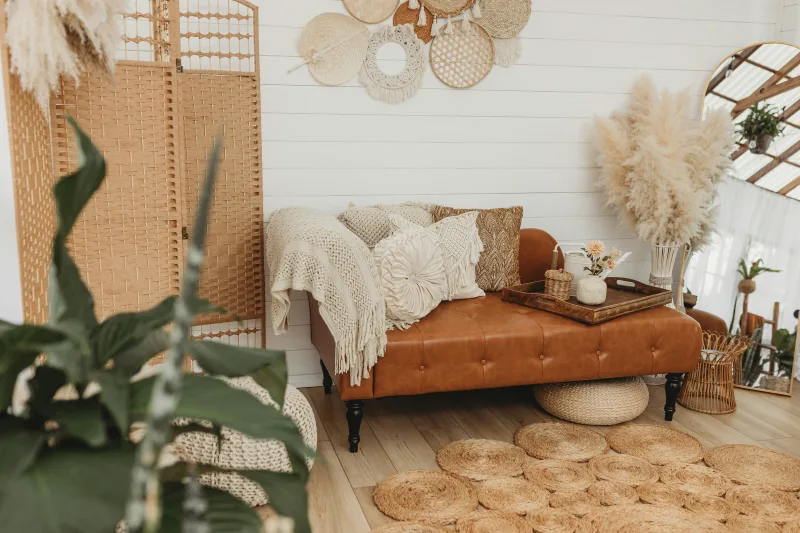 Budget Apartment Renovation: DIY Hacks That Actually Work
Traditional decor is a considered investment, not an impulse category. According to a 2024 Opendoor report cited by Grand View Research, the average American spends $1,598 specifically on home décor annually — a meaningful budget, though fully outfitting a traditional living room with quality pieces typically requires $8,000–$20,000 or more depending on the scale and sourcing approach.
The smarter strategy most designers recommend: prioritize anchor pieces (a quality sofa, a Persian-style area rug, solid wood case goods) and layer in accessories gradually through antique markets, estate sales, and artisan ceramics makers. Michael Gunther, VP of Research at Consumer Edge, noted in the Home & Garden Outlook 2026 that consumers are pausing on large discretionary purchases while continuing to invest in smaller décor upgrades — a pattern that suits the gradual, layered approach traditional decorating naturally rewards.
North America remains the world's most active market for this category: Grand View Research reports the region held a 36.7% share of global home decor revenue in 2024, and the U.S. market alone — valued at $141.27 billion — is on track to exceed $203 billion by 2033 according to Renub Research. Within that expanding market, traditional home decor's emphasis on quality, heritage, and permanence positions it as one of the most enduring — and enduringly relevant — design choices available.
"Timeless craftsmanship and nostalgia are making a comeback, with designers blending historical elements, vintage furnishings, and handcrafted details into modern spaces." — American Society of Interior Designers, 2025 Trends Outlook Report
Frequently Asked Questions
What are the key elements of traditional home decor style?
Traditional home decor is characterized by classic furniture with rich wood tones, symmetrical arrangements, and elegant details like crown molding and wainscoting. It incorporates warm, neutral color palettes with deep accents, layered textiles such as silk, velvet, and damask, and timeless patterns like florals and plaids. Decorative elements like antiques, framed artwork, and ornate lighting fixtures complete the look.
What colors work best in a traditional home decor style?
Traditional home decor favors warm, sophisticated color palettes including creamy whites, beiges, warm grays, and rich tones like burgundy, navy, forest green, and gold. These colors create an inviting, timeless atmosphere that pairs well with dark wood furniture and ornate accents. Walls are often painted in neutral shades to let furniture and textiles serve as the focal points of the room.
How do I mix traditional home decor with modern elements?
To blend traditional and modern styles, keep classic furniture pieces as anchors while introducing clean-lined, contemporary accents like sleek lighting fixtures or minimalist accessories. Stick to a cohesive color palette that bridges both styles, and opt for updated fabrics in traditional silhouettes to create a fresh yet timeless feel. The key is balance — let one style slightly dominate while the other adds subtle contrast.
What type of furniture is used in traditional home decor?
Traditional home decor features furniture with graceful curves, carved wood details, and rich finishes like mahogany, cherry, and walnut. Pieces such as Chesterfield sofas, wingback chairs, four-poster beds, and claw-foot tables are staples of this style. Upholstery typically includes luxurious fabrics like velvet, brocade, and damask in classic patterns such as stripes or florals.
What accessories and decorative items suit a traditional home decor style?
Traditional home decor is enhanced by accessories like gilded mirrors, crystal chandeliers, porcelain vases, and framed oil paintings or landscapes. Decorative accents such as candlesticks, antique clocks, and bookends add elegance and a sense of history to the space. Layering rugs, throw pillows, and draperies in rich textures and classic patterns helps create the warm, curated look that defines this style.
How do I make a small room look good with traditional home decor?
In a small room, opt for traditional furniture with slender legs and refined proportions to avoid visual heaviness, and use a light, warm neutral color on the walls to open up the space. Strategically placed mirrors with ornate frames will reflect light and create the illusion of depth while staying true to the traditional aesthetic. Choose a statement rug and limit accessories to a few carefully selected pieces to keep the room feeling elegant rather than cluttered.
Sources
- Grand View Research (2024) — www.grandviewresearch.com
- Renub Research (2024) — www.renub.com
- Grand View Research (2024) — www.grandviewresearch.com
- 1stDibs Designer Trends Survey (conducted by Surveys & Forecasts, LLC) (2025) — www.1stdibs.com
- 2025 Gift Book Consumer Survey (via Gifts & Decorative Accessories) (2025) — www.giftsanddec.com
- Opendoor (cited by Grand View Research) (2024) — www.grandviewresearch.com
- Business Research Insights (cited by Artsy) (2024) — www.artsy.net
- Laura Lubin, Principal, Ellerslie Interiors — via New York Design Center 2025 Interior Trends Survey (reported by Artsy) — www.artsy.net
- American Society of Interior Designers (ASID), 2025 Trends Outlook Report (reported by Gifts & Decorative Accessories) — www.giftsanddec.com
- Michael Gunther, VP Research & Market Intelligence, Consumer Edge — Home & Garden Outlook 2026 — www.prnewswire.com