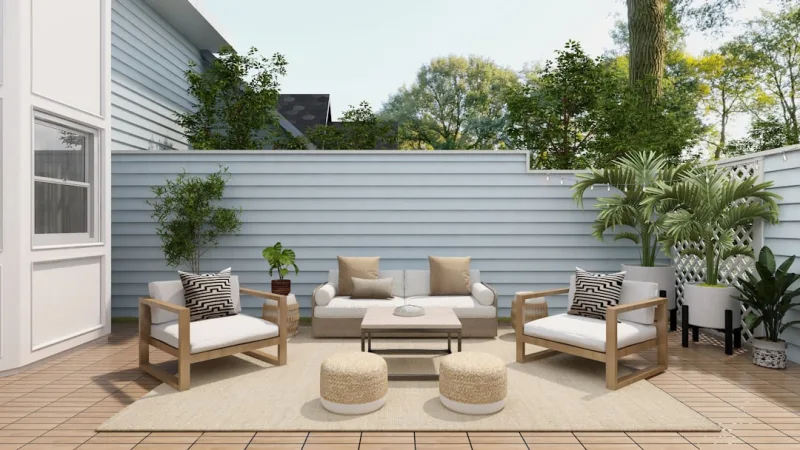
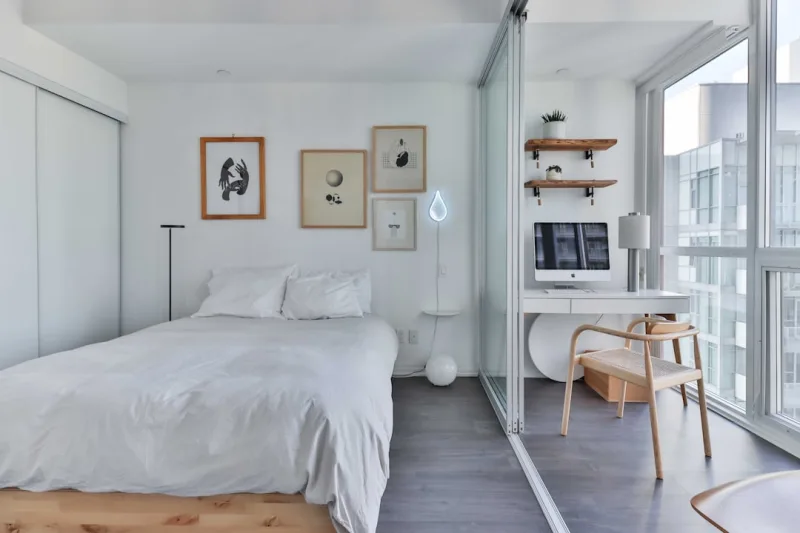
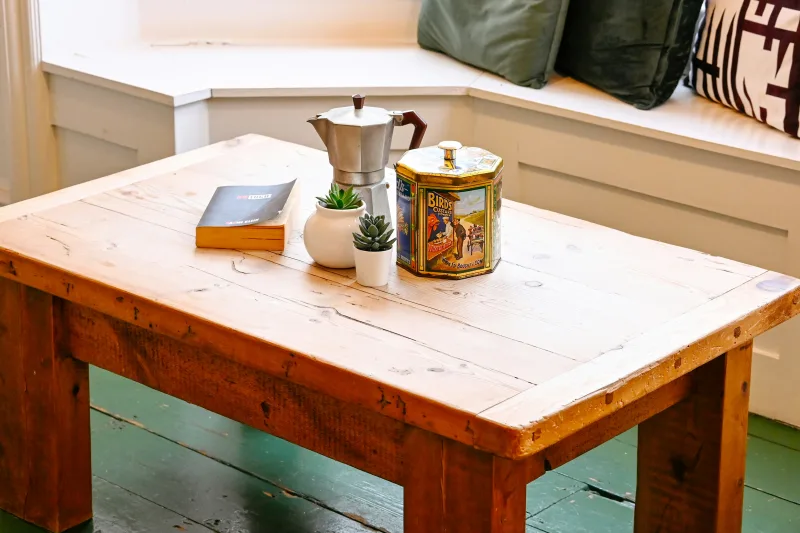
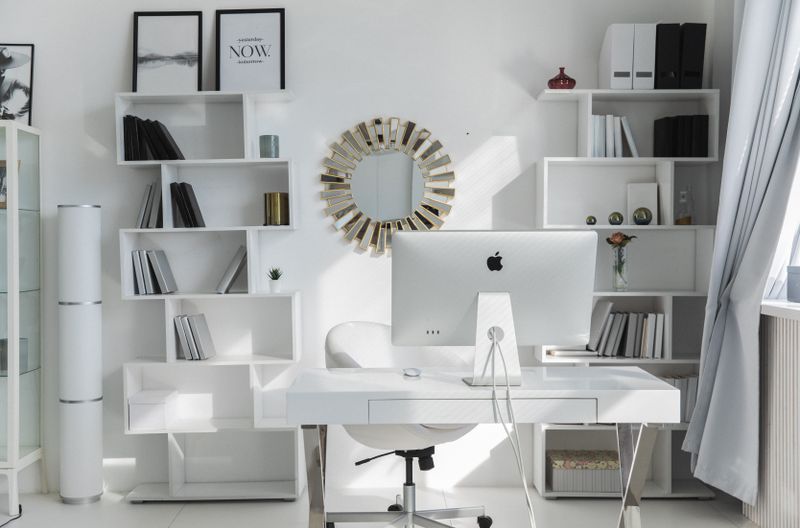
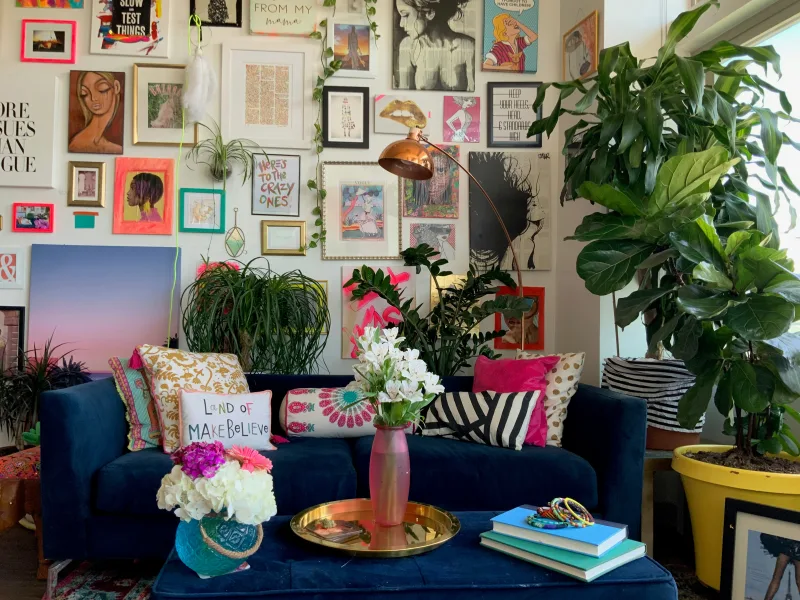
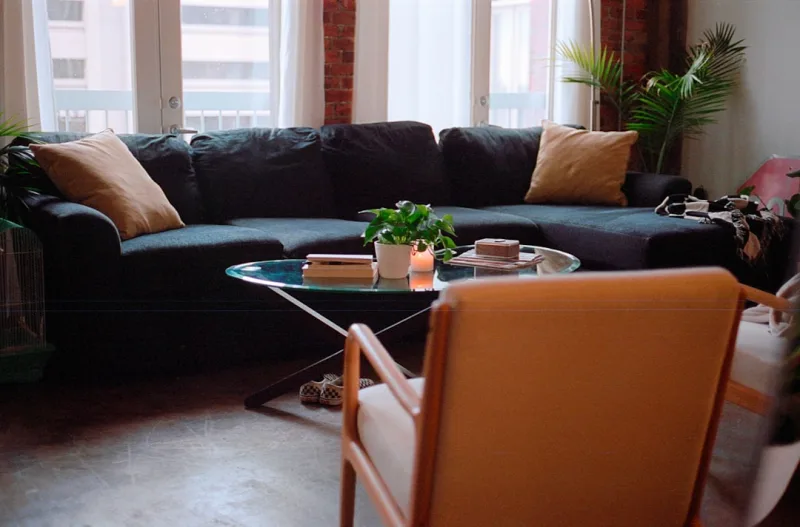
Economy home decor focuses on stylish, budget-friendly ways to beautify your home using affordable materials, thrift finds, and DIY projects. With 45 creative ideas, you can achieve a beautiful living space without spending a fortune.
💡 How to use this guide: every idea below includes a realistic difficulty rating, time and cost estimate, and a hands-on tip. Costs are approximate and current as of July 2026. Start with a Beginner idea and work up.
Economy Decor Foundations
1. What 'Economy Home Decor' Actually Means in 2026
Build a curated look without the designer price tag or disposable feel

Economy home decor in 2026 means intentional, thoughtfully curated spaces that prioritize quality over quantity and timeless aesthetics over trend-chasing. It's the deliberate rejection of fast furniture and disposable design in favor of pieces that actually age well—whether thrifted, budget-friendly, or splurge-worthy investments in key items. The result looks considered and personal, never cheap or sparse, because the focus shifts from how much was spent to how intentionally each piece was chosen.
Start by defining your actual style and needs rather than impulse-buying whatever's on sale. Invest modestly in foundational pieces (a good sofa, bed frame, or dining table) that you'll live with for years, then surround them with affordable accents from thrift stores, sales, or smaller indie retailers. The economy isn't about the lowest price; it's about cost-per-wear and lasting appeal. Mix vintage finds with new budget basics, choose neutral backbones with pops of affordable color, and measure twice before buying anything.
2. Setting a Room-by-Room Decorating Budget
Allocate decor spending strategically across rooms for maximum impact, under $2,000

Strategic room-by-room budgeting transforms how renters and homeowners approach decorating without waste or buyer's remorse. Rather than impulse-spending equally everywhere, allocate funds where they matter most: high-traffic spaces like living rooms and kitchens deserve 40-50% of your decor budget, bedrooms take 20-25%, bathrooms 10-15%, and entryways 10-15%. This approach ensures visible, frequently-used zones shine while secondary spaces stay tasteful but understated. The result feels intentional and designed, not randomly furnished.
Start by auditing what you already own, then map spending priorities based on how much time you spend in each room. A $1,500 total budget might look like: living room $600, master bedroom $300, kitchen $250, guest bedroom $150, bathrooms $100, entryways $100. Shop secondhand for statement pieces in priority rooms—thrifted credenzas and vintage mirrors carry disproportionate design weight. Reserve new purchases for basics like bedding and lighting where quality matters most.
3. The 80/20 Rule for Budget Decorating
Maximize visual impact by focusing 80% effort on high-impact focal elements

The 80/20 rule flips typical decorating on its head: instead of spreading effort across an entire room, concentrate resources on three high-impact elements that command attention. A bold accent wall, statement lighting fixture, and layered textiles (a quality area rug, throw pillows, curtains) create disproportionate visual transformation. These three anchors ground the space and make everything else feel intentional, even if the remaining 80% of the room stays relatively simple or unchanged.
Start by identifying your room's natural focal point—the wall you see first, or where seating faces. Paint it in a rich color or wallpaper pattern, then layer in one elevated lighting piece (a sculptural pendant or brass chandelier changes everything). Finally, invest in textures: a plush rug defines zones while throw pillows and curtains add color without commitment. These three moves cost $50-$150 and deliver restaurant-quality polish. Everything else—artwork, accessories, furniture arrangement—supports rather than drives the design.
4. Common Economy Decor Mistakes to Avoid
Skip these budget-wasting habits and stretch your decor dollars further

Economy decorating fails when enthusiasm outpaces strategy. Impulse buying small accents—throw pillows, candles, trinkets—creates visual clutter while draining wallets faster than intentional purchases. Ignoring scale makes rooms feel chaotic; a too-small rug under an oversized sofa wastes money without delivering impact. Chasing trends ensures yesterday's statement piece becomes tomorrow's landfill donation, forcing constant replacement cycles that shred budgets.
The smarter approach prioritizes investment pieces in neutral tones that anchor a room for years. Before shopping, measure everything and commit to a three-year vision rather than seasonal whims. Buy statement items secondhand or during sales, then fill gaps with affordable basics from Target or IKEA. This prevents the "expensive pile of cheap stuff" trap—saving money happens through restraint, not volume.
Smart Shopping Strategies
5. Thrift Stores and Secondhand Shops: What to Buy and What to Skip
Score designer frames and solid wood furniture, skip soft goods for hygiene peace

Thrift stores are treasure troves for hardscape decor: wooden frames, ceramic vases, solid furniture pieces, and vintage mirrors deliver outsized style on pennies. These items age beautifully and often feature craftsmanship unavailable at big-box prices. The key is targeting items with hard, non-porous surfaces that sanitize easily—frames can be refinished, wood furniture gains character, and glass or ceramic pieces simply need a good wash. Skip soft goods like upholstered chairs, pillows, and mattresses unless you're confident in their cleanliness, plus avoid anything with mysterious stains or musty odors that won't wash away.
Approach thrift shopping strategically by visiting regularly and learning your store's layout and restocking days. Inspect furniture for structural integrity, test drawer slides, and check wood for bed bugs or active damage before purchasing. Budget tip: hit stores in wealthy neighborhoods where donations trend higher-quality. Another win: negotiate prices on larger pieces or ask about bulk discounts, and always factor in a small cleaning or refinishing budget—$10-$15 spent on wood conditioner or frame paint transforms a $5 find into a showstopper.
6. Facebook Marketplace and Online Resale Platforms
Score designer pieces for 50-70% off through strategic marketplace hunting

Facebook Marketplace and Craigslist offer an treasure-trove of secondhand decor at fraction of retail prices. The appeal goes beyond savings—you'll discover one-of-a-kind vintage pieces, quality furniture brands, and designer finds that would cost triple in stores. The key is patience and persistence; checking daily surfaces fresh listings before competition swoops in. Search by room type or specific pieces, set alerts, and expand your radius slightly for better selection.
Start by messaging multiple sellers simultaneously with questions about condition, dimensions, and lowest acceptable price. Always request detailed photos from different angles and verify pickup locations on Google Maps before committing. Negotiate respectfully—offer 10-20% below asking and expect counteroffers. Essential safety tip: meet in public, bring a friend, and use payment methods with buyer protection. Check seller ratings rigorously, and don't hesitate to walk away from deals that feel off.
7. Timing Seasonal Sales and Clearance Cycles
Slash decor costs 50-70% by shopping clearance cycles strategically

Retailers follow predictable clearance schedules tied to seasonal transitions and inventory turnover. January clears holiday décor at 60-75% off, February-March liquidates winter accents, summer furniture hits clearance in August, and fall décor vanishes by November. Understanding these cycles means strategic timing can yield designer-quality pieces for a fraction of the price. The key is knowing that most retailers discount to make shelf space for incoming inventory, not because items are inferior.
Map out your decor needs three months ahead and watch for clearance events at Target, Wayfair, and HomeGoods rather than buying at full price. Sign up for retailer newsletters and follow social media accounts to catch flash sales and markdown announcements early. Buy off-season items confidently—winter pillows purchased in March work year-round, and a beautiful console table is relevant regardless of when you find it at 60% off.
8. Affordable Retail Stores Worth Knowing
Smart shopping across five budget retailers, maximize bang for buck per category

Not all budget retailers excel at everything—knowing where to spend saves money fast. IKEA dominates modern furniture and storage systems; HomeGoods offers curated décor finds and textiles at clearance prices; Target delivers trend-forward accents and lighting; Amazon Basics provides no-frill essentials like frames and hardware; Dollar Tree stocks seasonal items, candles, and vases for impulse decorating. Shopping strategically by category rather than store loyalty means scoring better quality within tight budgets.
Start by auditing what your space actually needs, then cross-check each retailer's specialty. IKEA for structure, HomeGoods for statement pieces, Target for current-season colors, Amazon for reliable basics, and Dollar Tree for bulk decorative fillers. Pro move: visit HomeGoods and TJ Maxx in person—inventory rotates weekly, making treasure-hunting part of the savings. Set category budgets before shopping to avoid impulse buys that derail the overall plan.
9. Price-Per-Use Thinking for Decor Purchases
Calculate true decor value by dividing cost by years of use, not sticker price

Price-per-use thinking flips conventional budget decorating on its head. Instead of always choosing the cheapest option, evaluate cost divided by realistic years of use. A $40 solid wood side table used daily for 10 years costs $4 per year, while a $10 particle board version lasting two years costs $5 per year—making the expensive piece the actual bargain. This framework works especially well for anchoring pieces like sofas, dining tables, and quality wall art that anchor a room's entire aesthetic and longevity.
Start by honestly estimating how long you'll genuinely keep each piece. High-traffic items like entryway benches and coffee tables deserve higher upfront investment, while trendy accessories are better as budget buys. Research durability through reviews before purchasing, and always factor in potential replacement costs. Pro tip: splurge on structural pieces and construction quality (solid wood, reinforced joints), but save on finishes and fabrics you can refresh later.
10. Buying Vintage vs. Reproduction: When Each Makes Sense
Mix authentic vintage statements with budget-friendly reproductions for style and sustainability

Blending authentic vintage with smart reproductions creates a curated, layered aesthetic without the premium price tag. Genuine vintage shines as focal-point furniture and art—a mid-century credenza or ornate mirror anchors a room with irreplaceable character and usually appreciates over time. Reproductions excel for everyday functional pieces: side tables, throw pillows, and accessories that endure daily wear. This hybrid approach delivers visual depth and storytelling while keeping costs manageable.
Start by identifying your non-negotiables: which pieces deserve investment and will live in your space long-term? Hunt vintage through local estates, thrift stores, and online marketplaces for statement pieces, then fill supporting roles with quality reproductions from retailers offering classic silhouettes. Smart sourcing means checking reproduction construction closely—solid wood frames beat particle board—and understanding that newer vintage-inspired items often cost less than authentic pieces while suiting budget constraints perfectly.
DIY and Upcycling Projects
11. DIY Wall Art That Looks Store-Bought
Create gallery-worthy wall art for under $20 total in one afternoon

DIY wall art doesn't require painting skills or expensive materials. Framed fabric panels using scrap textiles, patterned paper, or thrifted linens mounted in budget frames create instant sophistication. Alternatively, stretch canvas over cardboard and apply acrylic paint in simple geometric patterns or color blocking—the imperfect edges read as intentional modern design. Gallery wall arrangements combining these pieces with existing prints and small shelves create curated, high-design impact that masks the budget-friendly approach.
Source materials from thrift stores, dollar sections, and clearance bins. A $3 canvas, $5 frame, and $2 in paint transforms into showroom-quality decor. Layer pieces at varying heights and spacing to build visual rhythm. Pro tip: matte finishes and neutral color palettes automatically elevate handmade work, making DIY less obvious and more designer-adjacent than glossy or bright options.
12. Upcycling Old Furniture with Paint and Hardware Swaps
Transform tired dressers into statement pieces with paint and new hardware in one weekend

A fresh coat of paint paired with updated hardware transforms dated furniture into designer-looking pieces that anchor a room. This approach works because it addresses both color and tactile details—two things that immediately signal quality and intention. A matte finish dresser with brushed brass or ceramic knobs reads far more expensive than its thrift-store origins, creating visual impact without requiring space or structural changes.
Start by cleaning the dresser thoroughly, then sand lightly to help paint adhere. Apply primer, then two coats of quality paint in your chosen color, working with the grain and allowing proper drying time between coats. Swap out existing hardware by unbolting old knobs and installing new ones—this 15-minute step delivers outsized visual change. Hunt for deals on hardware at HomeGoods or buy basic options online; many affordable pieces read as intentional when paired with a cohesive paint color.
13. Creative Textile Hacks: No-Sew Curtains and Pillow Covers
Transform thrift fabrics into polished curtains and pillows in one afternoon

No-sew curtains and pillow covers bypass expensive fabric stores by repurposing affordable materials like drop cloths, vintage bedsheets, and remnant bins. Drop cloths create surprisingly sophisticated linen-look drapes with natural texture and weight, while printed sheets become statement pillows that instantly refresh seating areas. The magic lies in fabric glue or iron-on hem tape, which creates finished edges without a needle, making this accessible to anyone avoiding sewing machines.
Start by measuring windows and furniture, then hunt thrift stores and discount retailers for oversized sheets and painter's drop cloths in neutral tones. Iron-on hem tape costs under five dollars and creates crisp, durable seams when pressed with a home iron—far cheaper than a tailor. Layer coordinating textures by mixing solid drop cloths with patterned sheet pillows, allowing budget constraints to drive creative combinations rather than limit them.
14. Repurposing Everyday Objects as Decor
Transform thrifted finds into styled storage that looks intentional and costs nothing

Repurposing everyday objects as decor merges function with undeniable charm—a wooden ladder becomes asymmetrical shelving, wooden crates stack into industrial-edge storage, and mismatched mason jars transform into soft-focus vase displays. This approach works because these pieces carry authentic character that mass-produced decor can't replicate, plus they solve real storage problems while looking curated rather than cluttered. The layered, lived-in aesthetic feels both budget-conscious and intentionally designed.
Start by scouting thrift stores, Facebook Marketplace, or your own basement for raw materials. Style ladder shelves with a mix of books, plants, and small decorative objects using the rule of three; stack crates against walls and anchor them for safety, then fill with rolled blankets and baskets; and cluster mason jars in varying heights filled with branches, string lights, or dried flowers. Budget-friendly wins include free pallets for crate bases, dollar-store paint for unified finishes, and foraged natural elements for filling vessels.
15. DIY Greenery: Propagating Plants from Cuttings
Free plants everywhere: propagate cuttings into a lush, layered home in weeks

Propagating plant cuttings transforms a single parent plant into dozens of new ones, filling shelves and corners with zero nursery cost. Rooting cuttings in water creates an instant decorative moment—glass vessels of stems become living table centerpieces while they develop roots. This approach delivers that abundant, jungle-like layering designers charge thousands for, using only scissors, water, and patience.
Start by snipping healthy 4-6 inch stems just below a leaf node, removing lower leaves so they won't sit in water. Place cuttings in clear glasses or jars filled with room-temperature water, positioned in indirect light. Change water weekly to prevent rot. Most plants root within 2-4 weeks; once roots reach half an inch, pot them into soil. Scout friends' plant collections for free cuttings, or ask local plant groups—most people happily share propagation materials.
16. Budget Gallery Wall Planning and Execution
Create museum-quality gallery walls for under $100 total

A gallery wall transforms blank space into a curated focal point without the gallery price tag. The magic lies in mixing thrifted frames, printable art, and strategic spacing to create visual impact. Galleries work because they layer different sizes and finishes—creating rhythm and movement that draws the eye. Cohesion comes from limiting your color palette to two to three tones, whether that's black-and-white photos, warm metallics, or muted pastels.
Start by mapping your layout on kraft paper taped to the wall, arranging frames before making a single hole. Source frames from thrift stores, dollar stores, and clearance sections—mismatched frames feel intentional when unified by paint color. Fill gaps with affordable printable art from Etsy ($1-3), create your own using free tools like Canva, or showcase meaningful photos printed at drugstore prices. Use a level religiously and painter's tape to mark nail positions; this prevents expensive mistakes and ensures professional results.
Room-by-Room Transformation Ideas
17. Living Room: Maximum Impact on Minimum Spend
Anchor, layer, rearrange: dramatic living room refresh under $100

A quality area rug instantly grounds a living room and makes it feel intentional, while a coordinating throw adds texture and coziness without breaking the bank. These two pieces create a cohesive foundation that makes even existing furniture feel curated. The magic happens when you rearrange seating to face each other rather than the TV—this conversation-focused layout feels fresh and inviting, transforming the entire spatial dynamic without spending a dime.
Start by shopping secondhand or discount retailers for a neutral rug in a size that anchors your seating area, then layer a throw in a complementary color or pattern. Before purchasing anything, spend an afternoon rearranging—pull furniture away from walls, angle pieces toward a focal point, and notice how the room breathes differently. Budget tip: thrift stores and online marketplaces often have quality rugs for $20-$50, and a good throw runs $15-$30 when you skip designer brands.
18. Bedroom Makeover: Layered Bedding and Soft Lighting
Luxury hotel bedroom aesthetic for under $150, one weekend refresh

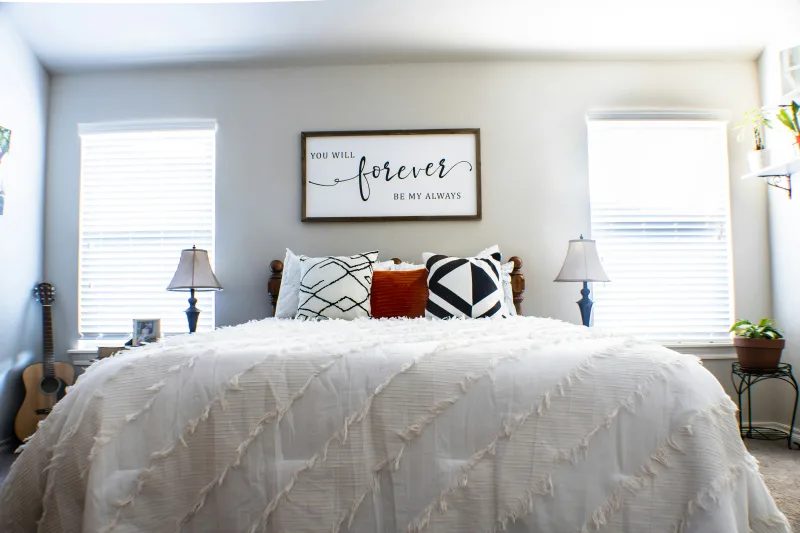
Layered bedding creates visual depth and tactile luxury without breaking the bank. Start with a quality cotton sheet set as your base, then add a lightweight quilt or coverlet in a complementary neutral tone, and finish with a linen throw blanket casually draped across the foot. This creates the polished, intentional look of high-end hotels while keeping costs manageable by mixing price points strategically.
Pair your layered bed with warm-toned bulbs—aim for 2700K color temperature—in existing fixtures or affordable table lamps positioned on nightstands. Shop discount retailers like HomeGoods, TJ Maxx, or Wayfair's clearance section for quality bedding basics. Thrift stores often carry beautiful quilts and throws for $5-$20. The key is choosing a neutral color palette so pieces work together seamlessly regardless of where you source them.
19. Kitchen Refresh Without Renovation
Transform your kitchen for under $200 in one weekend without construction

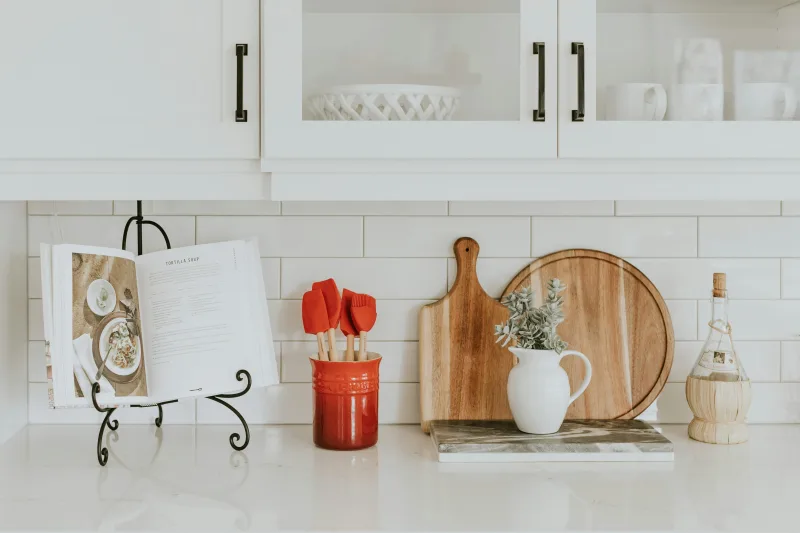
A kitchen refresh starts with three high-impact, zero-commitment changes that deliver maximum visual punch. Peel-and-stick backsplash tiles instantly modernize the wall behind the stove, creating a focal point that anchors the entire space. Pair this with open shelving styled with matching dishware, glassware, and greenery to draw the eye upward and create perceived spaciousness. Finally, swapping cabinet hardware from dated knobs to sleek pulls or contemporary handles gives cabinetry a completely refreshed feel without touching the boxes themselves.
Start with the backsplash since it's most visible and takes just an hour to apply. Measure twice, clean thoroughly with rubbing alcohol, and work in small sections to avoid bubbles. For open shelves, remove half your items and group by color or style for gallery-like impact. Hardware is the easiest win: visit hardware stores to test finishes against your cabinet color first. Budget-conscious approach: source peel-and-stick tile from big-box retailers rather than specialty stores, refresh existing dishes with a paint-safe spray sealer, and choose basic hardware in bulk for the best per-piece pricing.
20. Bathroom Upgrade for Under $50
Transform a basic bathroom into a spa-like retreat for under $50

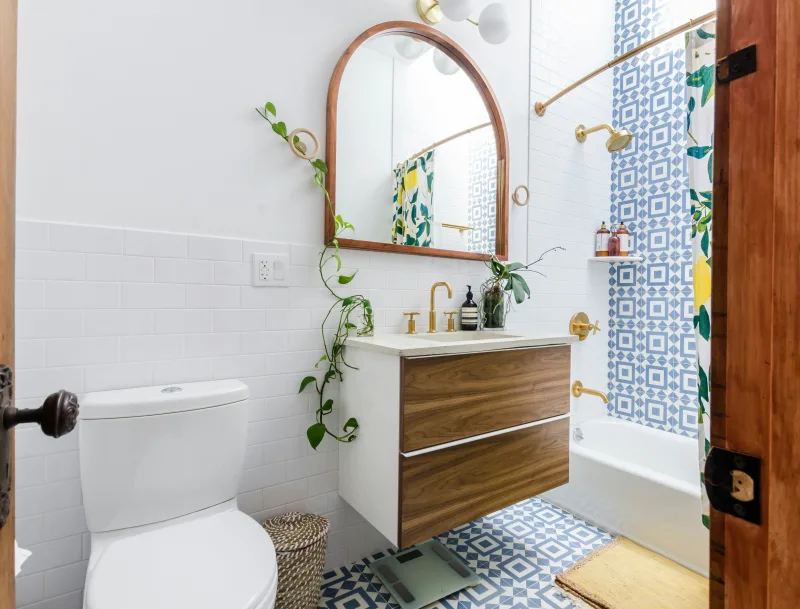
A modest bathroom becomes instantly luxe when layered with intentional accessories. Fresh, plush towels in a cohesive color anchor the space while a framed mirror (thrifted or budget-friendly) adds dimension and reflects light. Unscented or lightly fragranced candles introduce warmth and ritual, and a low-maintenance plant like pothos or snake plant brings life without demanding attention. Together, these four elements create a spa-like sanctuary that feels curated rather than overlooked.
Start by choosing a color palette—whites and soft neutrals pair everything effortlessly. Score towels at TJ Maxx or Target's basics line ($10-15), hunt thrifted frames at Goodwill ($3-8), grab budget candles from the dollar store or Amazon ($5-10), and choose a small potted plant from a grocery store or local nursery ($8-15). The key is restraint: these few pieces feel more impactful than a cluttered countertop.
21. Home Office on a Budget
Polished home office setup under $200, complete in one weekend

A budget home office combines a clean desk, layered lighting, and minimal decor to create a professional workspace that photographs well and keeps distractions low. The key is choosing neutrals (white, gray, natural wood) and letting negative space do the heavy lifting. Thrifted or flat-pack desks paired with a focused desk lamp and one gallery wall create a curated impression without clutter or expense.
Start with a functional desk—thrift stores and Facebook Marketplace offer solid wooden tables for $30–$80, or IKEA basics work equally well. Add a warm desk lamp ($15–$40) and invest in one good office chair if your back will suffer otherwise. Fill remaining budget on essentials: floating shelves ($20–$60), a small plant, white storage boxes, and 3–4 framed prints. The restraint itself reads as intentional design.
22. Entryway First Impressions for Less
Transform your entry in three budget moves, under $150 and one afternoon

A welcoming entryway doesn't require a designer console table. Swap it for a narrow floating shelf, vintage side table from a thrift store, or even a repurposed dresser turned sideways. Pair this with a large mirror to amplify light and create depth, then anchor the space with a statement hook rack—think geometric metal, reclaimed wood, or colorful wall-mounted design. This trio transforms a blank wall into a curated, functional first impression that guests notice immediately.
Start by measuring your wall space and shopping secondhand first: thrift stores and Facebook Marketplace yield console alternatives for $15-$40. A basic mirror runs $20-$50 from big-box retailers, while statement hooks add personality for $25-$60. Lean a mirror against the wall temporarily to test placement before committing to hardware. The key is choosing pieces that reflect your style—mixing finishes and eras actually strengthens the budget-conscious look.
Design Techniques That Cost Nothing (or Nearly Nothing)
23. Using Mirrors Strategically to Create Space and Light
Double your room's brightness and perceived size for under $40

Strategic mirror placement is the ultimate budget hack for making cramped spaces feel expansive and luminous. Positioning mirrors opposite windows bounces natural light throughout the room, while placing them across from focal points (artwork, furniture) creates depth and visual interest. The reflection trick works because it literally doubles what the eye perceives, making a shoebox bedroom feel like a loft without renovation costs.
Start by identifying your strongest light source, then place a mirror directly across from it for maximum brightness amplification. Lean larger mirrors against walls rather than hanging them for flexibility and lower commitment. Budget-friendly options include thrifted frames from estate sales, frameless adhesive mirrors from big-box stores, or even leaning an old window frame with mirror backing against a wall. The key is odd numbers and varied heights to avoid a sterile hall-of-mirrors effect.
24. Furniture Rearrangement as a Free Room Refresh
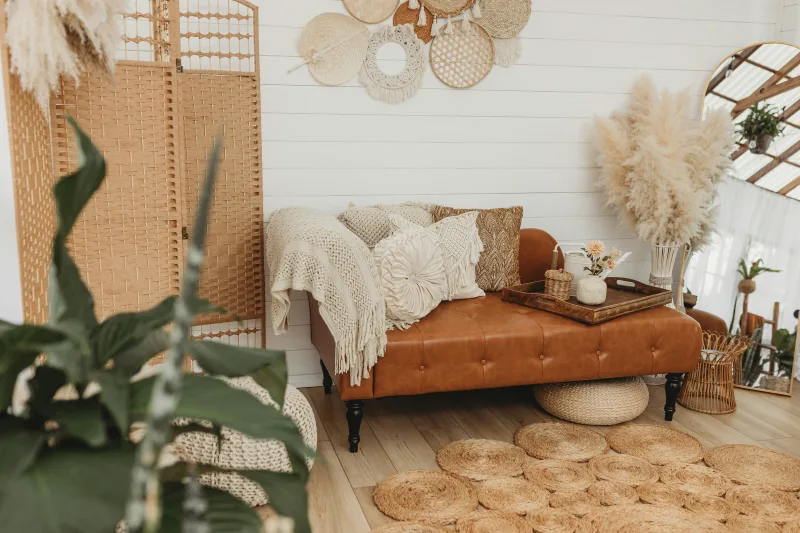 Budget Apartment Renovation: DIY Hacks That Actually Work
Transform any room instantly by shifting furniture—zero dollars, maximum impact

Rearranging furniture costs nothing but delivers dramatic results by reactivating how light, traffic, and sight lines flow through a space. Moving a sofa away from the wall creates intimacy and defines a conversation zone. Rotating pieces to face a window or architectural feature (fireplace, built-in shelving) naturally establishes focal points that draw the eye and anchor the room psychologically. This simple shift makes spaces feel intentional, balanced, and fresh—proof that layout matters more than new purchases.
Start by identifying your room's strongest feature: natural light, a view, or architectural detail. Position your largest piece (bed, sofa) to face or frame it. Clear pathways so traffic flows naturally around furniture rather than zigzagging through it. Test arrangements with quick smartphone photos from the doorway—perspective reveals balance your in-person eye misses. This free reset works especially well in rental spaces where permanent changes aren't options, making it the ultimate budget-conscious refresh.
25. Neutral Color Palettes with Strategic Color Pops
Build timeless rooms that transform seasonally with swappable colorful accents

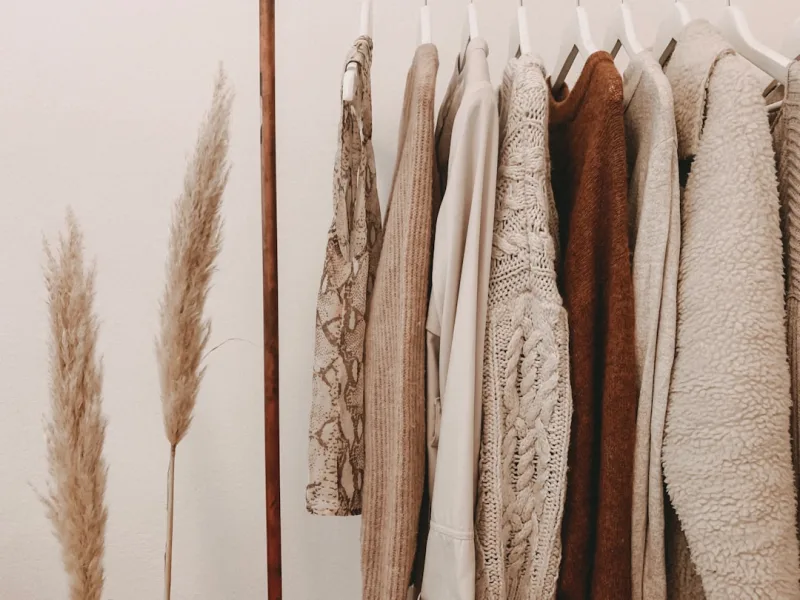
A neutral foundation of warm beiges, soft grays, or creamy whites creates a sophisticated backdrop that never goes out of style or demands replacement. This approach lets affordable accessories do the heavy lifting—throw pillows, artwork, plants, and textiles become the storytellers that shift your space from cozy autumn to fresh spring without touching permanent fixtures. The strategy works because neutrals make every color pop while keeping costs low, and swappable pieces mean you're investing in versatility rather than reinvention.
Start by anchoring walls, larger furniture, and flooring in one neutral tone, then build a rotating collection of budget-friendly color carriers like pillows, blankets, and wall art from thrift stores or discount retailers. Seasonal color swaps prevent decor fatigue while letting one affordable base furniture piece serve multiple design moods. Keep a simple spreadsheet of what colors work together and rotate strategically—this prevents decision paralysis and maximizes your small accessory budget's impact.
26. Decluttering as the First Step in Decorating
Remove clutter first, transform your space instantly for zero dollars

Decluttering is the ultimate decorating hack because it costs nothing and immediately reveals your room's true bones. Removing excess items—whether papers, duplicate kitchenware, or forgotten knickknacks—creates visual breathing room that makes spaces feel larger, calmer, and somehow more intentional. A clear surface reflects light better, furniture becomes a focal point instead of a backdrop, and you suddenly notice architectural details buried under stuff. This foundational step is where every well-designed home begins.
Start by setting a timer and tackling one shelf, drawer, or corner at a time rather than attempting the whole room. Use the honest question method: would you buy this item today? Donate, sell, or discard anything that doesn't serve you or spark joy. The payoff arrives immediately—those three cleared shelves now have room for one meaningful plant or a styled stack of books, and that newly visible wall color becomes part of your design story without spending a single dollar.
27. Styling Shelves and Surfaces Like a Pro
Create designer shelf displays in 30 minutes using affordable finds
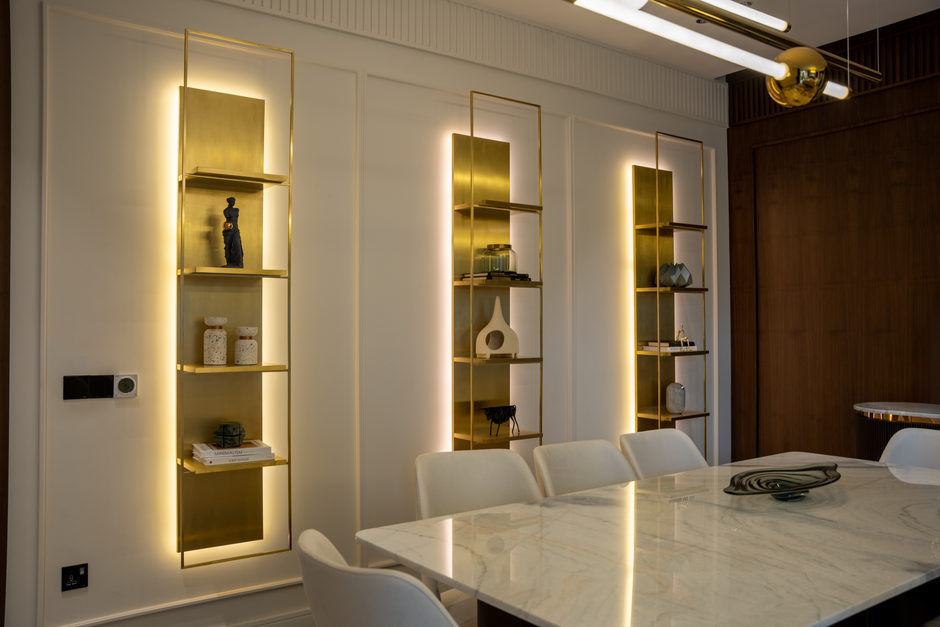
The rule of three transforms cluttered surfaces into intentional, gallery-like displays. Group objects in odd numbers—a ceramic vessel, a paperback, and a potted plant—then vary their heights by using books as risers or stacking items strategically. This creates visual rhythm and prevents the flat, uniform look that wastes shelf real estate. Mixing textures (matte, glossy, woven, metal) adds sophistication without spending money; rotate items already scattered throughout your home.
Start by removing everything, then thoughtfully return only what serves the display or function. Thrift stores and dollar sections offer affordable vessels and frames that anchor vignettes. Pro budget tip: use stacked books under cloth to create invisible height variations, or repurpose kitchen items as styling props. The key is negative space—leave breathing room between groups so each cluster feels intentional rather than crammed.
Renter-Specific Economy Decor Solutions
28. Peel-and-Stick Wallpaper: Patterns, Application, and Removal Tips
Transform any room with removable pattern in under 4 hours, zero damage guaranteed

Peel-and-stick wallpaper delivers high-impact pattern without the permanence or expense of traditional wallpaper. These self-adhesive sheets create an instant focal point—think geometric prints, botanical designs, or jewel tones—while maintaining the flexibility renters crave. Quality brands like Spoonflower, Removable Wallpaper Company, and Chasing Paper offer durable, repositionable adhesive that sticks firmly yet releases cleanly from most surfaces, making this the budget decorator's secret weapon for statement-making walls that won't sacrifice your security deposit.
Success hinges on wall prep: clean surfaces thoroughly with a magic eraser, measure twice, and apply strips vertically using a squeegee to push out bubbles as you go. Start from the center of the wall and work outward. Budget tip: buy peel-and-stick from Amazon or Wayfair during sales for 20-30% off. If removal time arrives, simply peel slowly at a 45-degree angle—rushing causes tears. Test a corner first on sensitive paint finishes.
29. Command Hooks and Damage-Free Hanging Systems
Transform walls instantly with invisible hanging—zero damage, maximum flexibility

Command hooks and adhesive strips offer renters and frequent movers a game-changing alternative to drilling. These damage-free systems hold surprisingly well—from lightweight artwork to 16-pound shelves—and create a polished look without permanent commitment. The magic lies in their flexibility: repositioning is straightforward, and removal leaves walls pristine. They work best on clean, smooth surfaces and enable creative layering of gallery walls, floating shelves, and organizational systems that feel intentional rather than temporary.
Success depends on surface prep and strategic placement. Clean walls with rubbing alcohol before hanging, wait the full cure time (usually 24 hours), and distribute weight evenly across multiple hooks rather than loading one. Choose hook styles that match your aesthetic—matte black, brushed nickel, or clear options blend seamlessly. Budget-conscious decorators can find variety packs at dollar stores and discount retailers; splurge on heavy-duty strips only for shelving, keeping lighter hooks for textiles and frames.
30. Removable Rugs for Concealing Ugly Flooring
Hide worn floors instantly with layered rugs, no permanent damage needed

Layered rugs transform problem floors into intentional design moments while keeping damage deposits intact. Start with a large neutral base rug to anchor the room, then top it with a smaller patterned or textured piece for visual interest and dimension. This approach works because it draws the eye upward while concealing stains, scratches, or mismatched tiles beneath—plus you can easily swap pieces when refresh cravings hit.
Measure your room's dimensions first, then choose a base rug that covers at least 50 percent of the floor space, leaving 12-18 inches of flooring visible around edges. Layer a second rug on top, offsetting it slightly for movement. Anchor both with non-slip rug pads underneath to prevent bunching and tripping hazards. Budget-friendly sourcing: check thrift stores and Facebook Marketplace for quality used rugs, or hunt discount chains during seasonal sales for affordable base layers.
31. Temporary Window Treatments That Look Permanent
Stylish renter-friendly curtains in under an hour, zero damage deposit risk

Tension rods and clip-on curtain rings transform windows without drilling holes or leaving marks, making them perfect for renters who want designer-quality window dressing. These no-drill solutions hang fabric panels that soften light and add color instantly, creating polished rooms that feel intentionally styled rather than bare. The key is choosing substantial fabrics and rods that match your wall color for a built-in appearance.
Start by measuring windows carefully and selecting tension rods that extend slightly beyond the frame for visual width. Pair them with affordable linen or cotton panels from big-box retailers, then clip them on using adhesive hook systems rated for fabric weight if you prefer zero permanent marks. Budget-savvy decorators find quality panels at discount stores and thrift shops, then pair them with affordable tension hardware for a high-end look that leaves no trace.
32. Furniture That Moves With You: Modular and Lightweight Picks
Mix-and-match furniture that adapts to any space, any time

Modular and lightweight furniture solves the renter's dilemma: creating a cohesive home without committing to pieces that won't fit the next place. Think sectionals with detachable arms, nesting tables that expand or shrink, and stackable storage units that reconfigure on demand. These pieces work harder across different layouts, making them smarter long-term investments than stationary statement furniture. The aesthetic feels curated rather than temporary, and flexibility means you're not trapped by square footage or awkward corners.
Start by measuring your current space and identifying multipurpose anchors: a modular sofa, expandable dining table, or wall-mounted shelving that moves easily. Look to budget retailers like Article, Wayfair, and IKEA for pieces designed with rental life in mind. Stack savings by choosing neutral finishes and frames now, then switch cushion covers and hardware later as tastes evolve.
33. Renter's Decor Rights: What You Can and Cannot Change
Transform rental spaces legally with permission-based upgrades under $100

Most leases prohibit permanent wall changes, but many landlords allow removable solutions that respect security deposits. Adhesive shelving, removable wallpaper, and lightweight wall hangings create impact without paint or holes. Understanding your lease's specific language around "alterations" versus "improvements" unlocks budget-friendly styling—many landlords approve damage-free options like command strips, magnetic paint over rental-friendly backdrops, and tension rods that leave zero trace.
Start by requesting written permission for any modification, even minor ones. This protects you and documents approval. Invest in removable alternatives: peel-and-stick shiplap ($30-50), adhesive backsplash tiles ($20-40), and heavy-duty damage-free hooks ($15-25) transform spaces without breaking lease terms or your budget. Keep all original hardware and finishes for move-out to ensure full deposit recovery.
Lighting and Ambiance on a Budget
34. Swapping Bulb Color Temperature for an Instant Mood Change
Transform any room's mood in minutes with smarter bulbs, under $10 total

Swapping out standard bulbs for warm (2700K) or cool (5000K) color temperatures is the cheapest way to completely reframe a room's atmosphere without moving furniture or repainting. Warm light creates cozy, intimate spaces perfect for bedrooms and living rooms, while cooler blue-toned light boosts focus and energy in kitchens and home offices. A single bulb costs $2–$5, making this the most budget-friendly decor hack available.
Start by identifying which rooms need energy (swap to 5000K) versus relaxation (2700K), then buy accordingly. Most spaces benefit from having both options on hand—bedside lamps get warm bulbs for wind-down hours, while desk areas get cool ones for productivity. Check your fixture's wattage compatibility before purchasing, and look for LED bulbs at big-box retailers where prices cluster around $2–$3 per bulb.
35. Affordable Layered Lighting: Ambient, Task, and Accent
Three-layer lighting setup transforms dim spaces into designer rooms, under $100

Layered lighting creates depth and mood by combining three distinct light sources: ambient (overall brightness), task (focused work areas), and accent (highlighting features). This designer trick banishes flat, harsh overhead-light exhaustion and makes budget rooms feel intentional and curated. A simple floor lamp handles ambient duty, a clip-on spot or desk lamp tackles task lighting, and string lights or a second floor lamp become accent magic that anchors the room's personality.
Start with one affordable floor lamp ($25–40) as your base, then add a clip light ($15–25) clamped to shelving or a headboard. String lights ($10–20) draped along a wall or above a bookcase complete the setup. The genius of this approach: each layer is independently dimmable or switchable, letting you adjust mood instantly. Thrift existing lamps first, hunt sales at Target or Wayfair, and skip designer brands entirely—function matters infinitely more than the label.
36. Candles and Diffusers as Budget Ambiance Boosters
Layer scent strategically to transform any room under $40 instantly

Scent is the forgotten design element that instantly elevates a space without touching walls or furniture. Strategic candle and diffuser placement creates invisible warmth, making rooms feel intentional and lived-in. A signature scent anchors your decor narrative—woodsy for organic minimalism, citrus for energized spaces, vanilla for cozy retreats. The beauty is that quality fragrance doesn't require investment; budget-friendly options from brands like Walmart, Target, and Trader Joe's deliver luxury vibes at honest prices.
Start by anchoring one room with a single strong scent rather than competing fragrances throughout. Group three candles of varying heights on a bookshelf or coffee table for visual impact, then add a reed diffuser in a secondary space. Swap seasonal scents quarterly to refresh your narrative without spending much. Hunt clearance sections post-holidays and buy unscented candles to layer with affordable essential oils for custom blends.
37. DIY Lampshade Makeovers
Transform tired lamps with fabric or trim in under an hour, $10–$25 per shade

A dated lampshade is an invisible anchor dragging down an otherwise styled room—but it's also the easiest fix. Wrapping a shade in linen, cotton, or patterned fabric instantly modernizes the fixture and costs far less than replacement. Alternatively, hot-gluing trim like pom-pom edging, ribbon, or fringe around the rim adds texture and personality. The beauty here is that lampshades are forgiving canvases; even imperfect application reads as intentional when the design is bold enough.
Start by measuring your shade's circumference and height, then source fabric from thrift-store curtains, bed sheets, or budget retailers. Spray adhesive or fabric glue works best for wrapping; apply in sections to avoid bubbles. For trim, hot glue is fastest, but tacky glue works too and gives you repositioning time. Check thrift stores and discount bins for vintage trims that cost pennies—the hunt is half the fun.
Sustainable and Eco-Friendly Budget Decor
38. Why Eco-Friendly and Economy Decor Overlap Naturally
Thrifted finds, living plants, natural materials—beautiful rooms cost less

The most affordable decor is also the most sustainable. Secondhand pieces from thrift stores, estate sales, and online marketplaces cost a fraction of retail while keeping furniture out of landfills. Layer in potted plants—trailing pothos, snake plants, or fiddle leaf figs—which cost $10-25 but instantly enliven spaces and purify air. Natural materials like wood, linen, and clay create warmth without premium price tags, especially when sourced from budget retailers or vintage shops.
Start by scoping local thrift stores and Facebook Marketplace for statement furniture or shelving, then anchor rooms with 3-5 affordable plants positioned at varying heights. Swap out one synthetic element for a natural alternative monthly—linen curtains instead of polyester, wooden side table instead of particle board. This phased approach spreads costs while building a genuinely curated, livable home that feels intentional rather than budget-conscious.
39. Natural Material Accents: Jute, Rattan, and Linen on a Budget
Layer natural fibers for organic warmth under $100 total

Natural fiber accents—jute rugs, rattan baskets, and linen pillows—instantly ground a room with tactile warmth and an effortlessly curated aesthetic. These materials work because they're inherently forgiving; their imperfect weaves and neutral tones create visual interest without demanding perfection. The look reads intentional and sophisticated, yet costs far less than statement pieces.
Start with one anchor piece like a jute area rug from budget retailers (Target, Wayfair, Amazon), then layer in thrifted rattan or woven baskets from secondhand shops. Swap out throw pillows with linen covers from fast-fashion retailers—they're remarkably affordable and instantly elevate seating. Mix heights and weave patterns for depth; pair a chunky jute basket with a tightly woven rattan one for visual rhythm.
40. Low-Maintenance Indoor Plants That Add Life for Little Cost
Transform bare corners with thriving greenery, zero green thumb required, under $50

Pothos, snake plants, and succulents deliver that lush, intentional look without demanding daily attention or breaking the budget. These three workhorses thrive on neglect, tolerating irregular watering and low light—perfect for real life. They instantly soften hard edges, purify air, and create visual interest on shelves, desks, or hanging from walls. The psychological lift of living greenery costs surprisingly little and requires almost no skill to maintain.
Start by scoring small specimens at grocery store floral sections or big-box retailers where prices undercut specialty nurseries by half. Better yet, propagate from friends' plants—pothos stems root in water within weeks, and succulents multiply from single leaves. Pair budget-friendly terracotta pots from craft stores with free soil collected from garden centers' sample bins, or invest in one quality bag to refresh multiple containers. Group plants by watering needs to simplify care routines.
41. Choosing Timeless Over Trendy to Reduce Waste and Spend
Build a lasting aesthetic by investing in classics, replacing less often

Timeless decor relies on neutral palettes, simple silhouettes, and quality materials that transcend seasonal trends. A natural linen sofa, white shiplap walls, or a brass floor lamp remain relevant year after year, creating visual harmony as you gradually build your space. This approach eliminates the costly cycle of replacing trendy pieces every season and builds genuine cohesion rather than a scattered, dated look.
Start by auditing what you already own and identifying which pieces feel current five years later. Invest in foundational items like neutral upholstery, solid wood furniture, and classic hardware before adding personality through affordable, swap-friendly layers like throw pillows and artwork. Shopping secondhand for basics stretches budgets further while reducing waste—thrift stores overflow with timeless wooden frames, ceramic vessels, and simple rugs that cost a fraction of retail.
Maintenance, Longevity, and Avoiding Buyer's Remorse
42. How to Care for Budget Furniture to Make It Last
Protect budget furniture with simple maintenance, double its lifespan for less

Budget furniture deserves respect, and simple preventative care transforms disposable-feeling pieces into lasting investments. Regular cleaning removes dust and grime that accelerate wear, while strategic touch-ups—matching paint pens or stain markers—instantly refresh worn edges and scratches before they spread. A clear matte or satin protective coat (polyurethane or polycrylic) seals wood and laminate surfaces, creating a barrier against spills, heat marks, and daily handling that eventually compromise cheap finishes.
Start with a weekly wipe-down using appropriate cleaners for your material type: wood soap for timber, microfiber cloths for upholstery, and mild detergent for laminate. Keep a color-matched paint pen on hand for immediate spot fixes—catching damage early prevents compound deterioration. Invest in felt pads under furniture legs to prevent floor scratches and reduce friction wear, and apply protective coatings annually on high-traffic pieces like coffee tables and dressers.
43. Knowing When to Splurge vs. Save
Invest in anchors, save on accents—spend smart, decorate better

The smartest decorating strategy separates pieces into two categories: foundation items that anchor a room's comfort and longevity, and accent pieces that inject personality without commitment. Sofas, mattresses, quality rugs, and solid wood furniture deserve investment because they're touched daily, last years, and set your room's tone. These anchor pieces justify higher price tags—they'll outlive trend cycles and actually improve with time. Accents like throw pillows, wall art, seasonal decor, and trendy accessories thrive at budget retailers because they rotate seasonally and won't break the bank when tastes shift.
Start by listing furniture you own or plan to buy, then categorize each piece honestly: Will you use it daily for five-plus years? Splurge. Is it seasonal, trendy, or easily swapped? Save there. The 80/20 rule works beautifully—invest 80 percent of your budget in timeless foundation pieces, spend 20 percent on affordable accents that keep everything fresh. Check secondhand sources for investment pieces, and save fast-fashion retailers for temporary elements.
44. Seasonal Decor Refresh Without Buying New Things
Transform rooms seasonally using what's already owned, zero dollars required

A seasonal refresh doesn't require new purchases—it's about rediscovering what's already hiding in closets and storage. Rotate throw pillows, blankets, and artwork to shift a room's mood from cozy winter to breezy summer. Swap heavy velvet for linen, burgundy for sage. This approach stretches a modest decor budget indefinitely while keeping spaces feeling intentional and current.
Start by cataloging stored items, grouping by color and season. Pair purchased pieces with free natural elements like branches, pinecones, and dried grasses foraged from yards or parks—they cost nothing and add authentic texture. Swap artwork seasonally by simply rotating prints already on hand. A rotating gallery wall prevents decorative fatigue and makes each swap feel like a small, satisfying refresh.
45. Tracking Your Decor Spending to Avoid Budget Creep
Track every purchase to prevent budget creep, room by room

A simple spending tracker transforms impulse decorating into intentional design. Whether using a spreadsheet, phone notes, or a dedicated app like Mint or YNAB, documenting each purchase creates visibility into where money actually flows. This method catches the insidious creep of "just one more pillow" before it derails a budget. Seeing totals by room prevents the common mistake of overspending on one space while shortchanging another.
Start by setting a per-room ceiling, then log every item with its cost, category (furniture, textiles, art), and date. Review weekly to spot spending patterns and adjust priorities. Use free tools like Google Sheets to color-code rooms or download CSV templates designed for home projects. The psychological benefit of tracking often reduces unnecessary purchases by 20-30% as buyers naturally question additions once they must record them.
Frequently Asked Questions
How can I decorate my home on a tight budget?
Start by shopping at thrift stores, dollar stores, and discount retailers like HomeGoods or IKEA for affordable pieces. DIY projects like painting old furniture, making your own wall art, or repurposing items you already own can dramatically refresh a space without spending much.
What are the best budget-friendly home decor stores?
Top affordable options include IKEA, Target, HomeGoods, TJ Maxx, Wayfair, and Amazon for a wide range of stylish yet inexpensive pieces. Thrift stores like Goodwill and Facebook Marketplace are also excellent for finding unique decor at a fraction of retail prices.
How do I make my home look expensive on a budget?
Focus on a cohesive color palette, add mirrors to create the illusion of space, and invest in a few quality statement pieces while keeping everything else simple. Decluttering and proper lighting can instantly elevate the feel of any room without spending a lot.
What is the cheapest way to update a room's decor?
Rearranging existing furniture, adding new throw pillows, and swapping out old curtains are among the quickest and least expensive ways to refresh a room. A fresh coat of paint is also one of the most budget-friendly transformations you can make in any space.
How can I decorate a living room on a $500 budget?
Prioritize key pieces like a statement rug, new throw pillows, and affordable wall art to anchor the space within budget. Shop sales, use coupons, and consider secondhand furniture to stretch your $500 further while still achieving a pulled-together look.
What home decor items give the most impact for the least money?
Throw pillows, candles, plants, and picture frames deliver the biggest visual impact for a small investment. Rugs and curtains are also highly effective at transforming a room and can often be found affordably at discount retailers or during seasonal sales.