There's something incredibly special about walking into a room and knowing that the beautiful touches surrounding you came from your own hands. Maybe it's a watercolor-painted gallery wall you created on a lazy Sunday afternoon, or macramé plant hangers you crafted while listening to your favorite podcast. DIY crafts for home decor aren't just about saving money—though that's a wonderful bonus. They're about infusing your living space with intention, personality, and love. In 2026, more women than ever are discovering the joy of creating their own home decor, turning Pinterest inspiration into real-life sanctuaries. Whether you're a complete beginner picking up a paintbrush for the first time or someone with a crafty heart looking for fresh ideas, this guide will walk you through everything you need to know about bringing handmade magic into your home. Let's explore how simple materials, a little creativity, and your unique style can transform any room into a space that truly feels like you.

Understanding DIY Crafts for Home Decor
DIY crafts for home decor represent the beautiful intersection of creativity, resourcefulness, and self-expression. At its core, this approach means taking everyday materials—or purposeful craft supplies—and transforming them into meaningful pieces that enhance your living space. From painted terracotta pots and hand-stenciled throw pillows to macramé wall hangings and fabric collages, DIY home decor encompasses an endless array of possibilities that reflect your personal aesthetic.
Why does this matter so much to the modern homemaker? In 2026, we're increasingly aware of our environmental impact and how we spend our money. DIY crafts allow you to be intentional about both. You control the materials, the quality, and the design. You're not settling for mass-produced pieces that everyone else has; instead, you're creating something uniquely yours. This personalization creates emotional connections to your space—you'll love that macramé wall hanging even more because you spent three evenings creating it while sipping tea.
Beyond the tangible benefits, there's genuine mental health value in crafting. The meditative quality of working with your hands, watching something beautiful emerge from blank canvas or raw materials, provides a form of mindfulness that our busy lives desperately need. It's therapy you create yourself, in your own home, at your own pace.
However, many people approach DIY home decor with unrealistic expectations or common pitfalls. The biggest mistake? Comparing your first attempt to someone's finished Pinterest project. Remember, that beautifully styled photo represents hours of work, multiple attempts, and professional photography. Another frequent stumble is underestimating the importance of preparation and proper materials. Trying to paint a feature wall without primer, or hanging heavy macramé without proper wall anchors, leads to frustration and disappointing results. Finally, don't jump into elaborate projects without mastering basic techniques first. Building skills gradually creates confidence and ensures your investments in materials pay off in genuinely beautiful results.
Planning Guide
Creating a solid plan before you dive into DIY projects transforms the experience from stressful to enjoyable. Think of planning as laying the foundation for success—it's the difference between a project that comes together beautifully and one that leaves you frustrated and surrounded by supplies you don't need.
Start by honestly assessing your current space. Walk through each room and ask yourself what's working and what isn't. Does your living room feel a bit plain? Are you lacking color in your bedroom? Is your entryway uninviting? Take photos of each space from different angles—this gives you clarity when you're shopping for supplies or planning designs. Next, gather inspiration intentionally. Rather than endless scrolling, create a focused Pinterest board for each room project, collecting images that genuinely speak to you. Look for patterns: do you keep saving coastal aesthetics? Bohemian vibes? Minimalist modern? These patterns reveal your true style preferences.
Consider your skill level honestly. Are you a complete beginner? Start with projects that don't require advanced techniques. Do you have some crafting experience? You can tackle more complex undertakings. Matching projects to your skill level prevents discouragement and allows you to build capabilities gradually. Think about the time commitment each project requires, and be realistic about how much time you actually have. A complex resin project might be beautiful, but if you have young children and work full-time, a simpler craft serves you better.
Finally, establish your overall budget and stick to it. Crafting can become expensive if you're not intentional. Decide how much you want to invest overall, then prioritize which rooms and projects matter most to you.
Planning Checklist for DIY Home Decor Success
- ☐ Photograph each room from multiple angles
- ☐ Create a style inspiration board with 15-20 images per room
- ☐ List 3-5 projects per room that resonate with your style
- ☐ Assess your skill level for each potential project
- ☐ Estimate time required for each project realistically
- ☐ Set an overall budget and allocate funds by room
- ☐ Gather necessary tools before starting (don't discover mid-project you're missing something)
- ☐ Schedule specific project dates to keep momentum going

Budget Breakdown
← Scroll to see full table →
| Budget Category | Project Examples | Where to Shop |
|---|---|---|
| Under $50 | Painted flower pots, fabric wall art, painted mason jars, simple macramé wall hanging, stenciled pillow covers, painted wooden signs, fabric banner garland, hand-lettered wall decals | Dollar stores, IKEA, Amazon, Michaels (with coupons), thrift stores |
| $50-$200 | Gallery wall with framed prints, peel-and-stick wallpaper accent wall, upholstered headboard, large macramé wall hanging, custom painted canvas art, fabric wall tapestry, wooden floating shelves, decorative mirror frame | The Home Depot, IKEA, Amazon, Wayfair, Better Homes & Gardens and Gardens collection, craft stores |
| $200+ | Custom painted murals, built-in shelving project, resin art pieces, upholstered accent furniture, large-scale wall installations, wood furniture refinishing, custom fabric headboard with storage | Home Depot, specialty craft suppliers, local woodworking suppliers, artisan platforms |
Step-by-Step Guide
Let's walk through the general process of completing a DIY home decor project successfully. While specific projects vary, this framework applies across most DIY crafts and helps you avoid common mistakes.
Step 1: Define Your Project Clearly
Before purchasing a single supply, clearly articulate what you're making and where it's going. Instead of vague "wall art," say "a gallery wall of six 8x10 framed prints above my bedroom dresser." Specificity matters because it determines materials, sizes, quantities, and tools you'll need. Measure your space precisely. Use painter's tape to mock up where pieces will hang. This prevents the disappointment of finishing something beautiful only to realize it's the wrong size for your wall.
Step 2: Gather Supplies and Tools
Make a detailed list of everything you'll need. Organize it by category: painting supplies, fasteners, materials, optional embellishments. Check what you already own before shopping—you probably have paintbrushes, scissors, and basic tools. For items you don't have, research quality options at reasonable prices. Home Depot and IKEA offer excellent affordable supplies for most projects. Amazon provides convenience and detailed reviews from other DIYers. Better Homes and Gardens brand carries solid craft supplies at accessible price points. Gather everything before starting; mid-project supply runs kill momentum and increase costs.
Step 3: Prepare Your Workspace
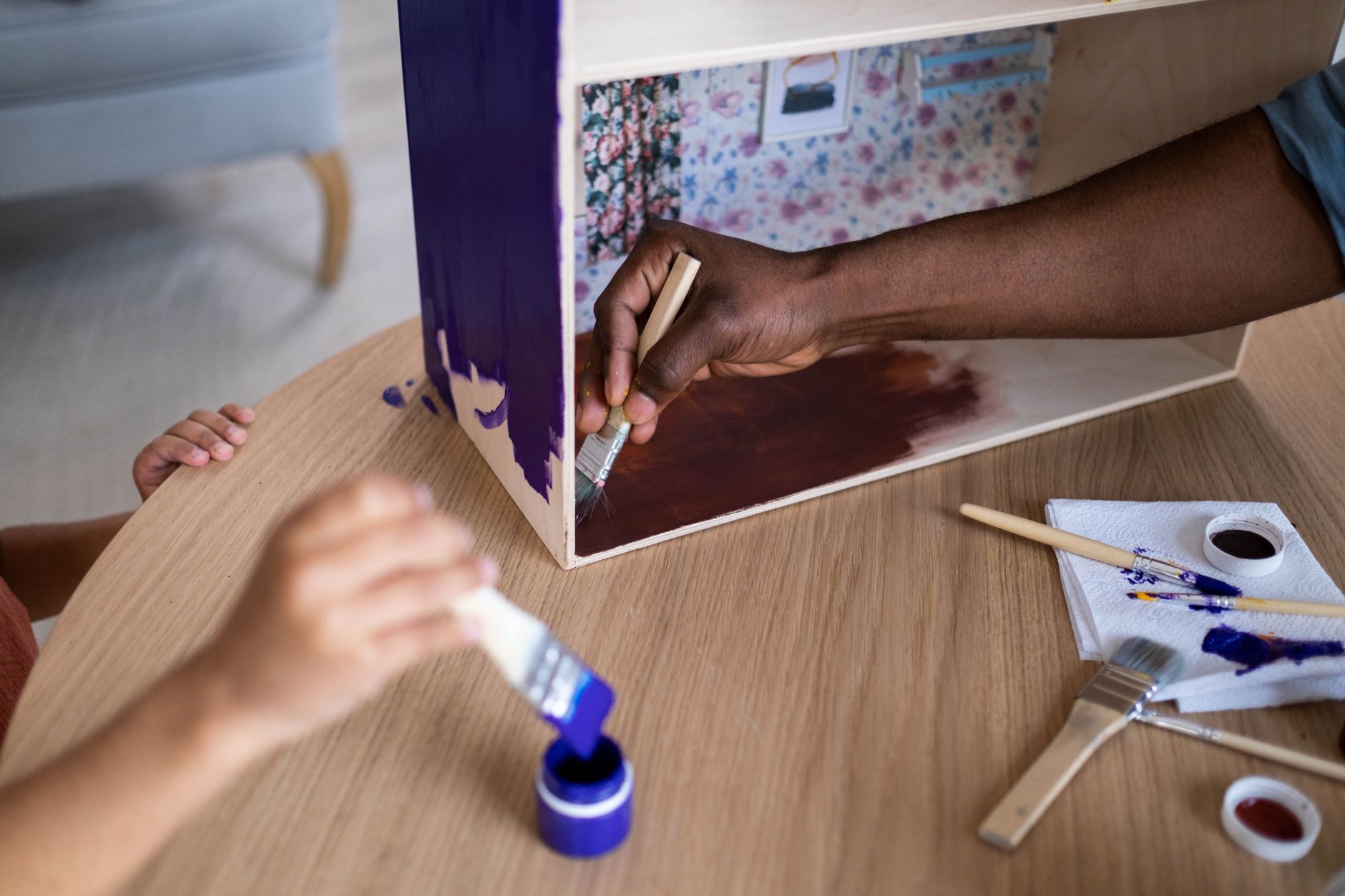
Set up a clean, organized workspace with good lighting. Protect surfaces with drop cloths or old newspaper. Having everything within arm's reach—supplies, tools, inspiration photos—keeps your flow smooth. If you're painting or staining, ensure adequate ventilation. Poor setup leads to frustration, accidents, and messy results. Take ten minutes to prepare properly; it saves hours of headaches.
Step 4: Start with a Test Run
For painting, staining, or any technique you're unfamiliar with, practice on scrap material first. Test your paint color on a small area of the actual wall and observe how light hits it throughout the day—paint color changes dramatically with lighting. If you're stenciling, test on scrap fabric before touching your pillow. This exploration phase is invaluable; it builds confidence and reveals what adjustments you might need.
Step 5: Execute with Intention
 Budget Apartment Renovation: DIY Hacks That Actually Work
Follow your plan but stay flexible. You might discover a technique works better than you anticipated, or an adjustment improves your design. Work slowly and deliberately rather than rushing. Quality craftsmanship shows, and hurried work often requires redoing. Put on music or a podcast, light a candle, and actually enjoy the creative process. This isn't a chore; it's an experience you're creating.
Step 6: Allow Proper Drying and Setting Time
This step separates successful projects from disappointing ones. Don't rush the drying process. Paint needs proper curing time. Glue requires full set-up. Stain needs to fully cure before polyurethane application. Check manufacturer instructions and follow them exactly. Impatience here ruins beautiful work.
Step 7: Install and Style Thoughtfully
Once your piece is completely finished, install it with care. Use appropriate hardware—picture hooks for framed art, proper wall anchors for heavier pieces. Step back frequently as you arrange to ensure proper spacing and balance. This final step determines how your creation actually lives in your space. Take photos of the finished result. This becomes inspiration for future projects and builds confidence in your capabilities.

Best Styles and Products for DIY Home Decor
The beauty of DIY crafts is that they work across every aesthetic imaginable. Here are four popular styles in 2026 and specific products that support each approach.
Coastal Farmhouse
This style blends relaxed beach vibes with rustic elements. Think white-washed wood, nautical accents, natural linen, and weathered finishes. DIY projects here include painting wooden shelves in soft whites and creams, creating driftwood-inspired wall hangings, and crafting simple canvas art with beach scenes. Shop at IKEA for affordable wood bases and Home Depot for weathering supplies.
Bohemian Eclectic
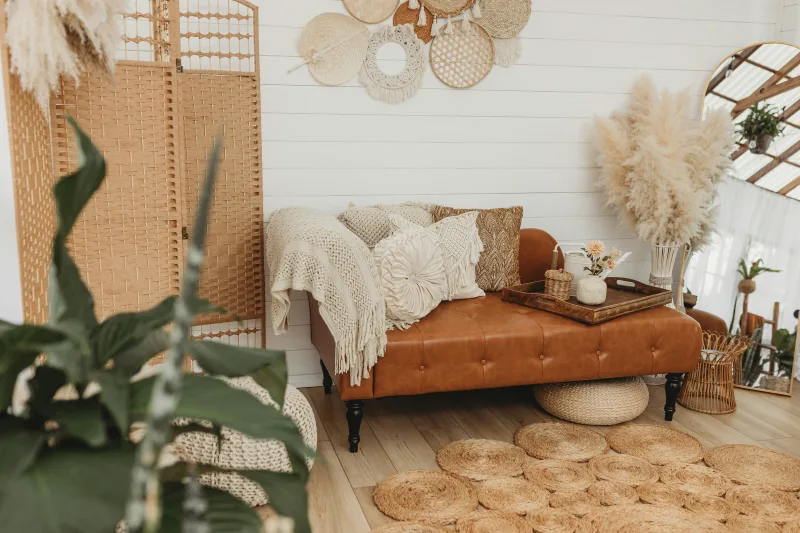
Boho thrives on handmade elements, global influences, and artistic expression. Macramé is essential here—wall hangings, plant holders, and dreamcatchers. Incorporate natural fibers, warm earth tones, and mixed patterns. DIY projects include creating your own macramé pieces (cotton cord from Amazon, approximately $12-18), painting mandalas on canvas, and crafting fabric wall tapestries. This style celebrates imperfection, making it wonderfully forgiving for beginners.
Modern Minimalist
Clean lines, neutral colors, and intentional negative space define minimalism. DIY projects here focus on geometric wall art, simple floating shelves, and curated gallery walls. Use quality materials in limited colors—mostly white, black, gray, and one accent color. Better Homes and Gardens offers sleek frame options. Amazon has quality geometric wood shapes and minimalist art supplies.
Maximalist Eclectic
For those who love color, pattern, and personality, maximalism is pure joy. Layer colors fearlessly, mix patterns, display collections, and celebrate visual abundance. DIY projects include painting feature walls in bold colors, creating mixed-media collages, hand-painting patterns on furniture, and building gallery walls with diverse frames and mat colors. This style encourages experimentation and celebrates your unique taste.
Essential Products Across All Styles
- Acrylic Paint Set (24-60 colors) - Available at Michaels, Amazon, or IKEA; $15-35 - Essential for almost every DIY project
- Paintbrush Variety Pack - Home Depot or Amazon; $12-20 - Different brush sizes create different effects
- Picture Frame Assortment - IKEA offers affordable frames starting at $2-10 - Perfect for gallery walls and art displays
- Macramé Cotton Cord - Amazon; $10-18 per spool - The foundation for all macramé projects
- Adhesive and Fastener Kit - Home Depot; $20-40 - Includes painter's tape, hot glue gun, wood glue, wall anchors, and brackets
Expert Tips for DIY Home Decor Success
Tip 1: Invest in Quality Tools, Not Just Materials A good paintbrush makes an enormous difference in your results. Cheap brushes shed bristles and create uneven coverage. Invest in one or two quality brushes; they last for years. The same applies to measuring tools and scissors. Quality tools feel better to use and produce better results.
Tip 2: Use Primer Before Painting Skipping primer seems like saving money, but it leads to needing multiple paint coats and poor coverage. Primer ensures even color, better adhesion, and longevity. This single step transforms your results.
Tip 3: Create a Mood Board for Each Room Beyond Pinterest, create a physical mood board with paint samples, fabric swatches, and images. This helps you see how colors and styles actually work together in your space's lighting.
Tip 4: Start Small and Build Confidence Your first project doesn't need to be a full room makeover. Begin with small, achievable projects. Each success builds skills and confidence for more ambitious undertakings.
Tip 5: Don't Be Afraid of Color Paint is relatively inexpensive and can always be repainted. Bolder choices often feel more impactful and personal than safe neutrals. If you're uncertain, paint an accent wall first.
Tip 6: Learn Basic Techniques Through YouTube and Blogs Before starting complex projects, watch several tutorials. Different creators explain techniques in different ways; find explanations that click for you.
Tip 7: Keep Supplies Organized and Accessible Invest in storage containers for craft supplies. When materials are easy to find, you're more likely to tackle projects. Disorganized supplies create decision fatigue and procrastination.
Frequently Asked Questions
Q: I've never done DIY crafts before. What projects should I start with?
Begin with low-pressure projects that don't require specialized skills: painted terracotta pots, decorated mason jars, stenciled pillowcases, or hand-lettered wooden signs. These teach basic techniques like painting and brushwork without high stakes. They