Minimalist Small Apartment Ideas 2026: Transform Your Tiny Space Into a Sanctuary
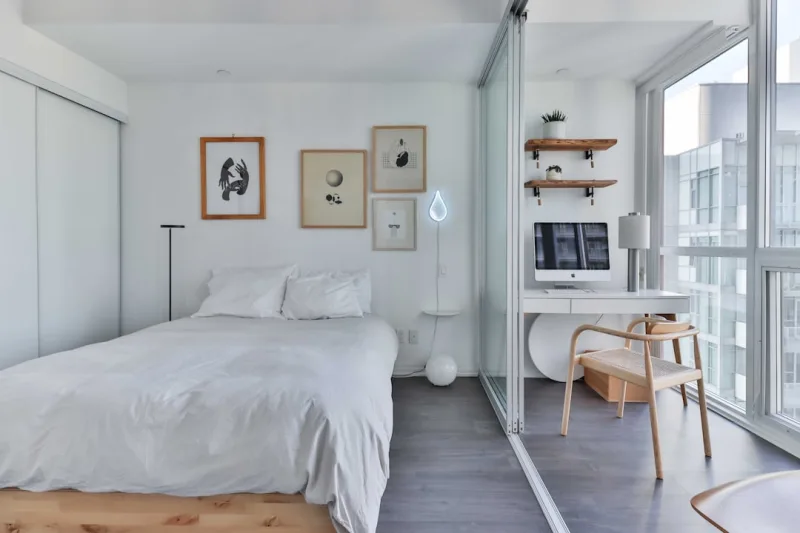
Look, I've spent the last few years watching people completely transform cramped apartments into these incredibly zen-like spaces, and honestly? It's one of my favorite design trends to witness. The whole minimalist movement used to feel sterile and cold — just empty white walls and three pieces of furniture. But that's not what we're doing in 2026. We're creating small apartments that actually feel like home, just with intention and way less clutter.
Here's the thing about living in a small apartment: space is currency. Every square foot matters. That's why minimalism isn't just an aesthetic choice anymore — it's a practical lifestyle that makes living in 500 square feet (or less) feel peaceful instead of claustrophobic. And the best part? You don't need a massive budget to pull this off.
I'm going to walk you through exactly how to create a minimalist small apartment that doesn't look like a showroom nobody can actually live in. We're talking about smart storage, intentional pieces, and design choices that'll make your visitors genuinely jealous of your space.
What You'll Need
Before diving into the redesign, let's talk about what actually makes a minimalist apartment work. You'll need a combination of smart furniture, organizational systems, and honestly — a willingness to let go of stuff.
- Floating Shelves (set of 3-4): $40-80 from The The Home Depot
- Multifunctional Storage Bed Frame with drawers: $200-400
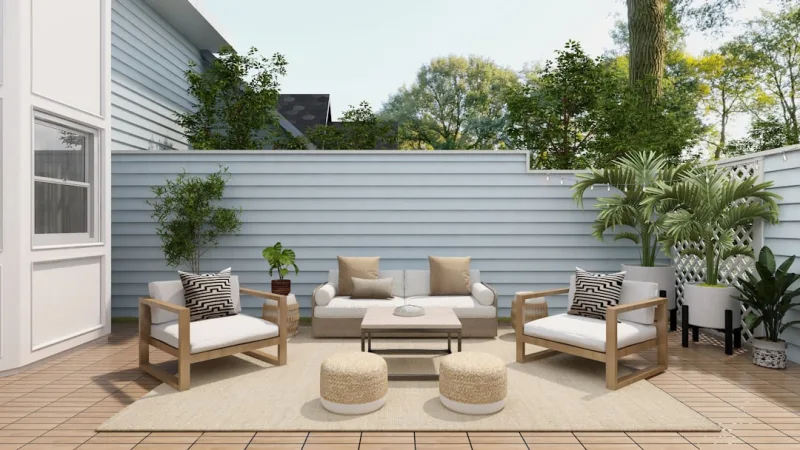
- Neutral Area Rug (5x7 or 6x8): $80-150
- Minimalist Dining Table (foldable or wall-mounted): $100-250
- Vertical Storage Organizers (wall-mounted): $30-60
- Modular Shelving Unit (stackable): $120-200
- Blackout Roller Shades (3-4 windows): $60-120
- LED Track Lighting: $50-100
- Storage Ottomans (2 units): $80-140
- Closet Organization System: $100-180
- Mirror (large, frameless): $40-90
- Paint (2 gallons, neutral colors): $40-60
- Baskets and Bins (various sizes): $50-100
Step-by-Step Guide
Step 1: Declutter Like You Mean It
Okay, this is the unglamorous part but trust me — it's the foundation of everything. Go through every single item in your apartment and ask yourself: do I use this? Do I love this? Will I realistically use it in the next six months? If the answer is no to all three, it goes. Not into a donation pile that sits for six months either — I mean donate it this week.
I usually recommend the KonMari method for small spaces because it forces you to be intentional. Pick up each item, feel whether it sparks joy, and be honest. That bread maker you haven't touched since 2023? Gone. Those decorative pillows that don't match anything? Donate them.
Step 2: Assess Your Layout and Zones
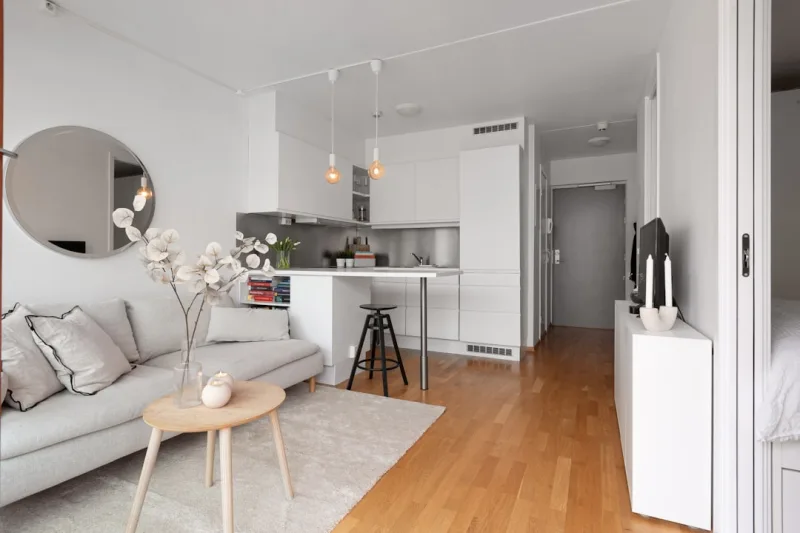
In a small apartment, your living room is probably also your dining room, which is kind of your guest room too. That's fine — but you need to define zones visually. Use your area rug to anchor the living space, then position your dining table in a separate corner if possible. An open-concept layout works better than cramming furniture against walls, which actually makes rooms feel smaller.
Measure your space carefully. I use a tape measure and sketch it out on graph paper (yes, I'm that person). This prevents you from buying furniture that won't fit or will chop up your room awkwardly.
Step 3: Invest in Vertical Storage
This is where minimalism actually becomes functional instead of just pretty. Floating shelves from The Home Depot are game-changers — they cost between $40-80 for a set and they make your walls do the heavy lifting. Mount them above your desk, beside your bed, or in awkward corners. The goal is storing stuff without it looking cluttered.
Wall-mounted organizers, vertical filing systems, and tall narrow shelving units become your best friends here. A modular shelving unit ($120-200) can completely change how you store everything from books to kitchen items without eating up floor space.
Step 4: Choose Multifunctional Furniture
Here's where budgets start making sense. Instead of buying a bed and a dresser and a nightstand, get a bed frame with built-in storage drawers ($200-400). Instead of a regular coffee table, get a storage ottoman. Instead of a traditional desk, consider a wall-mounted floating desk or fold-down option.
This approach means you're buying fewer pieces that do more work. Better Homes & Gardens & Gardens has some solid options here, or honestly, you can find incredible pieces on sites specifically designed for small-space living.
Step 5: Paint and Lighting
 Budget Apartment Renovation: DIY Hacks That Actually Work
Don't skip this step because it's transformative. Paint your walls a warm neutral — think soft white, pale gray, or warm beige. Budget about $40-60 for two gallons. Light colors make spaces feel larger, and they're the perfect backdrop for minimalist design.
Then upgrade your lighting because overhead lights are harsh and unflattering in small spaces. LED track lighting ($50-100) or simple pendant lights create ambiance while being practical. Good lighting makes a 400-square-foot apartment feel intentional instead of cramped.
Step 6: Add Strategic Decor
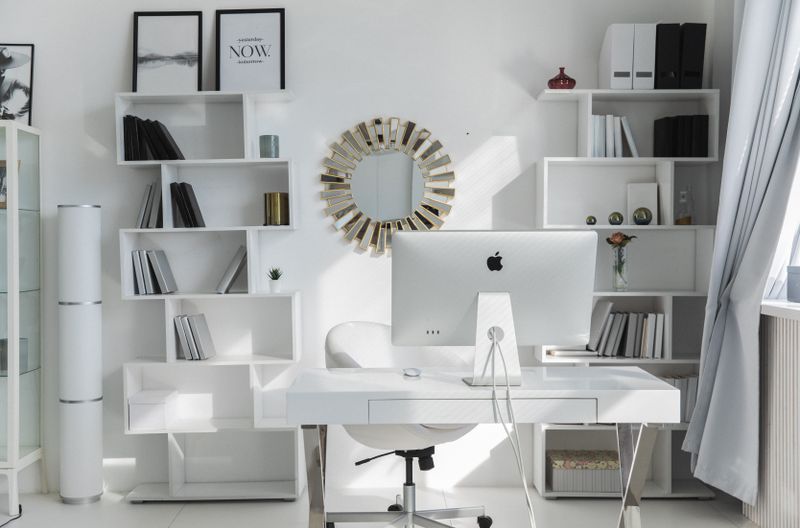
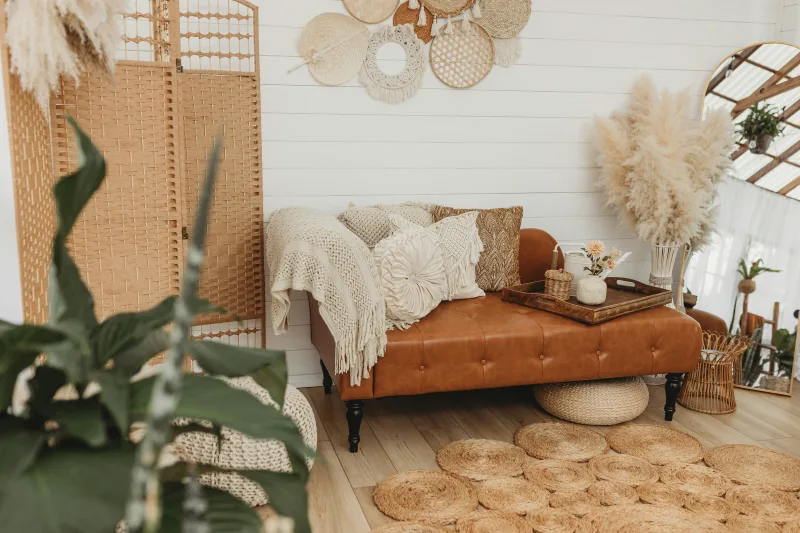
This is the part where minimalism could feel cold if you're not careful. You want to decorate with intention. A large frameless mirror ($40-90) reflects light and makes your space feel bigger. A neutral area rug ($80-150) defines your living area. One or two pieces of meaningful art. That's it.
Skip the "decor for decoration's sake" approach. Every item should either serve a purpose or genuinely make you happy. HGTV has some great minimalist inspiration if you're feeling unsure about what works.
Step 7: Organize Your Closet Like a Pro
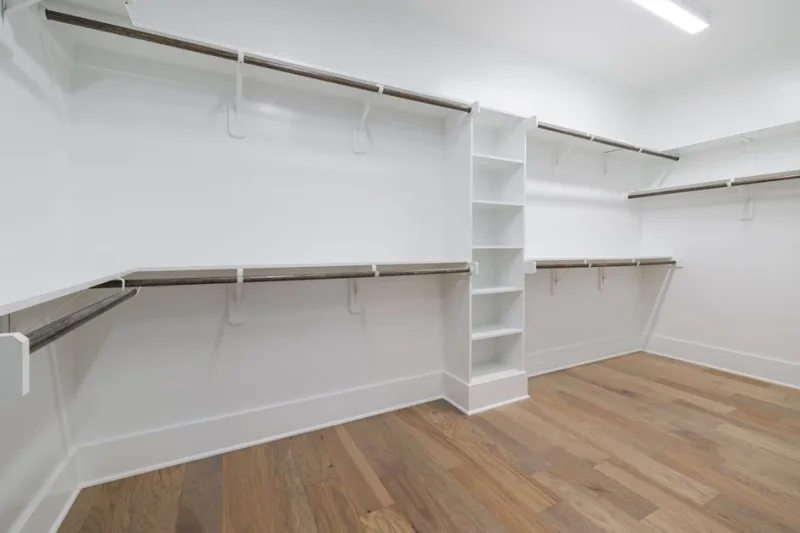
Small apartments usually mean small closets, which means you need a closet organization system ($100-180). Use slim velvet hangers, vertical shelf dividers, and clear storage boxes. A capsule wardrobe works perfectly here — think neutral colors and pieces that mix and match.
Pro Tips
Use the "one in, one out" rule moving forward. Once your apartment is decluttered, maintain it by removing something whenever you bring something new in. It's easier than you'd think and prevents the creep-back of clutter.
Go digital where possible. Keep photos and documents digital instead of physical. This sounds small but it's huge for small spaces. Honestly, I've seen people save entire shelf sections just by scanning old papers and recycling the originals.
Embrace baskets and bins thoughtfully. These should be beautiful and contain things you actually use regularly. Store seasonal items elsewhere if you can (under a bed, in a closet, a friend's basement). Your visible storage should feel curated.
Create a "donation station." Keep a basket or bag in your closet where you immediately put things you no longer want. Once it's full, donate it. This prevents accumulation.
Invest in clear storage for the kitchen. If you can see what you have, you're less likely to buy duplicates. Clear containers for pasta, flour, and dry goods take up the same space but look intentional and minimalist.
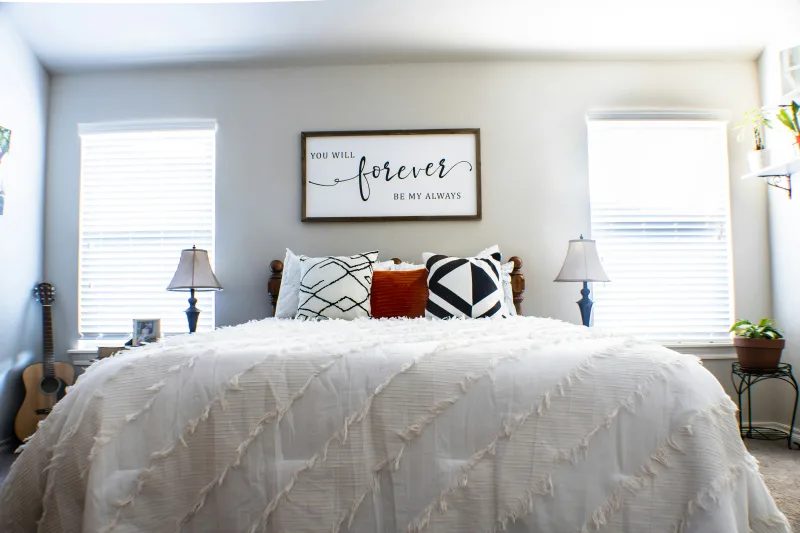
Use vertical space in your bedroom. Wall-mounted nightstands, shelves above the headboard, and hanging storage systems mean your floor stays clear. Clear floors psychologically make rooms feel bigger.
Cost Breakdown
← Scroll to see full table →
| Item | Quantity | Price Range | Total |
|---|---|---|---|
| Floating Shelves | 1 set | $40-80 | $60 |
| Storage Bed Frame | 1 | $200-400 | $300 |
| Area Rug | 1 | $80-150 | $115 |
| Dining Table | 1 | $100-250 | $175 |
| Vertical Storage | 1 set | $30-60 | $45 |
| Modular Shelving | 1 unit | $120-200 | $160 |
| Blackout Shades | 3-4 | $60-120 | $90 |
| LED Lighting | 1 system | $50-100 | $75 |
| Storage Ottomans | 2 | $80-140 | $110 |
| Closet Organization | 1 system | $100-180 | $140 |
| Mirror | 1 | $40-90 | $65 |
| Paint | 2 gallons | $40-60 📷 Photo by Alex Tyson on Unsplash |