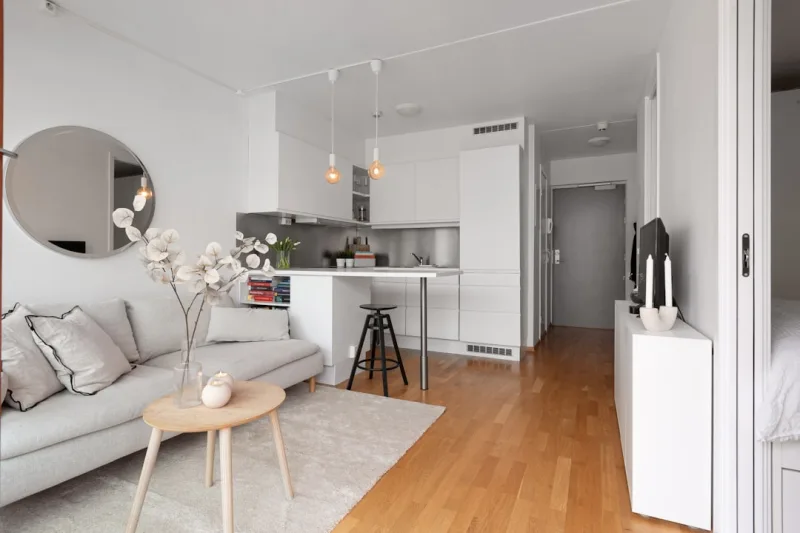
Cozy Living Room Setup for Renters: Transform Your Space Without Permanent Changes
There's something magical about walking into a living room that feels like a warm hug. As a renter, I know that magical feeling can seem impossible when you're living in someone else's space with rules about what you can and cannot change. But here's the beautiful truth: you don't need to paint walls, install new flooring, or make permanent changes to create that cozy sanctuary you've been pinning on Pinterest. I've learned that creating a warm, inviting living room in a rental is absolutely doable, and honestly, it's one of the most rewarding DIY projects you can tackle. Whether you're in a studio apartment, a cozy one-bedroom, or sharing a house, you can transform your living room into a space that feels authentically yours. The key is understanding how to work with what you have, invest in the right pieces, and use design tricks that rental landlords will actually appreciate.
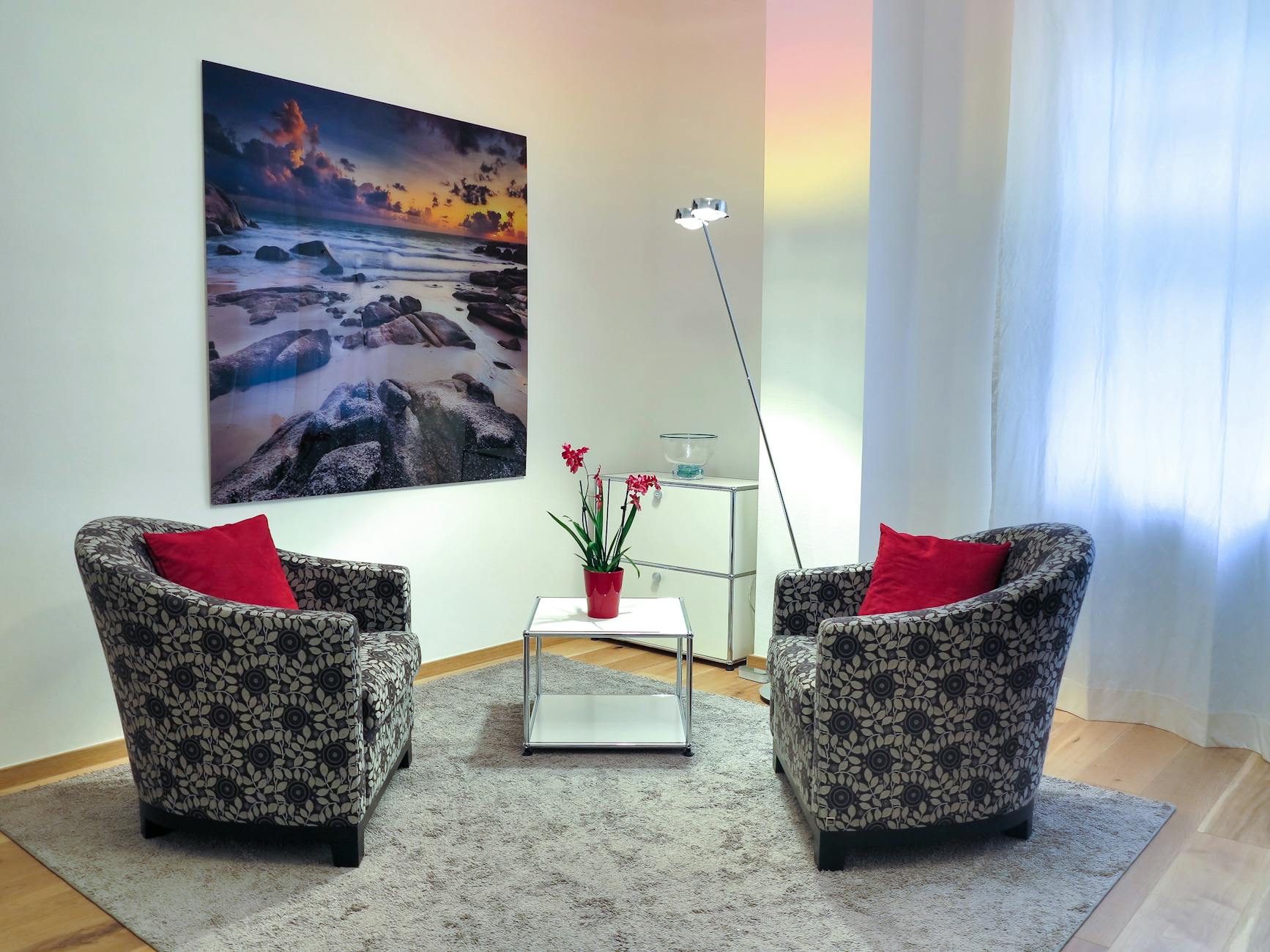
In this guide, you're going to discover exactly how to create a cozy living room setup that works with your rental situation, not against it. We'll walk through practical planning strategies, discuss budget-friendly options that deliver maximum impact, and explore specific styles and products that renters absolutely love. You'll learn the seven-step process I use to transform rental spaces, get insider tips from design experts, and find answers to the questions that keep most renters up at night. By the end of this article, you'll have a complete roadmap for turning your living room into the cozy haven you deserve.
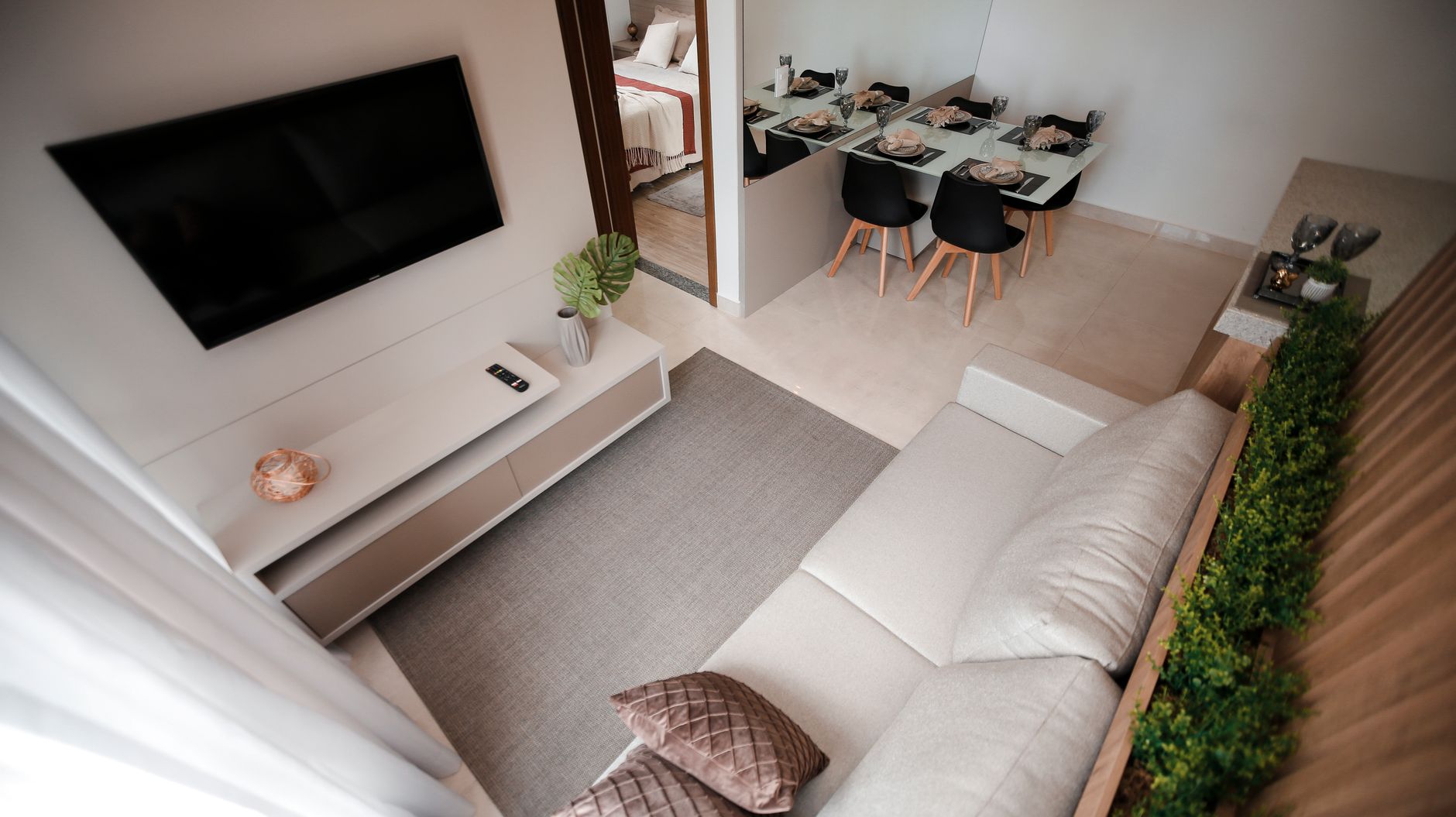
Understanding Cozy Living Room Setup for Renters
Creating a cozy living room setup for renters is all about maximizing comfort and style while respecting the boundaries of your rental agreement. Unlike homeowners who can knock down walls or install built-in shelving, renters need to be strategic about every piece they bring into their space. This isn't a limitation—it's actually an opportunity to get creative and intentional with your design choices.
A cozy living room setup for renters typically includes layers of soft textures, warm lighting, functional furniture arrangements, and personal touches that make the space feel lived-in and loved. It's about creating an atmosphere where you want to spend time, whether that's curling up with a good book, hosting friends for game night, or simply unwinding after a long day. The beauty of this approach is that everything you choose is portable, so when you move to your next place, your cozy sanctuary goes with you.
Why does this matter? Because your living room is likely the heart of your home. It's where you spend your free time, where you entertain guests, and where you decompress. When it's not set up thoughtfully, you might find yourself spending more time scrolling through Pinterest than actually enjoying your space. A well-designed cozy living room actually improves your mental health, encourages you to host friends more often, and makes your rental feel like a real home rather than a temporary stopping point.
Common mistakes renters make include pushing all furniture against the walls (which makes spaces feel awkward and disconnected), using only overhead lighting (which feels harsh and uninviting), ignoring textiles (which are essential for coziness), and underestimating the power of organization and decluttering. Many renters also hesitate to invest in quality pieces because they think they're temporary, but here's what I've learned: investing in good basics that you'll take with you to your next place is always worth it. That beautiful sofa, those soft throw blankets, quality lighting fixtures—these are investments in your comfort and happiness, not just your current apartment.
Planning Guide for Cozy Living Room Setup for Renters
Before you start shopping or rearranging furniture, you need a solid plan. This prevents impulse purchases, ensures everything you bring into your space actually works together, and helps you stay within budget. The planning phase is where most successful living room transformations actually happen.
Start by honestly assessing your current space. Measure your room, note where natural light comes in, identify any permanent features like windows or radiators, and think about how you actually use the space. Do you work from home? Host dinner parties? Need a cozy reading nook? Your specific needs should drive your design choices. Next, gather inspiration—and I mean really gather it. Create a Pinterest board dedicated to cozy living rooms and save images that make you feel something. Don't worry about whether they match yet; just collect what speaks to you.
Now it's time to consider your rental restrictions. Read your lease carefully and note any rules about furniture, paint, or wall decorations. Most landlords are fine with removable options like peel-and-stick wallpaper, command hooks, and freestanding furniture. Create a list of what you can and cannot do in your space. This actually helps you get creative rather than limiting you. Finally, establish a realistic budget and timeline. You don't need to transform everything at once. Starting with foundational pieces and adding to your space over time makes the process more enjoyable and financially manageable.
Planning Checklist for Your Cozy Living Room:
- ✓ Measure your room dimensions and note ceiling height
- ✓ Identify natural light sources and times of day
- ✓ Review your rental agreement for decoration restrictions
- ✓ Create a Pinterest board with at least 50 images you love
- ✓ Determine your primary use (relaxation, entertaining, work-from-home)
- ✓ Set a total budget and timeline
- ✓ List existing furniture and what stays versus what goes
- ✓ Choose a color palette of 3-4 main colors plus neutrals
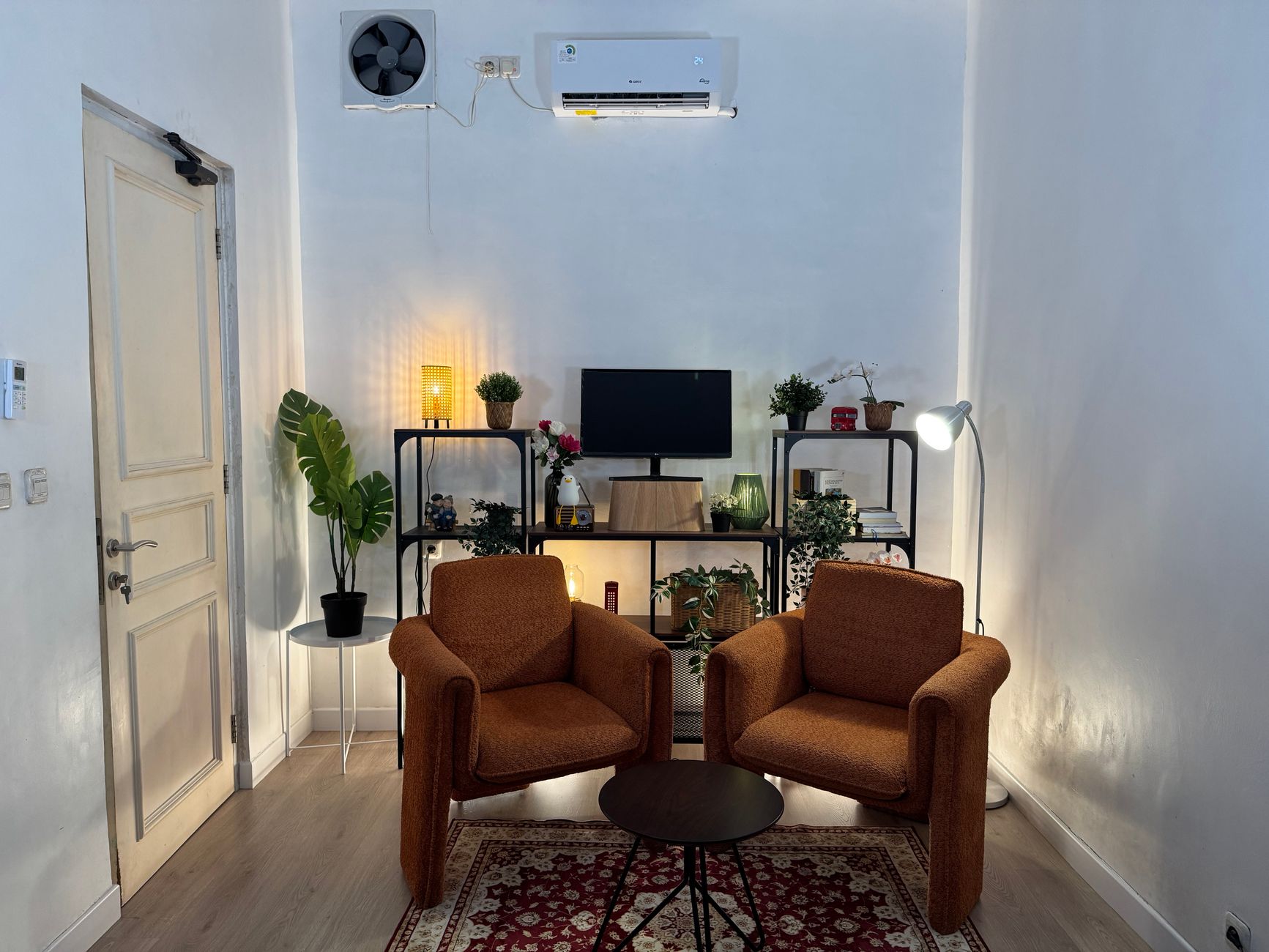
Budget Breakdown
← Scroll to see full table →
| Price Range | Items | Estimated Price |
|---|---|---|
| Under $50 Budget Items | ||
| Throw Blankets | Soft, chunky knit blankets from IKEA or Target | $15-$25 |
| Pillow Covers | Linen or cotton covers in warm tones | $10-$20 |
| String Lights | Warm LED fairy lights or Edison bulb string lights | $15-$30 |
| Throw Pillows | Basic pillows from Target's Threshold collection | $12-$20 |
| Wall Art | Printable art or affordable prints from Amazon | $10-$30 |
| Plants & Planters | Low-maintenance plants from local nurseries | $10-$25 |
| $50-$200 Budget Items | ||
| Area Rug | 5x7 or 6x9 wool or high-quality synthetic rug | $80-$180 |
| Lighting Fixtures | Floor lamp, table lamps from IKEA or The The Home Depot | $40-$150 |
| Coffee Table | Wooden or metal table from IKEA or Amazon | $60-$150 |
| Wall Shelves | Floating shelves with command adhesive strips | $30-$100 |
| Bookcase | Freestanding bookshelf from IKEA or The Home Depot | $50-$150 |
| Window Treatments | Blackout curtain rods and panels | $60-$150 |
| $200+ Investment Pieces | ||
| Sofa or Sectional | Quality seating from IKEA, Article, or wayfair | $400-$1500 |
| Quality Area Rug | Natural fiber or premium wool rug | $250-$800 |
| Entertainment Console | TV stand or media console from The Home Depot or IKEA | $200-$500 |
| Accent Chair | Comfortable reading chair for cozy corner | $300-$800 |
| Rug Pad & Protection | Premium rug pad and protective products | $50-$150 |
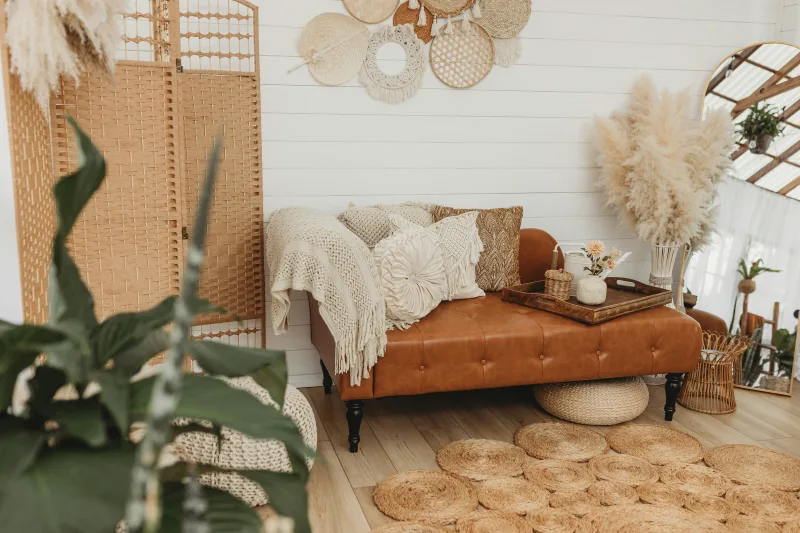 Budget Apartment Renovation: DIY Hacks That Actually Work
Creating a cozy living room doesn't require spending a fortune upfront. In fact, the smartest approach is to prioritize strategically. Your investment pieces should be items you'll take with you when you move—think quality sofa, good lighting, and a beautiful area rug. These anchor your space and will serve you for years in multiple homes.
Budget-friendly items like throw blankets, pillows, and wall art create that cozy feeling without major expense. The beautiful thing about this category is that you can swap these items seasonally or whenever you want a refresh. Target's Threshold collection, IKEA's everyday items, and Amazon's home decor offerings are goldmines for affordable coziness. My money-saving tips: buy quality basics in neutral colors, add personality through inexpensive textiles and accessories, watch for sales at The Home Depot and IKEA (their clearance sections are incredible), and remember that you don't need to buy everything at once. Start with the essentials and add layers over time. This approach actually helps you avoid impulse purchases and ensures every piece truly fits your vision.
Step-by-Step Guide
Now let's get into the actual process of creating your cozy living room. This seven-step approach has worked beautifully for countless renters, and it's designed to prevent overwhelming yourself while still making meaningful progress.
Step 1: Clear Out and Declutter Your Space
Before you add anything new, remove everything that doesn't spark joy or serve a purpose. This includes that old furniture you inherited, items you've been meaning to donate, and anything that doesn't fit your vision. A clear space is essential for seeing what you're actually working with. Take a full day to sort through your living room, deciding what stays, what goes, and what might need to be rearranged. This step is transformative—you'd be amazed at how much larger and lighter your space feels after decluttering. Once you've cleared out, you'll have a blank canvas to work with and a clear sense of what functional pieces you actually need.
Step 2: Establish Your Furniture Layout
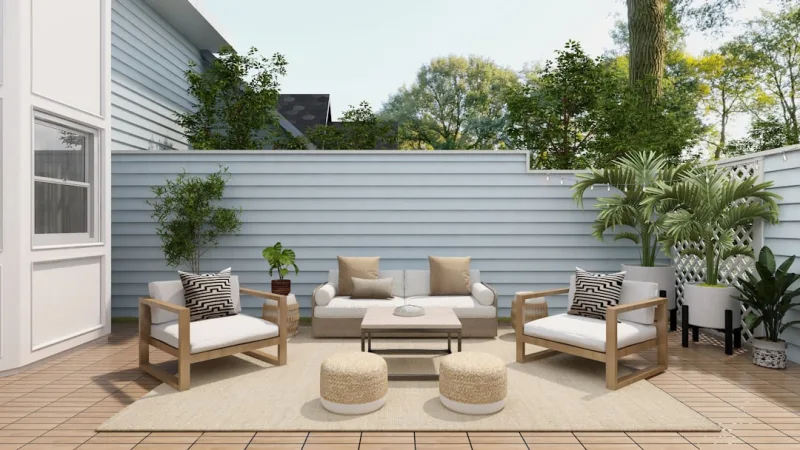
This is where many people get stuck, but here's the secret: furniture should be arranged to encourage conversation and traffic flow, not pushed against walls like a hotel room. Create a floor plan sketch (even a simple one on paper works!) showing where your sofa, chairs, coffee table, and other pieces will go. Consider creating conversation zones—maybe your seating faces the TV and a coffee table sits in the middle, creating an intimate gathering spot. Leave enough space to walk comfortably between pieces. In smaller rentals, you might need to be more creative, perhaps using a console table behind the sofa or an accent chair in a corner. The goal is functionality with intention, not just filling space.
Step 3: Add Layers of Lighting
Harsh overhead lighting is the enemy of coziness. Instead, plan for multiple light sources. You'll want ambient lighting (soft background light), task lighting (for reading or working), and accent lighting (for ambiance). Start with a statement floor lamp in a corner, add table lamps on side tables or console tables, and incorporate string lights or a dimmer switch if your rental allows. Warm bulbs (2700K color temperature) are essential for that cozy feel. This layered approach means you can adjust lighting based on your mood and time of day. Professional designers always recommend having at least three different light sources in a living room, and for renters, freestanding lamps are your best friend since they require no installation.
Step 4: Choose Your Color Palette and Add Textiles
Select three to four main colors plus two neutral base colors. Warm neutrals like cream, beige, warm gray, or soft taupe work beautifully with accent colors like terracotta, sage green, burnt orange, or navy. Now introduce these colors through textiles—throw blankets, pillow covers, curtains, and area rugs. This is where your space really starts to feel cozy and intentional. Layer different textures: chunky knit blankets, linen pillows, soft velvet cushions, and natural fiber rugs. These tactile elements are what make a space feel warm and inviting. Start with your foundation pieces (like curtains and a rug in your main colors) and build from there with throw pillows and blankets that introduce your accent colors.
Step 5: Arrange Your Area Rug
An area rug is transformative for creating a cozy, grounded living room. Choose a size that's large enough to anchor your seating area—ideally, at least the front legs of your furniture should sit on the rug. A rug defines the space, adds warmth underfoot, and introduces color and texture. For renters, this is one of the best investments you can make because you'll take it with you to future homes. Look for natural fibers like jute or wool, or high-quality synthetic alternatives that are durable and easy to clean. The rug should complement your color palette and add visual interest to the room. Don't skimp on this piece—a quality rug makes everything else in your room look intentional and elevated.
Step 6: Add Functional Decor and Personal Touches
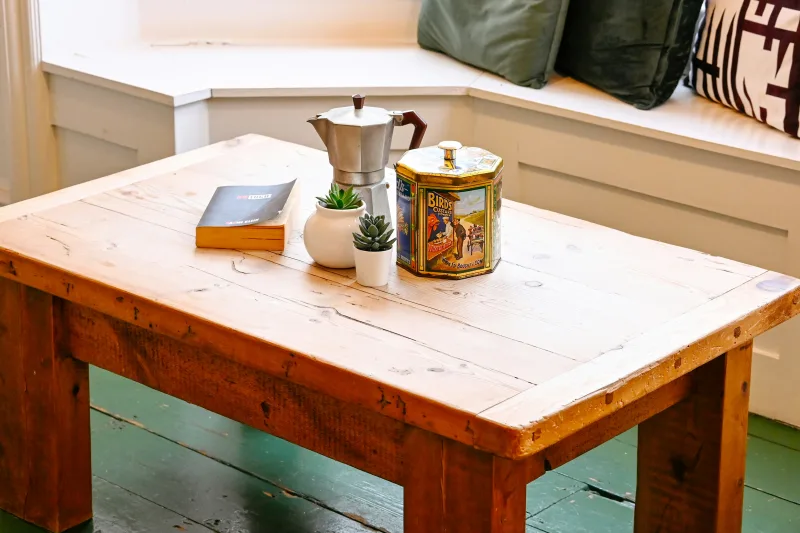
Now bring in items that serve a purpose while adding personality: bookshelves with a mix of books and decorative objects, a coffee table styled with books and a candle, wall art that speaks to you, and plants that bring life and freshness to the space. Use command hooks and removable adhesive strips for wall decor so you don't damage your rental walls. Create vignettes—small intentional groupings—on your shelves and side tables. Display items that matter to you: family photos, travel souvenirs, favorite books. This is what transforms a space from generic to genuinely yours. The styling phase is where functionality meets beauty, and it's actually fun to experiment with different arrangements until everything feels right.
Step 7: Layer in Lighting Details and Final Touches
Make final adjustments to your lighting, ensuring you have enough soft illumination throughout the evening. Add string lights above a bookshelf or