How to Transform Your Studio Apartment Into a Warm, Cozy Haven
You know that feeling when you walk into someone's home and immediately feel like you can exhale? That's what we're going for here. I've spent years helping people turn their studio apartments from sterile, cold spaces into rooms that actually feel like home — and honestly, it's one of my favorite projects to tackle. The thing is, small spaces don't have to feel cramped or unwelcoming. With the right approach to warmth, texture, and lighting, your studio can become the most inviting place you own.
Here's what makes studio apartments tricky: you're working with limited square footage, multiple functions happening in one room, and usually pretty basic lighting setup. But that's actually the fun part — constraints force creativity. I've learned that creating warmth in a studio isn't about buying expensive furniture or doing a complete renovation. It's about understanding how light, color, textiles, and intentional design choices work together to make a space feel wrapped around you.
Let's walk through exactly how to do this. Whether your studio is a temporary landing pad or your long-term sanctuary, we're going to make it feel like a warm hug the moment you step inside.
What You'll Need
Before we jump into the setup, let's talk materials. You don't need everything on this list — pick what resonates with your space and budget — but these are the foundations for creating that cozy warmth we're after:
- Warm-toned paint or peel-and-stick wallpaper — $20-80 (accent wall)
- Quality warm white LED bulbs — $25-50 for a set
- Layered lighting fixtures (table lamp, floor lamp, string lights) — $60-200
- Textured area rug (8x10 or smaller) — $80-300
- Throw blankets and pillows — $60-150
- Heavy curtains or thermal drapes — $40-120 per panel
- Wooden furniture pieces (coffee table, shelving) — $100-400
- Indoor plants and planters — $30-80
- Wall art and mirrors — $40-150
- Candles and diffusers — $30-60
Most of these items are available at The The Home Depot, plus you've got great options at furniture retailers and online marketplaces. The beauty of this approach is that you can spread the investment across a few months if you need to.
Step-by-Step Guide
Step 1: Start With Color and Light
This is everything. Honestly, you could have the most expensive furniture in the world, but bad lighting will kill the vibe faster than anything. I always start here. First, assess your natural light situation. Does your studio get morning light? Afternoon sun? Is it north-facing and pretty dim? This determines your color strategy.
For the walls, think warm neutrals: soft terracotta, warm taupe, creamy white, or even a muted sage with golden undertones. If you're renting, peel-and-stick wallpaper from brands available at The Home Depot works beautifully and peels off clean. Paint an accent wall if you own — that's my preference because the color depth is richer. The goal is to create warmth visually without making the space feel smaller. One accent wall behind your bed or seating area does wonders.
Now for lighting — and this matters more than you think. Replace every bulb with warm white LEDs (2700K color temperature). Then layer your light sources. Don't rely on overhead lights alone. Add a floor lamp in your reading corner, a table lamp by your bed, and string lights or fairy lights around your headboard or along a shelf. Multiple light sources create depth and that restaurant-like coziness we're chasing.
Step 2: Introduce Textures and Soft Furnishings
 Budget Apartment Renovation: DIY Hacks That Actually Work
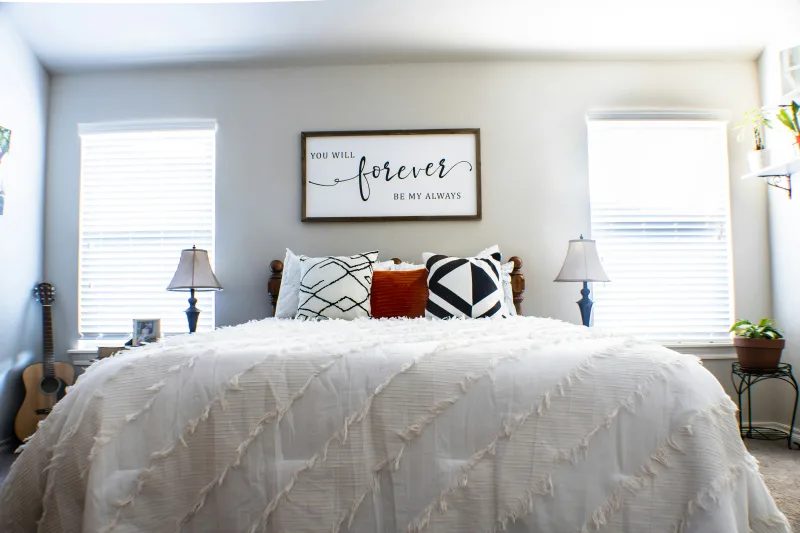
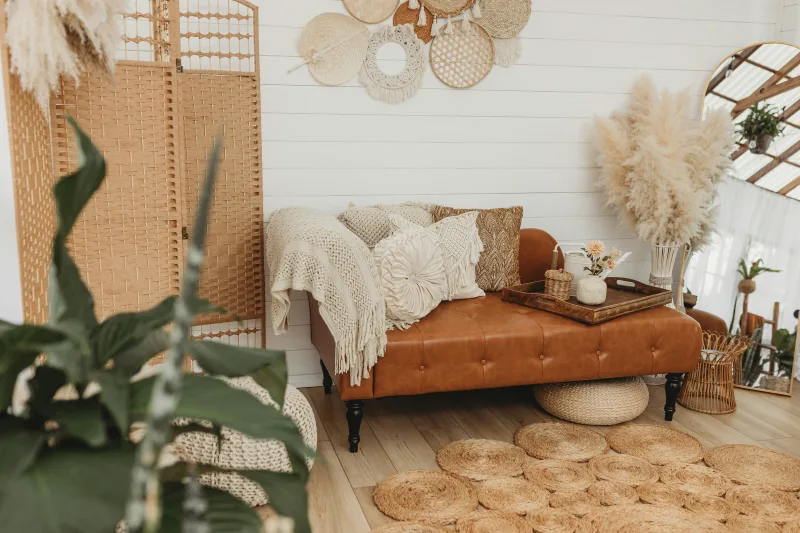
This is where your space stops looking like a showroom and starts feeling like home. Grab a quality area rug — something with texture, maybe jute, wool, or a blend. This grounds your space and defines your living area, which is crucial in a studio. Layer throw blankets across your bed or seating, and add pillows with different textures. Linen, velvet, knit, woven fabrics — mix them up.
Here's a pro move: go for neutral base colors with your larger pieces, then add warmth through textiles in burnt orange, warm gold, terracotta, or deep rust tones. Better Homes & Gardens & Gardens has some solid guides on this if you need extra inspiration.
Step 3: Add Wooden and Natural Elements
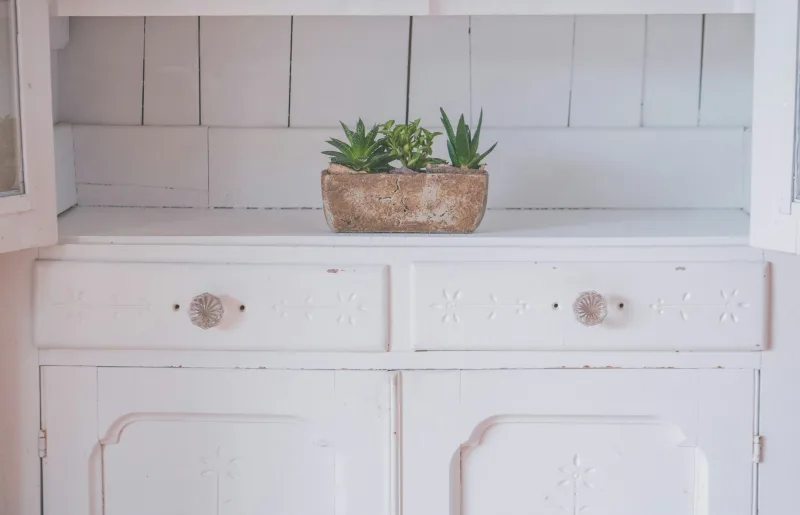
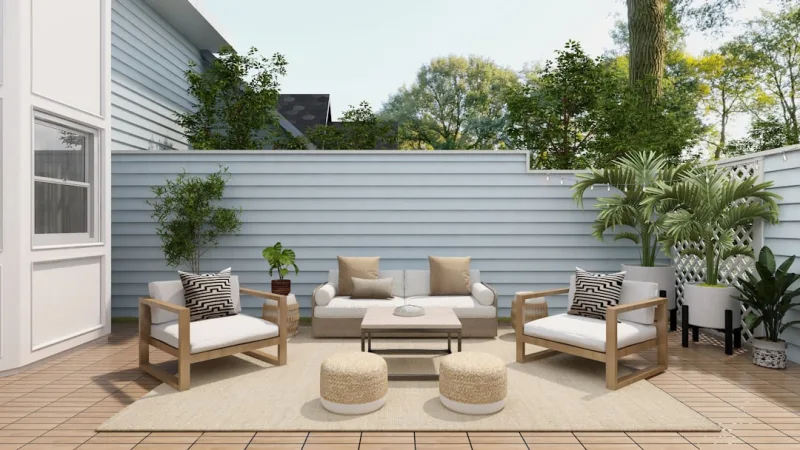
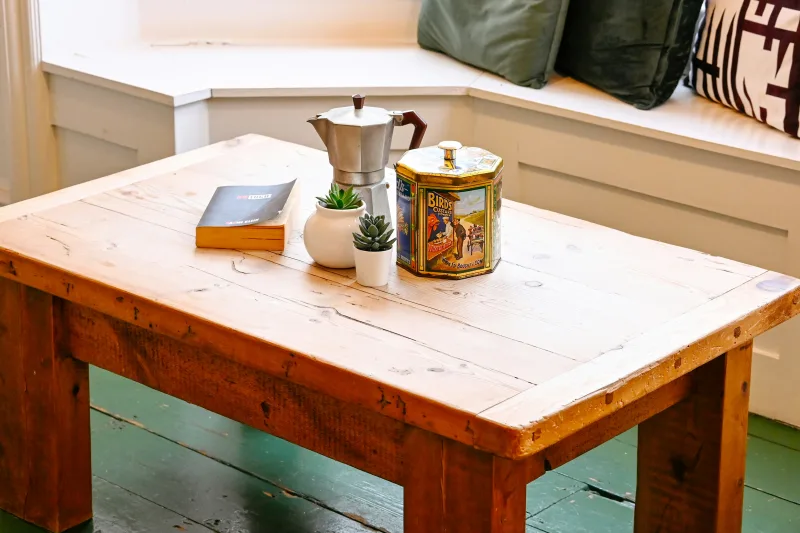
Wood is your friend in creating warmth. Even if you have an ikea bed frame, wood brings organic warmth that metal or plastic never will. Add a wooden coffee table, floating wooden shelves, or a reclaimed wood wall shelf. Plants — and I can't stress this enough — are essential. They're living, they add life to your space, and they make everything feel more grounded. A fiddle leaf fig in the corner, some pothos hanging from a shelf, or succulents on your windowsill. They don't have to be high-maintenance.
Step 4: Create Zones and Intentional Seating
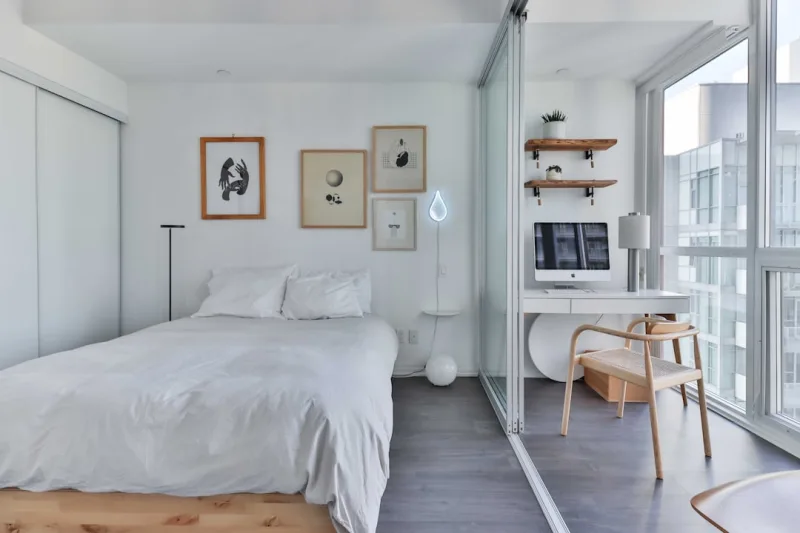
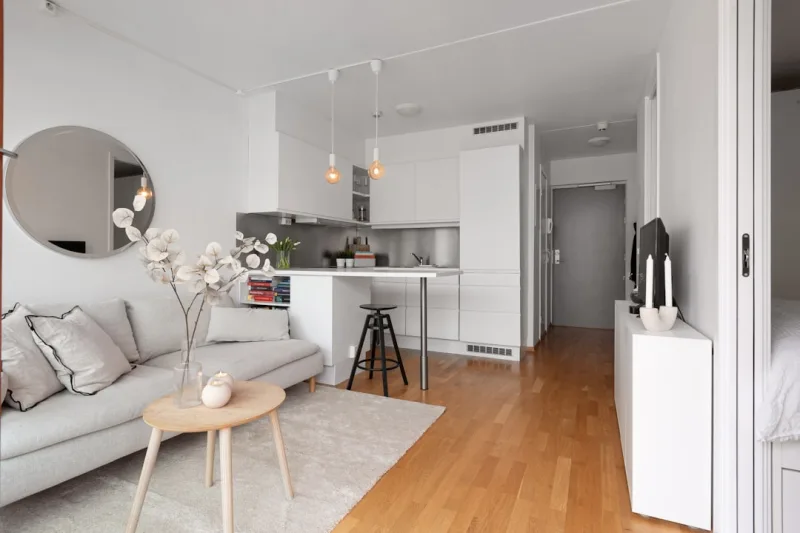
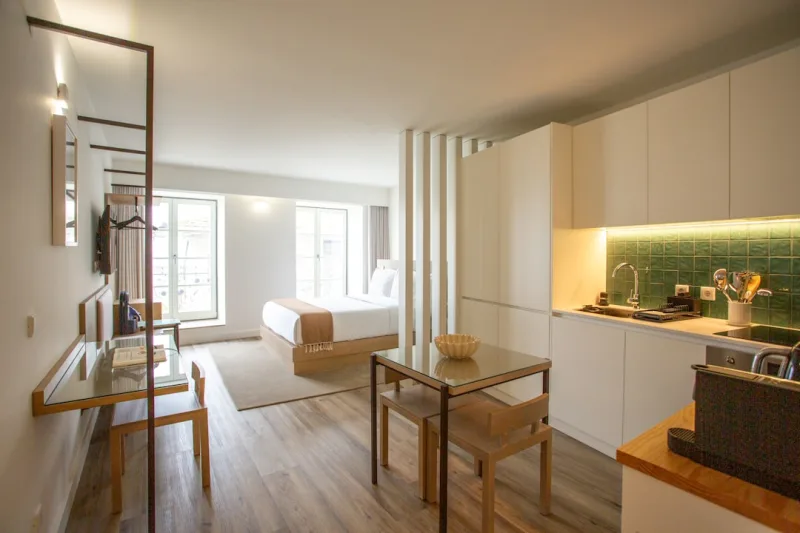
In a studio, you're sleeping, living, and working in the same room. Create visual separation with furniture placement and rugs. Position your seating area to face away from or perpendicular to your bed. Add a small side table, a reading lamp, and suddenly you've got a cozy corner that feels separate from your sleeping space. This psychological separation is huge for making a studio feel less cramped.
Step 5: Window Treatments and Finishing Touches
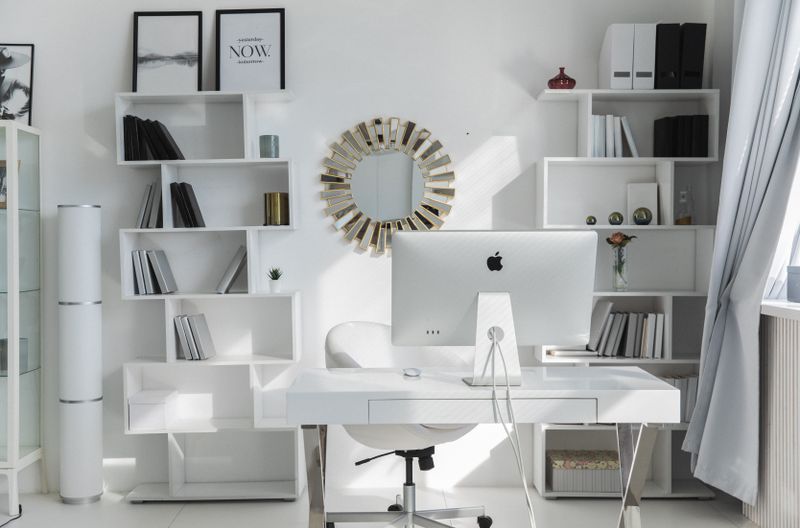
Heavy, warm-toned curtains or thermal drapes make a massive difference. They insulate (literally making your space warmer), they frame your windows beautifully, and they allow you to control light and privacy. Skip the standard mini blinds — go for something with body and texture. Then add your finishing touches: artwork that speaks to you, a mirror to reflect light, candles for ambiance, and a diffuser with a scent that grounds you. HGTV has fantastic articles on final styling touches if you want to dive deeper.
Pro Tips
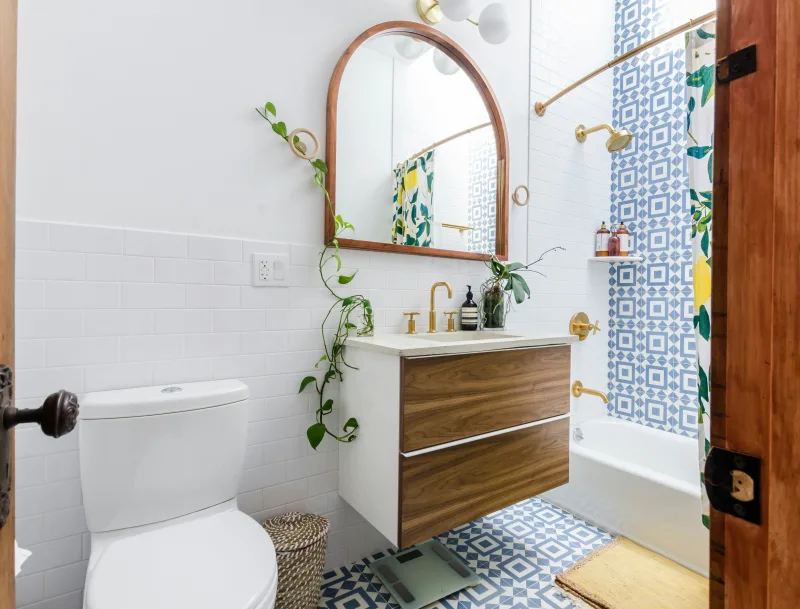
- Embrace warm metals: Skip chrome and cool silver. Brass, copper, and warm gold fixtures feel exponentially cozier. Swap out light switch plates and door hardware if you can.
- Use mirrors strategically: Place a large mirror opposite a light source to bounce warmth around the room. It'll make the space feel bigger too.
- Keep it clutter-free: Cozy doesn't mean cluttered. Invest in storage solutions that blend with your aesthetic — baskets under tables, closed shelving with hidden bins. A clean space feels more peaceful.
- Temperature matters: Thermal curtains actually keep heat in during winter. It's not just aesthetics — your space will feel warmer because it literally is warmer.
- Scent is underrated: A good candle or wood-burning diffuser adds a sensory layer that transforms the entire feeling. Vanilla, cedar, cinnamon, sandalwood — choose what feels like home to you.
- Personal touches win: The most cozy spaces have personality. Display books you actually read, photos that matter to you, art that makes you happy. These details are what make a space feel like yours.
Cost Breakdown
← Scroll to see full table →
| Item Category | Low Budget | Mid Budget | Higher Budget |
|---|---|---|---|
| Paint/Wallpaper | $20 | $50 | $80 |
| Lighting Fixtures | $60 | $130 | $200 |
| Area Rug | $80 | $150 | $300 |
| Textiles (Pillows/Blankets) | $60 | $100 | $150 |
| Window Treatments | $40 | $80 | $120 |
| Furniture (Wood Pieces) | $100 | $250 | $400 |
| Plants & Planters | $30 | $50 | $80 |
| Decor & Scent | $30 | $45 | $60 |
| TOTAL | $420 | $855 | $1,390 |
FAQ
Q: Can I make a studio apartment cozy on a really tight budget?
Absolutely. Focus first on lighting — swapping out bulbs for warm LEDs is cheap and impactful. Then grab one good throw blanket and a few pillows. Paint or wallpaper one accent wall if possible. These three things will transform the feeling significantly without breaking the bank. Everything else is bonus.
Q: Won't warm colors make my small studio feel even smaller?
Not if you do it right. The key is