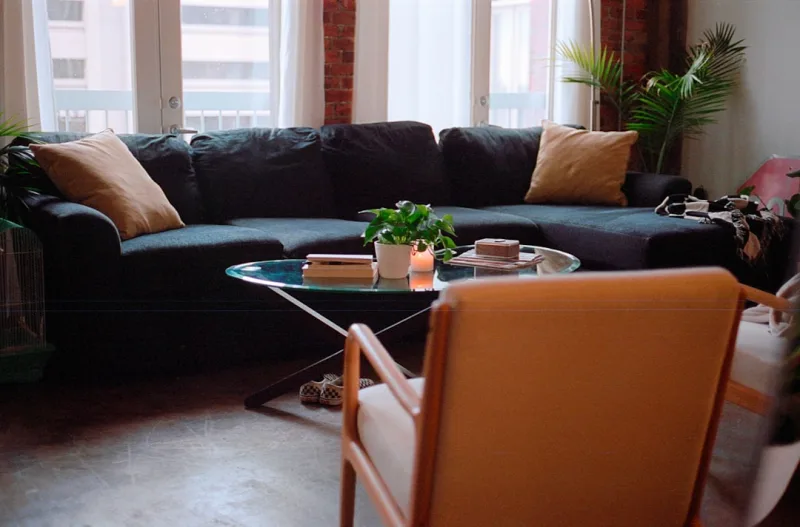
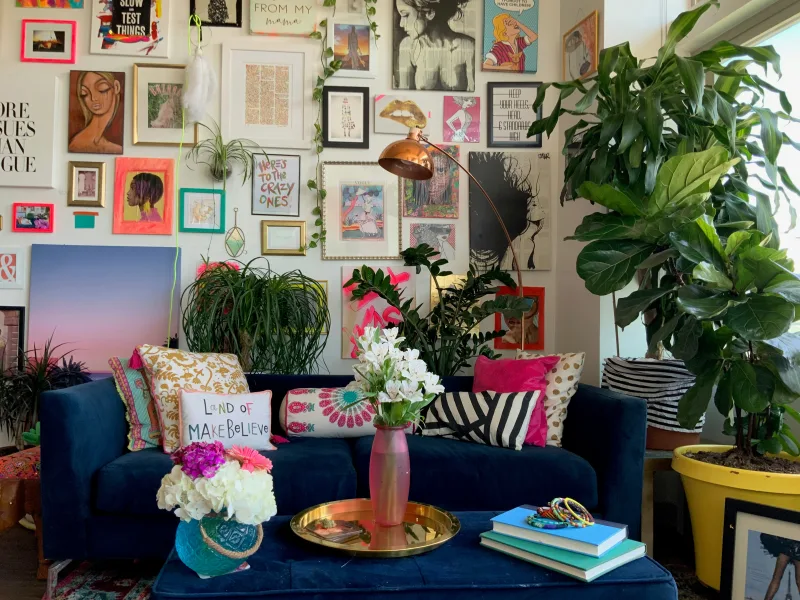
Walking into your studio apartment shouldn't feel like a compromise. I know that feeling—staring at your modest square footage and wondering if you can ever make it feel sophisticated, spacious, and *you*. The truth is, some of the most elegant homes I've seen are studio apartments where every single inch has been thoughtfully designed. Your small space isn't a limitation; it's an opportunity to create something truly special. This isn't about squeezing in more stuff—it's about curating a high-end environment that makes you feel like you're living in a luxury hotel every single day. Whether you're in a bustling city or a quiet neighborhood, a small studio deserves the same design attention as a sprawling home. Let's create something beautiful together, something that honors both your budget and your dreams of a perfectly appointed sanctuary.
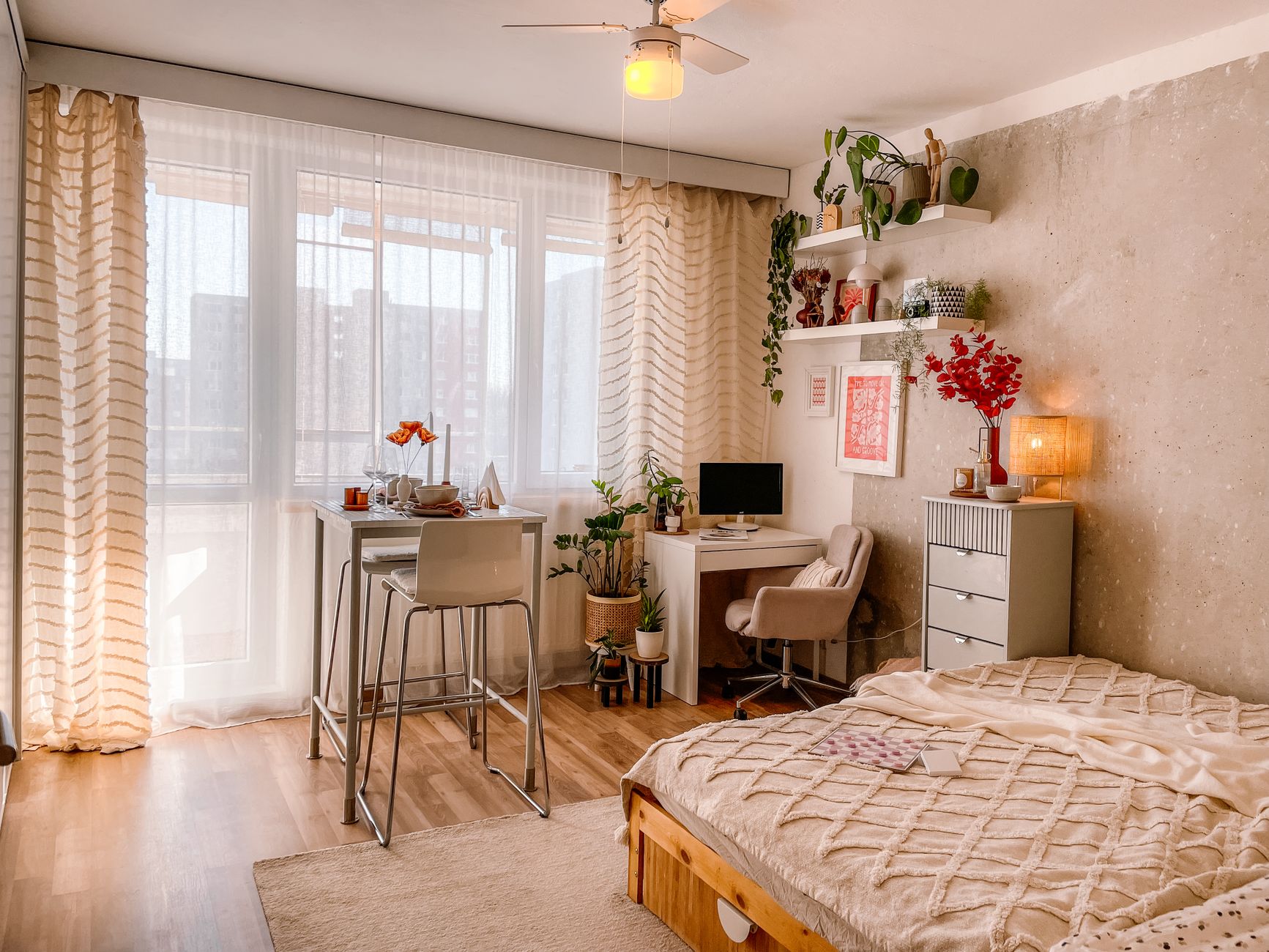
In this comprehensive guide, you'll discover how to transform your studio apartment into a high-end retreat despite limited square footage. We'll walk through everything from strategic furniture placement and color psychology to lighting tricks that make spaces feel larger and product recommendations that deliver luxury on any budget. You'll learn the exact steps to take, which styles work best in compact spaces, and how to avoid the common pitfalls that make small apartments feel cluttered or cheap. By the end, you'll have a complete blueprint for creating a space that's both functional and utterly gorgeous.
Understanding High End Studio Apartment Setup for Small Spaces
A high-end studio apartment setup is about maximizing both style and function within a compact footprint, typically under 500 square feet. It's the art of creating a space that feels expensive, curated, and intentional—without wasting precious square inches on things that don't serve you. Unlike traditional decorating advice that tells you to "minimize," a luxury studio approach says you can have both beauty AND substance. You're creating distinct zones—sleeping, living, working, cooking—within one flowing space, using smart furniture choices, lighting, and design psychology to make each area feel defined and sophisticated.
Why does this matter? Because you deserve to feel proud of your home. Small spaces often feel like temporary situations, but they're actually the perfect canvas for creating something intentional and beautiful. The problem most people make is either going too minimal (cold, empty-feeling) or cramming in too much (cluttered, chaotic). They choose budget pieces hoping quantity will help, which backfires because cheap furniture actually makes small spaces look smaller. The sweet spot? Investing in a few quality pieces, choosing a cohesive design direction, and being extremely intentional about what stays and what goes. A high-end approach to a studio means every item earns its place. Your lamp isn't just functional; it's a sculptural piece. Your storage isn't hidden away; it's beautiful enough to display. Your bed isn't just where you sleep; it's a focal point that anchors the entire room.
Common mistakes I see constantly: using too many colors (creates visual chaos), choosing furniture that's too large (overwhelms the space), neglecting vertical space (missing precious real estate), poor lighting (makes everything look dim and depressing), and treating the studio as "temporary" instead of investing in pieces you actually love. The biggest mistake? Not having a plan before shopping. One trip to IKEA without vision and suddenly you have a bunch of stuff that doesn't work together.
Planning Guide for High End Studio Apartment Setup for Small Spaces
Before you buy a single thing, you need a solid plan. This isn't about rigid rules—it's about creating a framework that keeps you on track and prevents expensive mistakes. Start by measuring every wall, window, and closet. Seriously, get out a tape measure right now. Then, think about how you actually live. Are you working from home? Do you entertain frequently? How much cooking do you really do? Do you have hobbies that need space? Your lifestyle should shape every design decision.
Next, choose your design direction. Are you drawn to modern minimalism, cozy scandinavian, warm maximalism, industrial chic, or luxury traditional? Don't try to blend too many styles—this creates visual noise in a small space. Pick one direction and commit to it. This is your North Star for every purchase. Then establish a color palette. For most studio apartments, a neutral base (whites, grays, warm beiges, soft blacks) with 2-3 accent colors works beautifully. This creates visual flow while allowing personality to shine through.
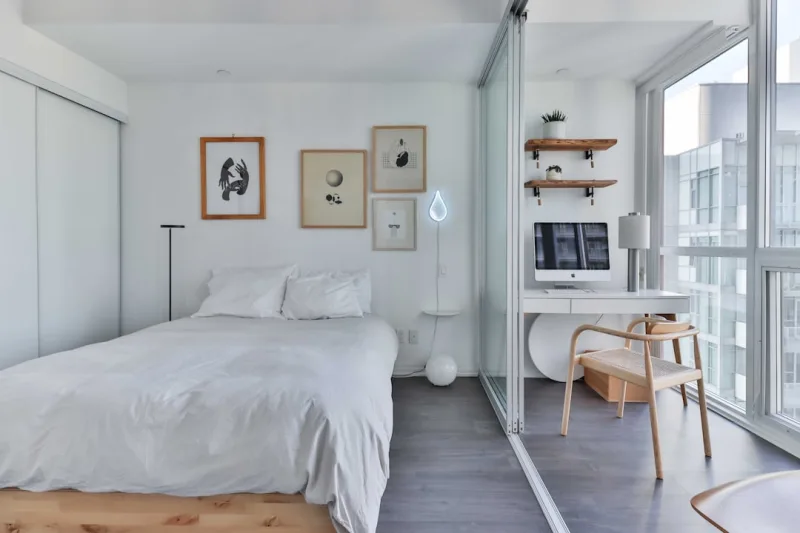
Think about zoning without walls. How will you separate your sleep area from your living area? This might be a low bookcase, an area rug, different paint colors, or even curtains. Then, before you touch furniture, plan your lighting. Layers of light (overhead, task, ambient) make small spaces feel more spacious and expensive. Finally, audit what you already own. What pieces do you genuinely love? What can stay? What needs to go? This honesty prevents wasting money on things that don't serve your vision.
Your Studio Setup Planning Checklist:
- ☐ Measure all walls, windows, doors, and closets (include ceiling height)
- ☐ Identify your lifestyle needs (work-from-home, entertaining, hobbies, cooking)
- ☐ Choose one primary design style to guide purchases
- ☐ Establish a neutral color palette plus 2-3 accent colors
- ☐ Plan zones using rugs, furniture placement, or visual separators
- ☐ Audit your current furniture and decide what stays/goes
- ☐ Map out your lighting plan (at least 3 sources per zone)
- ☐ Create a mood board with inspirational images from Pinterest or design sites
Budget Breakdown
← Scroll to see full table →
| Price Range | Items | Specific Examples |
|---|---|---|
| Under $50 | Throw pillows, area rugs, artwork, plants, mirrors, curtains, bedding, storage baskets | Target throw pillow $15 | IKEA curtains $25 | Amazon mirror $30 | Plant $20 |
| $50–$200 | Desk lamp, coffee table, side tables, shelving units, desk chair, kitchen bar stools, wall shelves | Better Homes & Gardens and Gardens desk lamp $75 | IKEA shelving unit $120 | Amazon bar stools $180 | Target side table $95 |
| $200+ | Sofa/daybed, bed frame, workspace desk, credenza, quality mattress, pendant lights | IKEA sofa bed $400 | Amazon platform bed $350 | The The Home Depot pendant light $250 | Quality mattress $600+ |
 Budget Apartment Renovation: DIY Hacks That Actually Work
Smart budgeting for a high-end studio isn't about spending the least—it's about spending intentionally. I recommend allocating roughly 40% of your budget to the big pieces (bed, sofa, desk), 30% to medium pieces (tables, shelving, quality lighting), and 30% to finishing touches (textiles, art, plants, accessories). This ratio ensures you have solid bones while still getting to add personality and beauty.
Here's my money tip: invest heavily in pieces you use every single day or see every time you walk in. Your bed, your sofa, your main lighting fixtures, and your desk (if you work from home) deserve quality. Save on things like throw pillows, wall art, and seasonal decor—these are the fun pieces you can swap out as your taste evolves. Buy good storage because it's invisible—nobody sees inside your closet, but you use it constantly. Shop sales strategically: IKEA, Target, and Amazon have predictable sale cycles. Better Homes and Gardens often has sales at Walmart. The Home Depot has seasonal sales on lighting and hardware. Wait for Black Friday or end-of-season sales if possible, but don't let hunting for deals keep you from moving forward with your vision.
Step-by-Step Guide
Step 1: Start With Your Bed
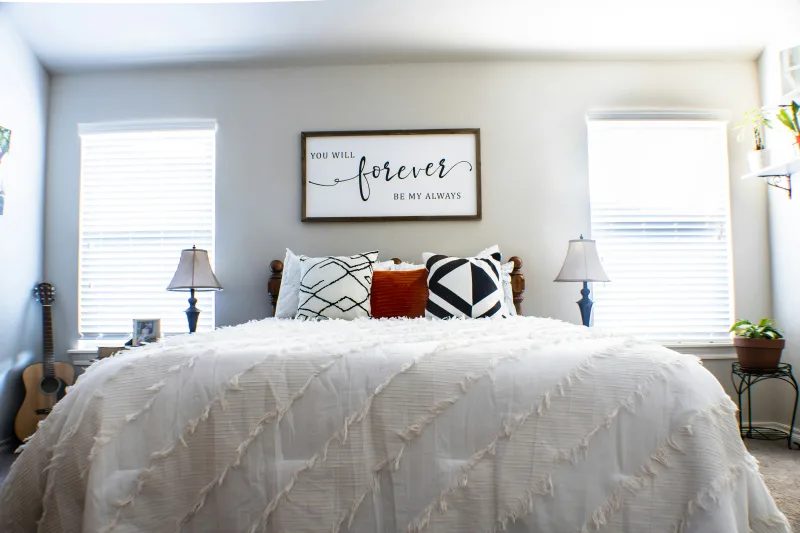
Your bed is the largest piece of furniture and often the focal point, so this is where your design truly begins. In a studio, what you choose here sets the tone for everything else. A platform bed (typically $200-$500) with clean lines works beautifully in modern spaces. A vintage metal bed frame ($150-$400) creates vintage charm. An upholstered bed ($400-$800) adds luxury warmth. Whatever you choose, it should be something you genuinely love looking at. Invest in quality bedding—Egyptian cotton sheets ($50-$150), a beautiful comforter or duvet ($100-$300), and good pillows ($50-$100 for quality ones). This isn't just about comfort; beautiful bedding makes your bed feel like a luxury hotel, which elevates your entire space. Position your bed to anchor the space: against a long wall if possible, with a quality headboard or wall treatment behind it.
Step 2: Define Your Living and Work Zones
Use an area rug to define your living space—a 5x8 or 6x9 rug ($150-$400) is usually ideal. This rug will ground your seating area and make it feel intentional. Then, choose your seating: a compact sofa ($400-$1000), a loveseat ($300-$700), or even a beautiful chair and ottoman combination ($400-$800). If you work from home, dedicate a specific corner or wall for your desk. A slim console table ($150-$400) can double as a desk. Make sure your desk has an ergonomic chair ($150-$300) and good task lighting. This zoning is crucial—it trains your brain to understand "this is where I sleep" and "this is where I work," making your studio feel larger and more functional.
Step 3: Master Your Lighting
Lighting makes or breaks a small space. You need at least three layers: overhead ambient lighting (ceiling fixture $50-$200), task lighting (desk lamp $75-$200, pendant light $100-$300), and accent lighting (wall sconces $50-$150, string lights $20-$50). Never rely on a single overhead light—it's unflattering and makes spaces feel harsh or dingy. Install a dimmer on your overhead light if possible (The Home Depot has installation guides). Use warm-toned bulbs (2700K) for cozy spaces, cool tones (4000K) for modern spaces. Consider a floor lamp ($80-$250) in your reading corner or next to your sofa. Quality lighting is one of the best investments you can make; it genuinely makes your space feel larger, more expensive, and more inviting.
Step 4: Choose Smart Storage Solutions
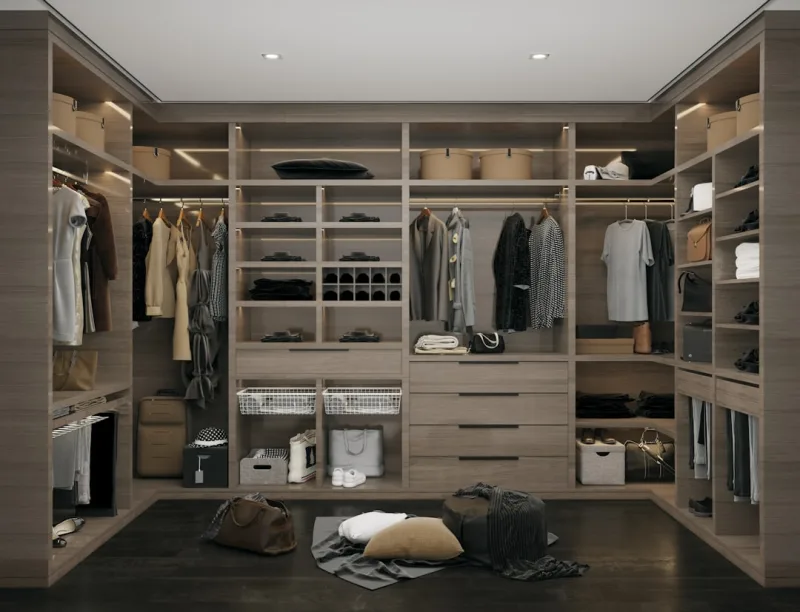
Small spaces require storage that's both functional and beautiful. Floating wall shelves ($50-$200 per unit) provide storage without eating floor space. A credenza or low bookcase ($200-$600) can store items while creating visual separation between zones. Use matching storage baskets ($20-$80 each) to keep things organized and cohesive. Don't hide all your storage—style some shelves with books, plants, and decorative objects. A tall, narrow bookcase ($150-$400) uses vertical space beautifully. Maximize your closet with good organization: slim hangers, shelf dividers, and storage boxes ($10-$50 total). The rule: if storage is visible, it should be beautiful. If it can be hidden, keep it organized.
Step 5: Layer in Textiles and Color
This is where your space gets personality. Throw pillows ($15-$50 each) introduce color, pattern, and texture. A throw blanket ($30-$80) adds coziness and visual interest. Curtains ($25-$150) frame your windows and control light while adding softness. A wall tapestry ($20-$80) or large piece of artwork ($50-$300+) gives you a focal point without taking up floor space. Layer these textiles intentionally: if your sofa is neutral, add colorful pillows. If your bed is patterned, keep pillows simpler. Your textiles tell your design story—whether that's minimalist and calm, eclectic and bold, or warm and traditional.
Step 6: Add Plants and Natural Elements
Plants are magic in small spaces—they add life, improve air quality, and make everything feel more luxurious. A large floor plant ($25-$80) adds vertical interest without using floor space. Smaller potted plants ($10-$30 each) on shelves and side tables create visual interest. A hanging plant ($15-$40) uses corner space. Choose plants that fit your lifestyle: if you travel, go for hardy options like pothos or snake plants. If you're home regularly, try ferns or fiddle leaf figs. Beautiful planters ($15-$50) elevate the look—ceramic, concrete, and woven options all work beautifully. Group plants of different heights together for visual impact.
Step 7: Final Touches and Styling
Now comes the fun part—making your space uniquely yours. Wall art ($30-$200+) should reflect your personality and coordinate with your color palette. A gallery wall (5-7 pieces, $100-$400 total) creates impact without feeling cluttered. Mirrors ($30-$150) reflect light and make spaces feel larger—place one opposite a window if possible. Decorative objects, books, and plants on shelves should be grouped in odd numbers and at varying heights for visual interest. A small side table ($75-$200) next to your sofa holds a lamp, plant, and stacked books. Candles ($10-$40) add ambiance and luxury feel. Your goal: every single item should make you smile or serve a purpose.
Best Styles and Products
Different design styles work beautifully in small spaces—the key is choosing one and committing to it. Modern Minimalist uses clean lines, neutral palettes, and purposeful pieces. It makes small spaces feel open and breathing. Scandinavian combines minimalism with warmth: light woods, cozy textiles, and natural materials create sophisticated comfort. Industrial Chic features exposed elements, metal