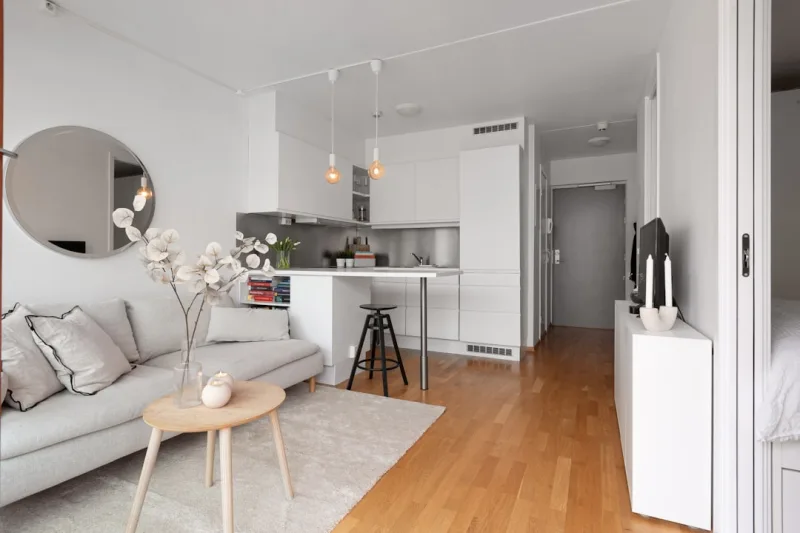
Luxury Studio Apartment Inspiration for Small Spaces: Create Your Dream Tiny Home
Living in a studio apartment doesn't mean sacrificing style or comfort. In fact, I've found that some of the most beautiful homes I've ever seen have been studios—spaces where every single detail has been thoughtfully chosen and loved. If you're staring at your compact square footage wondering how to make it feel like the sophisticated sanctuary you deserve, you're in the right place. The truth is, luxury isn't about size; it's about intention. It's about choosing pieces that make your heart happy, creating cozy corners that invite you to slow down, and designing a space that feels like a warm hug when you walk through the door. Whether you're a young professional in the city, saving for your dream home, or simply embracing the minimalist lifestyle, your studio apartment can absolutely feel luxurious, inviting, and entirely yours. Let's explore how to make that happen together.
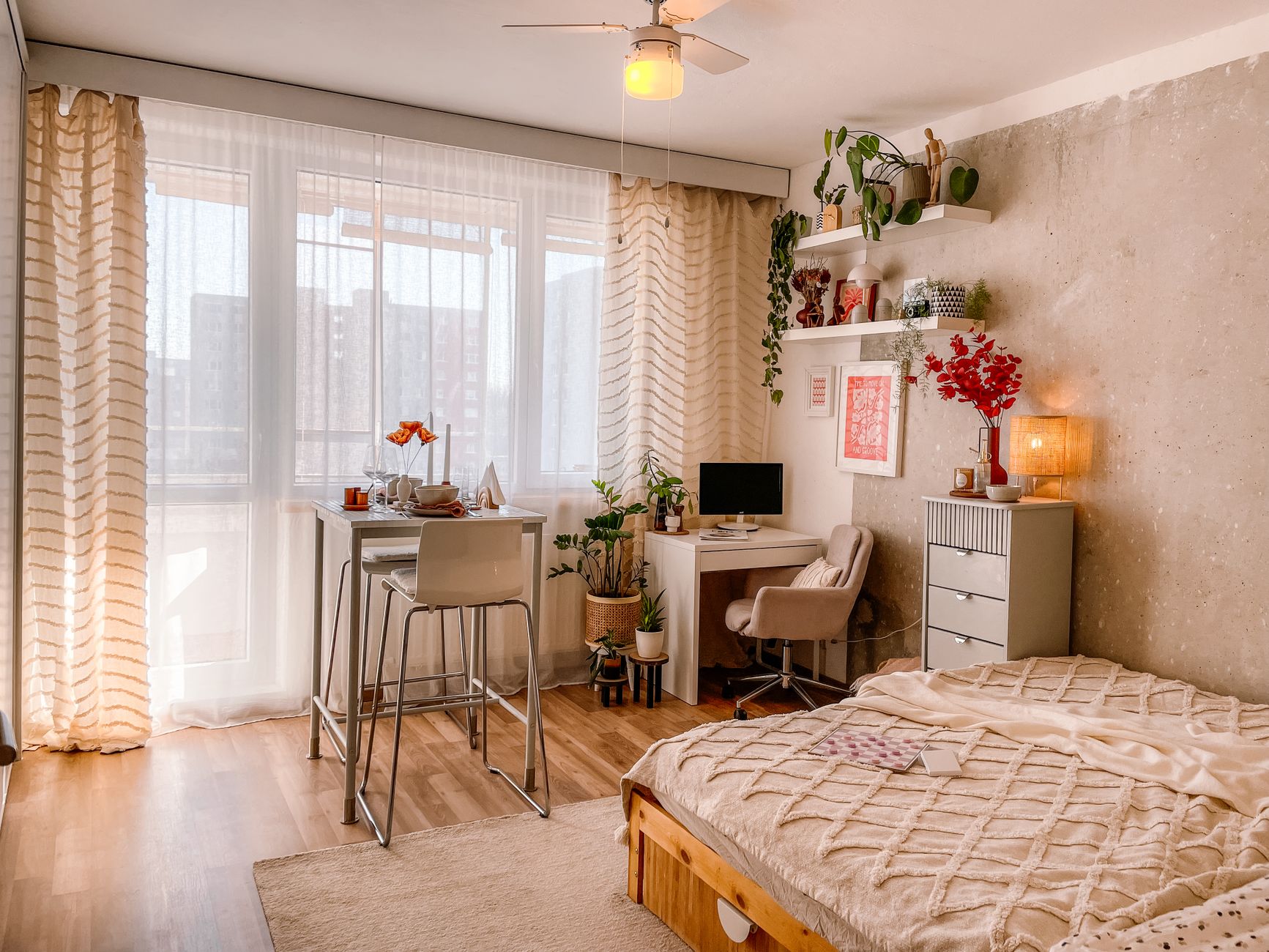
In this guide, you'll discover everything you need to transform your studio into a luxury retreat without breaking the bank. We're covering practical planning strategies, real budget breakdowns, step-by-step styling directions, and honest expert tips that actually work in real apartments. You'll learn how to maximize every inch of space, choose pieces that serve double duty, and create distinct zones that make your studio feel like multiple rooms. Plus, we're diving into specific styles, recommended products with prices, and answers to all those questions you've been wondering about. By the end, you'll have a complete roadmap to creating a studio apartment that feels expensive, sophisticated, and authentically you.
Understanding Luxury Studio Apartment Inspiration for Small Spaces
Luxury studio apartment design is about embracing the intimacy of small living while elevating every element you include. It's not about cramming expensive furniture into a tiny footprint—that's actually the opposite of what we're going for. Instead, think of luxury as quality over quantity, intentionality over impulse, and comfort merged seamlessly with style.
The magic of a luxury studio lies in understanding that constraints are actually creative opportunities. When you have limited square footage, every piece of furniture, every color choice, and every decorative accent becomes significant. You can't hide behind clutter or excess, which means you're naturally pushed toward curation. This is where true luxury emerges—in thoughtful selections and purposeful design.
Why does this matter? Because living in a space that feels intentional and beautiful directly impacts your well-being. When you come home to a studio that feels curated and sophisticated, you're not just coming home to shelter—you're coming home to a reflection of your best self. Studies show that our environments influence our mood, productivity, and overall happiness. A well-designed studio apartment isn't a luxury; it's an investment in your quality of life.
Common mistakes I see with studio design include: overlooking vertical space (studio walls are your secret weapon!), choosing too many competing patterns that create visual chaos, failing to define zones (making the entire space feel cluttered), skipping good lighting (which can make any space feel dingy), and underestimating the power of negative space (less is truly more). Another huge mistake? Furnishing a studio like it's a bigger apartment. You need pieces that work harder—ottomans with storage, nesting tables, wall-mounted shelving. Finally, many people underestimate how much personality can fit into a small space. Your studio should feel like you, not like a generic rental waiting to be filled.
Planning Guide for Luxury Studio Apartment Inspiration for Small Spaces
Before you buy a single pillow or paint a single wall, let's create a solid plan. This is where the magic starts—in the thinking and dreaming phase before purchases happen. A good plan saves you money, prevents design regrets, and ensures your studio flows beautifully.
Start by measuring everything: your walls, windows, floor space, and any architectural quirks (like closets, radiators, or odd corners). These measurements are your foundation. Next, take a brutally honest inventory of what you already own. What are you keeping? What needs to go? This clarity prevents redundancy and helps you understand the bones of your space.
Think about your lifestyle. Are you mostly sleeping and storing in this space, or will you be working from home? Entertaining guests? This determines your layout. Then consider your aesthetic: modern minimalist, moody maximalist, cozy traditional, or eclectic creative? Your style guide will inform every decision moving forward.
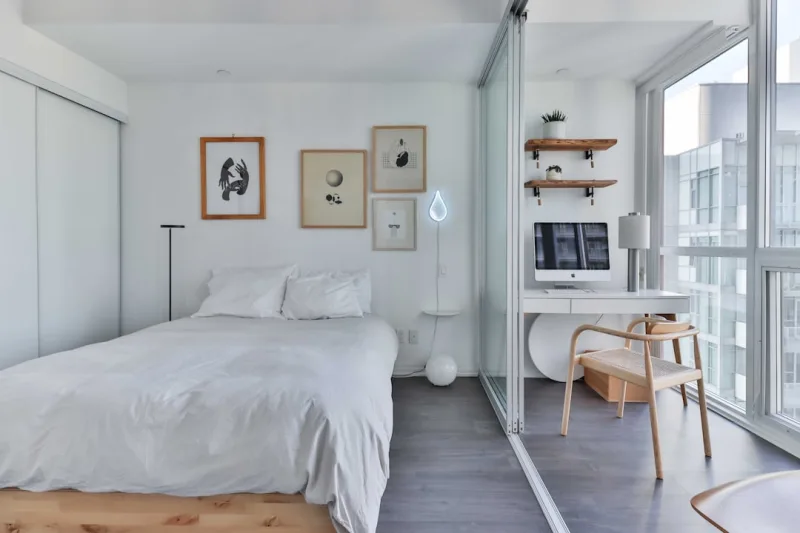
Finally, establish your zones. Even in an open-concept studio, you can create psychological separation. A bedroom zone (usually the corner away from the entrance), a living/seating zone, a work zone if needed, and a kitchen zone. These don't require walls—clever furniture placement and area rugs do the trick beautifully.
Studio Planning Checklist
- ☐ Measure all walls, ceiling height, windows, and doorways
- ☐ Create a floor plan using graph paper or a free app like Floorplanner
- ☐ Assess natural light and determine artificial lighting needs
- ☐ Identify storage solutions you currently have and what you need
- ☐ Define your style aesthetic with a Pinterest board of 20-30 images
- ☐ Establish your budget for the entire project and per category
- ☐ Plan your color palette (typically 3-4 colors maximum for cohesion)
- ☐ Prioritize needs vs. wants so essential items get funded first
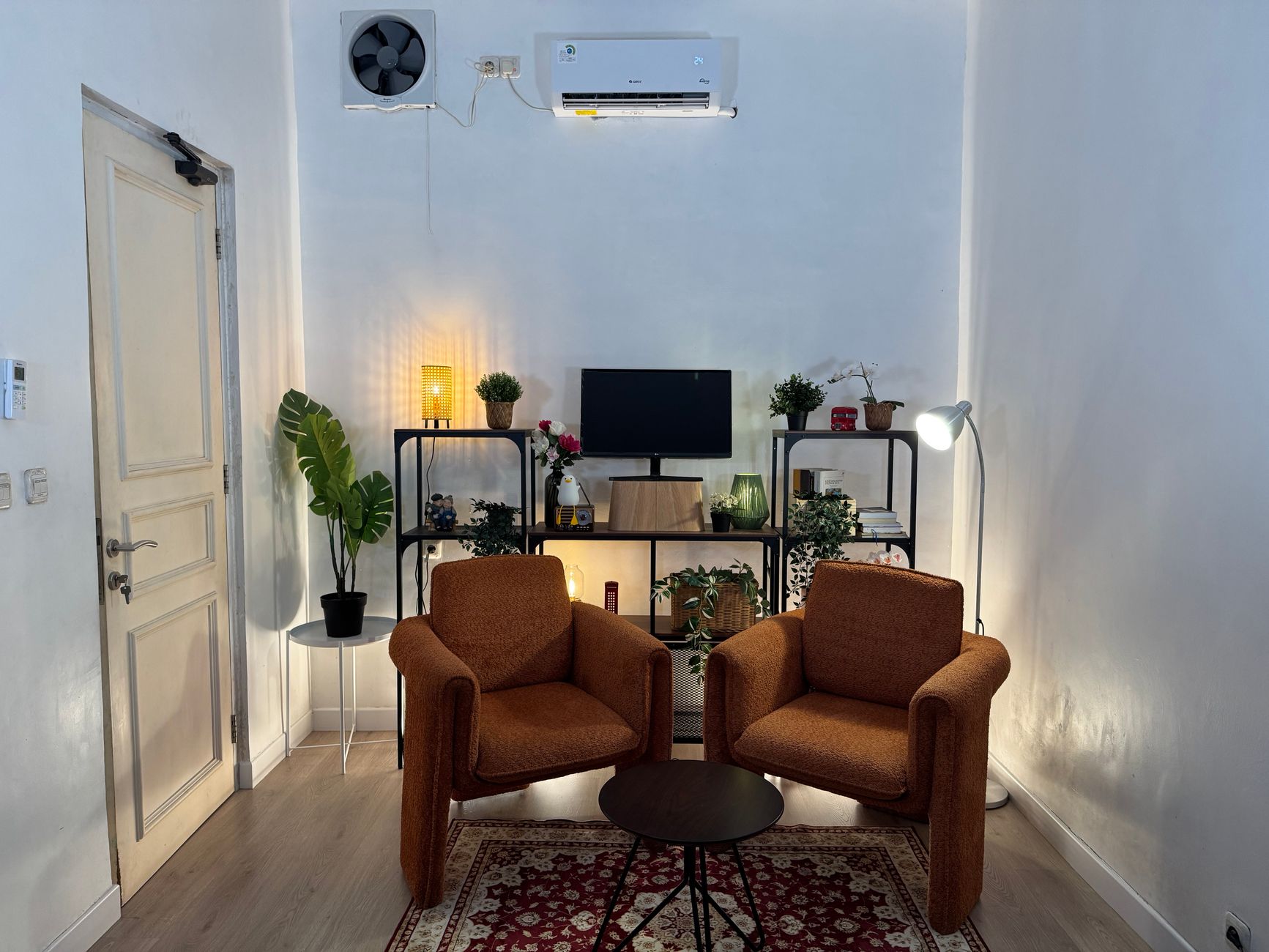
Budget Breakdown
← Scroll to see full table →
| Price Range | Items & Suggestions | Recommended Retailers |
|---|---|---|
| Under $50 | Throw pillows, blankets, mirrors, wall art prints, curtain rods, picture frames, artificial plants, under-bed storage containers, decorative baskets, string lights | Target, IKEA, Amazon, Better Homes & Gardens and Gardens |
| $50-$200 | Area rugs, floating shelves, desk lamps, nightstands, small dresser, murphy desk, curtains, bookshelf, accent chair, coffee table, storage ottoman | IKEA, Amazon, Target, Wayfair, The The Home Depot |
| $200+ | Bed frame, mattress, sofa or sleeper sofa, dining table, bookcase unit, office desk, chandelier or statement lighting, quality window treatments, area rug (larger), bed set with quality sheets | West Elm, Article, CB2, IKEA (higher-end line), The Home Depot, Amazon |
Let's talk money because it matters. A realistic budget for a luxury studio transformation ranges from $1,500 to $5,000, depending on whether you're starting from scratch or refreshing an existing space. The good news? You don't need to spend money recklessly to achieve luxury. Strategy is everything.
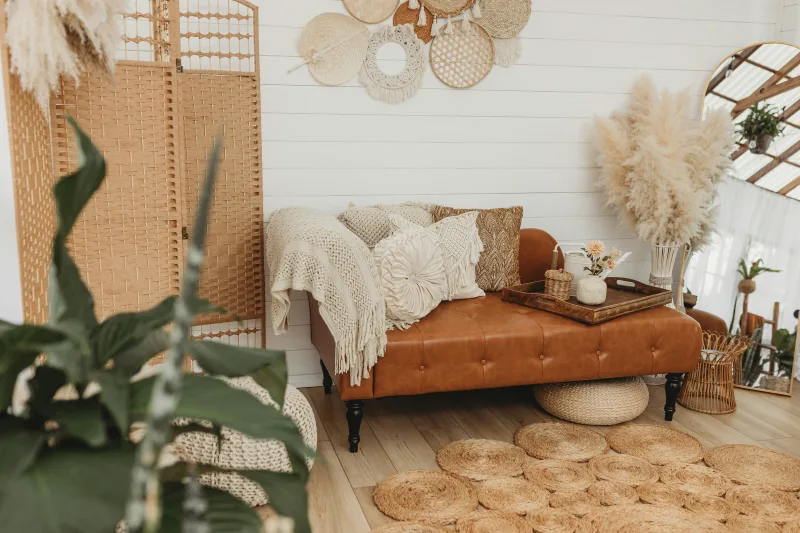 Budget Apartment Renovation: DIY Hacks That Actually Work
Prioritize your big-ticket items first: bed, sofa or seating, and storage. These form the foundation of your space and deserve quality investment. Then work your way down to smaller pieces. You'll also want to budget for paint (often the biggest bang-for-your-buck), lighting upgrades, and thoughtfully chosen accessories. Save money by: shopping secondhand for furniture pieces you'll use as-is, DIYing artwork and wall decor, choosing a neutral palette that won't need updating, investing in quality basics from IKEA and Target, and shopping sales strategically (not impulsively). A good rule: spend more on pieces you use daily and less on purely decorative items. Your bed and sofa deserve investment; your decorative objects less so.
Step-by-Step Guide
Step 1: Prepare Your Foundation
Start with the bones of your space. If you're renting, focus on non-permanent changes. If you own, this is where you might paint walls, install shelving, or add lighting. A fresh coat of paint in a sophisticated neutral (think warm white, soft grey, or creamy beige) immediately elevates any space and costs under $100 in supplies. Repair anything broken, declutter ruthlessly, and deep clean everything. You're starting fresh, and that clean slate matters psychologically.
Step 2: Design Your Layout
Using your measurements and floor plan, arrange your furniture to create flow and define zones. Your bed should be positioned where it doesn't block light or the room's visual flow—typically against a wall, ideally where you see it as the last thing before sleep. Your seating should face your main living area. Make sure you can walk from the door through the space without navigating around furniture. Leave negative space; don't fill every square inch. This emptiness is actually luxurious—it makes your space breathe.
Step 3: Upgrade Your Lighting
This might be the single most important step. Poor lighting makes luxury look dingy instantly. You need multiple light sources: overhead lighting (update fixtures if yours feels cheap), task lighting (desk lamp, bedside lamp), and ambient lighting (wall sconces, string lights, or floor lamp). Warm bulbs (2700K color temperature) create cozy luxury. Layer these three types and use dimmers if possible. Good lighting literally changes everything about how your space feels.
Step 4: Choose Your Color Palette
Select three to four colors maximum. A luxury space feels cohesive, and too many colors create visual chaos. Choose a neutral base (walls, larger furniture), one or two accent colors (through pillows, art, or an accent wall), and one pop color sparingly. Warm neutrals (creams, taupes, warm greys) feel luxurious and cozy. Add depth with different textures: soft velvet, smooth linen, nubby wool, shiny metal. Color psychology matters—blues and greens are calming, warm tones feel inviting, and sophisticated spaces often stick to a limited palette.
Step 5: Select Statement Pieces and Furniture
Choose furniture that works harder: an ottoman with storage, a console table that doubles as a desk, a bed with under-storage, floating shelves instead of bulky bookcases. One or two statement pieces (a gorgeous mirror, a unique chair, a textured headboard) make your space feel designed, not generic. Quality matters more than quantity here. One beautiful piece beats five mediocre ones every single time.
Step 6: Create Depth with Layers
Luxury lives in layers. Layer your bedding with different textures and weights. Layer your windows with sheer curtains under heavier drapes. Layer your floor with an area rug over hardwood. Layer your walls with art, mirrors, and floating shelves. These layers create visual interest and make a small space feel sophisticated rather than bare. Each layer should complement the others, building cohesion throughout.
Step 7: Style with Intention
Finally, add accessories thoughtfully. Curate objects you love—books, plants, artwork, decorative boxes, candles. Arrange them in odd numbers (three candlesticks rather than two, five books rather than four) because odd numbers feel more natural and appealing. Leave some surfaces clear to avoid visual clutter. Your space should tell your story without screaming for attention. In luxury design, restraint is always in style.
Best Styles and Products
Let's talk style directions and specific pieces that deliver luxury in a studio setting. Each style listed below adapts beautifully to small spaces when executed thoughtfully.
Modern Minimalist
Clean lines, monochromatic palette, and functional design define this approach. Perfect for those who crave calm and clarity. Choose furniture with slim profiles, clear surfaces, and quality construction. Storage is hidden. Colors stay neutral. This style actually makes small spaces feel larger because there's visual breathing room. It's sophisticated, serene, and timeless.
Warm Contemporary
Modern bones with warmth, texture, and personality. Neutral walls but rich textures—linen, wood, wool, leather. Warm lighting. A few meaningful art pieces and plants. This feels designed without looking sterile. Perfect for those who want sophistication without cold minimalism. It's the "expensive apartment" aesthetic that feels like home.
Bohemian Luxury
Eclectic, layered, and artistic. Warm earth tones, natural materials, collected objects, plants everywhere, mixed patterns (when cohesive). This requires restraint to avoid chaos—luxury boho is curated, not cluttered. Think expensive vintage finds, quality textiles, and intentional layering. It's creative and individualistic.
Classic Scandinavian
Light, airy, functional, and beautifully simple. Whitewashed wood, cozy textures, thoughtful design, and clever storage. It feels expensive because nothing is wasted—every piece serves purpose and looks beautiful doing it. Hygge (cozy warmth) is built into the bones of this style.