Smart Studio Apartment Renovation for Beginners: Transform Your Space Without Breaking the Bank
Look, I get it. You're staring at your studio apartment — maybe it's got dated paint, weird lighting, or that one corner that just doesn't work — and you're thinking, "I have no idea where to even start." Here's the thing: renovating a studio doesn't require hiring expensive contractors or having years of DIY experience. It's actually the perfect project to level up your home decor skills without overwhelming yourself.
The beauty of a studio renovation is that it's manageable. You're not tackling a sprawling three-story home. Instead, you're working with a compact space that actually responds really well to smart updates. A fresh coat of paint, some strategic storage solutions, better lighting — these small changes can completely transform how your place feels and functions. Honestly, I've seen tiny studios go from blah to beautiful with just a few focused improvements.
This guide is designed specifically for beginners who want real, practical advice without all the overwhelming jargon. We'll walk through what you need, the actual steps to take, and how to do it all on a reasonable budget.
What You'll Need
Before you grab your shopping cart, let's be honest about what actually matters for a studio renovation. You don't need every fancy tool in existence. Focus on the essentials that'll make the biggest impact.
Materials & Tools (Approximate Costs)
- Interior Paint (2 gallons) — $40-60 (Grab it from The The Home Depot or your local paint store. Benjamin Moore and Sherwin-Williams are solid choices for quality.)
- Paint Rollers, Brushes & Trays — $25-35
- Drop Cloth & Painter's Tape — $15-20
- LED Strip Lights or Peel-and-Stick Panels — $30-80 (seriously game-changing for small spaces)
- Floating Shelves (2-3 units) — $50-100
- Wall-Mounted Storage Solutions — $40-70
- Caulk & Caulking Gun — $8-15
- Drill with Basic Bits — $60-100 (or borrow if you don't have one)
- Level & Stud Finder — $25-40
- Primer (1 gallon) — $15-25
- Fabric & Wallpaper Samples (optional) — $10-30
- Hardware (nails, screws, anchors) — $10-20
Step-by-Step Guide
Step 1: Assess Your Space & Make a Plan
Don't just dive in. Spend an afternoon actually looking at your studio. Take photos from different angles. What bothers you most? Is it the lighting? The storage? The wall color? Write these down. I always recommend checking out inspiration on HGTV or Better Homes & Gardens & Gardens to see what resonates with you — you'll figure out your style faster that way. Sketch out a simple plan. You don't need architectural drawings; a rough sketch helps you visualize changes and decide what's worth your time and money.
Step 2: Declutter and Deep Clean
This is non-negotiable. You cannot renovate a cluttered space — trust me on this. Pull everything out of your studio (or at least off the walls and floors). Donate, sell, or trash what you don't actually use. Deep clean those walls because paint won't stick well to grimy surfaces, and dust bunnies under furniture are depressing. Now your space is ready to work with.
Step 3: Prep Your Walls
Preparation is where most beginners stumble — or succeed, honestly. Fill any holes or dents with spackling compound. Sand those rough spots smooth. Wipe everything down with a damp cloth to remove dust. If your walls are glossy, lightly sand them so primer adheres better. Tape off trim, windows, and anything you don't want painted using painter's tape. This step feels tedious, but it's the difference between a professional-looking finish and an amateur one.
Step 4: Prime and Paint
Apply primer first — especially if you're going from dark to light or covering stains. One coat usually suffices for basic changes. Let it dry completely (check your primer's instructions). Then paint with your chosen color. Two coats is standard for good coverage. Use long, smooth strokes with your roller, working in sections. Don't oversaturate — let the paint do the work. The Home Depot has great tutorials if you're nervous about this part.
Step 5: Install Lighting Updates
This alone transforms a studio. LED strip lights are phenomenal for studios because they're flexible, look modern, and don't require complex wiring. Mount them above cabinets, around mirrors, or along shelving. They're incredibly forgiving for beginners. If you want more dramatic change, consider a track lighting system — also relatively DIY-friendly. Make sure your light fixtures complement your new paint color and overall vibe.
Step 6: Add Smart Storage Solutions
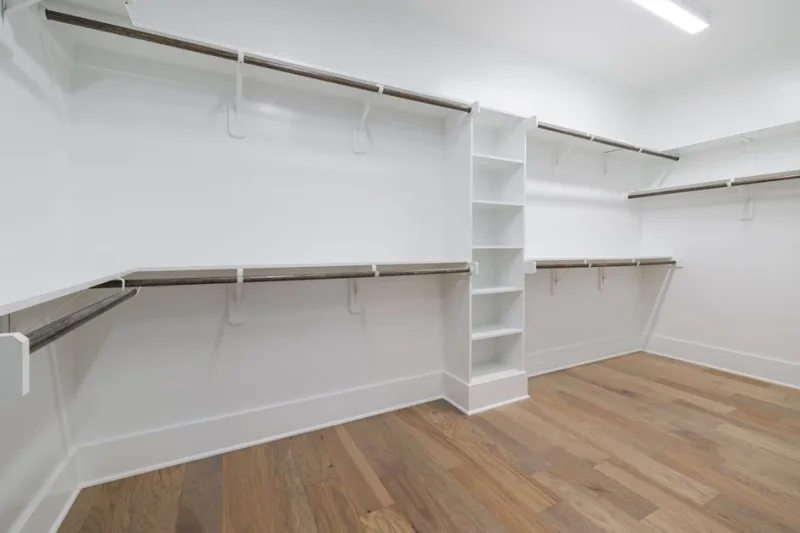
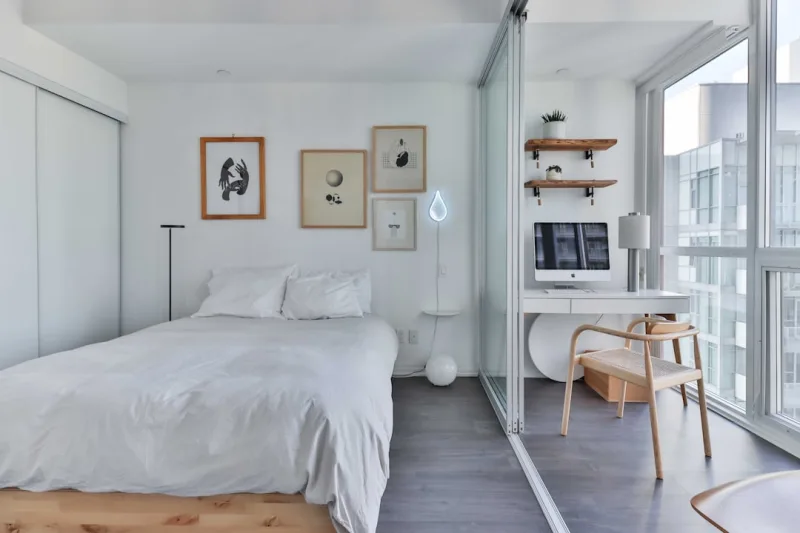
Vertical space is your best friend in a studio. Install floating shelves above your desk, bed, or in corners. Wall-mounted shelving keeps your floor clear and makes the space feel less cramped. Add storage ottomans or under-bed containers for hidden organization. Every studio dweller needs places to stash things without them looking like clutter.
Step 7: Final Touches & Styling
 Budget Apartment Renovation: DIY Hacks That Actually Work
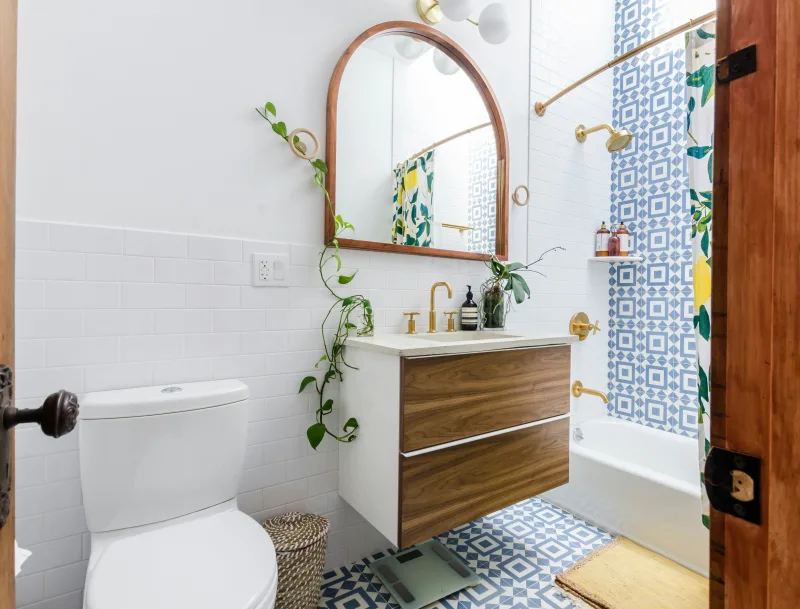
Now comes the fun part. Add mirrors to amplify light and create an illusion of space. Incorporate plants — they're cheap, alive, and improve air quality. Hang artwork that makes you happy. Switch out your shower curtain if you have a bathroom visible from your main living area. These finishing details make your studio feel intentional and personal, not temporary.
Pro Tips
Use Light Colors Strategically: Light, neutral walls make studios feel larger. But don't go completely bland — pick a color with personality. Soft whites, pale grays, and warm creams work beautifully.
Measure Everything Twice: Seriously. I've made mistakes assuming dimensions. Grab a tape measure before buying shelves or storage units. An extra five minutes of measuring saves hours of frustration.
Invest in Quality Paint: Cheap paint requires more coats and looks chalky. Spend a bit more on decent paint and you'll love the results. It's worth it.
Don't Fear Bold Accents: If your walls are neutral, go bold with one accent wall or colorful furniture. This prevents your studio from looking sterile. A jewel-tone accent wall behind your bed? Chef's kiss.
Rent or Borrow Tools: You don't need to own everything. Most hardware stores rent tools affordably. No need dropping $200 on equipment you'll use once.
Work on a Weekend: Painting and installing shelves takes time. Give yourself a full weekend (or two). Rushing leads to mistakes.
Cost Breakdown
← Scroll to see full table →
| Item | Low Estimate | High Estimate |
|---|---|---|
| Paint & Primer | $55 | $85 |
| Paint Tools (Rollers, Brushes) | $25 | $35 |
| Drop Cloth & Tape | $15 | $20 |
| Lighting Upgrades | $30 | $80 |
| Floating Shelves | $50 | $100 |
| Storage Solutions | $40 | $70 |
| Tools (Drill, Level, etc.) | $60 | $100 |
| Hardware & Accessories | $20 | $35 |
| Total Project Cost | $295 | $525 |
FAQ
Q: Do I really need a stud finder? Can't I just drill anywhere?
A: Okay, so technically you could, but please don't. Hitting a stud gives your shelves actual support and means they won't rip out of drywall under weight. A stud finder costs like $25 and takes the guesswork out entirely. Plus, you avoid damaging plumbing or electrical lines (which is genuinely dangerous). Just use the tool — your future self will thank you.
Q: What if I rent and can't paint?
A: Paint one accent wall if your landlord allows it, or skip the paint and focus on removable changes — peel-and-stick wallpaper, LED lights, furniture arrangement, storage solutions, and mirrors. You'd be amazed how much personality you can add without permanent changes. Renters absolutely get the short end of the stick here, but it's doable.📷 Photo by Aquilion Property on Unsplash