How to Design a Modern Studio Apartment Layout on a Budget
Let me be real with you — designing a studio apartment is basically like playing interior design Tetris. You've got limited space, but honestly? That's where the magic happens. I've worked with dozens of people who thought their small footprint was a curse, and by the end, they realized it forced them to get creative in ways they never would have in a larger space. The best part? You can pull off a genuinely stylish, functional modern layout without dropping a fortune.
Here's the thing about studio apartments: they're not just trendy for the Instagram aesthetic (though they definitely look good). They're actually perfect for testing out design principles because every square foot counts. When you're working with limited space, you learn real fast what actually makes a home feel good versus what's just visual noise.
In this guide, I'm walking you through exactly how to create a modern studio layout that looks intentional, functions beautifully, and won't require you to sell a kidney. We're talking smart zoning, multipurpose furniture, and design tricks that honestly work just as well in bigger homes — they're just more essential here.
What You'll Need
Before we dive into the layout specifics, let's talk about the actual stuff you'll be working with. You don't need a ton of items, but the ones you choose should earn their place.
Furniture & Large Items
- Platform bed or bed with storage underneath — $200–$400 (Check The The Home Depot for solid options)
- Small sectional or sofa bed — $300–$600
- Dining table (wall-mounted or compact) — $80–$250
- Shelving unit or bookcase — $60–$200
- TV stand (wall-mounted) — $40–$150
- Storage Ottoman — $100–$300
Decor & Accessories
- Area rug (6x9 or smaller) — $50–$150
- Curtain rod & modern curtains — $30–$80
- Wall-mounted shelves — $40–$120
- Paint (1 gallon for accent wall) — $25–$40
- Lighting (pendant, table lamps) — $60–$150
- Mirrors (large wall mirror) — $30–$100
- Throw pillows & blankets — $40–$80
Tools & Supplies
- Drill & basic tool set — $50–$100
- Wall anchors & hardware — $15–$25
- Painter's tape & supplies — $20–$30
Step-by-Step Guide
Step 1: Establish Your Zones
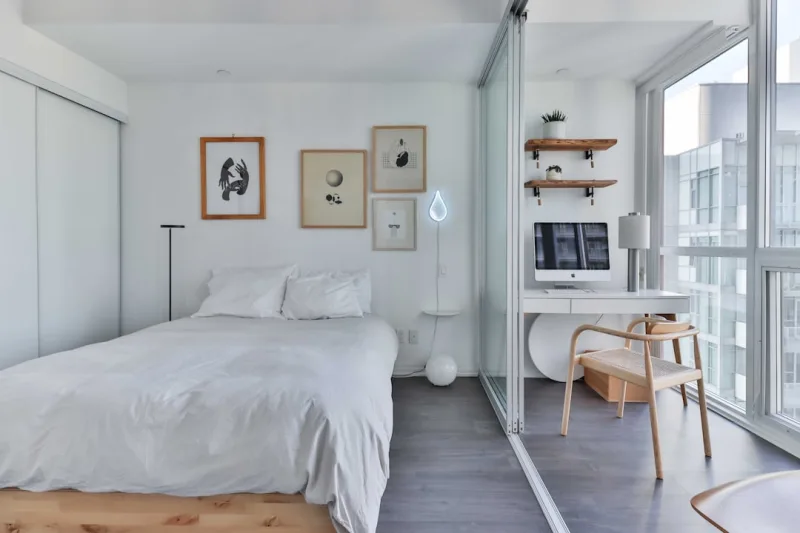
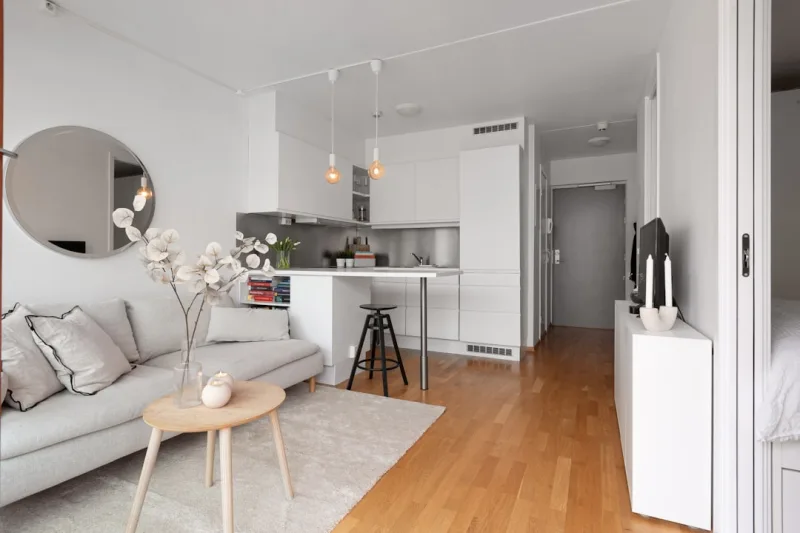
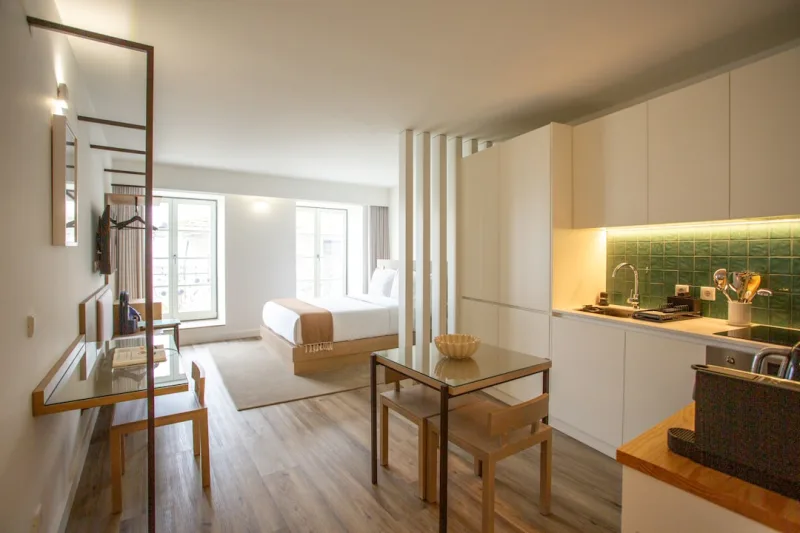
Okay, so this is where your design game either wins or loses. Before you buy a single thing, you need to identify where your living zone, sleeping zone, and working zone will be — because yes, even your desk needs a "zone."
Walk around your space. Where's your natural light coming from? That's usually where you want to position your bed or a seating area. The corner furthest from the main entrance? That's prime real estate for a bedroom setup. Mid-space near a wall? Hello, dining or work area. Take photos and honestly sketch it out — you don't need anything fancy, but mapping this out saves you from rearranging furniture three times like I did in my first apartment (rookie mistake).
Step 2: Choose Your Color Palette
Modern design thrives on simplicity, and your color palette is the foundation. I'd recommend going with a neutral base — whites, soft grays, warm beiges — and then picking 2-3 accent colors that make you happy. The reason? Neutrals make small spaces feel larger, and they're way more forgiving when you need to swap out decor later.
Paint an accent wall if your landlord allows it (test the waters first). This doesn't have to be dramatic — even a soft sage or warm gray works wonders. According to design pros at Better Homes & Gardens & Gardens, a single accent wall can define a zone without overwhelming the space.
Step 3: Layer Your Lighting
Here's where rookies always slip up: they rely on one overhead light. Wrong move. Layer your lighting with overhead fixtures, table lamps, and maybe some ambient lighting like a dimmable pendant or LED strips behind shelving. This actually makes your space feel bigger and way more sophisticated.
 Budget Apartment Renovation: DIY Hacks That Actually Work
Wall-mounted lights are your friend here — they save table space and look intentionally modern. String up some warm-toned Edison bulbs or go for clean, minimalist sconces. Your future self will thank you when you can actually adjust the mood of your space.
Step 4: Invest in Smart Furniture
In a studio, your furniture needs to earn its keep. A bed with drawers underneath? That's not luxury — that's survival. A sofa that converts to a bed? Gold. A wall-mounted desk that folds up? Genius.
Don't buy seven chairs when one great ottoman with storage does the work of three pieces. Hit up The Home Depot or even better, check out HGTV's shopping section for multipurpose furniture that actually looks good. Modern design philosophy is all about form meeting function, and honestly, that's exactly what a studio demands.
Step 5: Create Visual Separation With Rugs
An area rug is basically interior design's secret weapon for studios. A 6x9 or even a 5x8 rug placed strategically can visually separate your living area from your sleeping area without needing an actual wall. Choose one with a modern geometric pattern or a solid neutral tone — this keeps things clean and intentional.
Pro tip: Rugs also add warmth and sound absorption, which makes your studio feel less echoey and more like an actual home.
Step 6: Maximize Vertical Space
When you can't spread out, go up. Install floating shelves above your bed, desk, and around your walls. This draws the eye upward and makes the ceiling feel higher. Stack books, add small plants, display what makes you happy — but do it intentionally. Modern design isn't about clutter; it's about curated spaces.
Step 7: Add Mirrors Strategically
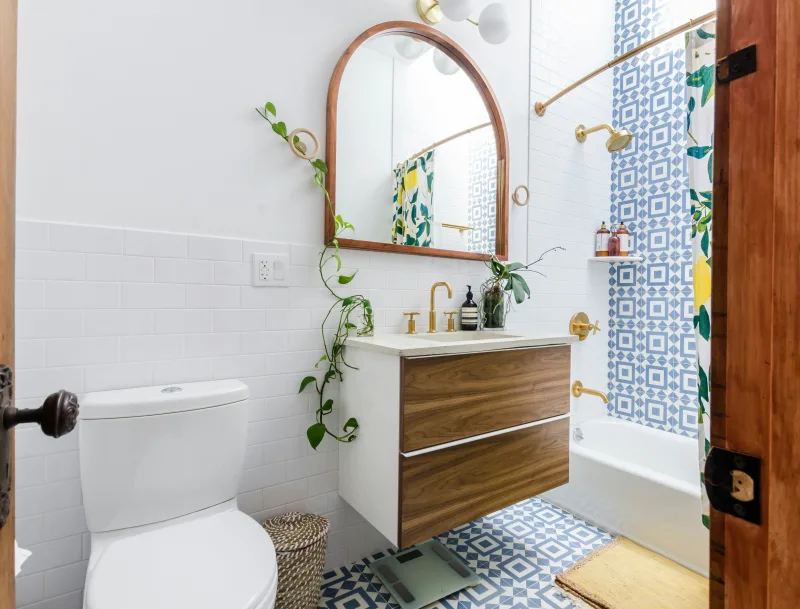
A large mirror opposite a light source bounces light around and makes your space feel twice as big. It's not a trick — it's actually how light physics works. Mount one behind your sofa, across from a window, or on the wall adjacent to your main living area.
Pro Tips
- Go vertical with storage: Wall-mounted shelves, pegboards, and hanging organizers keep your floor clear and make the space feel less cramped. Your floor plan is sacred in a studio.
- Use the back of doors: Over-the-door organizers, hooks, and mirrors add function without eating into your actual living space. Genius, right?
- Choose a consistent style: Mix modern with one other aesthetic (minimalist, Scandinavian, industrial) but don't jump between three different vibes. Consistency makes small spaces feel intentional rather than chaotic.
- Measure twice, buy once: Seriously. When space is limited, that oversized chair you loved at the store becomes a regret real fast. Use painter's tape to outline furniture sizes before purchasing.
- Embrace negative space: Modern design actually celebrates empty space. Don't feel obligated to fill every corner. Breathing room makes a studio feel luxe, not empty.
- Invest in good window treatments: Modern blackout curtains or roller shades keep your bedroom zone private and help regulate temperature — which saves money on utilities.
- Keep cords hidden: Cable management might sound boring, but hiding wires and cords instantly makes your space look cleaner and more designed. Use clips, channels, or even cable boxes.
Cost Breakdown
← Scroll to see full table →
| Category | Item | Estimated Cost |
|---|---|---|
| Furniture | Bed with storage | $250 |
| Furniture | Sectional/sofa bed | $450 |
| Furniture | Compact dining table | $150 |
| Furniture | Shelving unit | $100 |
| Furniture | Storage ottoman | $150 |
| Decor | Area rug | $100 |
| Decor | Curtains & rod | $50 |
| Decor | Paint & supplies | $50 |
| Decor | Lighting | $100 |
| Decor | Mirrors | $60 |
| Decor 📷 Photo by Aquilion Property on Unsplash |