Cozy Studio Apartment Inspiration That Look Expensive
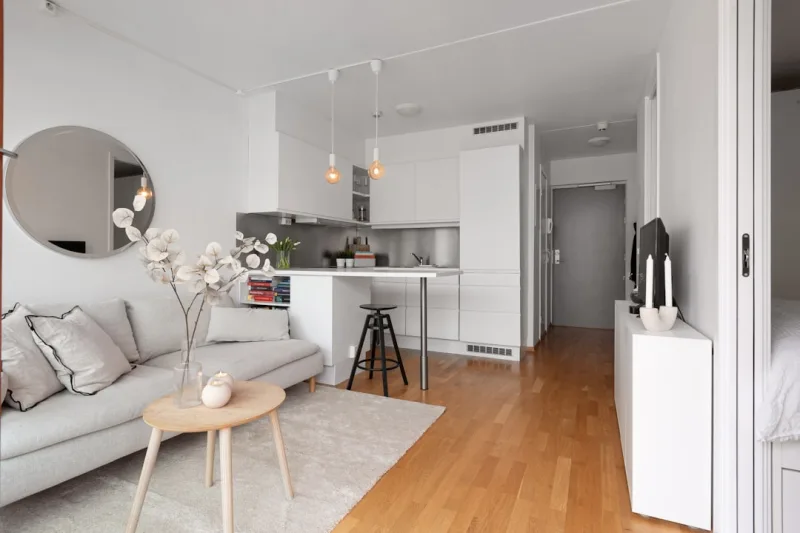
You know that feeling when you walk into someone's apartment and immediately think, "Wow, this place is stunning"? Then you find out they're working with the same 400 square feet you are — just way smarter about it. Here's the thing: making a studio apartment look luxurious isn't about dropping thousands on designer furniture. It's about strategy, intentionality, and honestly, a little bit of creative problem-solving that gets honestly a little fun once you start.
I've spent years helping people transform tiny spaces into homes that feel expensive and sophisticated, and the secret isn't some magic wand moment. It's about understanding that luxury in a small apartment comes down to texture, lighting, smart storage, and knowing exactly where to splurge versus where to save. Think warm neutrals, statement lighting, quality basics, and curated collections — not clutter. The psychology of an expensive-looking space is actually pretty simple once you break it down.
Let me walk you through exactly how to make your studio look like it costs way more than it actually did. We're talking that magazine-worthy vibe without the magazine-worthy price tag.
What You'll Need
Materials & Decor Items (with approximate prices):
- Large floor mirror with quality frame — $120-200
- Warm brass or gold pendant light fixture — $80-150
- Neutral linen curtains or natural linen panels — $60-120
- Area rug (natural fiber, 5x7 or 6x8) — $150-300
- Throw pillows in coordinating fabrics (set of 3-4) — $80-150
- Floating shelf or shelving unit — $50-150
- Paint (2-3 gallons quality interior paint) — $40-80
- Decorative baskets for storage (2-3) — $60-120
- Quality bedding set (sheets, duvet, pillows) — $200-400
- Wall art or framed prints (3-5 pieces) — $50-150
- Table lamp with linen shade — $40-100
- Indoor plants and planters (4-5) — $40-80
- Decorative books and objects for styling — $30-60
- Peel-and-stick wallpaper (optional accent wall) — $25-50
Tools You Might Need:
- Stud finder — $15-30
- Level — $10-20
- Paint roller and brushes — $20-40
- Measuring tape — $8-15
- Adhesive strips for hanging (heavy-duty) — $10-20
Step-by-Step Guide
Step 1: Start With Paint and Lighting
Honestly, this is where the magic happens. Most studios come with harsh overhead lighting and builder-beige walls — both absolutely working against you. Pick a warm, sophisticated color. I'm obsessed with soft greige, warm terracotta, or even a dusty sage right now. One accent wall works wonders in a small space without making it feel cramped. Pair this with proper lighting — ditch that ceiling fixture and install a statement pendant light. Add a couple of table lamps with warm bulbs. Lighting is literally 80% of what makes a space feel luxurious or cheap. This from HGTV, and honestly, they're completely right.
Step 2: Layer Your Textures and Fabrics
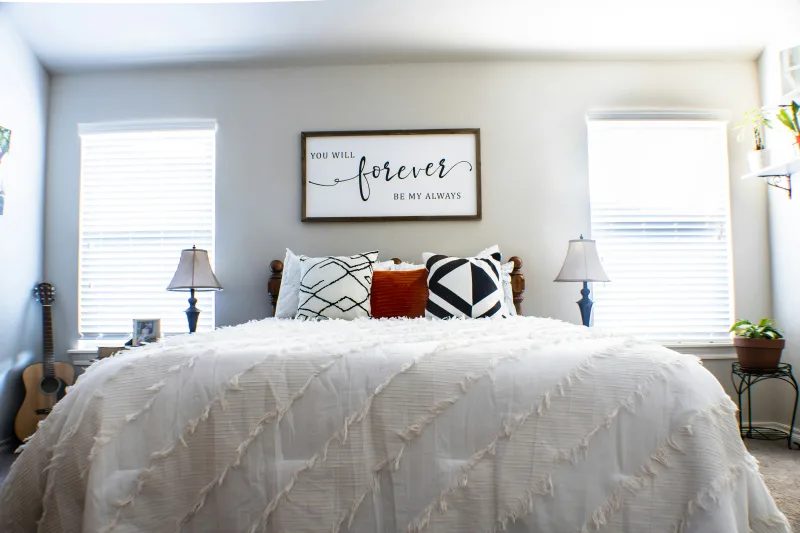
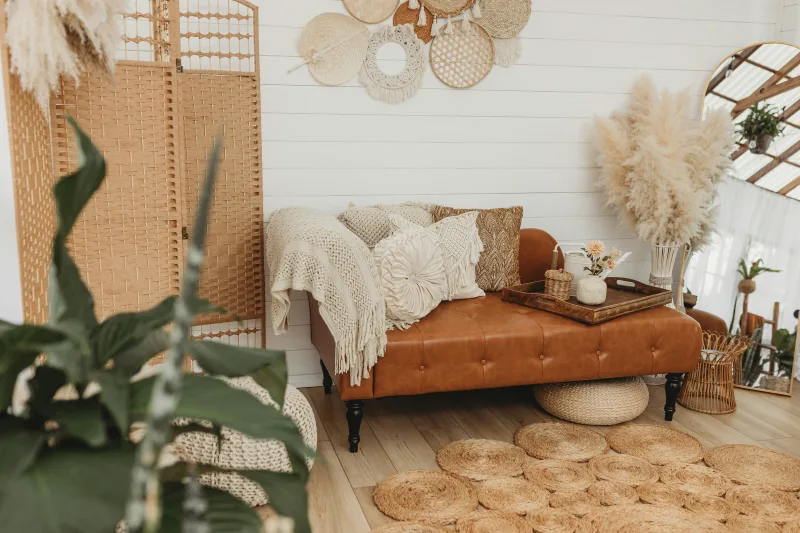
Here's where budget control really matters. Skip the expensive sofa — instead, invest in quality linen curtains, a really nice area rug (think jute, wool, or linen), and beautiful bedding. These fabrics catch light differently, feel expensive to touch, and instantly elevate everything. Add throw pillows in complementary textures — linen, velvet, maybe a knit. This isn't about matching; it's about creating visual interest that feels intentional.
Step 3: Create Vertical Storage and Organization
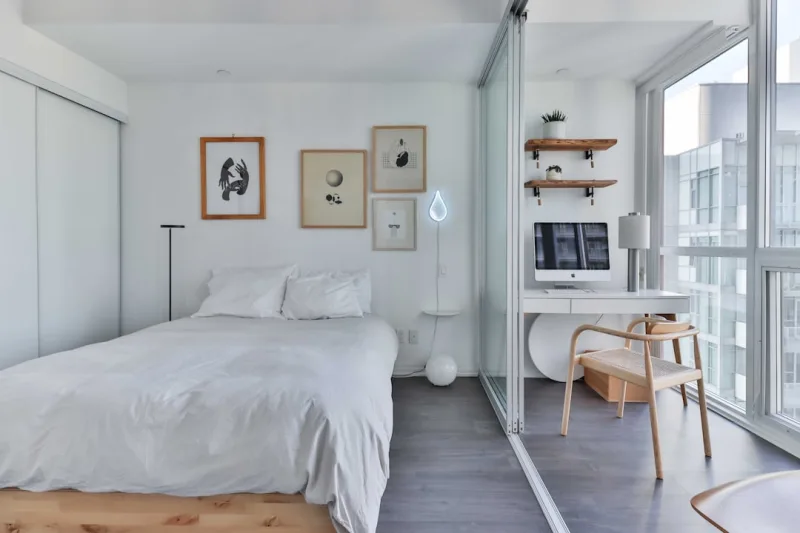
Small spaces demand smart storage. Install floating shelves above your desk or bedside area. Use decorative baskets to hide clutter — The The Home Depot has fantastic options that don't scream "storage." Organize your shelves with a mix of books, plants, and carefully chosen decorative objects. The key is that everything visible should either be beautiful or functional (or ideally both). An expensive-looking apartment doesn't have stuff scattered around — it has carefully curated collections.
Step 4: Add Visual Height With Mirrors and Art
Place a large floor mirror opposite a window to bounce light and create the illusion of more space. Arrange wall art in a thoughtful pattern — either a gallery wall or spaced-out pieces that draw the eye upward. This makes the space feel more intentional and sophisticated. The right frames matter more than you'd think; stick with simple metals or natural wood finishes.
Step 5: Bring in Plants and Natural Elements
 Budget Apartment Renovation: DIY Hacks That Actually Work
Living plants instantly make any space feel more expensive and curated. Stick with low-maintenance options like snake plants, pothos, or fiddle leaf figs. Pair them with quality ceramic or concrete planters. Not only do plants improve air quality, but they also add that organic, lived-in luxury that magazine spaces have.
Step 6: Style Your Surfaces Intentionally
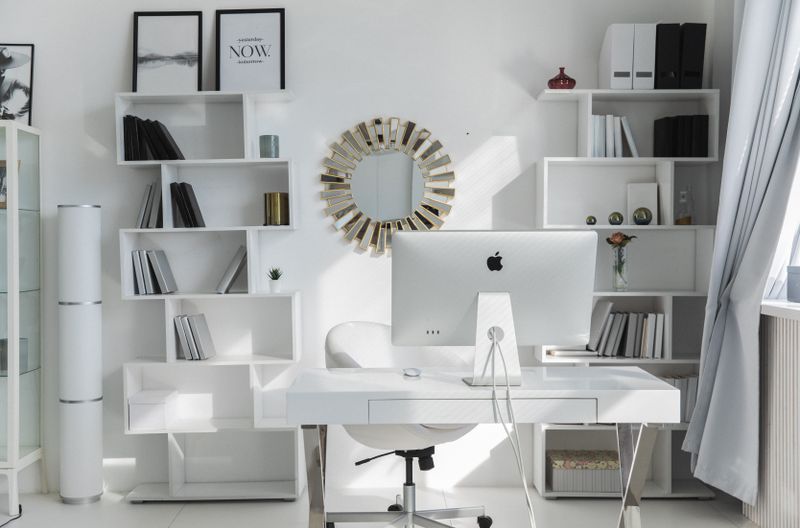
Every surface visible should be styled with intention. Your nightstand should have a lamp, a plant, maybe a stacked book or two, and something personal. Your desk area should feel organized and thoughtful. Use the rule of odd numbers for styling — three objects look more intentional than two or four. This actually comes from Better Homes & Gardens & Gardens design principles, and it genuinely works.
Pro Tips
Go Neutral and Add Warmth Through Texture: Expensive-looking spaces usually follow a cohesive color palette. Stick with warm neutrals — cream, taupe, soft gray, warm white — then add depth through different fabrics and materials. This makes everything feel more intentional and high-end.
Splurge on What Touches Your Skin: Honestly, this is the best money advice I can give you. Invest in quality sheets, a good mattress, and nice towels. Cheap bedding immediately makes a space feel cheap, no matter what else you've done. People feel this the moment they touch your space.
Keep It Minimal and Curated: There's a massive difference between cozy and cluttered. An expensive studio has breathing room. Every item serves a purpose or brings joy. If you have something "just because" or "I might use it someday," it's gotta go.
Use Warm Lighting Temperatures: This cannot be overstated. Cool white bulbs make apartments feel institutional. Switch to 2700K warm white bulbs throughout. This single change makes everything instantly more luxurious and inviting.
Create Defined Zones: Even in a studio, you can suggest separate areas. Use an area rug to define your sleeping area, your work area, and your living area. This psychological separation makes the space feel larger and more intentional.
Cost Breakdown
← Scroll to see full table →
| Category | Item | Cost |
|---|---|---|
| Walls & Paint | Paint (2-3 gallons) | $60 |
| Lighting | Pendant light + table lamps | $150 |
| Window Treatments | Linen curtains | $100 |
| Flooring | Area rug (natural fiber) | $200 |
| Bedding | Quality sheets, duvet, pillows | $300 |
| Furniture (Minimal) | Floating shelves + storage baskets | $150 |
| Textiles | Throw pillows | $120 |
| Mirrors 📷 Photo by Clay Banks on Unsplash |