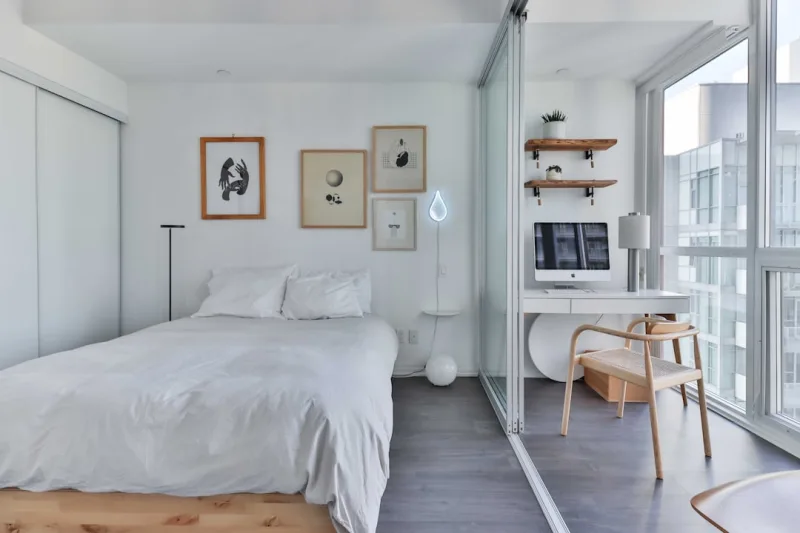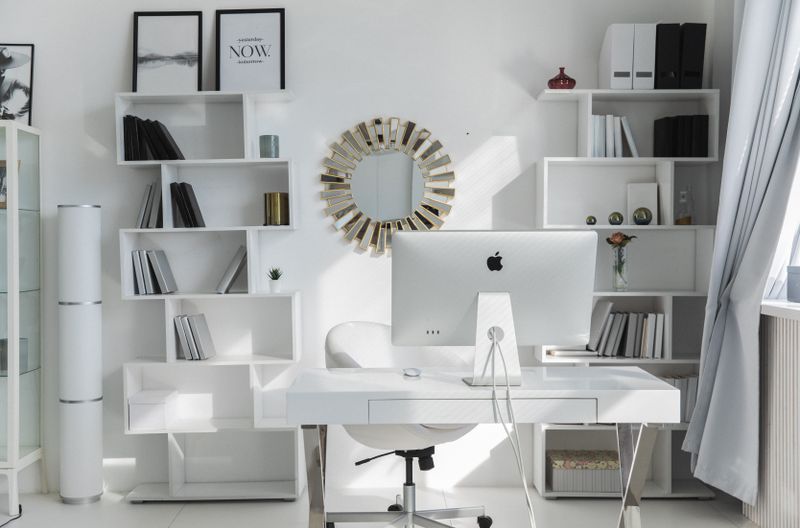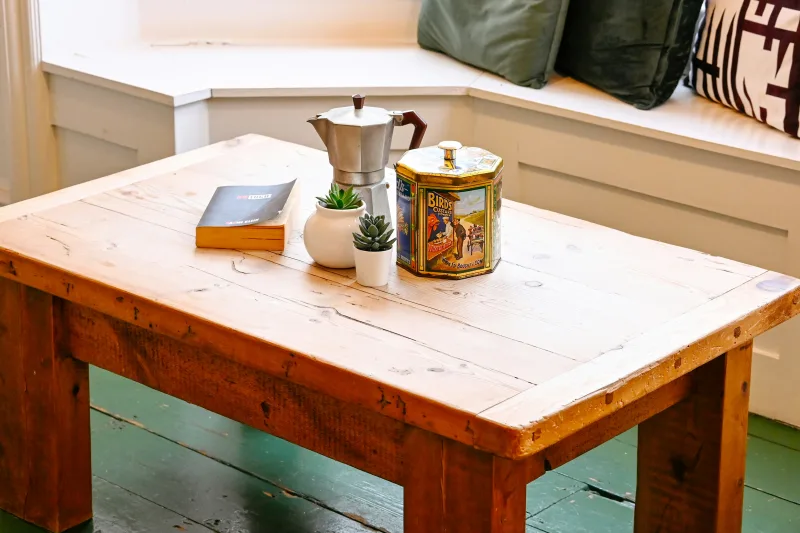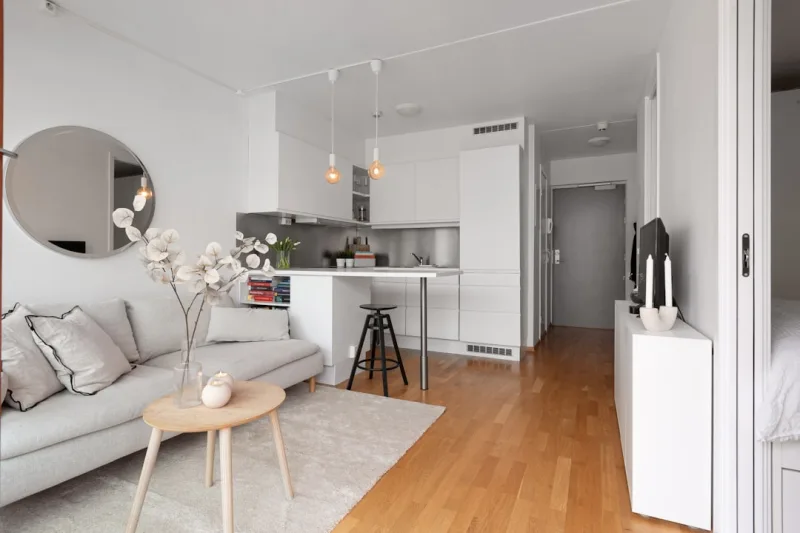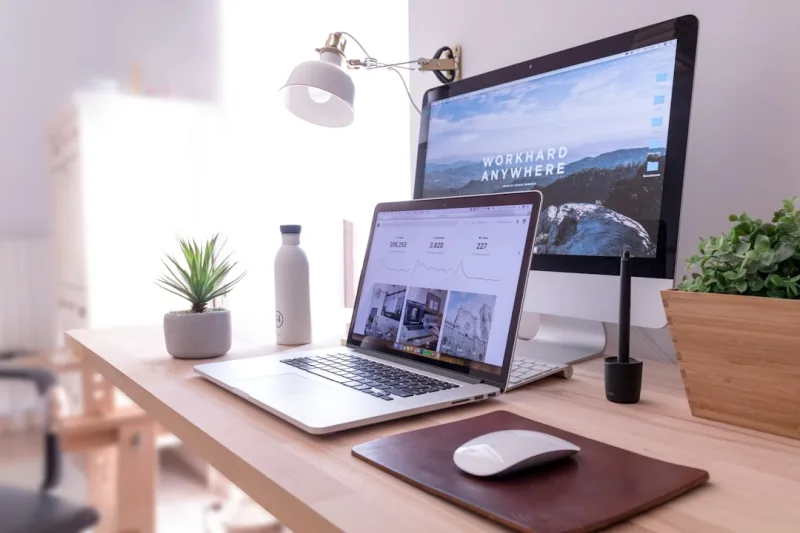
Look, I get it. Not all of us have a sprawling home office with floor-to-ceiling windows and enough square footage to do yoga between meetings. Most of us are carving out a corner of the bedroom, a nook in the living room, or — honestly — that weird awkward space under the stairs. And you know what? That's totally fine. The secret isn't having more space; it's being intentional about how you use it.
I've spent the last few years helping friends and clients transform cramped quarters into surprisingly functional — and even stylish — work zones. Here's the thing: a small space can actually force you to be more creative and organized than someone with a giant office ever has to be. You learn to maximize every inch, eliminate clutter before it even starts, and honestly, you end up with a setup that's way more focused and productive.
So whether you're working from a studio apartment, a guest bedroom, or literally just a desk wedged between your bookshelf and a wall, this guide is going to walk you through exactly how to set up a smart home office that actually works. We're talking furniture that earns its space, organizational systems that don't require a PhD, and design choices that'll make you actually want to sit down and work.
What You'll Need
Before we dive into the setup, let's talk about what you're actually working with. You don't need much, but what you do get should work overtime for you.
← Scroll to see full table →
| Item | Description | Estimated Price |
|---|---|---|
| Compact Desk (47-55 inches) | Wall-mounted or corner desk that doesn't eat up floor space | $120-$350 |
| Ergonomic Chair | Supportive, doesn't need to have arms if space is tight | $150-$400 |
| Floating Shelves (set of 2-3) | Wall storage above desk for books and supplies | $50-$150 |
| Desk Organizer/Drawer Units | Under-desk storage or vertical pen holders | $25-$80 |
| Task Lighting | LED desk lamp with adjustable arms | $30-$100 |
| Monitor Stand with Storage | Raises screen, creates desk storage underneath | $40-$120 |
| Cable Management System | Clips, sleeves, and organizers for wires | $15-$45 |
| Area Rug (optional but recommended) | Defines the space, adds comfort | $50-$150 |
Step-by-Step Guide
Step 1: Choose Your Spot and Measure Everything
This might seem obvious, but you'd be surprised how many people skip this. Grab a measuring tape and really assess your space. How much wall space do you actually have? What's the ceiling height? Are there windows you want to take advantage of? Measure twice, buy once — trust me on this one. Your future self will thank you when you're not trying to squeeze a 60-inch desk into a 55-inch gap. I usually recommend checking out The The Home Depot's site to see dimensions before you even leave home. Total game-changer.
Step 2: Select a Multi-Functional Desk
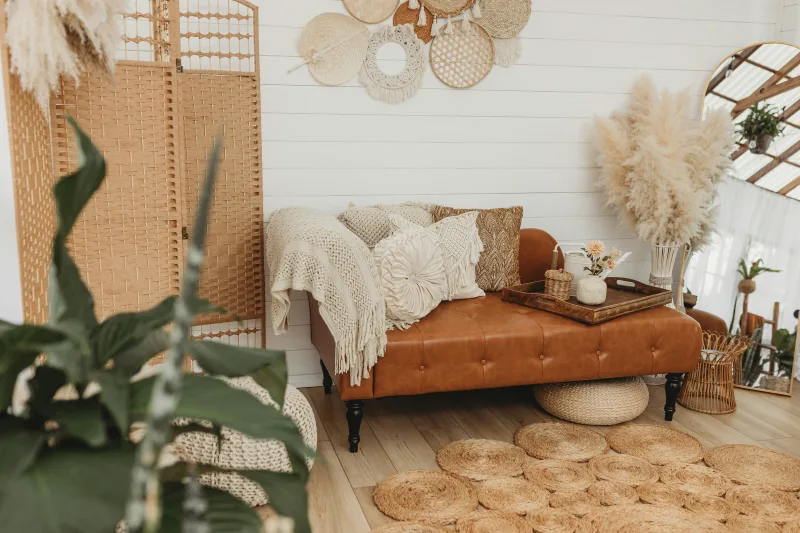 Budget Apartment Renovation: DIY Hacks That Actually Work
Here's where you get to be smart about your choices. For small spaces, I'm obsessed with either wall-mounted desks or corner desks. Wall-mounted desks fold down or extend just enough for what you need, without eating valuable floor space when you're not working. Corner desks maximize that awkward corner nobody knows what to do with. Look for one with built-in shelving or hooks — every surface that does double duty is your friend. The best part? Your legs still have room to stretch, which honestly makes a huge difference when you're sitting for eight hours.
Step 3: Go Vertical with Storage
This is non-negotiable in a small office. Your walls are premium real estate, and you need to use them. Install floating shelves above and beside your desk — aim for 12-18 inches above the desktop so your monitor doesn't block them. These shelves are perfect for books, files, a small plant, and things you need within arm's reach. Don't go overboard though; a cluttered wall makes a small space feel even smaller. Leave breathing room. Better Homes & Gardens & Gardens has some solid inspiration for floating shelf styling if you want to make it look intentional rather than just... cluttered.
Step 4: Invest in an Ergonomic Chair That Fits
Listen, you're going to spend a lot of hours in this chair. Don't cheap out on the back support. But here's the thing — in a small space, a bulky office chair with rolling arms can actually feel like it's taking over the room. Look for a compact ergonomic chair without arms, or with arms that don't extend too far out. You want something that supports your back but doesn't sprawl. If you're not at your desk all day, even a nice wooden chair with a memory foam cushion can work. Just make sure your feet touch the floor and your elbows are at desk height.
Step 5: Tame the Cable Situation
Nothing makes a small space feel more chaotic than cables draped everywhere like electronic spaghetti. Invest in cable sleeves, clips, and management boxes. Route everything along the back of the desk, use adhesive clips to keep cables close to the wall, and group them together. Use a small box or drawer organizer under the desk to corral power strips and excess cable. Yes, it takes 20 minutes to set up properly. Yes, it's worth every single minute because your space will instantly look more professional and put-together.
Step 6: Add Task Lighting
Overhead lighting? Forget about it in a small office — it just bounces around and creates glare on your screen. Get a good adjustable desk lamp with LED bulbs. Position it so the light comes from above and to the side of your monitor. This eliminates screen glare and reduces eye strain. Bonus: a nice lamp actually adds to the vibe of your space. I'm a sucker for brass or black metal options that look more like furniture than office equipment.
Step 7: Define the Space
Even in a small apartment, you want your office area to feel separate from the rest of your living space. An area rug is the easiest way to do this. It doesn't have to be huge — even a 4x6 is enough to anchor the desk and say "this is the work zone." Alternatively, a room divider or curtain panel can work wonders. You're not trying to build a wall; you're just creating a psychological boundary between work and relax mode. HGTV has some genius ideas for dividers that don't require installation or damage to walls.
Pro Tips
- Use the corners: That corner between the wall and your desk? Perfect for a tall, skinny bookshelf or a rolling cart on wheels. You're not wasting anything.
- Go paperless when you can: Less paper means less storage needed. Scan documents, use cloud storage, and only print what's absolutely necessary. Your desk stays cleaner and your life gets simpler.
- Add one plant: Honestly, even a small pothos on a shelf makes a difference. It's not just about aesthetics — plants actually improve air quality and reduce stress. Win-win.
- Keep one drawer for "work stuff": Pens, notepads, chargers, headphones — everything needs a home. A single drawer or small organizer keeps you from having chaos spread across the entire desk.
- Consider a standing desk converter: If you can't fit a full standing desk, get a riser that sits on top of your regular desk. Switching between sitting and standing every hour or two actually does wonders for productivity.
- Use backlighting behind your monitor: A cheap LED strip behind your screen reduces eye strain and honestly looks really cool. Plus it makes the space feel bigger because of the ambient light.
Cost Breakdown
← Scroll to see full table →
| Category | Low Budget | Mid-Range | Premium |
|---|---|---|---|
| Desk & Chair | $250 | $600 | $1,200 |
| Storage & Organization | $80 | $200 | $400 |
| Lighting & Accessories | $60 | $150 | $350 |
| Flooring & Decor | $50 | $150 | $300 |
| Total Estimated Cost | $440 | $ |