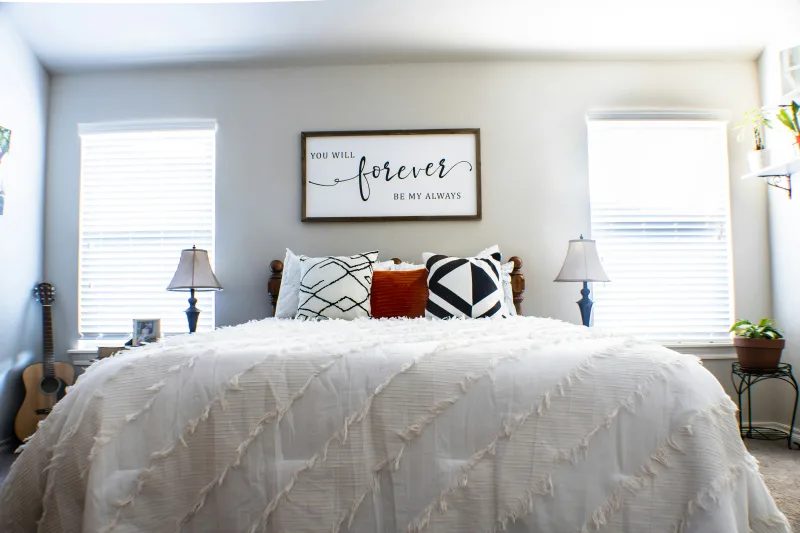
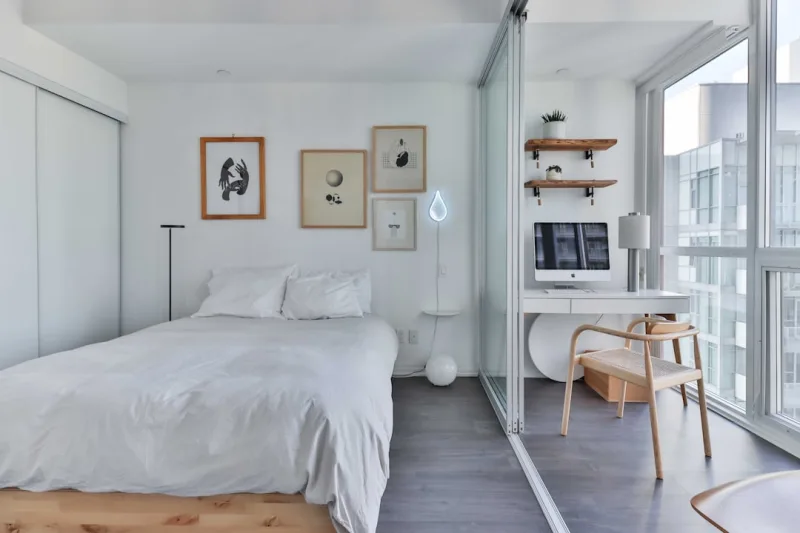
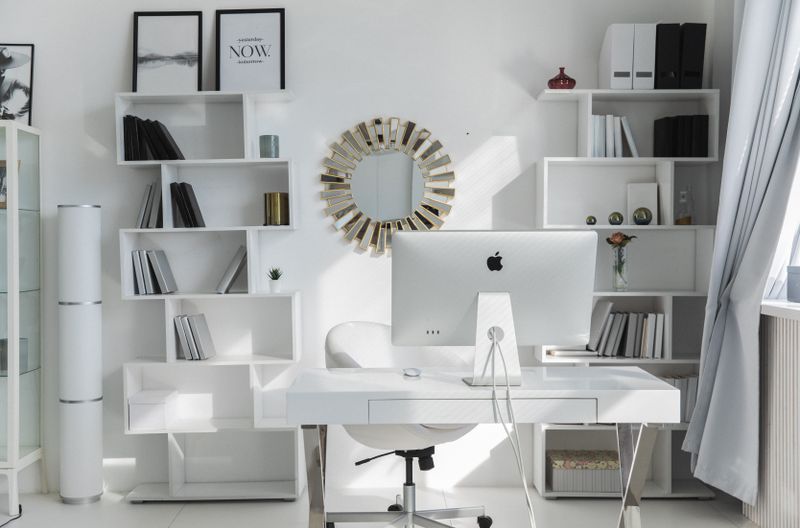
Warm Home Office Organization for Small Spaces: Create Your Cozy Productive Sanctuary
Working from home doesn't mean sacrificing comfort or style, especially in a small space. There's something deeply satisfying about carving out your own little corner of the world—a place that's entirely yours, where productivity meets warmth and inspiration. If you're struggling to fit a functional office into a tiny bedroom, corner nook, or apartment alcove, you're not alone. Many of us are juggling the challenge of creating a professional workspace that doesn't feel cold or cramped. The good news? Warm home office organization for small spaces is absolutely achievable, and it can actually be more intentional and beautiful than sprawling setups. With thoughtful planning, the right organizational systems, and a touch of personal style, you can transform even the most modest corner into a space where you genuinely want to spend your workdays. Let's explore how to make your small office feel both organized and inviting.

In this comprehensive guide, you'll discover everything you need to know about organizing a small home office with warmth and personality. We'll walk you through the planning process, break down budget-friendly options at every price point, and provide step-by-step instructions to transform your space. You'll learn about organizing styles that work best in compact areas, specific products that maximize efficiency, expert tips from professional organizers, and answers to common questions you might have. Whether you're working with a corner desk or a multi-purpose workspace, this article will give you the confidence and practical knowledge to create an office that's both beautifully organized and genuinely welcoming.

Understanding Warm Home Office Organization for Small Spaces
Warm home office organization for small spaces is more than just fitting furniture into a tight area—it's about creating an environment that supports both productivity and emotional well-being. This approach combines functional organization with aesthetic warmth, ensuring your workspace doesn't feel sterile or cluttered. The philosophy behind warm office organization recognizes that when we work from home, our environment directly impacts our mood, focus, and motivation.
Why does this matter so much? Studies consistently show that our surroundings influence our work performance and mental health. A cold, impersonal office can drain energy and motivation, while a warm, organized space actually enhances creativity and reduces stress. When your small office feels intentional and inviting, you're more likely to actually enjoy spending time there, which translates to better work habits and higher productivity.
Small spaces require different organizational strategies than larger offices. Without room to spread out, every item needs to earn its place. This is actually a blessing in disguise—it forces you to be intentional about what you keep and how you arrange it. Warm organization in small spaces means choosing quality over quantity, implementing vertical storage solutions, selecting pieces that serve multiple purposes, and incorporating design elements that make you smile when you sit down to work.
Common mistakes people make when organizing small home offices include: overcrowding the space with too much furniture, ignoring vertical wall space, using cold, industrial-style storage that doesn't match their home's aesthetic, failing to create separate zones for different work tasks, neglecting lighting which is crucial in small spaces, storing items based on frequency of use without a system, and forgetting to leave breathing room that prevents the space from feeling claustrophobic. Many people also underestimate the power of personal touches—a few carefully chosen plants, warm lighting, or meaningful artwork can completely transform how a small office feels.
Planning Guide for Warm Home Office Organization for Small Spaces
Before you purchase a single organizational item, take time to plan your space strategically. Start by measuring your area carefully—note the dimensions, window locations, electrical outlets, and any architectural features like built-in shelves or corners. Think about your specific work needs: Do you need space for client meetings, or is this purely for solo focused work? How much storage do you actually need for files, supplies, and equipment? What's your natural lighting situation, and can you improve it?
Consider your style preferences and the aesthetic of your home. Your small office should feel like it belongs in your space, not like it was dropped in from a different house. Think about color palettes, textures, and the overall vibe you want to create. Do you lean toward minimalist Scandinavian style, cozy farmhouse, modern rustic, or eclectic bohemian? Once you understand your space and your style, everything else falls into place more easily.
Next, think about zones within your space. Even in a small office, you can create psychological separation between different work activities: your main work zone (desk and computer), a storage zone (filing and supplies), a break zone (where you might sit with tea or take a mental break), and possibly a meeting zone if you work with clients. These zones don't need to be physically separated—sometimes just a visual separation with lighting or a small plant does the trick.
Create a priority list of what your office absolutely needs versus what would be nice to have. This helps you make smart purchases that support your actual work, not aspirational work. Use this planning checklist to organize your thoughts:
- Measure your space and note architectural features, windows, and outlets
- Identify your work style (focused solo work, client meetings, collaborative video calls, etc.)
- Determine storage needs (files, supplies, equipment, reference materials)
- Assess natural and artificial lighting options
- Identify your aesthetic style and color preferences
- List essential furniture and items (desk, chair, storage) versus nice-to-haves
- Plan your zones and how to visually separate them
- Create a mood board with colors, textures, and inspiration images

Budget Breakdown
← Scroll to see full table →
| Budget Category | Items | Price Range |
|---|---|---|
| Under $50 | Floating shelves (basic), desk organizer trays, filing boxes, desk lamp, storage baskets, adhesive wall pockets, desk pad, small filing cabinet | $10–$50 each |
| $50–$200 | Compact desk, ergonomic office chair (basic), wall-mounted shelving unit, desk organizer system, storage credenza, quality desk lamp with USB, rolling storage cart, area rug | $50–$200 each |
| $200+ | Quality ergonomic chair, built-in shelving/installation, standing desk or adjustable desk, large wall unit, filing cabinet system, professional lighting, high-quality desk, decorative storage pieces | $200–$2,000+ |
 Budget Apartment Renovation: DIY Hacks That Actually Work
When budgeting for your small office, prioritize differently than you might for other rooms. Your chair and desk deserve investment since you'll spend significant time there, but you can save money on decorative elements by choosing versatile, beautiful storage pieces that do double duty. A $40 woven basket provides storage while adding warmth—no need to spend $300 on a decorative cabinet when a functional piece accomplishes both goals.
Shop strategically across retailers. The The Home Depot offers great wall-mounted solutions and lighting at reasonable prices. IKEA excels at affordable, space-saving furniture and organizational systems. Amazon provides convenience and endless options for desk accessories and specialty organizers. Better Homes & Gardens and Gardens offers stylish pieces at Target's accessible price points. Don't overlook thrift stores, Facebook Marketplace, and Craigslist for quality used furniture that adds character while keeping costs down. The key is mixing investment pieces (chair, desk) with budget-friendly organizational items that you can swap out as your needs evolve.
Step-by-Step Guide
Step 1: Declutter Your Current Space
Before organizing anything, remove everything that's currently in your small office or designated workspace. Yes, everything. This might feel dramatic, but it's essential for small spaces where every item impacts the overall feel. Sort items into categories: keep, donate, sell, and trash. Be honest about what you actually use. That printer you haven't used in six months? The stack of papers you're keeping "just in case"? If it doesn't serve your current work life, it doesn't belong in your limited square footage. You'll be amazed at how much more spacious your area feels when you remove just 30-40% of items.
Step 2: Plan Your Desk Location and Setup
Position your desk to maximize natural light if possible—facing a window or being near one reduces eye strain and boosts mood. If your window location doesn't work for desk placement, that's okay; good task lighting can compensate. Consider sightlines if you're on video calls—you want a pleasant background, not a wall or clutter. In small spaces, corner desks or floating wall-mounted desks work wonders. Wall-mounted options free up floor space, making the room feel larger. Ensure your desk height is ergonomic—your elbows should be at a 90-degree angle when sitting. Invest in a good chair; your back will thank you, and you'll actually enjoy sitting there.
Step 3: Assess Your Storage Needs and Verticals
In small spaces, vertical is your best friend. Don't think of storage as taking up floor space—think up. Floating shelves, tall narrow bookcases, wall-mounted organizers, and pegboards all provide substantial storage without eating up precious square footage. Measure your walls and plan where you can add shelving. Above your desk is prime real estate for shelves that keep frequently used items within arm's reach without cluttering your actual work surface. Corner spaces are often underutilized; tall corner shelves or a corner cabinet transforms dead space into functional storage.
Step 4: Choose Your Organizational Systems and Containers
Select containers and organizers that reflect your aesthetic while keeping things accessible. Woven baskets add warmth and texture while hiding less attractive items like cords, cables, and office supplies. Clear containers work beautifully for items you need to see at a glance. Label everything—this is crucial in small spaces where you can't afford to waste time hunting for items. Beautiful labels (you can create your own using a label maker) make organization feel intentional rather than sterile. Choose containers that nest or stack when empty so they don't take up space when not in use. Consistency matters; using the same style of containers throughout creates visual calm that actually helps you feel more organized, even when the space is small.
Step 5: Organize Your Zones and Workflow
Arrange items based on how you work. Keep daily essentials (pens, phone, water) within immediate reach. Store reference materials where you can access them without leaving your desk. File systems should be near where you work—a small filing cabinet under your desk or wall-mounted files work perfectly. Create a supply zone that's organized but slightly out of immediate view; you don't need to see all your pens and sticky notes all day. Think about your workflow: do you need a space for incoming work? A tray system for this keeps things moving smoothly. If you have multiple projects, a tiered organizer or small shelf can hold active projects, while completed work is moved to proper storage.
Step 6: Add Lighting and Warmth Elements
Lighting completely transforms a small space, making it feel cozier and actually making it more functional. Layer your lighting with a main desk lamp, ambient lighting (perhaps a small floor lamp in a corner), and task lighting if needed. Warm white bulbs (2700K color temperature) create that cozy feeling you're going for, while still being bright enough for focused work. Add a few warm elements: a small plant on your desk, a throw blanket draped over your chair, a framed photo or meaningful artwork on the wall. These touches trick your brain into perceiving the space as more generous and comfortable. An area rug defines your office zone and adds softness underfoot.
Step 7: Create a Maintenance System
Small spaces require regular maintenance to stay organized because clutter becomes obvious quickly. Set aside 10 minutes each Friday to reset your space: clear your desk surface, file loose papers, empty your trash, and return items to their homes. This prevents the chaos creep that makes small spaces feel overwhelming. Use a small filing tray for items that need action this week, and review it daily. Create a simple rule: one item in means one item out. If you buy a new storage container, remove an old one. If you bring in a new office supply, use up what you have before opening new stock. These small habits keep your beautiful organized space from slipping back into chaos.

Best Styles and Products for Warm Home Office Organization
Your small office should reflect a style that makes you happy every time you sit down to work. Here are four warm styles that work beautifully in compact spaces, plus specific products that embody each aesthetic.
Modern Rustic/Farmhouse
This style combines clean lines with natural materials and warm tones. Think wood, soft creams, warm grays, and touches of wrought iron. It feels simultaneously calm and inspiring. Floating wooden shelves