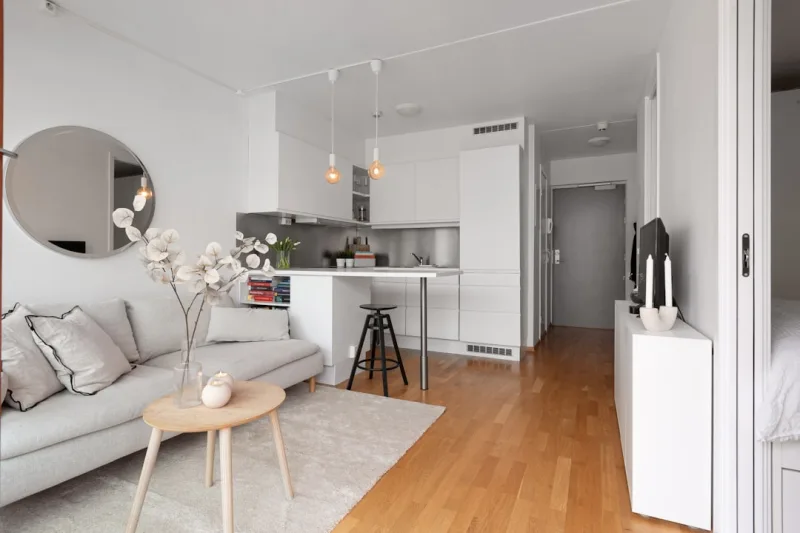
Decorating a single wide mobile home doesn't mean compromising on style or comfort. If you're like many of us who've chosen the freedom and affordability of mobile home living, you know that creating a warm, inviting space is just as important as it would be in a traditional home. The truth is, single wide mobile homes have so much potential—and I'm here to help you unlock it. Whether you're working with limited square footage or a tight budget, the right design choices can transform your space into a cozy sanctuary you'll love coming home to. Let's dive into practical, beautiful decorating strategies that work specifically for single wide layouts, proven methods I've seen transform dozens of homes, and honest tips that'll save you money while maximizing your style.

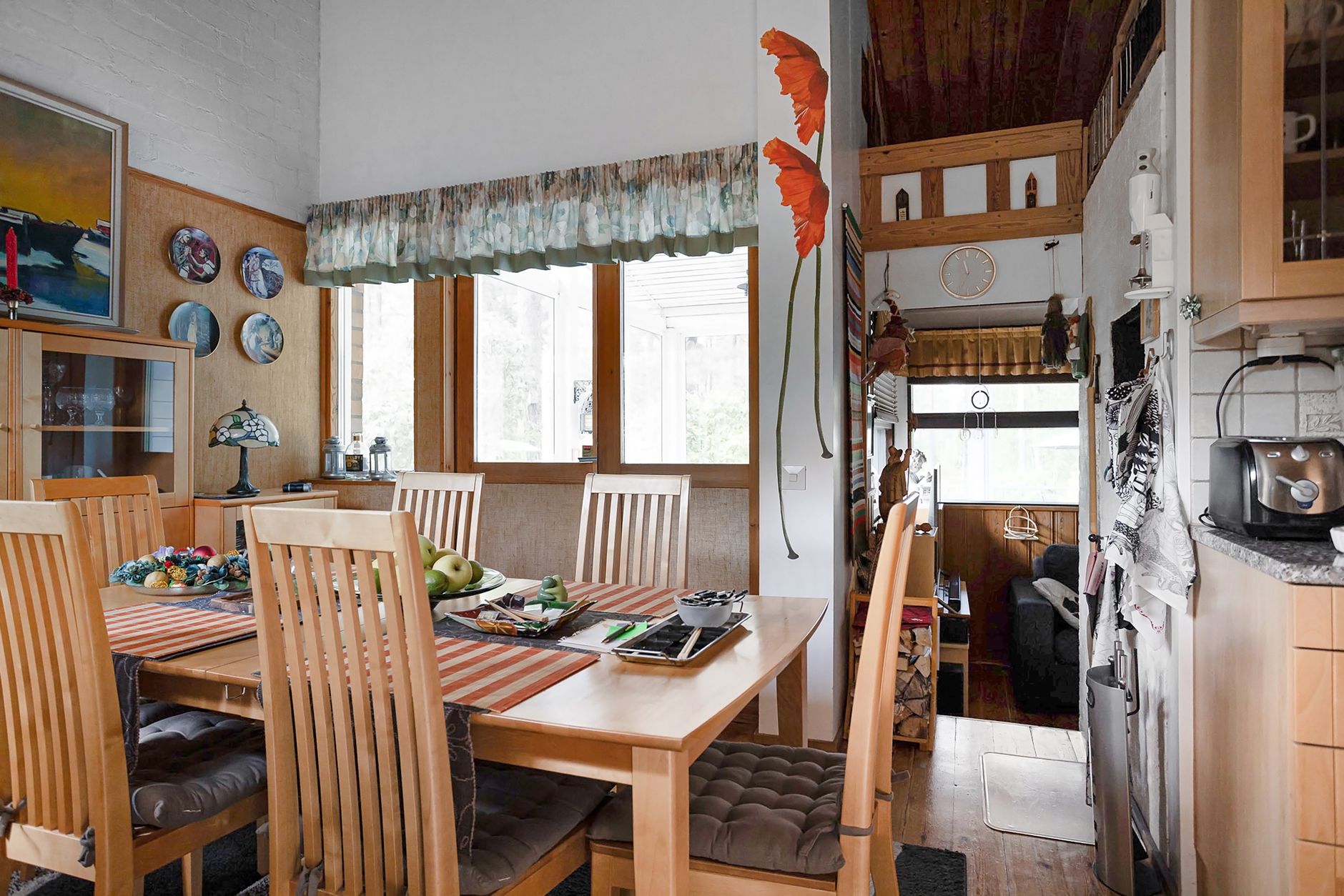
Understanding Single Wide Mobile Home Interior Decorating
A single wide mobile home typically measures about 14 feet wide and 66-84 feet long, creating a long, narrow floor plan that's fundamentally different from traditional homes. Understanding this unique layout is absolutely crucial before you start decorating. Many people approach mobile home decorating the same way they would a traditional house, and that's where things go wrong. Single wides have distinct characteristics: limited wall space, lower ceilings (usually 7.5-8 feet), an open concept naturally, and a flow pattern that moves from one end to the other rather than branching out into separate rooms.
Why does this matter? Because what works beautifully in a sprawling farmhouse bedroom might make your single wide feel cramped and chaotic. The stakes are higher—every piece of furniture, every color choice, every decorative decision ripples throughout your entire living space. When done right, though, a single wide can feel incredibly intimate and cozy. There's something special about a well-decorated mobile home; it feels like a designer's tiny home project.
Common mistakes I see repeatedly: overcrowding spaces with too much furniture, using dark colors that shrink rooms visually, hanging curtains that don't go high enough, ignoring vertical space, and failing to create distinct zones in the open concept. People also underestimate lighting—single wides often have fewer windows, making strategic lighting essential. Another huge miss? Ignoring the bones of the space. Many single wides have beautiful original features or potential that gets buried under poor design choices. Your job is to work with your home's unique characteristics, not against them.
Planning Guide
Before you buy a single thing, you need a solid plan. Take time to measure your entire space—and I mean really measure it. Get out that tape measure and notebook because eyeballing it won't cut it. Consider natural light sources; note where the sun comes in and how it moves throughout the day. This affects everything from wall colors to furniture placement.
Walk through your space at different times of day. Notice which areas feel cramped and which feel open. Photograph everything from multiple angles. This might sound tedious, but trust me—this groundwork prevents expensive mistakes. Look at your lifestyle honestly. Are you entertaining frequently? Do you work from home? Do you have kids or pets? Your decorating choices should support how you actually live, not some Pinterest fantasy that doesn't fit your reality.
Create a mood board using Pinterest, Instagram, and design websites. Pay attention to colors, textures, and layouts that appeal to you. Look specifically for mobile home decorating inspiration—these photos from people working with similar constraints are gold. Consider your existing fixtures, flooring, and architectural elements. Some things you can't change, so work with them rather than against them.
Finally, set a realistic budget and timeline. You don't need to do everything at once. Phasing projects over months or even a year allows you to save money and live with your space to see what actually works. Here's your planning checklist:
- ☐ Measure your entire space including ceiling height, wall lengths, and window/door placements
- ☐ Document natural light sources and how they change throughout the day
- ☐ Take photos of every room from multiple angles in different lighting
- ☐ Create a mood board with at least 20-30 images of styles you love
- ☐ Identify your lifestyle needs (entertaining, working from home, kids, pets, etc.)
- ☐ Note existing fixtures you must work with (appliances, flooring, cabinetry, lighting)
- ☐ Set a total budget and break it down by room or category
- ☐ Create a timeline for projects, prioritizing high-impact changes first

Budget Breakdown
Let's talk money because I know that's real. You don't need thousands to transform your single wide. Smart spending is about understanding where each dollar goes and what gives you the most bang for your buck. Here's how I recommend breaking down your budget across price points:
← Scroll to see full table →
| Under $50 | $50-$200 | $200+ |
|---|---|---|
| Paint (biggest visual impact, huge ROI) Throw pillows (change the look instantly) Curtain rods and affordable fabric from Amazon Mirrors (make spaces feel larger) Lighting bulbs (warm LED magic) Wall decals (temporary, reversible) Artwork prints (digital downloads printed at home) | Quality curtains from IKEA Area rugs from The Home Depot or Amazon Furniture pieces (nightstands, shelving from IKEA) Desk or workspace setup Better quality lighting fixtures Storage solutions (essential for small spaces) Bedding upgrades from Better Homes & Gardens and Gardens Cabinet hardware updates | New flooring (laminate, vinyl plank) Built-in shelving or cabinetry Quality bed frame or sofa Kitchen remodel (backsplash, counters) Bathroom renovation HVAC updates (comfort + efficiency) Professional installation services Custom storage solutions |
The sweet spot for most people? Starting with the under-$50 category items—they give you quick wins and build momentum. Then invest in mid-range pieces that you'll use daily. Save major renovations for when you've lived in the space long enough to know what you really need.
Step-by-Step Guide
Here's how I recommend approaching your single wide decorating project. This methodology works whether you're starting from scratch or refreshing an existing space. Take your time with each step—rushing leads to regrets.
Step 1: Paint Everything (or Almost Everything)
Paint is the single most impactful, budget-friendly change you can make. In a single wide, color carries extra weight because it affects the entire linear space. Choose a light, warm neutral for walls—think soft cream, pale greige, or warm white. These make small spaces feel larger and brighter. If you want personality, add color through accent walls strategically. A accent wall at the end of your mobile home, rather than a long side wall, is more effective. Benjamin Moore's "Swiss Coffee" or Sherwin-Williams' "Accessible Beige" are designer favorites that cost the same as builder-grade paint.
Step 2: Maximize Vertical Space with Tall Elements
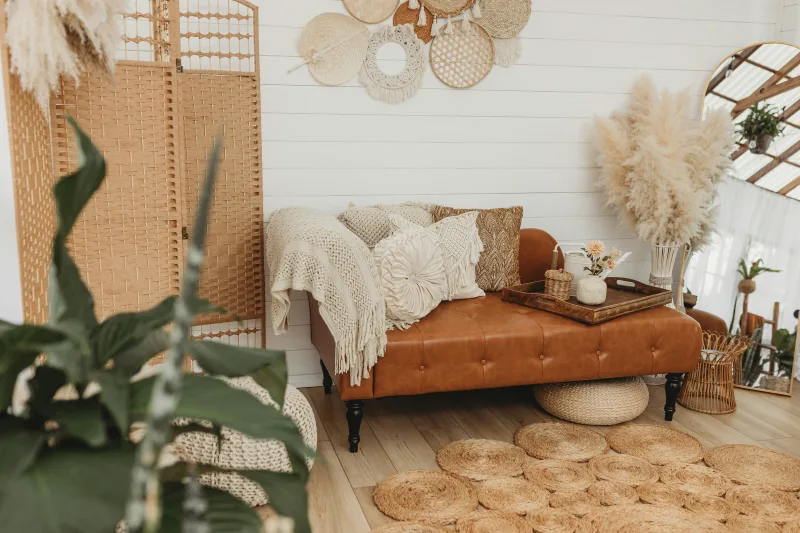 Budget Apartment Renovation: DIY Hacks That Actually Work
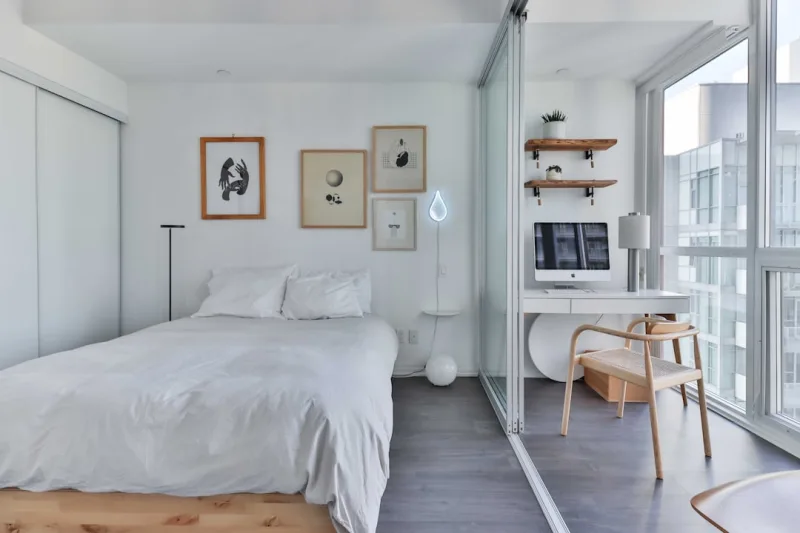
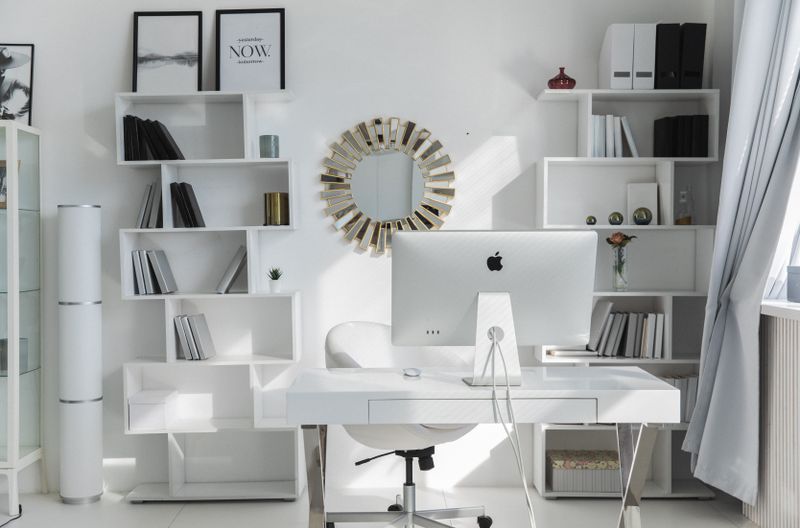
Since you're limited on square footage, go UP. Hang curtains from ceiling to floor (or as close as possible)—this is crucial. It draws eyes upward and makes ceilings feel higher. Install tall bookshelves or cabinets. Use wall-mounted shelving above furniture. Hang mirrors vertically in narrow frames to bounce light around. This isn't optional in single wides; it's foundational design.
Step 3: Create Zone Definition Without Walls
Your open concept layout is actually an asset—lean into it. Use area rugs to define living spaces, dining areas, and bedrooms. Different lighting zones (like a lamp near the bedroom area, overhead in the kitchen) help separate spaces psychologically. Furniture arrangement matters too. Your sofa becomes a room divider. Console tables mark transitions between zones. This creates the feeling of multiple rooms while maintaining the openness.
Step 4: Optimize Lighting Strategically
Mobile homes often lack natural light, making artificial lighting critical. Incorporate at least three types: ambient (ceiling fixtures or track lighting), task (bedside lamps, desk lights), and accent (wall sconces, floor lamps). Warm white bulbs (2700K) create coziness. LED bulbs save money long-term and run cooler. String lights and fairy lights add warmth without taking up table space. Home Depot has fantastic options ranging from $15 to $100+.
Step 5: Choose Multifunctional Furniture
Every piece in a single wide should earn its space. Ottoman with storage inside? Perfect. Sofa bed? Genius. Wall-mounted fold-down desk? Yes. Shelving that's also a room divider? Absolutely. IKEA specializes in this type of furniture. A $200 storage bench works as seating, coffee table, and storage simultaneously. Avoid bulky pieces that serve only one purpose.
Step 6: Layer in Texture and Warmth
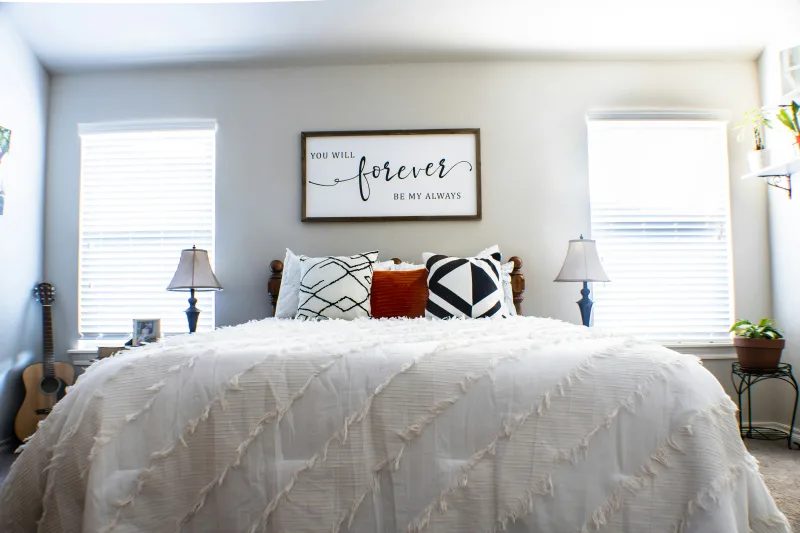
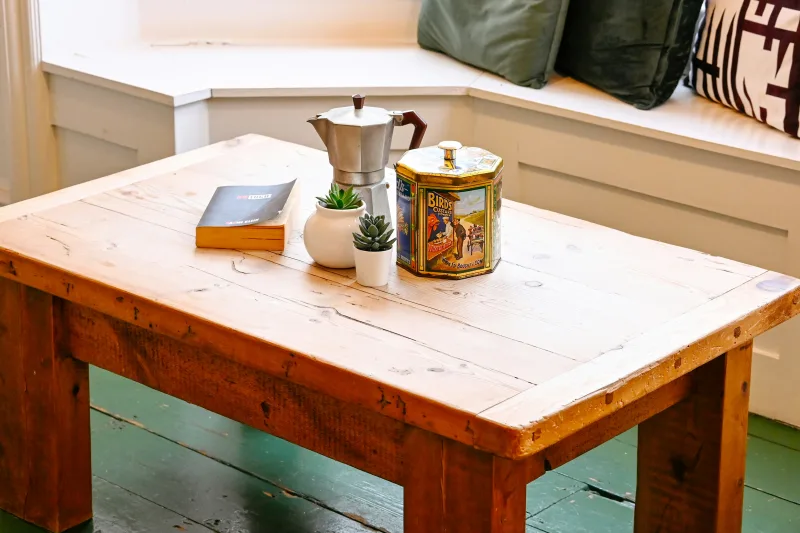
Neutral walls don't mean boring. Layer textures through throw blankets, area rugs, cushions, and wall art. A chunky knit throw, linen curtains, and a soft rug create tactile interest. Add wood elements—floating shelves, wooden bed frames, natural wood decor. This combination prevents your space from feeling sterile or cold. Texture is what makes neutral rooms feel warm and inviting rather than clinical.
Step 7: Personalize Without Clutter
Your final step is adding personality, but in a curated way. Choose 5-7 items that truly bring you joy and tell your story. A gallery wall of meaningful prints, a collection of plants, family photos in cohesive frames, or your favorite books arranged beautifully. The difference between cozy and cluttered is intentionality. Every item visible should make you happy or serve a purpose. Store the rest in closed storage.
Best Styles and Products
What styles work beautifully in single wides? Interestingly, constraints breed creativity. Limited space actually makes cohesive styling easier—you're not managing a massive house. These four styles have proven success in mobile homes.
Farmhouse Modern: This is perhaps the most popular choice for single wides right now in 2026. Think soft whites, natural wood, open shelving, and vintage-inspired decor mixed with clean lines. It's cozy without being fussy. The style naturally works with limited space because it celebrates simplicity. Products: Better Homes and Gardens carries incredible farmhouse pieces—look for their wood shelving units ($80-150), vintage-style lighting ($40-120), and storage baskets ($25-60). Amazon has beautiful shiplap wallpaper ($20-40 per roll) that creates the farmhouse vibe without permanent changes.
Coastal Cottage: Light, airy, and inherently spacious-feeling, coastal decor is perfect for single wides. Soft blues, whites, natural textures, and nautical accents create an instant vacation vibe. This style photographs beautifully for those who love sharing their space on social media. IKEA's coastal-inspired curtains and bedding ($15-80) start the foundation, and Home Depot's rope and nautical hardware ($5-25) adds finishing touches affordably.
Scandinavian Minimalist: Less is more with this approach. Clean lines, neutral colors, functional design, and a few statement pieces. It's naturally suited to small spaces. This style prevents accumulation because every item must justify its existence. IKEA was literally made for this—their minimalist furniture and storage solutions ($50-300) embody Scandinavian design. A few splurge items from higher-end brands create visual interest without clutter.
Bohemian Eclectic: If you love color, pattern, and collected treasures, bohemian style can work in single wides when done thoughtfully. The key is choosing a cohesive color palette (perhaps terracotta, sage green, and cream) rather than random rainbow elements. Layer patterns intentionally—if your rug is busy, keep pillows more solid. Amazon's boho throw pillows ($15-40), macramé wall hangings ($20-60), and plants ($10-80) create this vibe affordably.
Top Products to Get You Started:
- IKEA PAX Wardrobe System ($150-600): Customizable, maximizes vertical storage, and doesn't overwhelm small spaces. Essential for bedroom organization.
- Amazon Basics LED Strip Lights ($15-35): Game-changer for adding ambient light. Install under cabinets, behind headboards, or along shelving. Warm white only.
- Home Depot Area Rugs in Various Sizes ($40-200): Define zones and add warmth. 5x7 or 6x9 sizes work best for single wide layouts.
- Better Homes and Gardens Curtain Panels ($20-50 per panel): Available in widths up to 104", allowing you to get floor-to-ceiling coverage even in narrow spaces.
- Amazon Floating Shelves ($25-80 per shelf): Maximize vertical space without taking up floor area. Perfect for plants, books, or decorative displays.
Expert Tips
These are hard-won lessons from decorators and mobile homeowners