The Renter's Guide to Creating a Cozy Living Room Layout (Without Losing Your Deposit)
Look, I get it. You're renting, so the idea of completely transforming your living room might feel impossible. You can't paint that sad beige wall, you probably can't swap out the carpet, and honestly? The thought of committing to a major furniture investment when you might move next year feels a little stressful. But here's the thing — creating a genuinely cozy living room as a renter is totally doable, and it doesn't require any permanent changes or breaking your bank account.
Over the years, I've worked with dozens of renters who thought they were stuck with sterile, cold living spaces. The truth? Coziness isn't about what you can't change. It's about being strategic with what you can control — the furniture arrangement, the textiles, the lighting, and those little details that make a space feel lived-in and warm. I've seen rentals transform from depressing to downright delightful with just a few smart moves and some intentional layering.
In this guide, I'm walking you through exactly how to design a cozy living room layout that works with your rental restrictions, fits your budget, and actually makes you want to spend time there. No landlord drama required.
What You'll Need
Before we dive into the layout strategy, let's talk about what you're actually going to need. The beauty of renting-friendly design is that most of these items are either affordable, non-permanent, or both. Here's the realistic shopping list:
- Area Rug (8x10 or 6x9) — $150-400
- Sofa or Sectional (secondhand or budget-friendly) — $300-800
- Coffee Table (wood or metal) — $100-300
- Throw Pillows (set of 4-6) — $80-150
- Throw Blankets (2-3) — $60-120
- Floor Lamp or Arc Lamp — $80-250
- String Lights or Warm Bulbs — $15-40
- Curtains or Curtain Panels — $40-120
- Floating Shelves or Removable Shelving Unit — $50-200
- Plants and Planters — $30-80
- Wall Decor (canvas, prints, tapestry) — $40-100
You can find most of these items at The The Home Depot (especially lighting and shelving), Target, IKEA, or honestly? Facebook Marketplace. I'm serious about secondhand furniture — it's cheaper, better for the planet, and landlords don't care where your couch came from.
Step-by-Step Guide
Step 1: Map Out Your Furniture Layout (Seriously, Grab Paper)
Before you move a single piece of furniture, I want you to sketch out your living room. Measure the walls, note window and door locations, and think about traffic flow. Yes, this sounds basic — but so many people just push furniture randomly around. Your cozy living room needs intentionality.
Here's my golden rule: arrange seating so people naturally face each other (or at least the same direction toward a focal point). If you have a fireplace, great — that's your anchor. If not, orient furniture toward a TV, a beautiful window, or even a blank wall where you'll add art. This arrangement naturally feels more intimate and, well, cozy. Honestly, it's the difference between a living room that feels like a waiting room versus a space where people actually want to hang out.
Step 2: Anchor with an Area Rug
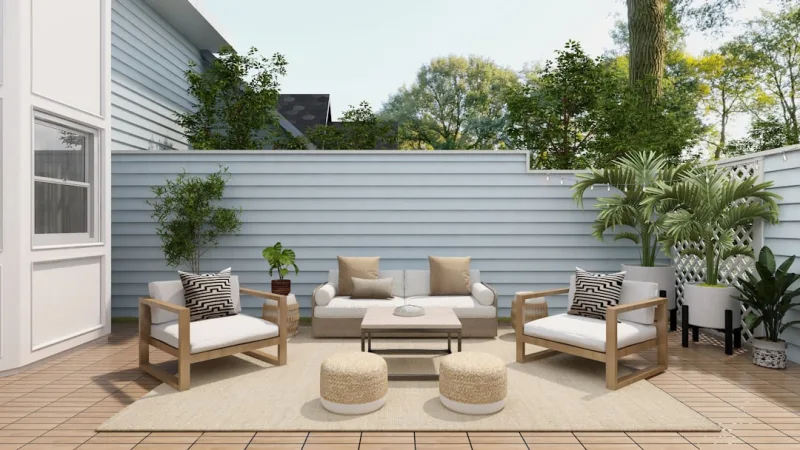
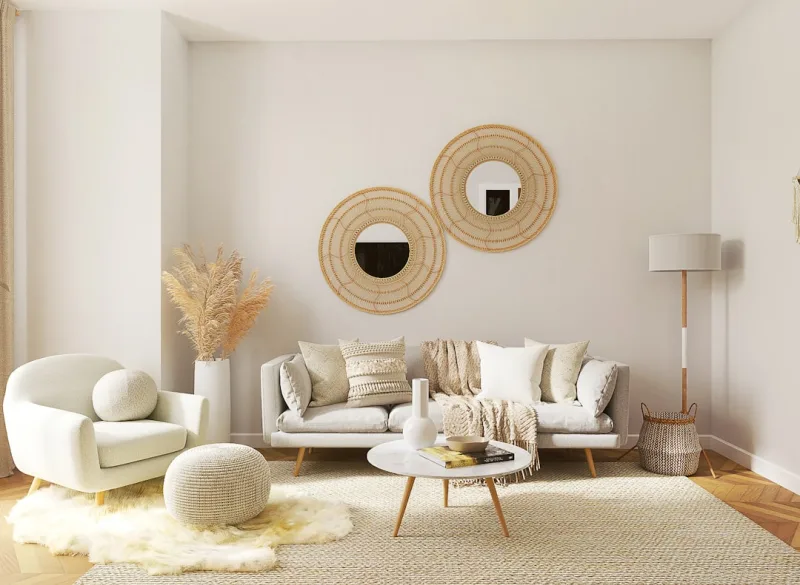
This is non-negotiable for coziness. A large area rug (8x10 or even 9x12 if you have the space) instantly defines your seating area and makes the room feel intentional. Choose warm colors — think terracotta, cream, warm gray, or deep jewel tones. Avoid cold grays or stark blacks.
Pro move: place the rug so at least the front legs of your main seating pieces sit on it. This creates visual cohesion and makes the space feel more grounded. The rug is basically saying, "This is where we gather."
Step 3: Create Layers of Lighting (This Is Huge)
Overhead lighting is the enemy of coziness. I don't make the rules — actually, I do, and I'm telling you now: rely on soft, layered lighting instead. You'll want ambient light (maybe a dimmer on the overhead if you have one, or just leave it off), task lighting (a floor lamp near seating), and accent lighting (string lights, candles, or under-shelf lighting).
Invest in warm-bulb LED lights (2700K color temperature) and use them everywhere. Swap out bulbs, add floor lamps, throw string lights in a corner — HGTV experts will tell you the same thing. Warm lighting makes everything feel cozier, and honestly, it's the cheapest upgrade you can make.
Step 4: Layer Textiles Like Your Life Depends On It
 Budget Apartment Renovation: DIY Hacks That Actually Work
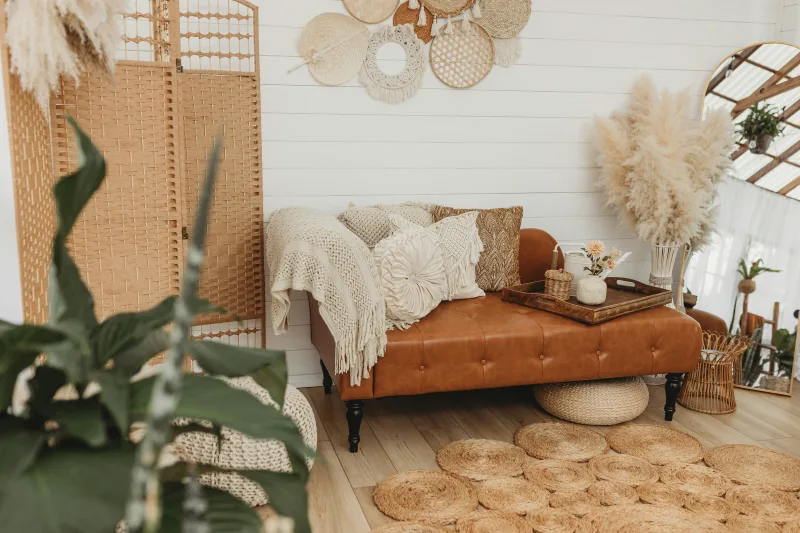
This is where personality comes in. Throw pillows and blankets are your best friends as a renter because they're affordable, replaceable, and they instantly make a space feel lived-in. Mix textures — a linen throw with a chunky knit blanket, pillows in velvet and cotton, maybe a faux fur accent.
Pick a color palette and stick with it. I'm partial to warm neutrals (cream, warm gray, caramel) with one accent color (blush, forest green, burnt orange). This creates visual harmony without looking cold or sterile. Layer these textiles on your seating, and suddenly you have a space that practically begs people to get comfortable.
Step 5: Add Personality Without Permanent Changes
Wall art, floating shelves (that stick to walls with removable adhesive), and plants are your renter's best friends. Check out Better Homes & Gardens & Gardens for inspiration on how to style shelves and walls. Hang a large tapestry, lean artwork against walls, arrange shelves asymmetrically.
Plants deserve their own mention because they're absolutely cozy-essential. Real or faux (no judgment here), plants add life to a space. They soften hard lines, add color, and psychologically make spaces feel warmer. Scatter them around — on shelves, on side tables, in corners.
Step 6: Include Functional Comfort Elements
A cozy living room is actually usable. Include a side table for your coffee mug, good storage for blankets, and maybe a small bookshelf. These aren't just practical — they're part of what makes a space feel like home rather than a hotel lobby.
Pro Tips
Invest in Good Seating: If you're only going to splurge on one thing, make it your sofa or primary seating. You'll spend more time there than anywhere else in your rental. A comfortable, well-made piece that you actually enjoy sitting on changes everything. Secondhand is absolutely fine — just inspect for damage.
Use Mirrors Strategically: Mirrors reflect light (especially those warm bulbs) and make spaces feel larger and brighter. Lean one against a wall or hang it opposite a window. It's a free coziness upgrade if you already own one.
Embrace Asymmetry: Symmetrical layouts feel formal. Slightly offset your furniture, vary pillow sizes, group plants in odd numbers. This subtle imperfection actually makes spaces feel more inviting and, ironically, more intentional.
Keep Clutter to a Minimum: A cozy space doesn't mean a cluttered space. Storage baskets, closed shelving, and intentional surfaces keep the cozy feeling from tipping into chaotic. You want people to feel relaxed, not overwhelmed.
Use Scent: I know this sounds silly, but candles or a simple diffuser add to coziness in a way that's almost magical. Warm scents (vanilla, cedar, cinnamon) enhance that enveloping feeling. It's psychology, my friend.
Cost Breakdown
← Scroll to see full table →
| Item | Budget Option | Mid-Range Option | Quality Option |
|---|---|---|---|
| Area Rug (8x10) | $150 (IKEA, Wayfair) | $250 (West Elm Sale) | $400+ (Quality Wool) |
| Sofa/Sectional | $300 (Facebook Marketplace) | $600 (IKEA, Article) | $1000+ (Crate and Barrel) |
| Coffee Table | $100 (Budget Retailers) | $200 (Mid-Market) | $350+ |
| Throw Pillows (4-6) | $80 (Target, H&M Home) | $150 (Better retailers) | $250+ (Designer) |
| Lighting | $100 (Arc lamp) | $200 (Quality arc lamp) | $350+ |
| Curtains | $40 |