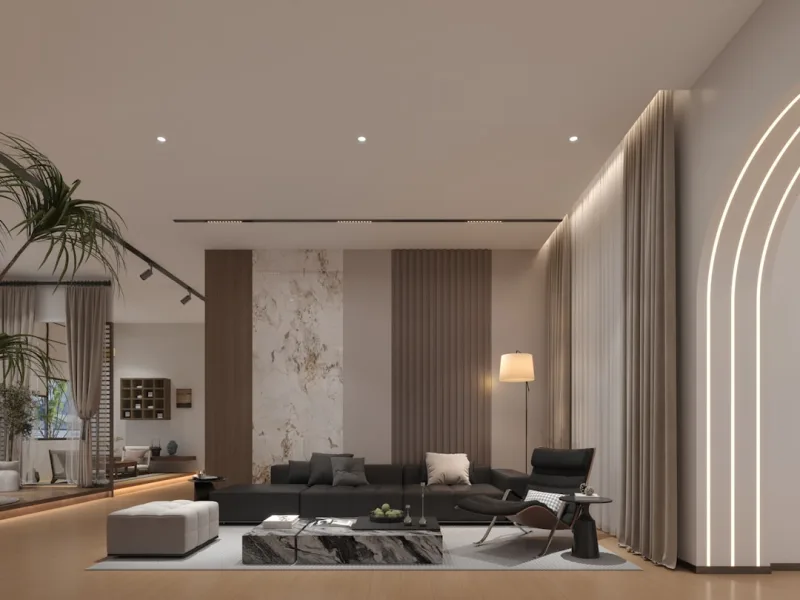
Quiet Luxury Living Room Design 2026: Creating Sophisticated, Understated Elegance
Look, we're officially done with maximalism. The loud, showy, "look-at-me" aesthetic? It's exhausted. What's actually capturing hearts and minds right now is something way more refined — quiet luxury. And honestly, it's such a relief. Quiet luxury living room design is all about letting quality speak for itself, layering in timeless pieces, and creating spaces that whisper sophistication rather than scream it. If you've been scrolling through HGTV lately, you've definitely noticed this shift toward understated elegance and uncompromising craftsmanship.
The beautiful thing about quiet luxury? It's actually achievable. You don't need a trust fund or a celebrity interior designer — just intention, thoughtful choices, and an understanding of what actually matters in a room. I'm talking about natural materials, a cohesive color palette, and pieces that age gracefully rather than look dated six months later. Let's walk through exactly how to create a quiet luxury living room that feels authentically yours.
What You'll Need
Here's the thing about quiet luxury — you're investing in fewer, better pieces. You won't need a massive shopping list, but you'll want to be intentional about each element:
- Quality Sofa (neutral linen or wool blend) — $1,200-$3,500
- Accent Chairs (pair, sustainable materials) — $600-$1,400 each
- Coffee Table (solid wood, marble, or stone) — $400-$1,200
- Side Tables (brass-finished, natural wood) — $250-$600 each
- Bookshelf or Built-in Shelving — $500-$2,000+
- Lighting Fixtures (brass, matte black, or ceramic) — $150-$800 per fixture
- Throw Pillows (linen, cashmere blends, 4-6 pieces) — $80-$250 each
- Area Rug (natural fibers, neutral tone) — $300-$1,500
- Curtain Panels (linen, heavy-weight) — $60-$200 per panel
- Wall Paint (premium paint in neutral tones) — $40-$80 per gallon
- Decorative Objects (ceramic vessels, books, minimal sculptures) — $50-$300 each
- Paint and Prep Supplies — $75-$150
Step-by-Step Guide
Step 1: Establish Your Neutral Foundation
Start with walls. I recommend visiting The The Home Depot's paint section and sampling at least three soft neutrals — warm whites, soft greiges, or pale creams. The key is avoiding anything too bright or too cold. Paint your walls first, before anything else. Use premium interior paint (it genuinely makes a difference) and invest in good brushes. Two coats minimum. This is the canvas for everything else, so get it right.
Step 2: Source Your Statement Sofa
The sofa is the anchor. Look for classic silhouettes in natural fabrics — linen blends, wool, or performance fabrics that are durable without looking utilitarian. I'm not talking about trendy shapes; I'm talking about pieces that will work in five years without feeling dated. Check out Better Homes & Gardens & Gardens for inspiration on sectional proportions. Choose a sofa in cream, soft gray, or warm taupe. This shouldn't scream for attention; it should just be there, quietly beautiful.
Step 3: Layer in Texture Through Secondary Pieces
Accent chairs are where personality comes in. Pair your sofa with chairs in complementary materials — maybe a natural linen chair paired with a subtle herringbone or solid weave. This isn't about matching; it's about creating visual interest through quality and texture. Add a brass or walnut side table, and suddenly you have depth without clutter.
Step 4: Design Your Lighting Plan
Honestly, lighting makes or breaks quiet luxury. You need layered lighting: overhead (maybe a subtle chandelier or linear fixture), task lighting (reading lamps in matte brass or ceramic), and ambient options. Avoid harsh recessed lights. Instead, go for warm dimmable bulbs with fixtures that have character. A sculptural brass floor lamp or ceramic table lamp becomes functional art.
Step 5: Add Textiles Strategically
Throw pillows, a quality area rug, and heavy linen curtains create warmth and acoustic comfort. Choose pillows in complementary neutrals with interesting weaves — linen, cashmere blends, or subtle patterns. Your rug should be substantial (at least 5x8) in natural fibers like jute, wool, or quality synthetic alternatives. Curtains should be floor-length and substantial, hung high and wide to frame windows beautifully.
Step 6: Curate Your Decorative Objects
 Budget Apartment Renovation: DIY Hacks That Actually Work
This is where restraint matters. A few carefully chosen ceramic vessels, a stack of art books, maybe one understated sculpture. The goal is creating visual pauses, not filling every surface. Select pieces that have craft behind them — handmade ceramics, quality publishing books, objects with patina and age. Each piece should have a reason for being there.
Step 7: Create Negative Space
Here's what separates quiet luxury from just "empty" — intentional empty space. Leave surfaces with breathing room. Your coffee table shouldn't be crowded; a single coffee table book and a candle is enough. Shelves should be organized but not crammed. This curation is what creates the feeling of sophistication.
Pro Tips
Invest in One Splurge Piece: If budget is limited, splurge on the sofa or a quality area rug. These are workhorses that anchor the entire room and will justify the investment over years of use.
Source Strategically: Mix high and low. That statement lamp might be investment-level, but your throw pillows can come from mid-range retailers. Quiet luxury isn't about brand names; it's about quality you can see and feel.
Consider Sustainability: Natural materials age beautifully. Solid wood darkens with patina, natural fibers soften with use. This actually makes quiet luxury more sustainable than trend-chasing.
Window Treatments Matter More Than You Think: Heavy linen curtains are worth the investment. They manage light beautifully, add insulation, and create such a polished look that everything else automatically feels more elevated.
Think About Scale: A sofa that's too small or a rug that's too large disrupts quiet elegance. Measure obsessively. Your furniture should be proportionate to your space, not dwarfed or crammed in.
Cost Breakdown
← Scroll to see full table →