Quiet Luxury Living Room Ideas That Look Expensive
Look, I get it — we all want that effortless, expensive-looking space without dropping a fortune or living in a magazine spread that nobody can actually relax in. Quiet luxury is basically the anti-statement room. It's all about restraint, quality, and this zen-like approach to design that whispers instead of shouts.
Here's the thing: people automatically assume expensive = bold colors, statement furniture, and everything screaming "look at me!" But the real luxury flex? It's the opposite. It's the room that makes guests feel like they're visiting someone who has excellent taste AND actual taste. The kind of space where every single piece earns its place — nothing's there just to fill the void or look trendy.
I've spent years working on living rooms that nail this aesthetic, and honestly, the biggest revelation is this — quiet luxury isn't actually that complicated. It just requires being intentional about five core things: color palette, texture, lighting, furniture quality, and negative space. We're talking about creating a sanctuary that feels collected, calm, and unapologetically sophisticated. Let me walk you through exactly how to pull this off.
What You'll Need
Before we dive into the transformation, let's talk materials and what this actually costs. I'm giving you realistic pricing because I hate those articles that pretend you can create luxury on a shoestring budget — that's not how this works.
- Neutral paint (warm white, greige, or soft taupe) — $35-60 per gallon
- Quality area rug (wool or natural fiber, 8x10) — $400-800
- Neutral upholstered sofa (linen or performance fabric) — $1,200-2,500
- Brass or brushed gold floor lamp — $150-400
- Natural wood coffee table (solid wood, not veneered) — $300-700
- Neutral throw pillows (organic cotton, linen) — $40-80 each
- Quality curtain fabric (linen or cotton blend) — $20-40 per yard
- Wood or ceramic accessories (decorative bowls, vases) — $50-150 each
- Bookshelf styling items (books, plants, objects) — $200-500
- Wall art (minimal, original, or quality prints) — $100-500
- Indoor plants in neutral pots — $60-200
- Layered lighting (table lamps, wall sconces) — $300-600
Step-by-Step Guide
Step 1: Commit to Your Color Palette
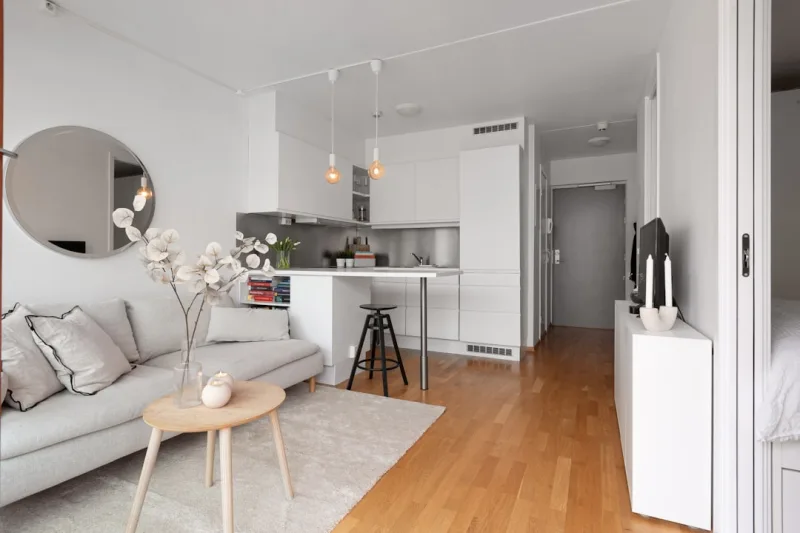
Start with walls — and I mean really commit to this. Quiet luxury lives in a limited palette, typically three to four colors maximum. I'm talking creams, warm whites, soft greys, beiges, and maybe one deeper tone like charcoal or sage for accents. Your walls should be the foundation, something like Benjamin Moore's Swiss Coffee or a similar warm neutral.
When you're choosing paint at The The Home Depot, grab a few samples and actually live with them for a few days. The lighting in your space matters way more than you think. That gorgeous greige might look yellow-toned in the afternoon or too cool at night. Once you've picked your wall color — and honestly, this sets the entire tone — everything else flows from there.
Step 2: Invest in a Statement-Free Sofa
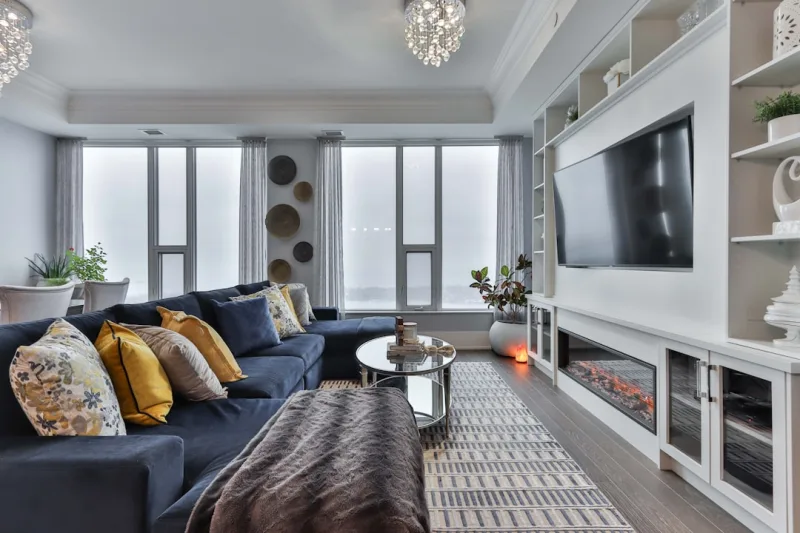
Your sofa isn't supposed to be the moment here. Instead, it should be the anchor. Look for a neutral fabric — linen is my obsession because it has that lived-in elegance, but performance fabrics work too if you have pets or kids. The silhouette matters more than flash. Clean lines, no complicated details, no weird patterns. A simple L-shaped sectional or a classic three-seater in cream, greige, or soft grey is basically the uniform of quiet luxury living.
This is where you don't skimp, by the way. Better quality construction means better bones, and that's what reads as expensive. Check out articles from Better Homes & Gardens & Gardens for sofa selection tips — they break down fabric types really well.
Step 3: Layer Your Lighting Strategically
Here's where people mess up the most. One overhead light does not create luxury — it creates a showroom. You need layering: ambient (overhead), task (reading lamps), and accent (wall sconces). Brass and brushed gold finishes are the quiet luxury metals of choice. Matte black works too, but keep it minimal.
Think about adding brass table lamps on side tables, a statement floor lamp in a corner, and maybe some simple wall sconces flanking a mirror or artwork. The key is this — your light should be warm, diffused, and honestly? Slightly on the dimmer side. That soft glow is what makes a space feel expensive.
Step 4: Choose a Grounding Area Rug
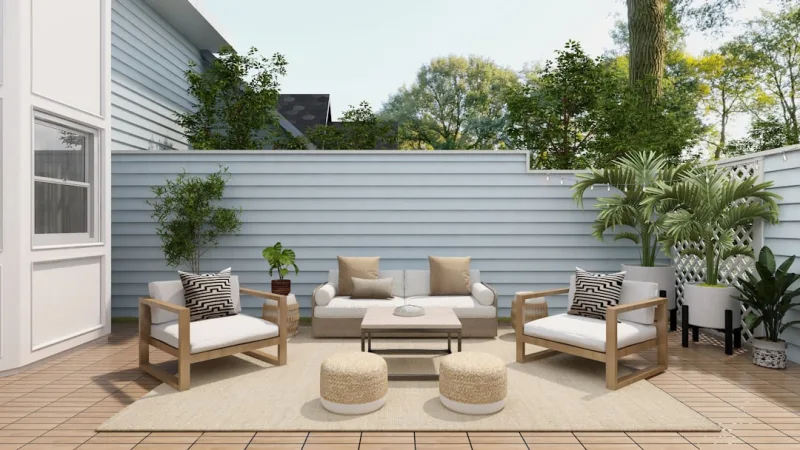
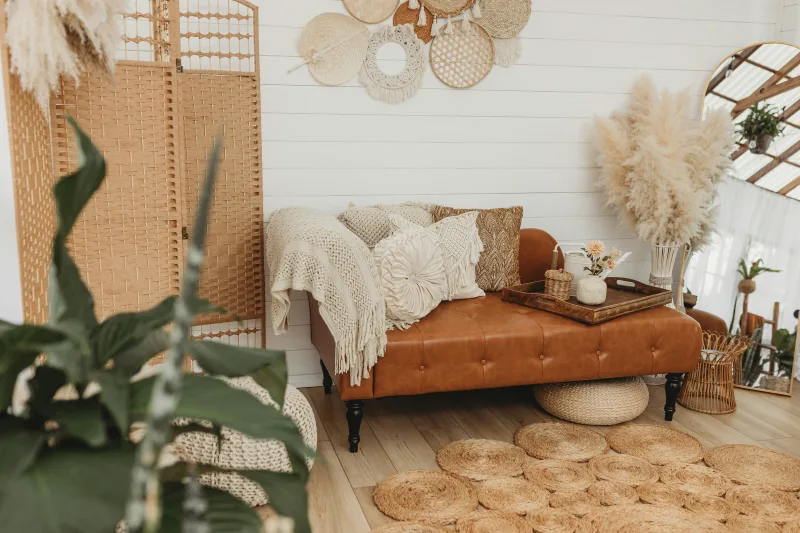
An 8x10 natural fiber rug — jute, sisal, or a soft wool blend — instantly elevates the space. The rug should anchor your seating area and create visual weight without being bold or patterned. Natural textures are your friend here. This one piece literally changes how the entire room feels, and it's worth the investment.
The rug defines the space and pulls the seating together. When it's neutral, it actually lets everything else breathe. If you're worried about durability, HGTV has some solid recommendations on durable rug materials that still look sophisticated.
Step 5: Add Textural Elements Through Accessories
 Budget Apartment Renovation: DIY Hacks That Actually Work
Throw pillows in various neutral tones — ivory, taupe, warm grey, maybe a soft terracotta or sage — create depth without drama. Mix linen, cotton, and maybe one in velvet or boucle. The textures do the talking, not the colors. Each pillow should feel good and look intentional, not like you grabbed six matching ones.
Add texture through your curtains too. Linen panels in a soft neutral hang beautifully and scream quiet luxury. Keep them simple — no patterns, no frilly details. The fabric itself is the statement.
Step 6: Curate Your Coffee Table and Surfaces
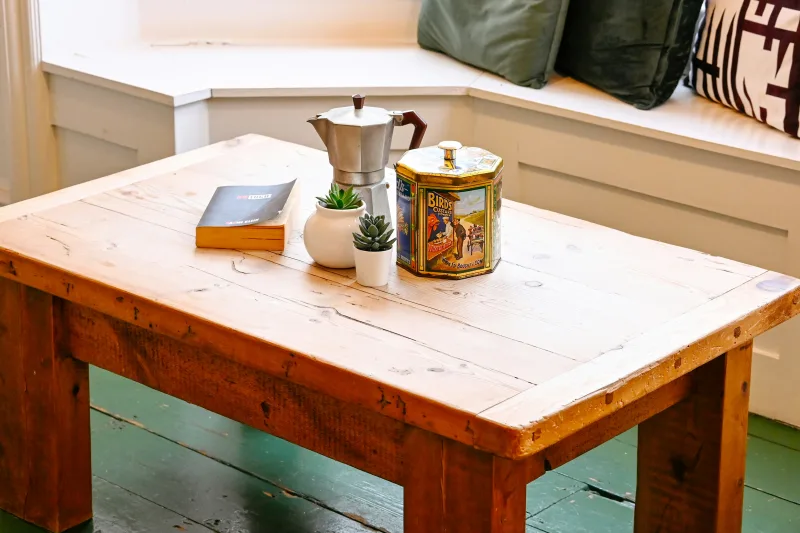
Your coffee table should be solid wood or quality ceramic — no cheap particle board pretending to be nice. Style it with maybe three to four objects: a coffee table book, a ceramic or wood bowl, a small plant. The rule here is restraint. Every object should have a reason for being there. Empty space is not a problem — it's the goal.
Step 7: Bring in Greenery and Life
Plants in neutral ceramic or terracotta pots add life without color. A tall fiddle leaf fig in the corner, a snake plant on the bookshelf, trailing pothos on a shelf — these create visual interest and honestly make the space feel calmer. The green tones work with any neutral palette because, well, they're natural.
Step 8: Style Your Walls with Intentionality
One or two pieces of art is better than a gallery wall for quiet luxury. Think original pieces from local artists, quality prints, or even a large-scale black and white photograph. The frame matters — simple, elegant frames in black, gold, or natural wood. Or go frameless and let the art speak.
Pro Tips
Invest in Quality, Not Quantity: One really nice piece beats five mediocre ones. People can tell the difference.
Embrace Negative Space: Empty walls, open shelving with breathing room, and clear surfaces make a room feel expensive. It's counterintuitive, but clutter reads as chaotic, not luxury.
Mix Metals Subtly: If you're using brass and gold, keep them consistent. Don't scatter random silver and chrome — it breaks the cohesion.
Pay Attention to Fabric Quality: Run your hands over textiles. Natural fibers cost more upfront but last longer and feel better. That matters.
Use Layered Window Treatments: Sheer curtains under heavier linen panels create depth and control light beautifully. This detail reads as very luxury.
Keep Your Palette Limited: When you see a room that feels cohesive and expensive, it's usually because the designer stuck to like, three colors max. Constraint creates elegance.
Cost Breakdown
← Scroll to see full table →
| Item | Budget Option | Mid-Range | Investment |
|---|---|---|---|
| Paint | $35 | $50 | $60 |
| Area Rug (8x10) | $250 | $600 | $800 |
| Sofa | $900 | $1,800 | $2,500 |
| Lighting | $200 | $450 | $800 |
| Coffee Table | $200 | $500 | $800 |
| Textiles (pillows, curtains) | $300 📷 Photo by Lotus Design N Print on Unsplash |