Okay, let's be honest — if you're reading this, your living room probably looks like a tornado hit it. Books stacked on the floor, remotes everywhere, magazines from 2019 still sitting on the coffee table. I get it. Storage isn't exactly the most exciting weekend project, but here's the thing: fixing your living room storage situation might be the single best investment you'll make for your home this year. And I'm not talking about spending thousands of dollars either.
The beauty of modern storage? It's not about hiding everything behind closed doors anymore. Today's approach is way more interesting — it's about finding pieces that work with your space instead of against it. Think open shelving that actually looks intentional, storage ottomans that pull double duty, and wall solutions that don't scream "boring." Honestly, once you nail this, you'll wonder how you ever lived any other way.
The best part? You can totally do this as a beginner. No special skills required, just a willingness to spend a Saturday afternoon making your space actually functional. Let me walk you through exactly how to transform your living room into something that feels both organized and designed.
What You'll Need
Before diving in, grab these essentials. Nothing crazy here — mostly stuff you can find at The The Home Depot or similar retailers.
- Floating wall shelves (set of 3): $45-80 USD
- Storage ottoman or bench: $100-200 USD
- Bookcase (5-shelf, modern style): $80-150 USD
- Decorative storage baskets (set of 2-3): $30-60 USD
- Wall anchors and mounting hardware: $10-15 USD
- Measuring tape: $5-10 USD
- Level: $8-12 USD
- Drill with bits (if you don't have one): $40-80 USD
- Paint or stain (optional, for DIY touch): $10-20 USD
- Storage containers or bins (various sizes): $20-40 USD
If you already own a drill and level, you're looking at a pretty solid setup for under $350-400. Not bad for completely transforming your space, right?
Step-by-Step Guide
Step 1: Assess Your Space and Declutter First
This is the unsexy part, but it's absolutely essential. Before you buy anything or install shelves, you need to know what you're actually working with. Pull everything off surfaces — everything. Yes, even that stack of magazines. Spend an hour sorting items into three piles: keep, donate, and trash.
Why? Because I've seen too many people install beautiful storage and then immediately fill it with junk. Your goal is to have fewer things to store, not more fancy places to hide stuff. Once you've culled your collection, you'll know exactly what you need to accommodate. This is when you measure your living room, note wall space, and think about traffic flow. Better Homes & Gardens & Gardens has some solid guides on this if you want to dive deeper.
Step 2: Choose Your Storage Solutions
Here's where it gets fun. Modern storage comes down to three main approaches: shelving, furniture pieces, and baskets. For beginners, I typically recommend mixing all three.
Floating shelves are your friend here. They look contemporary, don't take up floor space, and they're honestly easier to install than you'd think. Plan for shelves at different heights — this creates visual interest and prevents that "sterile display case" vibe. Aim for 12-16 inches between shelves, depending on what you're storing.
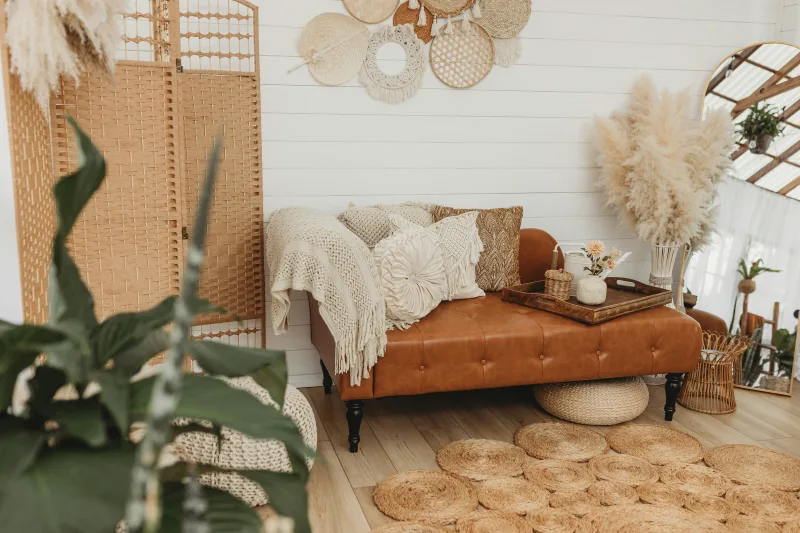
For furniture, a storage ottoman is basically a cheat code. It doubles as seating, adds storage, and grounds your living room arrangement. Modern styles are sleek and don't look clunky like older designs.
Decorative baskets are the final piece. They're perfect for throwing blankets, remotes, kids' toys — whatever you need accessible but out of sight. Woven baskets especially add warmth to modern spaces.
Step 3: Install Floating Shelves (The Main Event)
This is easier than it sounds, I promise. Find studs in your wall using a stud finder — this is non-negotiable for safety. If studs aren't where you want shelves, grab quality heavy-duty wall anchors rated for your weight load.
Mark your holes with a pencil, use your level to ensure they're perfectly horizontal (this matters more than you think for the final look), and drill pilot holes. Install your mounting brackets, then slide your shelves on. The Home Depot has excellent video tutorials if you get stuck — no shame in watching someone else do it first.
Pro move: stagger shelf widths and heights. A 24-inch shelf next to a 36-inch shelf next to a 48-inch shelf looks way more intentional than three identical shelves. Trust me on this.
Step 4: Position Your Furniture Storage Pieces
 Budget Apartment Renovation: DIY Hacks That Actually Work
Your storage ottoman should go where it makes functional sense — usually near seating or in a corner. Make sure it doesn't block walkways or views. That bookcase? Same logic. You want it anchored to a wall (seriously, use furniture anchors — it's safer), positioned where it creates zones in your room rather than cutting it in half awkwardly.
Step 5: Arrange and Style Your Storage
This is where storage becomes design. Don't just throw things on shelves randomly. Group similar items, use vertical space efficiently, and leave some breathing room. Empty space actually makes a room feel more designed, not emptier.
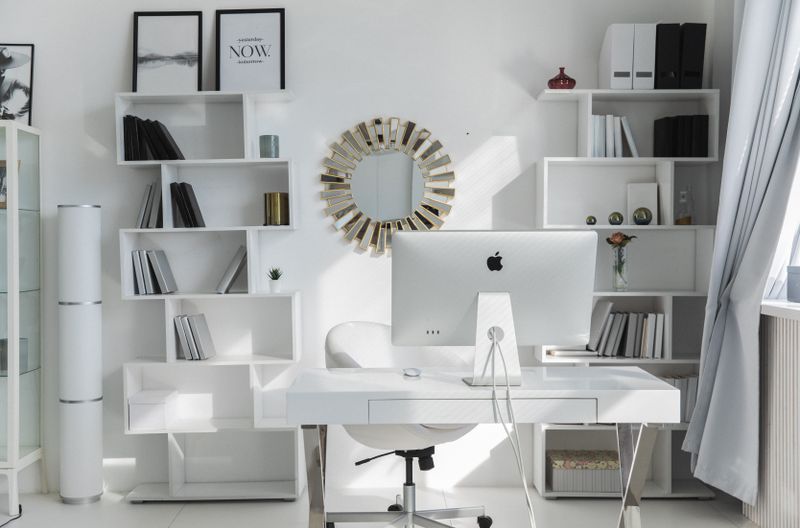
For shelves, try a rhythm: decorative object, books stacked horizontally, plant, decorative object, framed photo. Keep roughly 40% of shelf space open. Fill baskets thoughtfully — one for throws, one for remote and tech accessories, one for books. Label them subtly if they're opaque.
Pro Tips
Invest in vertical rather than horizontal storage. Wall space is your secret weapon in smaller living rooms. Floating shelves and tall bookcases draw the eye up and make spaces feel bigger.
Match your storage aesthetic to your existing design. If you've got a minimalist vibe, glass and metal shelves are your answer. More traditional? Look for wooden bookcases. Modern farmhouse? Open shelving with woven baskets is perfect. The HGTV design philosophy applies here — cohesion matters.
Don't be afraid of mixed materials. A wooden bookcase with metal baskets and concrete decorative boxes actually looks more sophisticated than matching sets. Honest.
Label storage containers, even if subtly. Small brass tags or washable markers make it way easier to find things and maintain organization long-term. This is the difference between storage that lasts versus storage that becomes a mess in six weeks.
Rotate seasonal décor. Keep extra storage containers for holiday decorations and seasonal items. Store them up high or in closed-door baskets to keep them out of sight but accessible.
Measure twice, drill once. Seriously, take your time with installation. A crooked shelf drives me absolutely crazy every time I see it.
Cost Breakdown
← Scroll to see full table →
| Item | Quantity | Price Range | Total |
|---|---|---|---|
| Floating wall shelves (set of 3) | 1-2 sets | $45-80 | $90-160 |
| Storage ottoman | 1 | $100-200 | $100-200 |
| Modern bookcase (5-shelf) | 1 | $80-150 | $80-150 |
| Decorative baskets (set of 2-3) | 1-2 sets | $30-60 | $60-120 |
| Wall anchors and hardware | 1 pack | $10-15 | $10-15 |
| Tools (measuring tape, level, drill bits) | As needed | $13-22 | $13-22 |
| Storage containers and bins | Multiple | $20-40 | $20-40 |
| ESTIMATED TOTAL | $373-707 |
You can definitely do this for less if you shop sales at The Home Depot or opt for budget-friendly options. You can also go higher if you want premium materials — it's totally customizable to your budget.
FAQ
Q: Can I install floating shelves without a drill?
Technically yes, but I wouldn't recommend it. Drilling takes five minutes and creates secure pilot holes. You can rent a drill for like $10 if you don't own one, and honestly? It's worth having one around. Future you will thank you.
Q: What if I'm renting and can't drill holes?
No problem. Look into removable adhesive strips rated for heavy weight, or lean into freestanding furniture solutions instead. A tall bookcase, storage bench, and cute baskets can accomplish everything without a single hole. Many apartments get their security deposits back this way.