Minimalist Studio Apartment Design 2026: Create Your Serene Small Space
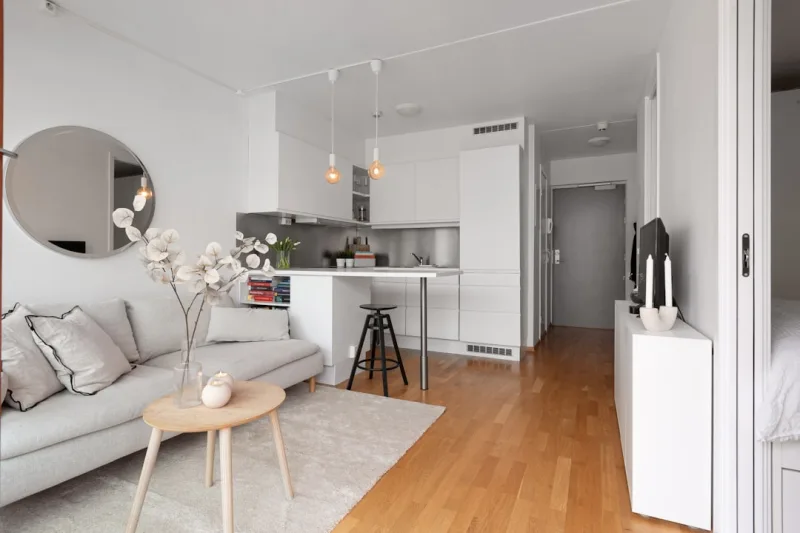
Look, I get it. Studio living in 2026 doesn't mean you have to sacrifice style or comfort — it just means being intentional. Here's the thing: minimalism has evolved way beyond those cold, empty rooms everyone used to picture. We're talking about designing a space that actually feels like home, just without the excess stuff that weighs you down mentally and physically.
I've helped countless people transform their compact studios into beautiful sanctuaries, and honestly? The best results come from understanding that minimalism is about making room for what matters. Whether you're a young professional, a creative type, or just someone tired of clutter, this guide will walk you through creating a studio apartment that feels spacious, modern, and utterly yours.
The 2026 minimalist approach combines smart furniture, neutral palettes, and strategic storage in ways that actually work for real life. No Instagram fakery here — just solid design principles you can implement this weekend.
What You'll Need
Before you start moving things around, let's talk materials and investment pieces. You don't need to buy everything at once, but these are the key elements that'll make your minimalist vision come to life:
- Floating Shelves ($40–$120 per shelf) — From The The Home Depot, these are game-changers for vertical storage
- Multi-Function Furniture ($300–$800) — A bed frame with drawers, ottomans with storage, nesting tables
- Neutral Paint ($25–$50 per gallon) — Soft whites, warm grays, or beiges to expand the visual space
- Minimalist Lighting ($80–$250) — A sleek floor lamp, pendant lights, or track lighting
- Storage Boxes & Organizers ($60–$150) — Natural wood, white, or canvas — keep items hidden but accessible
- Area Rug ($120–$300) — Defines zones without taking up floor space
- Window Treatments ($50–$150) — Simple roller shades or linen curtains
- Wall Anchors & Hardware ($20–$40) — For secure shelf installation
- Minimal Decor ($100–$200) — A few quality pieces of artwork, plants, or ceramics
- Paint Supplies & Tools ($30–$60) — Brushes, rollers, drop cloths, tape
Step-by-Step Guide
Step 1: Declutter and Assess Your Space
Honestly, this is the most important step and people always want to skip it. Walk through your studio with fresh eyes. Measure your walls, note window placements, identify natural light sources, and photograph the current layout. Sounds boring, but trust me — knowing your exact square footage and ceiling height changes everything when you're planning storage solutions.
Next, go through your belongings. And I mean really go through them. The minimalist approach asks: does this serve a purpose or bring me joy? Anything that doesn't earn its square footage goes. Better Homes & Gardens & Gardens has some great decluttering frameworks if you need guidance here.
Step 2: Choose Your Color Palette
For 2026, the trend is moving toward warm minimalism — think soft whites, creamy beiges, warm grays, and the occasional accent in muted sage or charcoal. Pick two to three main colors maximum. This creates visual continuity and makes a small space feel intentional rather than bland.
Paint is your cheapest design tool. Grab paint samples and live with them for a few days under different lighting. What looks great at 2 p.m. might feel different at night. Paint your walls first — this anchors everything else.
Step 3: Invest in Multi-Function Furniture
This is where your budget really matters. A bed frame with built-in drawers ($500–$800) eliminates the need for a separate dresser. An ottoman with storage ($150–$300) gives you seating, a footrest, and hidden storage. A console table that doubles as a desk ($200–$400) creates a functional living area without clutter.
The key is choosing pieces with clean lines and neutral finishes. Mid-century modern and Scandinavian designs work beautifully here because they naturally embrace minimalism. Check HGTV's design ideas for inspiration on how to arrange these strategically.
Step 4: Create Zones Without Walls
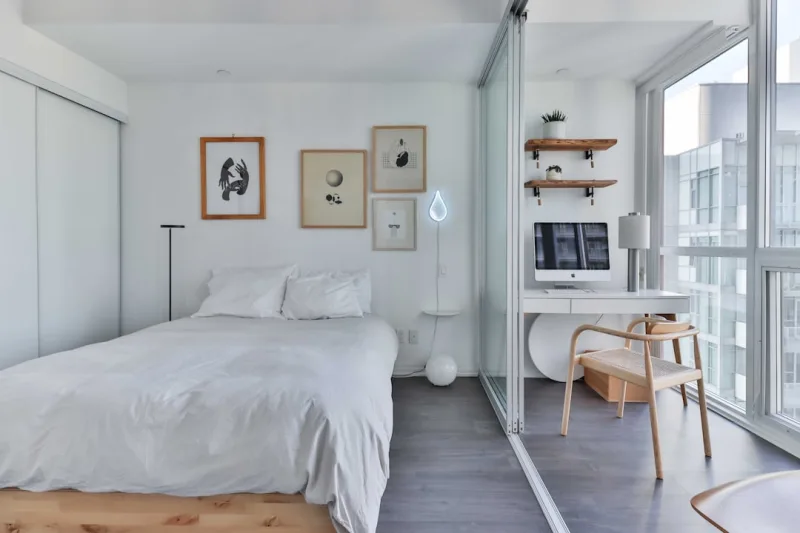
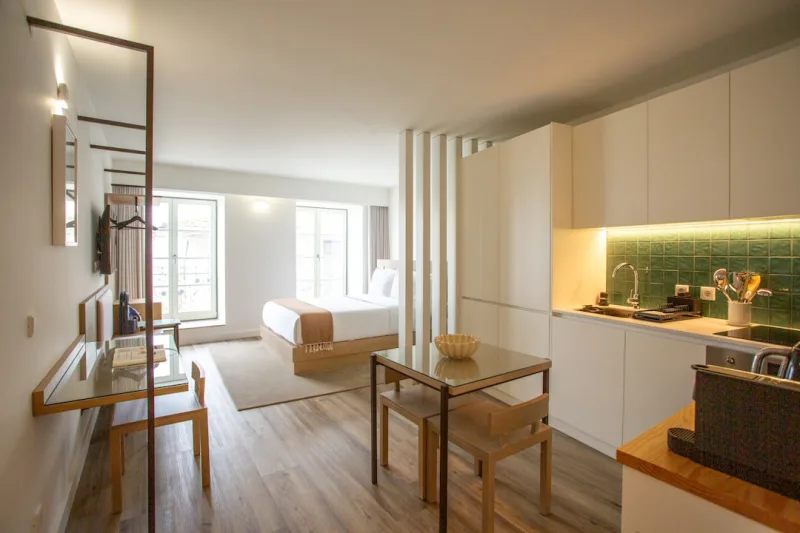
Your studio needs to feel like it has separate areas — sleeping, working, living. You don't need drywall. Use an area rug to define your living zone, position your bed to create a visual boundary, and use floating shelves or a bookcase as a subtle room divider. This psychological separation makes the space feel larger and more intentional.
Step 5: Install Smart Storage Solutions
Vertical is your friend in a studio. Floating shelves above your desk, shelving around your bed frame, and wall-mounted organizers keep things off the floor. Use matching storage boxes to hide items while maintaining visual cleanliness. Everything should have a designated home — this prevents the "stuff pile" that kills minimalist design.
Install shelves at varying heights to add visual interest while you're at it. A wall of shelving doesn't have to look clinical if you style it thoughtfully.
Step 6: Let Light and Air Breathe
 Budget Apartment Renovation: DIY Hacks That Actually Work
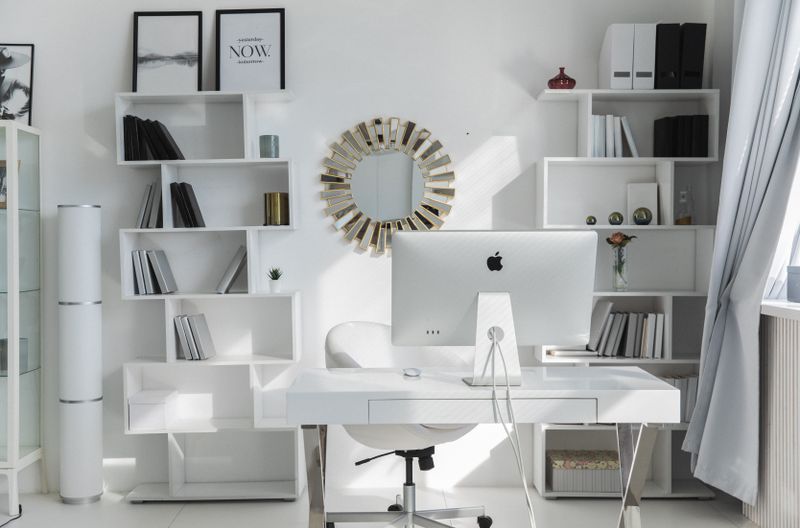
Keep windows uncluttered with simple shades or minimal curtains. Use light, reflective surfaces — a simple mirror opposite a window bounces natural light and makes the space feel bigger. Avoid heavy fabrics and dark colors that absorb light.
Strategic lighting matters too. A mix of ambient (overhead), task (desk lamp), and accent lighting (a simple floor lamp) makes your studio feel warm and livable at different times of day.
Step 7: Add Minimal Decor Intentionally
Here's where people go wrong: they think minimalism means zero personality. Nope. It means being selective. Choose a few quality pieces of art, add a small plant or two, maybe some ceramic vessels. Each item should be something you genuinely love. This restraint actually makes your space feel more curated and special.
Pro Tips
Lighting layers are essential. A single overhead light makes any space feel institutional. Combine ambient, task, and accent lighting for a space that feels warm and intentional at any hour.
Under-furnish rather than over-furnish. I know it's tempting to fill every corner, but in minimalist design, negative space is your friend. Leave breathing room. Your studio should feel calm, not cramped.
Use texture to add richness. Minimalism doesn't mean bland. Mix a linen curtain with a wool rug, combine smooth wood with soft ceramics. Texture keeps a minimal space from feeling cold.
Go vertical to expand perception. When floor space is limited, draw the eye upward. Tall shelving, floor-to-ceiling curtains, and wall-mounted elements make ceilings feel higher and spaces feel larger.
Embrace "slow shopping." Don't buy everything at once. Live in your space first, notice what you actually need, then thoughtfully add pieces. This prevents impulse purchases that contradict your minimalist vision.
Cable management is a game-changer. In a small space, visible cords feel chaotic. Use clips, sleeves, and wall-mounted organizers to keep tech hidden.
Cost Breakdown
← Scroll to see full table →
| Item Category | Low Budget | Mid Budget | Premium Budget |
|---|---|---|---|
| Furniture (bed, storage, seating) | $400 | $1,000 | $2,000+ |
| Paint & Wall Treatment | $50 | $100 | $200 |
| Storage Solutions | $100 | $300 | $600 |
| Lighting | $80 | $250 | $500+ |
| Rugs & Soft Furnishings | $100 | $350 | $700 |
| Decor & Accessories | $50 | $150 | $400 |
| TOTAL | $780 | $2,150 | $4,400+ |
Remember, you don't need to hit premium pricing to achieve a beautiful minimalist studio. Many designers work magic in the mid-budget range by prioritizing quality basics and DIY touches.
FAQ
Can I make a minimalist studio apartment feel warm and inviting?
Absolutely — and this is actually the goal of 2026 minimalism. Warmth comes from natural materials (wood, linen, wool), layered lighting, and a few intentional personal touches. Minimalism doesn't mean cold or empty; it means thoughtful and calm. Add warmth through soft neutral tones, quality textiles, and strategic decor that reflects your personality.
What if I'm renting and can't paint or install shelves?
No problem! Use removable wallpaper, adhesive shelf strips
📷 Photo by Aquilion Property on Unsplash