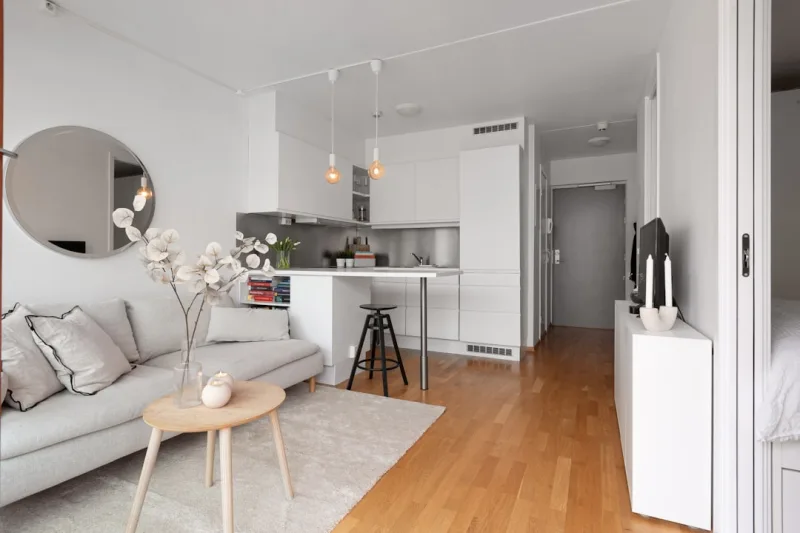
Minimalist Living Room Inspiration 2026: Create Your Serene, Stress-Free Sanctuary
There's something deeply magical about walking into a living room that feels calm, intentional, and entirely yours. If you're scrolling through Pinterest late at night, dreaming of a space that makes you actually want to sit down with a warm cup of coffee and just breathe, you're in the right place. Minimalist living room design isn't about deprivation or cold, sterile spaces—it's about creating a sanctuary that supports your wellbeing and makes you genuinely happy to be there. In 2026, minimalism is evolving beyond the stark white walls and empty corners. It's becoming warmer, more personal, and absolutely achievable for real life. Whether you're a busy mom juggling a thousand things or someone who just craves more peace in your home, this guide will help you transform your living room into the cozy, intentional space you've been dreaming about. Let's create something beautiful together.

This comprehensive guide will walk you through everything you need to know about embracing minimalist living room inspiration for 2026. You'll discover what modern minimalism actually looks like, how to plan your transformation without feeling overwhelmed, and exactly which budget-friendly products will give you that Instagram-worthy aesthetic. We'll cover step-by-step instructions, expert styling tips, and real-world advice from designers who understand that minimalism should feel like a warm hug, not a punishment. By the end, you'll have a clear roadmap to turn your living room into the peaceful, beautiful space you deserve.

Understanding Minimalist Living Room Inspiration 2026
Minimalist living room design has come a long way since the cold, sterile aesthetic of the 2010s. Today's minimalism is all about intentionality, warmth, and creating spaces that genuinely support how you want to live. In 2026, we're seeing a beautiful shift toward what designers call "warm minimalism"—think soft neutrals, natural textures, and carefully chosen pieces that make your heart sing rather than a gallery installation that looks perfect but feels intimidating.
Modern minimalism is fundamentally about asking yourself honest questions: Do I love this piece? Does it serve a purpose? Does it make my space feel better? Instead of following strict rules about how many items you can own, it's about being intentional with everything in your room. A beautiful ceramic vase counts if it brings you joy. A cozy throw blanket is absolutely welcome. The key difference is that every single item has a reason to be there.
Why does minimalist design matter for your wellbeing? Studies consistently show that clutter creates stress and anxiety. When your physical environment is calm and organized, your mind follows suit. A minimalist living room becomes a refuge from the chaos of daily life—a place where you can genuinely unwind. For women managing busy schedules, families, and endless to-do lists, this matters tremendously.
The most common mistake people make when attempting minimalist design is going too extreme too fast. They purge everything, create an empty room, and then feel uncomfortable in their own home. True minimalism takes time. Another common pitfall is confusing minimalism with boring. Your space should reflect your personality and bring you joy. Minimalism is the framework; your personal style fills in the details.
In 2026, we're also seeing minimalism intersect beautifully with sustainability and intentional consumption. People are choosing quality over quantity, investing in pieces that will last, and being thoughtful about where their items come from. This approach not only looks better but also feels better because you know your choices align with your values.
Planning Guide for Minimalist Living Room Inspiration 2026
Before you start moving furniture or buying anything new, take time to plan your minimalist living room transformation. This planning phase is crucial because it prevents impulsive decisions and keeps you focused on your actual vision rather than chasing trends. Start by identifying your "why"—what are you hoping to feel in this space? Peaceful? Creative? Connected with family? Let that feeling guide every decision you make.
Next, assess your current space honestly. Walk around your living room and really look at each piece. Which items genuinely make you happy? What's taking up space without adding value? Take photos of your room from different angles—sometimes the camera reveals things our eyes skip over. Consider the natural light, architectural features, and how you actually use the space. Do you watch movies here? Read? Work from home? Entertain? All of this matters.
Think about your color palette before making any changes. In 2026, minimalist living rooms are embracing warm neutrals like creamy whites, soft beiges, warm grays, and natural wood tones. However, personal style means you might add deeper tones like sage green, warm terracotta, or even soft charcoal. Choose colors that make you feel calm and happy, not colors you think you "should" like.
Create a mood board using Pinterest, magazine cutouts, or screenshots of rooms you love. This visual reference will keep you aligned when you're shopping and making decisions. Notice patterns in the rooms you're drawn to—do you prefer lots of natural wood? Soft textures? Specific color combinations? These patterns reveal your actual aesthetic preferences.
Finally, measure your space and sketch out a basic floor plan. Where will your seating be? How will traffic flow through the room? A minimalist room should feel open and easy to move through. This is especially important if you have a smaller living room.
Pre-Planning Checklist
- ☐ Identify your "why" and the feeling you want to create
- ☐ Take photos of your current living room from multiple angles
- ☐ List every item currently in your room and mark what brings you joy
- ☐ Create a Pinterest board or mood board of rooms you love
- ☐ Identify your color palette and preferred materials (wood, metals, etc.)
- ☐ Measure your space and note natural light sources
- ☐ Consider how you actually use this room daily
- ☐ Set a realistic budget for your transformation

Budget Breakdown
← Scroll to see full table →
| Price Range | Items | Approximate Cost |
|---|---|---|
| Under $50 |
• Throw pillows (neutral fabrics) • Wall art prints • Simple throw blankets • Candles and diffusers • Small plants or planters • Decorative baskets • Curtain rods and hardware |
$12-$35 $8-$25 $15-$45 $10-$30 $5-$40 $20-$50 $15-$40 |
| $50-$200 |
• Area rugs (neutral tones) • Side tables or nesting tables • Floor lamp • Quality throw blanket • Magazine rack or storage • Wall shelving unit • Coffee table organizers |
$60-$180 $75-$150 $50-$120 $40-$80 $60-$180 $80-$200 $25-$75 |
| $200+ |
• Sectional sofa or quality couch • High-quality area rug • Custom shelving unit • Designer lighting fixtures • Solid wood coffee table • Media console • Professional window treatments |
$400-$1,200 $200-$800 $300-$1,500 $200-$600 $250-$700 $300-$900 $200-$500 |
Creating a minimalist living room doesn't require a huge budget, which is one of the beautiful truths about this design approach. The key is being intentional about where you spend money. I recommend investing in pieces that will last—your sofa, area rug, and any large furniture—because these set the foundation for your space. Budget items like throw pillows, wall art, and small accessories are where you can have fun and update your look seasonally without guilt.
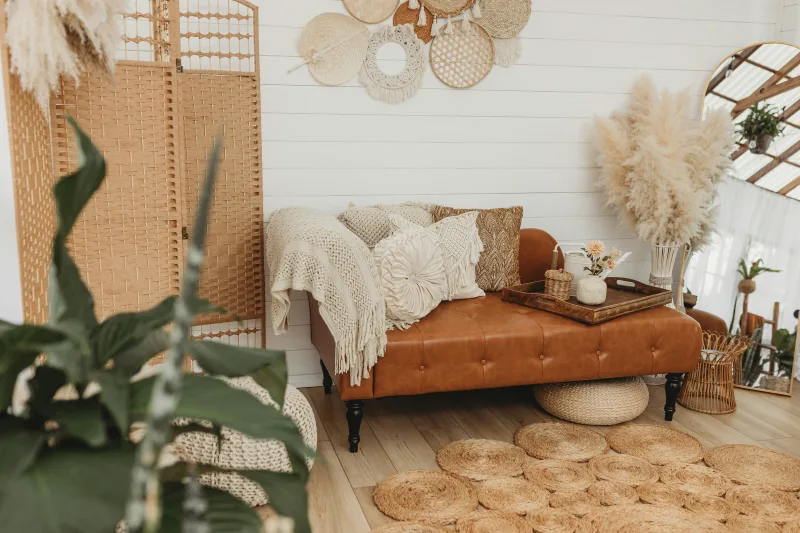 Budget Apartment Renovation: DIY Hacks That Actually Work
Shop smart by combining investments from different retailers. The The Home Depot is fantastic for wall-mounted storage solutions and paint. IKEA offers affordable, minimalist furniture that's perfect for smaller spaces and budgets. Amazon has endless options for decorative pieces and organizational tools. Target provides quality basics at reasonable prices, and Better Homes & Gardens and Gardens has beautiful, budget-friendly home décor. Mix and match from different sources to create a cohesive, affordable look.
Pro tip: Before buying anything new, consider what you already own that could work in a minimalist space. That beautiful wooden side table gathering dust in the garage? Perfect. Your grandmother's ceramic vase? Absolutely. When you layer in items with meaning and history, your minimalist room becomes warmer and more authentically you.
Step-by-Step Guide
Step 1: Declutter Your Space Thoughtfully
Begin your transformation by removing everything you don't love. This isn't about being ruthless; it's about being honest. Pick up each item and ask yourself: Do I love this? Does it serve my life? If the answer is no, it's time to let it go. For sentimental items, take a photo before donating—it preserves the memory without keeping the physical clutter. Create three piles: keep, donate, and sell. Items in good condition can be sold on Facebook Marketplace or OfferUp, which also helps offset your new purchases. This step might take a few days, and that's perfectly okay. Take breaks when you need them.
Step 2: Choose Your Color Palette and Paint
With your room empty or nearly empty, paint is an inexpensive way to completely transform the space. Choose one main color—perhaps a soft white, warm gray, or light beige—for your walls. You can add an accent wall in a slightly deeper shade or introduce a warm tone like sage green or terracotta if you want more personality. The Home Depot can color-match any inspiration photo you bring in. Paint is one of the highest-impact, lowest-cost changes you can make. Use quality paint and proper technique for the best results, and don't be afraid to test several samples on your wall to see how they look with your natural light at different times of day.
Step 3: Invest in Your Sofa and Main Furniture
Your sofa is the anchor of your living room, so choose wisely. In minimalist spaces, look for clean lines, neutral colors, and quality construction. A gray linen sofa, warm tan leather, or creamy white sectional are all timeless choices that work beautifully in minimalist interiors. Make sure it's appropriately sized for your space—it should be prominent but not overwhelming. If budget is tight, IKEA has surprisingly good options, or consider a quality used piece from Facebook Marketplace. Once your sofa is in place, add an area rug beneath it. An 8x10 or 6x9 rug typically works well for living rooms and helps define the space.
Step 4: Create Smart Storage Solutions
Minimalism doesn't mean everything must be visible. Smart storage is essential. Wall-mounted shelving from The Home Depot or IKEA provides display space while keeping the floor clear and open. A low media console beneath your TV keeps entertainment items hidden but accessible. Woven baskets under side tables or in corners store blankets, remotes, and books beautifully. The goal is to have a designated home for everything you own so nothing looks scattered or cluttered. This is where your space truly becomes functional and calm.
Step 5: Add Lighting Layers
Proper lighting is crucial in minimalist spaces. Invest in a quality floor lamp for reading, add table lamps on side tables for ambient light, and consider a statement pendant or flush mount fixture if your room needs overhead lighting. Layered lighting—combination of overhead, task, and accent lighting—makes a minimalist room feel warm and inviting rather than cold or sterile. Look for fixtures with simple, clean designs that complement your aesthetic. Warm white bulbs (2700K) create a cozier feel than cooler tones.
Step 6: Style with Intentional Accessories
Now comes the fun part—adding the pieces that make your room feel like home. Choose a small number of items that genuinely make you happy. A few throw pillows in complementary textures, a quality throw blanket draped over the sofa, a few carefully selected pieces of wall art, and perhaps some books on a shelf. Plants are wonderful for adding life and softness. A simple ceramic vase, a few candles, and maybe a small decorative object—that's truly all you need. The key is restraint and intention. If you add something and immediately feel like the room looks cluttered, remove it.
Step 7: Establish Systems to Stay Minimalist
The final step is creating systems that help you maintain your minimalist space long-term. This means implementing a "one in, one out" rule—when you bring something new into your home, remove something else. Regular seasonal purges keep clutter from creeping back. Be mindful about what you bring home, asking yourself that crucial question: Does this align with my intentional living goals? Create designated homes for everything so maintenance is easy. A minimalist space is only beautiful when it's maintained, but the good news is that fewer items means less work to keep it tidy.
Best Styles and Products
Modern minimalism encompasses several beautiful substyles, each with its own character. Understanding which style resonates with you helps guide your design choices and ensures your space feels authentically you rather than like a cold showroom.
Scandinavian Minimalism emphasizes light, neutral palettes, natural wood, and cozy textures. Think warm whites, light grays, and lots of natural materials. This style feels inviting and lived-in while maintaining clean lines and simplicity. It's perfect for creating that Pinterest-worthy cozy aesthetic.
Modern Minimalism focuses on sharp lines, open space, and a sophisticated palette. Colors are often cooler—white, black, and gray—with occasional bold accent colors. Furniture is sleek and sculptural. This style is ideal if you love contemporary design and want a more dramatic, curated look.
Japanese Minimalism brings Zen principles into your home with natural materials, neutral tones, and a deep respect for empty space. Wabi-sabi elements—the beauty in imperfection—are celebrated. This style is meditative and calming, perfect if you're drawn to nature and balance.
Industrial Minimalism combines clean lines with raw materials like exposed brick, metal accents, and concrete. It's minimalist in decoration but features some