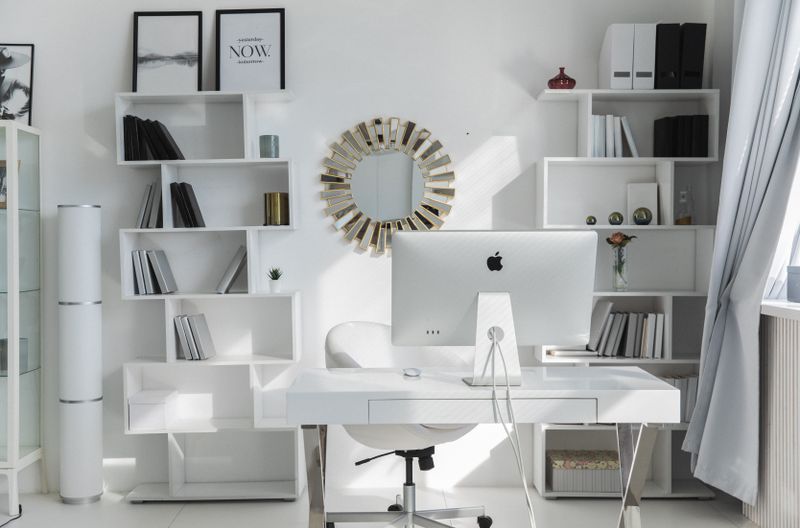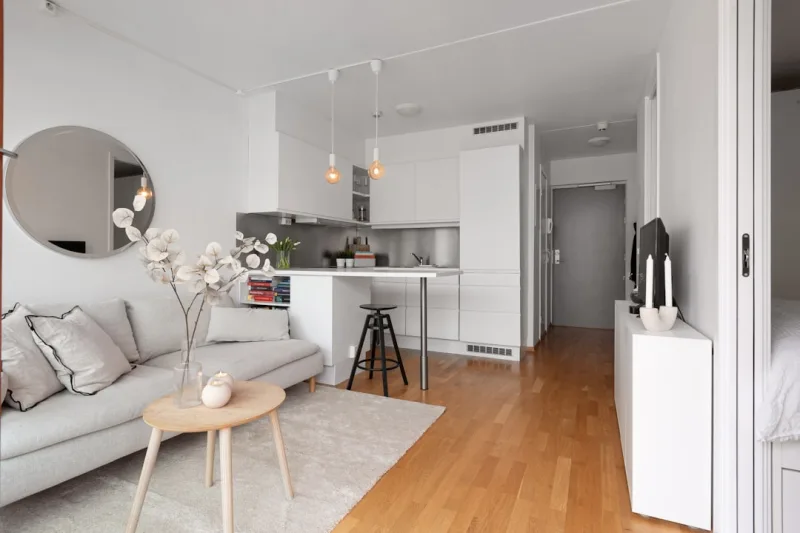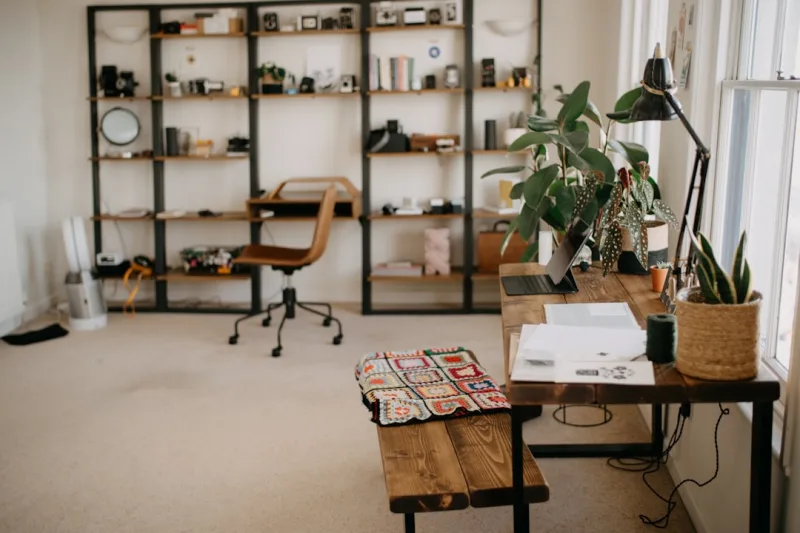
Look, I get it. You're tired of the cluttered desk situation. You want that calm, sophisticated workspace — the kind you see in those inspiring Instagram photos where everything has its place and nothing feels chaotic. Here's the thing: you don't need to drop a fortune to make your home office look like it belongs in a high-end design magazine. What you actually need is strategy, intention, and honestly, just a little bit of restraint.
I've been designing spaces for years, and the secret nobody talks about is that "expensive looking" doesn't mean expensive. It means edited. It means choosing quality over quantity, investing in a few statement pieces, and letting negative space do the heavy lifting. A minimalist office that actually looks polished is all about knowing what to keep, what to toss, and how to arrange things so every single item earns its spot.
So let's talk about transforming your workspace into something that makes you actually want to sit down and work. We're going minimal, we're going organized, and we're going to make it look like you hired a professional designer. Spoiler alert: the best part is that this approach is totally doable on a regular budget.
What You'll Need
Before you start, gather these essentials. None of this is fancy or hard to find — most of it you can grab from The The Home Depot, Target, or honestly, your local thrift store if you're strategic about it.
- Floating shelves or wall-mounted storage ($40-120) — Keeps things off your desk while looking intentional
- A quality desk organizer or small trays ($25-60) — Corralling supplies matters more than you'd think
- Matching storage boxes or baskets ($50-100 for a set) — Uniformity is the secret sauce here
- Cable management kit ($15-30) — The invisible hero of a polished space
- A neutral-toned desk pad or mat ($30-50) — Adds sophistication and defines your work zone
- Quality desk lamp (LED preferred) ($40-80) — Both functional and a design statement
- Minimal wall art or a large mirror ($25-100) — One or two pieces, not a gallery wall
- Indoor plant in a simple pot ($15-40) — Life, literally, without being overdone
- Drawer dividers or desk organizers ($20-40) — The unseen structure that keeps everything sane
- Paint (optional, one accent wall) ($30-50) — A soft neutral or warm white elevates everything
Total estimated budget: $290-670 (depending on what you already have and how you shop)
Step-by-Step Guide
Step 1: Ruthlessly Declutter Your Entire Desk
Seriously, remove everything. And I mean everything. Pens you don't use, cables for devices you sold three years ago, that mystery charging block — it's gotta go. This is the most important step, and honestly, it's where most people skip ahead and regret it. You can't create a minimalist space if you're surrounding yourself with clutter. Better Homes & Gardens & Gardens always emphasizes this, and they're right. Keep only what you use regularly. Be brutal about it.
Step 2: Measure and Plan Your Storage Solution
Now measure your wall space and desk dimensions. Do you need floating shelves above your desk? A storage unit to the side? The layout should work with your body and workflow, not against it. Sketch it out — even a rough sketch helps. Think about what needs to be visible and what should be hidden away. Your daily-use items stay accessible. Everything else finds a home in closed storage.
Step 3: Install Floating Shelves (If Going That Route)
These instantly read as "designed on purpose" — not cluttered. Mount them at eye level when seated, about 24 inches above your desk. You'll find installation guides on The Home Depot's website if you're not experienced. Use a level (seriously, use a level). Three or four lightweight shelves looks more intentional than a wall covered in them.
Step 4: Create Your Desk Surface Zones
Divide your workspace into zones: computer work zone, writing zone, and a clear area for actual thinking. Use that desk pad or mat we mentioned to visually define the workspace. Keep the desktop itself almost bare — just your computer, one lamp, maybe a small tray for current projects. Everything else lives in drawers or on those shelves you installed.
Step 5: Implement Cable Management
Cable clutter makes expensive spaces look cheap instantly. Invest in those cable management clips, sleeves, or boxes. Route everything behind or under your desk. Label anything that needs to be disconnected. It's tedious, but trust me — this single step transforms the entire vibe of your workspace.
Step 6: Organize What Goes in Storage
Use matching boxes or labeled baskets for supplies, documents, and reference materials. Consistency in color and material makes everything feel curated. All your storage containers should coordinate — white, natural wood, black, whatever fits your aesthetic. Nothing random.
Step 7: Add One Statement Piece
A quality desk lamp, a large mirror, or a single piece of meaningful art. Not multiple things — one. This is where people mess up minimalism by overthinking it. One elevated piece beats five "cute" things every single time. HGTV's design experts always stress this principle, and it works.
Step 8: Bring in Life With a Plant
 Budget Apartment Renovation: DIY Hacks That Actually Work
A single potted plant in a simple ceramic or concrete pot adds warmth without chaos. Pothos or snake plants are beautiful and forgiving if you forget to water them occasionally. Place it on a shelf or in a corner where it actually gets light.
Step 9: Fine-Tune Your Lighting
Proper lighting changes everything about how a space feels and how expensive it looks. Your overhead light might be cold and harsh — add that desk lamp and maybe a simple pendant if your budget allows. Warm LED lighting reads as intentional and sophisticated.
Step 10: Step Back and Resist the Urge to Fill Empty Space
This is the final and hardest step. You'll have empty space now. That's not failure — that's success. Resist the urge to fill it. Empty space is what makes minimalist offices look expensive and calm. Breathe into that emptiness.
Pro Tips
Use vertical space like your life depends on it. Wall-mounted shelves, pegboards, and hanging file organizers free up your desk and walls feel intentional rather than bare. This is especially important in smaller spaces.
Invest in two or three really good pieces rather than ten mediocre ones. A quality desk chair, a solid wooden shelf, or a beautiful lamp will outlast fast furniture and actually look better as it ages. This is the minimalist philosophy in action.
Stick to a color palette — maximum three colors. White, natural wood, and one accent color works beautifully. Your office doesn't need rainbows; it needs coherence. Coherence reads as expensive and intentional.
Keep your reference materials out of sight. Bookshelves crammed with colorful spines might feel academic, but they read as cluttered in a minimalist space. Use closed storage or keep only beautifully bound books on display.
Label everything you're storing. Label makers exist and they're cheap. Labeled containers look organized and intentional. Unlabeled ones just look mysterious.
Establish a weekly reset ritual. Sunday night, fifteen minutes, everything goes back to its home. A minimalist space requires maintenance, but we're talking fifteen minutes weekly, not hours. It's worth it.
Cost Breakdown
← Scroll to see full table →
| Item | Low Cost | Mid Range | High End |
|---|---|---|---|
| Floating Shelves (2-3 shelves) | $40 | $80 | $150 |
| Storage Boxes/Baskets Set | $50 | $75 | $120 |
| Desk Organizer/Trays | $25 | $45 | $80 |
| Cable Management Kit | $15 | $25 | $40 |
| Desk Pad/Mat | $30 | $45 | $75 |
| Desk Lamp (LED) | $40 | $65 | $150 |
| Wall Art or Mirror | $25 | $60 | $150 |
| Plant & Pot | $15 | $30 | $60 |
| Drawer Dividers | $20 | $35 | $60 |
| Paint (Optional) | $30 | $40 | $60 |
| TOTAL | $290 | $500 | $945 |
Note: Prices vary by location and retailer. Shopping sales and thrift stores can cut costs significantly. You likely don't need to purchase everything at once — build your space gradually.
FAQ
📷 Photo by Annie Spratt on Unsplash