How to Transform Your Living Room Into a Farmhouse Oasis Without Breaking the Bank
Look, I get it. You've been scrolling through Instagram and Pinterest, seeing all these gorgeous farmhouse living rooms with shiplap walls, vintage barn doors, and that perfect lived-in vibe — and you're thinking, "Yeah, that's definitely not happening on my budget." But here's the thing: farmhouse style is actually one of the most budget-friendly design trends out there if you know what you're doing. I've helped dozens of people completely transform their living spaces without dropping thousands of dollars, and I'm going to walk you through exactly how I do it.
The beauty of farmhouse design is that it's all about authenticity and imperfection. Those distressed finishes? The mismatched wooden furniture? The worn textures? They're not expensive because they're supposed to look like they've been around for decades. You don't need high-end pieces — you need strategy, patience, and honestly, a willingness to get your hands a little dirty with some DIY work. Trust me, the results are worth it.
I'm going to break down everything you need to know to pull off this transformation without maxing out your credit card. We're talking real numbers, real products, and real solutions that actually work.
What You'll Need
Before you dive into this project, grab these materials. Most of these are available at The The Home Depot, Amazon, or local craft stores like Michaels:
- Shiplap or Peel-and-Stick Wallpaper — $40-80 (peel-and-stick is easier and cheaper than real shiplap)
- Neutral Paint (cream, greige, soft white) — $25-35 per gallon
- Wood Stain or Whitewash — $12-20
- Paintbrushes and Rollers — $15-25
- Drop Cloth and Painter's Tape — $10-15
- Wooden Shelving or Reclaimed Wood — $30-75
- Hardware for Shelves (brackets, nails) — $20-30
- Vintage-Style Decor Items (mason jars, lanterns, signs) — $30-60
- Fabric for Throw Pillows — $20-40
- Wood Filler and Sandpaper — $10-15
- Area Rug (neutral, natural fiber) — $50-150
- Ladder or Step Stool — $20-40
Step-by-Step Guide
Step 1: Plan Your Color Palette
Start by choosing your colors. Farmhouse living rooms thrive on a neutral foundation — I'm talking cream, warm whites, soft grays, and greiges. Pick one main wall color and maybe one accent tone. Better Homes & Gardens & Gardens has some fantastic inspiration galleries if you're feeling stuck. Honestly, you can't go wrong with Benjamin Moore's "Accessible Beige" or Sherwin-Williams "Alabaster." These colors are timeless and they make spaces feel bigger.
Step 2: Prep Your Space
Move furniture to the center of the room and cover it with a drop cloth. Remove outlet covers, light switch plates — everything that can come off. Trust me, painting around these details is way more annoying than just popping them off for fifteen minutes. Clean your walls thoroughly because paint won't stick well to dust. I learned this the hard way years ago.
Step 3: Paint the Walls
Apply primer first if you're making a dramatic color change — you'll save money in the long run because you won't need three coats of paint. Use quality brushes. Cheap brushes shed bristles everywhere and give you an uneven finish. Paint two coats, letting each dry completely before the next. This takes time, but rushing it shows.
Step 4: Add Shiplap or Peel-and-Stick Wallpaper
Here's where I cut costs without sacrificing the farmhouse look. Real shiplap installation involves serious work and expense. Instead, use peel-and-stick shiplap wallpaper — it costs about $40-80 for a feature wall, and honestly, no one can tell the difference from three feet away. You can also DIY with tongue-and-groove boards if you're handy, but the wallpaper is legitimately the move for budget transformations. Apply it to one accent wall behind your couch or fireplace.
Step 5: Install Open Shelving
Farmhouse style loves open shelving. Pick up some reclaimed wood or new wood from The Home Depot and stain it with a whitewash finish — this gives that aged, weathered look without the aged price tag. Install brackets on your wall and arrange your shelves. Decorate with mason jars, vintage books, and small plants. It sounds simple because it is, but it makes a massive visual impact.
Step 6: Refinish or Distress Existing Furniture
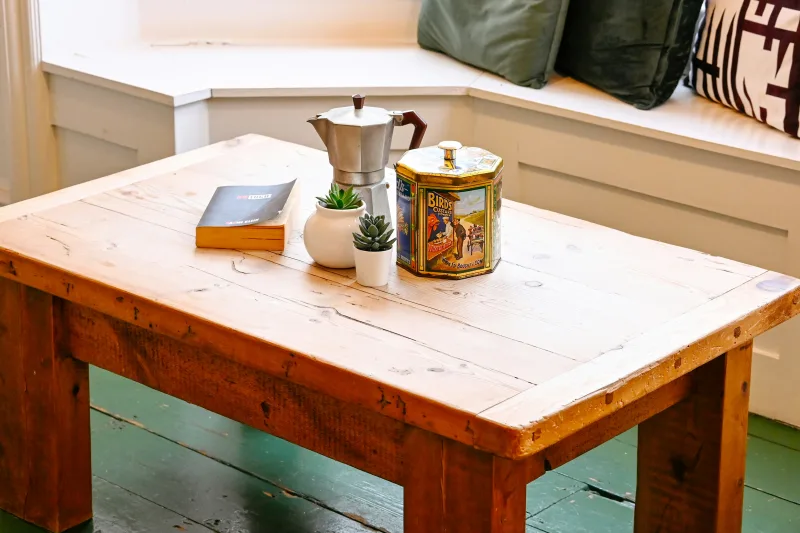
Got an old coffee table or side table? Sand it down and whitewash it or stain it in a lighter tone. If you want that distressed look, strategically sand the edges and corners to expose wood underneath. This gives furniture the authentic farmhouse character — and it's basically free if you're using what you already have.
Step 7: Layer in Textiles and Accessories
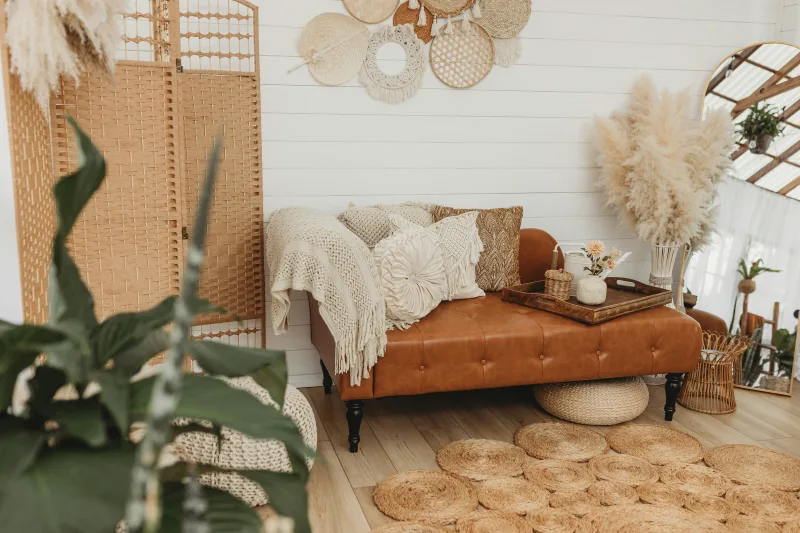
This is where your room comes alive. Add a neutral area rug with natural fibers — jute or sisal work perfectly. Grab throw pillows in linen, cotton, and maybe some subtle patterns. Drape a chunky knit throw over your couch. Add a few decorative lanterns, some woven baskets for storage, and maybe a wooden sign with a farm-inspired saying. These elements are inexpensive but they completely transform the feeling of the room.
Step 8: Create Focal Points
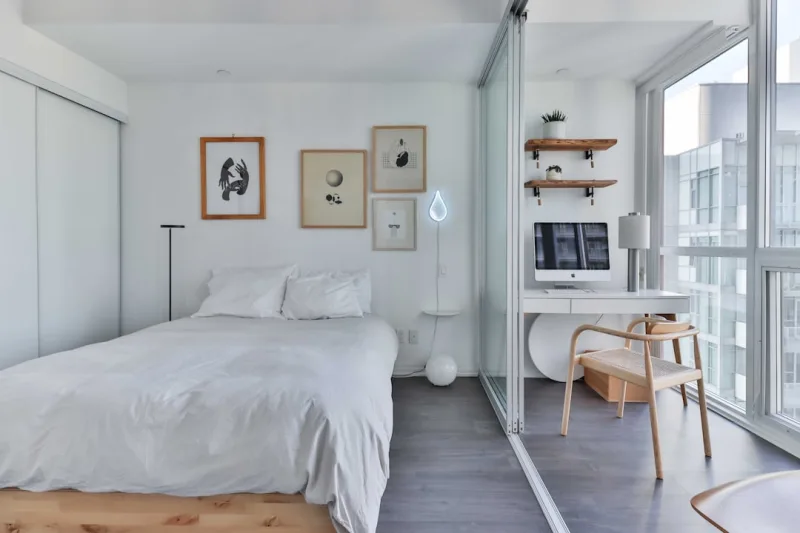
 Budget Apartment Renovation: DIY Hacks That Actually Work
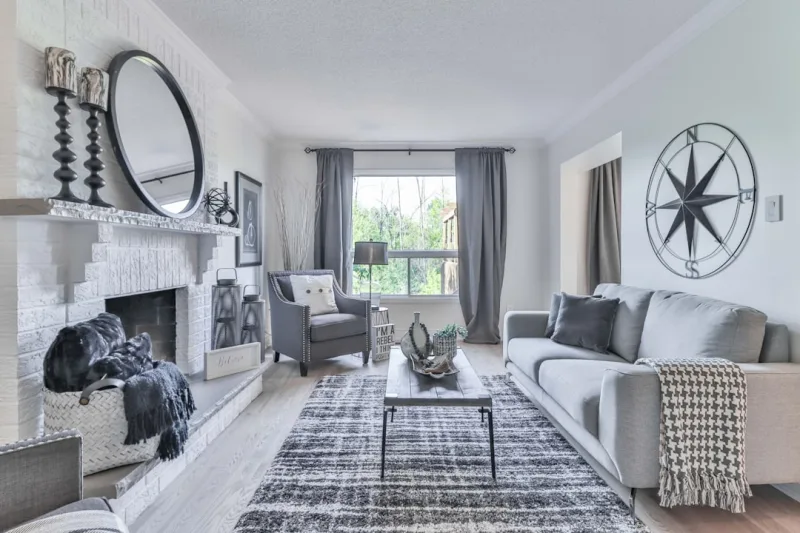
If you have a fireplace, style the mantel with a mix of heights and textures — candlesticks, a mirror, some greenery. If not, create a gallery wall with mismatched frames (thrift these!) or lean a large mirror against the wall. HGTV has amazing tutorials on creating focal points that don't require expensive artwork.
Pro Tips
Shop secondhand first. Thrift stores, Facebook Marketplace, and estate sales are goldmines for farmhouse furniture and decor. I found a gorgeous wooden ladder for eight dollars last month — eight dollars. It's now a stunning blanket display in a client's living room.
DIY your own farmhouse signs. Grab a piece of wood from The Home Depot ($5-10), stain it, and use a wood-burning tool or stencil to add text. Etsy sellers charge $30-50 for these things. You can make five for less.
Paint hardware to match. Old brass hinges on a vintage cabinet? Paint them matte black or white to update them instantly. This costs maybe two dollars and changes everything.
Use what you already own. That grandmother's quilt? The old ladder from your garage? The vintage scale from a yard sale five years ago? These are your assets. Farmhouse design celebrates existing, worn items, so lean into what you've got.
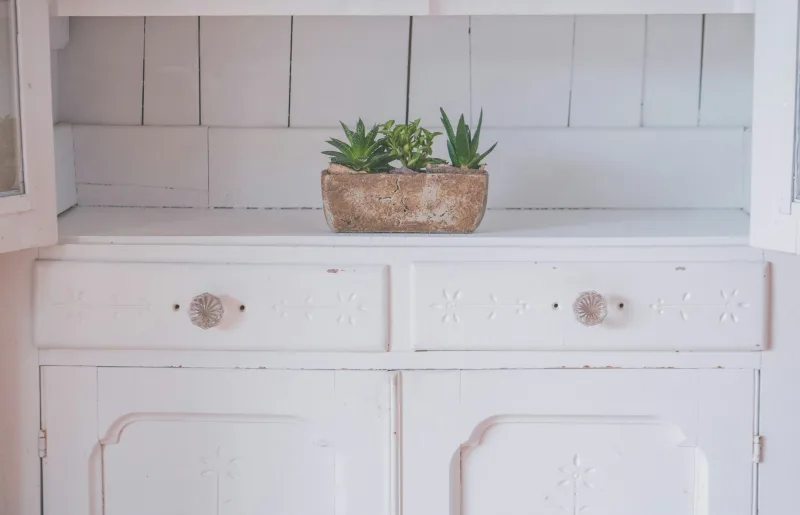
Embrace greenery. Fresh or faux plants are cheap and they soften spaces beautifully. Put them in mismatched pots — the mismatching is actually the aesthetic here.
Cost Breakdown
← Scroll to see full table →
| Item | Cost Range |
|---|---|
| Paint (2 gallons) | $50-70 |
| Peel-and-Stick Shiplap | $40-80 |
| Shelving Materials | $50-100 |
| Hardware & Tools | $50-75 |
| Area Rug | $50-150 |
| Textiles & Pillows | $40-80 |
| Decor & Accessories | $40-80 |
| Total Estimated Cost | $320-635 |
Frequently Asked Questions
Q: Do I really need to buy new furniture?
A: Absolutely not. This is the secret sauce to farmhouse budgeting. Paint, stain, and refinish what you have. The best farmhouse pieces look aged and imperfect anyway. If you do need to buy, hit up thrift stores, Facebook Marketplace, and Craigslist. You'll find solid wood pieces for a fraction of retail prices.
Q: Can I do this if I'm renting?
A: One hundred percent, yes. Use peel-and-stick wallpaper instead of painting. Get removable wallpaper for the shiplap look. Use removable contact paper on cabinet fronts. Skip installation of permanent shelving and use leaning shelves instead. Your landlord will appreciate getting the space back in decent shape.
Q: What if I don't have a fireplace or statement wall?
A: Create your own focal point. Lean a large mirror against a wall, create a gallery wall of thrifted frames, or arrange floating shelves in an interesting pattern. You can also
📷 Photo by Lotus Design N Print on Unsplash