DIY Accent Wall Ideas for Your Living Room Without Breaking the Bank
So you're staring at your living room, and something just feels... off. Maybe the walls are crying out for some personality, or you're tired of that vanilla beige that came with the place. Here's the thing — you don't need to drop thousands of dollars on a professional renovation to completely transform your space. An accent wall is legitimately one of the easiest wins in interior design, and I'm going to walk you through exactly how to pull it off without maxing out your credit card.
I've been there myself. You watch those HGTV shows, see a gorgeous accent wall in someone's mansion, and think, "Yeah, that's never happening in my budget." But honestly? Some of the most stunning accent walls I've seen were created by regular people with paint, wallpaper, or creative materials they already had lying around. The magic isn't in spending money — it's in choosing the right wall and executing it with confidence.
Whether you're a complete beginner or someone who's dabbled in DIY before, we're going to cover everything from material selection to the actual installation. By the end of this, you'll have concrete ideas, realistic pricing, and the confidence to tackle this project this weekend.
What You'll Need
Before you grab your keys and head to The The Home Depot, let me break down exactly what you're actually going to need. The beauty of accent wall projects is that the material list is shockingly short — and affordable.
For a Paint Accent Wall:
- Paint (1-2 gallons) — $20-35 depending on brand and quality
- Primer — $10-15 (honestly, sometimes you can skip this if you're covering a similar tone)
- Paintbrushes — $8-12 for a decent set
- Paint roller and handle — $5-10
- Drop cloth or plastic sheeting — $3-8
- Painter's tape — $4-6 per roll (grab two)
- Paint tray — $2-4
- Sandpaper and spackle (if filling holes) — $5-8
For a Peel-and-Stick Wallpaper Accent Wall:
- Peel-and-stick wallpaper — $25-60 depending on the size of your wall
- Smoothing tool or credit card — $0-5
- Utility knife — $3-8 if you don't have one
- Measuring tape and level — $5-10
For a Shiplap or Reclaimed Wood Accent Wall:
- Shiplap boards or reclaimed wood — $30-80 depending on size
- Wood stain or whitewash — $8-15
- Small nails or brad nails — $5-10
- Nail gun (rental option available) — $30-50 or $20-30 to rent
- Wood filler and sandpaper — $8-12
Step-by-Step Guide
Choosing Your Wall: The Most Important Decision
Before you buy a single can of paint, you need to pick the right wall. And this actually matters more than people think. The best accent wall is typically one that you see when you first walk into the room — or the wall behind your sofa or TV. Avoid painting the wall with lots of windows unless you're going for a really specific look, because natural light will change how the color appears throughout the day.
Also, think about your furniture placement. You want people to see this accent wall, not have it hidden behind a bookshelf you've been meaning to move for two years.
Method 1: Paint — The Classic Approach
Step 1: Prep the Wall Like Your Life Depends On It — This is where people cut corners, and then they regret it. Fill any nail holes with spackle, sand them smooth once they're dry, and wipe down the entire wall with a damp cloth to remove dust and cobwebs. Let it dry completely. This takes patience, but I promise it's worth it.
Step 2: Use Painter's Tape (Seriously, Don't Skip This) — Run painter's tape along the edges of your accent wall where it meets the adjacent walls. Press it down firmly so paint doesn't seep underneath. Use a level to make sure your lines are straight — nobody wants a wonky accent wall.
Step 3: Prime if Necessary — If you're going from a light color to a dark color, or covering stains, primer is your friend. Apply it with a roller and let it dry according to package instructions. Usually, you're looking at 1-2 hours.
Step 4: Paint with Purpose — Pour your paint into the tray. Use a brush for the edges and corners first, then switch to the roller for the bulk of the wall. Apply thin, even coats rather than one thick coat. Most colors need two coats, so plan on spending your entire afternoon here. Don't rush this part.
Step 5: Remove Tape While Paint Is Still Slightly Tacky — This prevents the paint from peeling off with the tape. Wait about 30 minutes after your final coat, then slowly peel away the painter's tape at a 45-degree angle.
Method 2: Peel-and-Stick Wallpaper — The Instant Impact Option
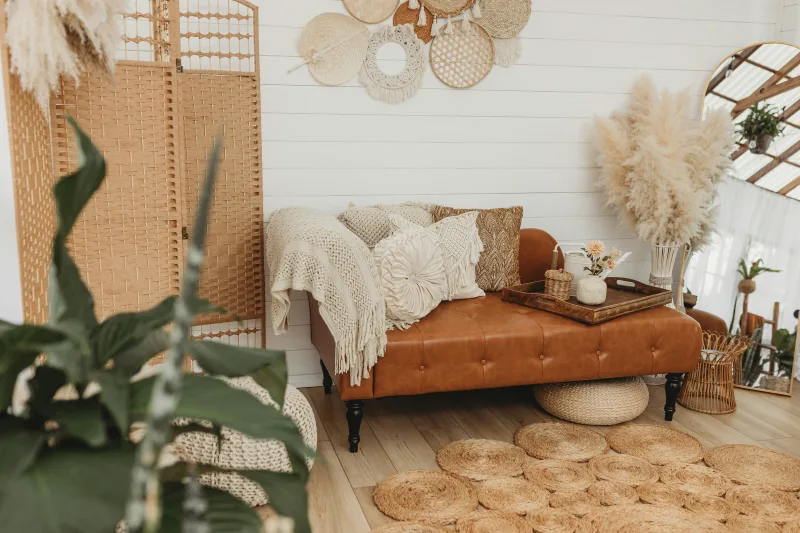 Budget Apartment Renovation: DIY Hacks That Actually Work
Step 1: Measure Everything Twice — Seriously. Get your wall dimensions and make sure you're ordering enough wallpaper. Most rolls cover about 28 square feet, so do the math before you click "add to cart."
Step 2: Prep Your Wall — Clean the wall thoroughly with a damp cloth. Any dust or residue will prevent the wallpaper from sticking properly. Let it dry completely.
Step 3: Find Your Starting Point — Use a level to mark a vertical line where you'll start. This is crucial for keeping your wallpaper straight, especially if your room isn't perfectly square (and honestly, most rooms aren't).
Step 4: Apply the Wallpaper — Peel back about 12 inches of the backing and align the top edge with your marked line. Press it down as you go, using a smoothing tool (or literally just a credit card) to push out air bubbles. This takes patience, but it's way easier than actual wallpaper with adhesive.
Step 5: Trim the Edges — Use a utility knife and straightedge to trim excess wallpaper at the top, bottom, and sides. A fresh blade makes this exponentially easier.
Method 3: Shiplap or Reclaimed Wood — The Statement Maker
Step 1: Prepare Your Wall — You'll want to locate the studs in your wall using a stud finder. These are your anchor points for securing boards. Mark them lightly with pencil.
Step 2: Start at the Bottom — Apply your first row of shiplap at the baseboard, making sure it's level. Use brad nails or a nail gun to secure it to the studs.
Step 3: Work Your Way Up — Continue adding rows, making sure each piece fits snugly against the one below. The boards should overlap slightly — that's literally the point of shiplap.
Step 4: Fill and Sand — Once all boards are up, fill nail holes with wood filler. Sand everything smooth once it's dry.
Step 5: Finish Your Choice — Paint it white for that farmhouse vibe, stain it for rustic elegance, or whitewash it for something in between. This final step really sets the mood.
Pro Tips from Someone Who's Done This a Hundred Times
- Sample Your Paint First — Buy a small sample can and paint a 2x2 section on your wall. Look at it in different lighting throughout the day. Paint colors change dramatically depending on whether you're looking at them in morning light versus evening. Don't be that person who commits to a color without doing this.
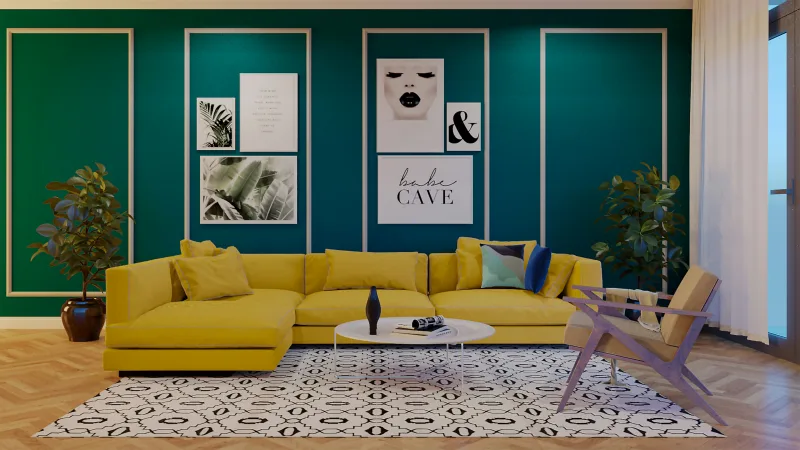
- Go Bold If You're Going to Do It — The whole point of an accent wall is to make a statement. If you're thinking about a medium gray, just paint all the walls medium gray. Go navy, go emerald, go burnt orange. Life's too short for wishy-washy accent walls.
- Check Out HGTV and Better Homes & Gardens & Gardens for Inspiration — These sites have thousands of examples. Screenshot the colors and styles you love, then bring those images when you shop for paint. Paint stores can literally match photos now.
- Invest in Quality Brushes and Rollers — Cheap brushes shed bristles everywhere. It's infuriating and ruins your finish. Spend the extra five bucks.
- Consider Your Lighting — A darker accent wall will make a room feel cozier but smaller. A lighter accent wall feels fresh and airy. Think about how you use the space and what mood you want to create.
- Don't Forget About Trim — If your room has baseboards and crown molding, consider painting those to frame your accent wall. It looks intentional and finished.
Cost Breakdown
← Scroll to see full table →
| Method | Minimum Cost | Maximum Cost | Difficulty Level | Time Required |
|---|---|---|---|---|
| Paint | $35 | $90 | Beginner-Friendly | 4-6 hours |
| Peel-and-Stick Wallpaper | $25 | $75 | Beginner-Friendly | 2-4 hours |
| Shiplap or Reclaimed Wood |