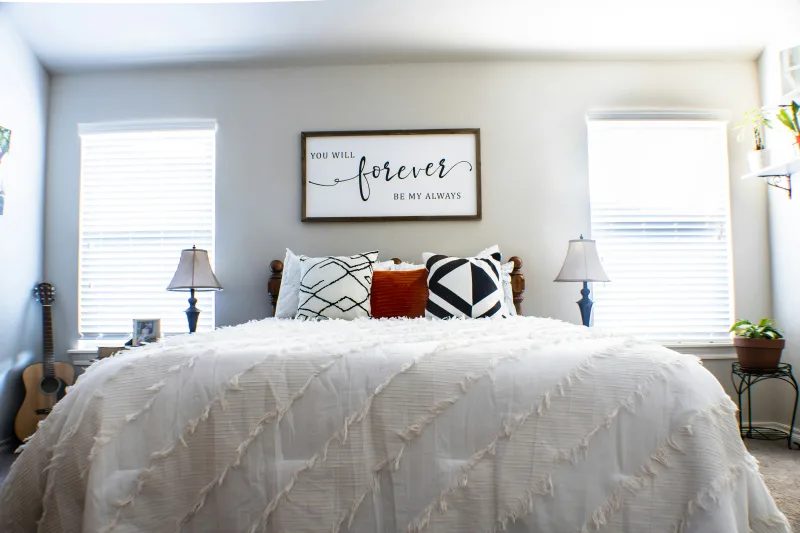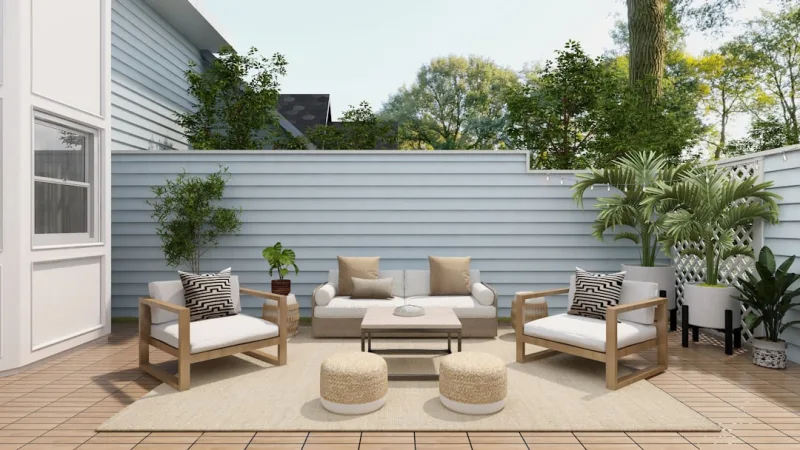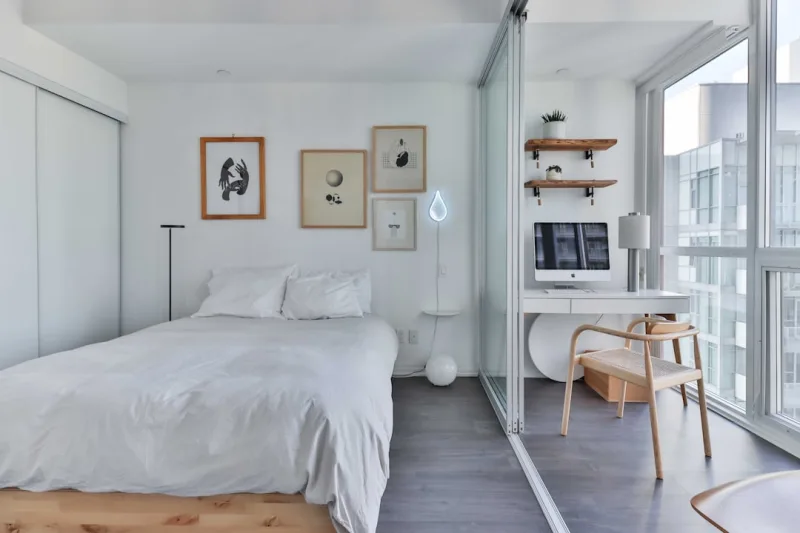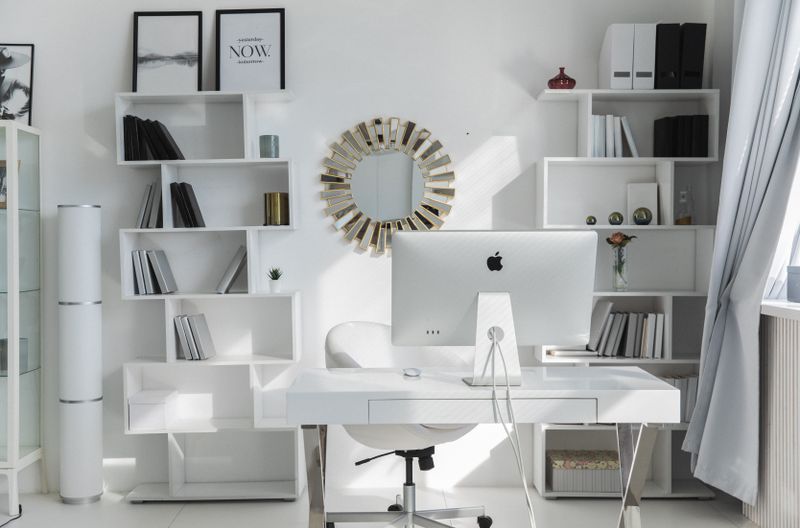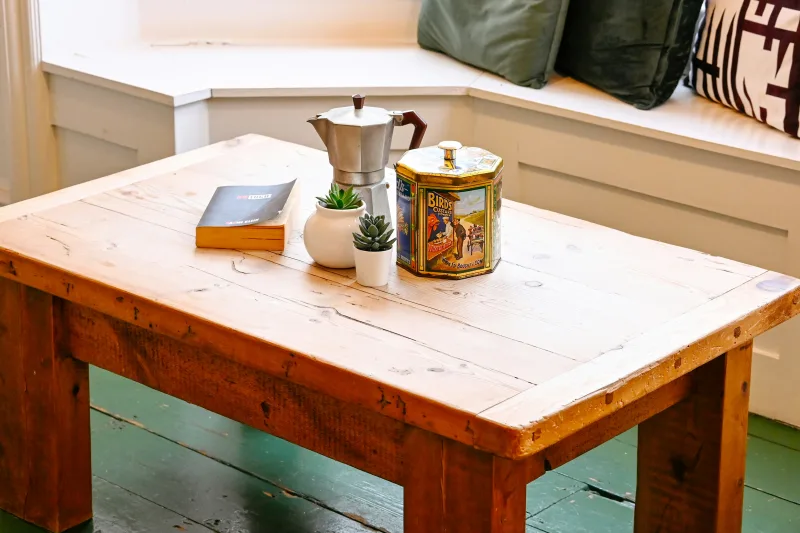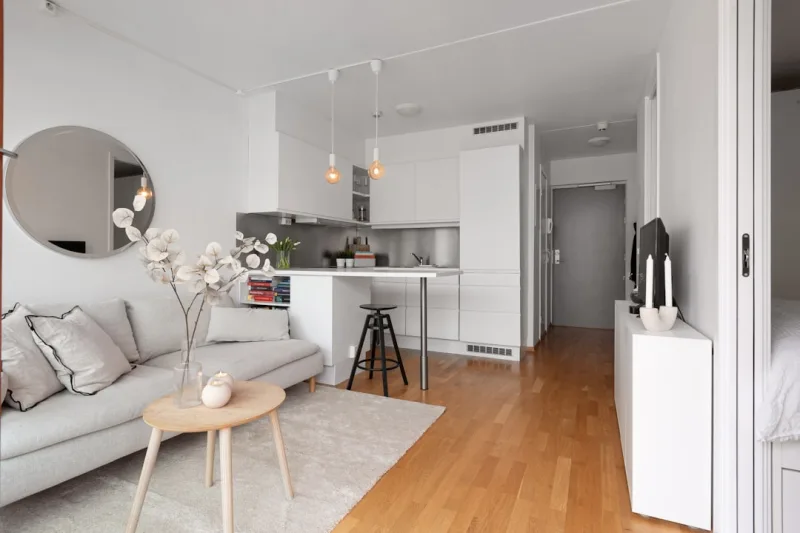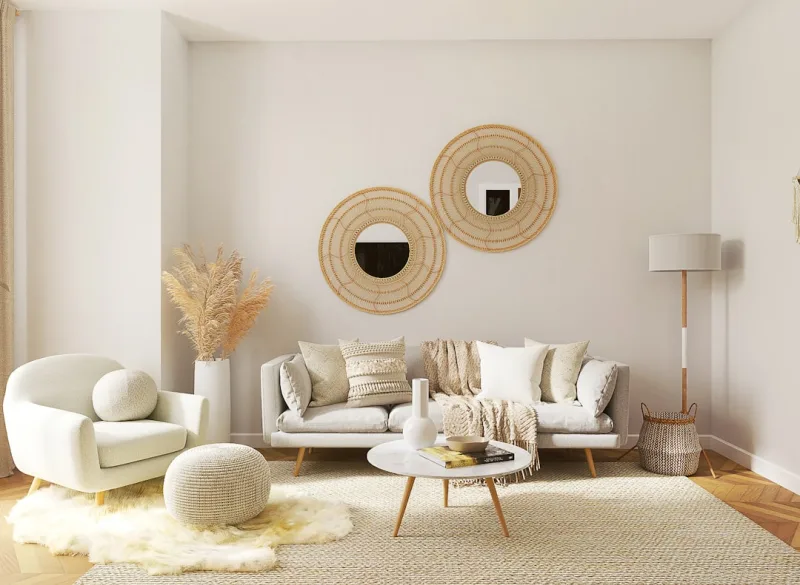
Look, I get it. You're renting, which means you can't knock down walls or paint that sad beige permanent. But here's the thing — that absolutely does not mean you're stuck living in a boring, generic apartment that looks like it came straight out of a 2003 catalog. I've worked with dozens of renters who've completely transformed their living rooms into designer-level spaces without spending a fortune or breaking their lease agreement.
The secret? It's all about layering, strategic furniture placement, and knowing which rental-friendly pieces actually make a dramatic impact. Honestly, some of my favorite transformations have been in apartments where the landlord would never even know we made changes. We're talking removable wallpaper, tension rods, adhesive hooks, and furniture styling that costs way less than you'd think.
So whether you're in a tiny studio or a sprawling two-bedroom, I'm going to walk you through exactly how to create a designer living room that you'll actually love coming home to — without jeopardizing your security deposit.
What You'll Need
Before we dive into the fun stuff, let's talk materials and budget. These are the essentials for creating that designer look in a rental space:
- Removable Wallpaper or Peel-and-Stick Decals — $25-60 per roll (The The Home Depot has incredible options)
- Statement Area Rug — $100-300 (anchor your furniture and define the space)
- Throw Pillows and Blankets — $15-50 each (this is where personality happens)
- Wall Shelving Units (floating) — $40-150 (command adhesive strips make these work)
- Quality Curtain Rods and Fabric — $30-100 (instant sophistication)
- Accent Lighting — $20-80 per piece (table lamps, floor lamps, string lights)
- Adhesive Strips and Hooks — $10-20 (the unsung heroes of renting)
- Paint Samples in Test Pots — $5-10 (seriously, paint your accent wall with permission)
- Plants and Planters — $15-80 (greenery makes everything better)
- Artwork and Frame Sets — $30-150 (gallery wall energy)
Step-by-Step Guide
Step 1: Start With a Solid Foundation — Your Furniture Layout
Before you buy anything new, walk around your living room and really look at what you've got. I usually recommend measuring your space first — seriously, grab a tape measure. Know your dimensions. Then, think about traffic flow. Where do people naturally walk? Your furniture should create conversation zones, not block pathways.
If you're buying new pieces, invest in a quality sofa or sectional that matches your aesthetic. This is your anchor piece. Everything else builds around it. You don't need expensive — HGTV has fantastic guides on finding affordable, quality furniture that doesn't scream "budget."
Step 2: Define Your Space With an Area Rug
Here's where so many renters mess up. They skip the rug thinking it's not essential. Wrong. A rug instantly grounds your living room and makes it feel intentional. Choose one that speaks to your design style — whether that's a modern geometric pattern, a cozy Persian-inspired piece, or something neutral with texture.
Pro move? Layer your rug under the front legs of your sofa. This creates visual cohesion and makes the space feel designed rather than thrown together. Aim for at least a 5x8 or 6x9 depending on your room size.
Step 3: Add Personality With Removable Wallpaper
This is my favorite renter hack. Removable wallpaper looks stunning, transforms a blank wall in hours, and peels off cleanly. Pick one accent wall — usually the wall your sofa faces or the one you see first entering the room. Bold patterns work beautifully here. Stripes, botanical prints, geometric designs... go for it.
The Home Depot and Better Homes & Gardens & Gardens both have excellent selections. Make sure your walls are clean and smooth before applying. Yes, it takes patience, but you'll cry happy tears when it's done.
Step 4: Create Visual Interest With Layered Lighting
Bad lighting will ruin even the most beautiful space. Period. You need three types: ambient (overhead), task (reading lamps), and accent (mood setting). Use adhesive-strip friendly floor lamps in corners, table lamps on side tables, and consider string lights or a plug-in wall sconce for that designer hotel vibe.
Dimmers are your friend too. If your landlord allows, swap out your light switches for dimmer switches. If not, use smart bulbs that you can control from your phone. Game changer.
Step 5: Style Your Walls Without Commitment
Gallery walls are having a major moment, and they're perfect for renters. Use command strips to hang framed photos, artwork, mirrors, and prints. Mix frame styles and sizes for that curated, designer feel. Keep spacing consistent — usually 2-3 inches between pieces.
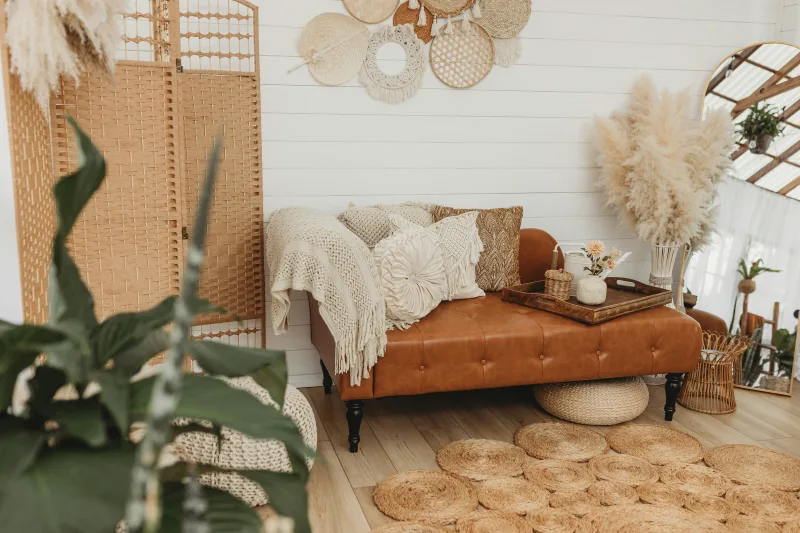 Budget Apartment Renovation: DIY Hacks That Actually Work
Don't have original art? That's fine. Affordable prints from anywhere are totally acceptable. The key is intentional arrangement.
Step 6: Layer Textiles for Comfort and Style
Throw pillows, blankets, and curtains are basically the jewelry of interior design. They're affordable, changeable, and can completely shift your room's vibe. Mix textures — linen, velvet, wool, cotton. Vary sizes and shapes. Honestly, I usually recommend 4-6 pillows on a sofa for that styled, magazine-worthy look.
Curtains should hang all the way to the floor and be wider than your window. This instantly elevates any room. Use a quality curtain rod — it's worth the investment.
Step 7: Bring in Greenery and Accessories
Plants soften spaces and add life (literally). Position them in corners, on shelves, and on side tables. You don't need a green thumb — low-maintenance plants like pothos, snake plants, and ZZ plants are ridiculously forgiving.
Add books, candles, decorative bowls, and small sculptures to shelves and surfaces. These finishing touches make a room feel lived-in and intentional.
Pro Tips
Stick to a color palette. Choose 3-4 colors and repeat them throughout the room. This creates cohesion and a high-design feel. I usually go with a neutral base (white, gray, beige) and 2-3 accent colors.
Invest in quality basics, DIY the rest. Your sofa and area rug should be quality pieces you'll keep for years. Pillows, artwork, and accessories? Go budget-friendly and swap them out seasonally.
Use mirrors strategically. They reflect light and make spaces feel bigger. Lean a large mirror against a wall or hang it opposite a window.
Don't skimp on hardware. Better curtain rods, shelf brackets, and picture hangers actually matter. Cheap hardware looks cheap.
Take photos of your original walls before any changes. Photograph paint colors, wall conditions, and original fixtures. This protects you when it's time to move out.
Cost Breakdown
← Scroll to see full table →
| Item | Budget Option | Mid-Range Option | Splurge Option |
|---|---|---|---|
| Area Rug (5x8) | $80-120 | $150-250 | $300-600 |
| Throw Pillows (set of 4) | $40-60 | $80-120 | $150-300 |
| Curtains (per window) | $30-60 | $80-150 | $200-400 |
| Removable Wallpaper | $25-40 | $50-80 | $100-150 |
| Lighting (1-2 pieces) | $40-80 | $100-200 | $250-500 |
| Wall Art & Gallery | $50-100 | $150-250 | $400-800 |
| Plants & Planters | $30-50 | $70-120 | $150-300 |
| TOTAL | $295-510 | $685-1,170 | $1,450-3,150 |
FAQ
Q: Can I paint my rental walls?
A: Maybe. Always check your lease and ask your landlord first. Many landlords are actually cool with it if you agree to