Cozy Living Room Decor 2026: Create Your Perfect Retreat
Look, I've been doing this for years, and I can tell you that 2026 is all about creating spaces that actually feel lived-in. Not those sterile Instagram-perfect rooms — I'm talking about spaces where you genuinely want to spend your evenings with a book and a warm drink. The good news? You don't need a designer budget or a weekend of stress to make it happen.
The cozy living room trend isn't going anywhere, and honestly, it makes sense. We've collectively realized that our homes should be sanctuaries. The 2026 approach combines warm textures, thoughtful lighting, and a mix of vintage and modern elements that just feels right. Here's the thing — you can absolutely nail this aesthetic yourself, and I'm going to walk you through exactly how.
Whether you're starting from scratch or refreshing a space that's been bugging you, this guide covers everything you need. We're talking materials, real costs, and the kind of practical advice that actually works when you're standing in your living room at 3 PM wondering what shade of warm beige to go with.
What You'll Need
Before you start shopping (and yes, I know it's tempting to buy everything immediately), let's talk about what actually makes a space feel cozy. You'll need a combination of textiles, lighting elements, and structural items. Here's your materials list:
- Warm area rug (natural fibers) — $150-$400
- Throw blankets (at least 2-3) — $40-$80 each
- Throw pillows (4-6 pieces) — $25-$60 each
- Warm-toned paint (optional, 1-2 gallons) — $30-$50 per gallon
- Ambient lighting fixtures (table lamps, floor lamps) — $60-$200 each
- Natural wood furniture pieces or accents — $100-$500 depending on size
- Fireplace insert or faux fireplace (optional) — $200-$800
- Decorative baskets for storage — $30-$100 each
- Wall art or mirrors in warm frames — $40-$150 each
- Indoor plants and planters — $15-$75 per plant
- Coffee table books and accessories — $20-$100
You can find quality pieces at The The Home Depot for structural items, Better Homes & Gardens & Gardens collections for furniture, and pretty much anywhere for textiles these days. The key is mixing high-low — invest in one or two really nice foundational pieces and fill in with affordable accents.
Step-by-Step Guide
Step 1: Start with Your Color Foundation
The first thing I always do is establish a warm color palette. I'm talking warm whites, soft creams, warm grays, and earthy tones — think terracotta, sage, warm taupe. If you're painting, pick one warm base color for your walls. This is your anchor. Many people skip this and just throw stuff at their walls, which is honestly how you end up with a chaotic space instead of a cozy one.
If painting feels like too much (totally valid), just use your furniture and decor to establish these tones. Your sofa, area rug, and throw blankets become your color story.
Step 2: Layer Your Lighting
Here's where the magic happens. Harsh overhead lighting is the enemy of coziness — seriously, just avoid it. Instead, layer three types of lighting: ambient (soft general light), task (for reading or activities), and accent (decorative). String warm-toned LED bulbs in table lamps and floor lamps around the room. Aim for 2700K color temperature bulbs; they give that warm, inviting glow.
Place at least one lamp on each side of your sofa, one near a reading nook if you have one, and consider a large floor lamp in a corner. Yes, it's more outlets involved, but the ambiance is worth it. You're essentially building a layered approach that lets you control the mood throughout the day.
Step 3: Anchor with Your Area Rug
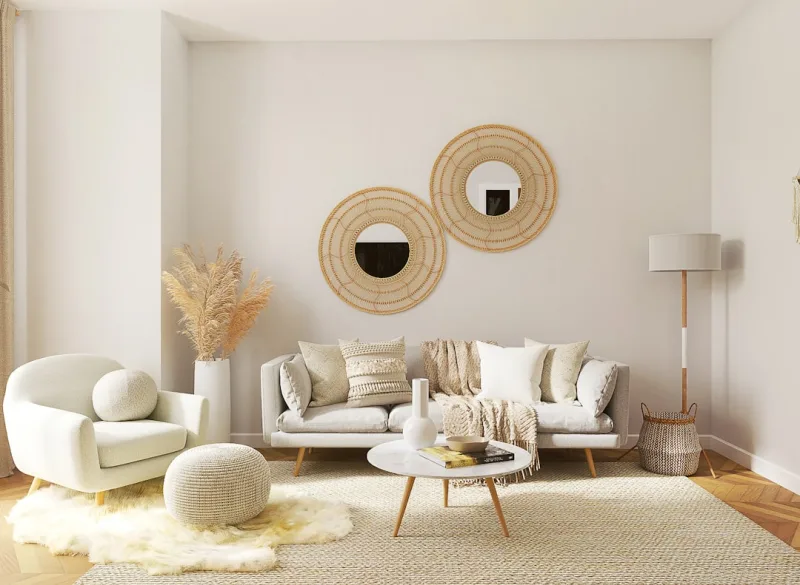
Your area rug should be large enough that the front legs of your main furniture sit on it. This single element ties everything together and defines your seating area. Go for natural fibers like jute, wool, or a wool blend — they feel better underfoot and photograph beautifully. Warm, neutral tones work best, though a subtle pattern or texture adds visual interest without feeling busy.
Step 4: Layer Textiles Strategically
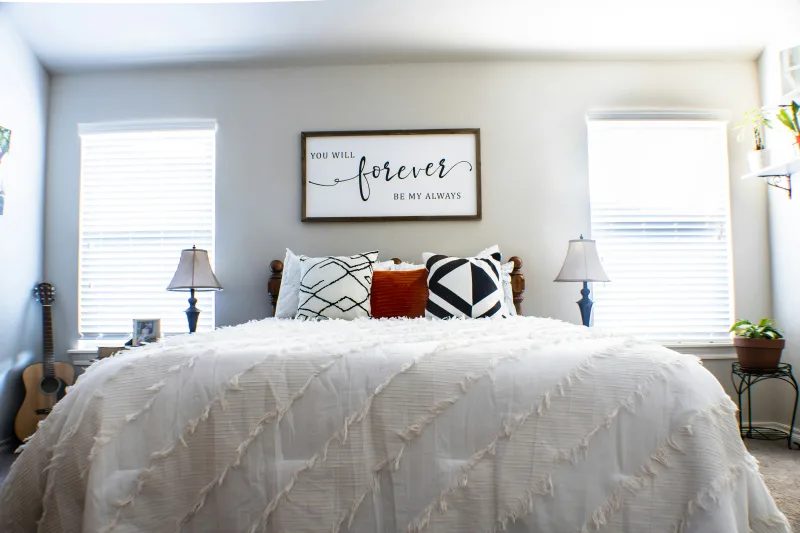
This is where your space gets genuinely inviting. Throw 2-3 blankets across your sofa in varying textures — maybe chunky knit, linen, and a vintage-looking throw. Arrange 4-6 pillows in different sizes and textures. Mix and match your warm tones here; don't go matchy-matchy. A cream pillow next to a warm terracotta one next to a sage green one? Perfect.
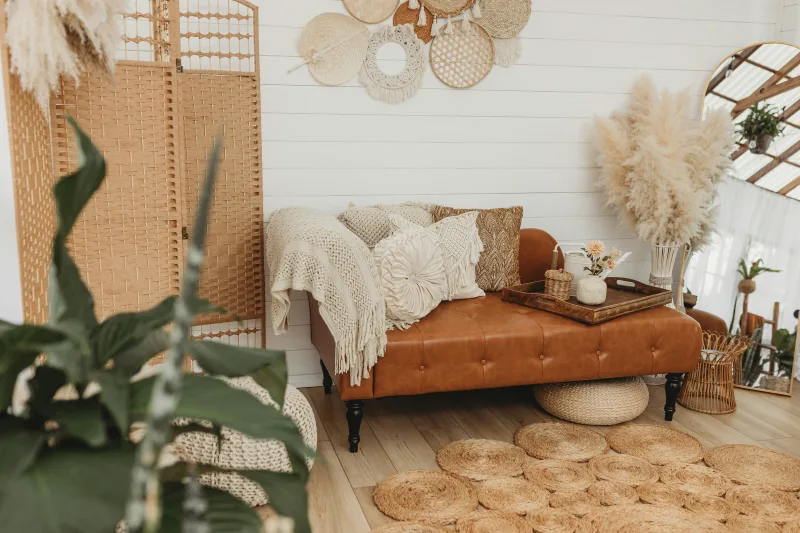
Step 5: Add Natural Elements and Greenery
 Budget Apartment Renovation: DIY Hacks That Actually Work
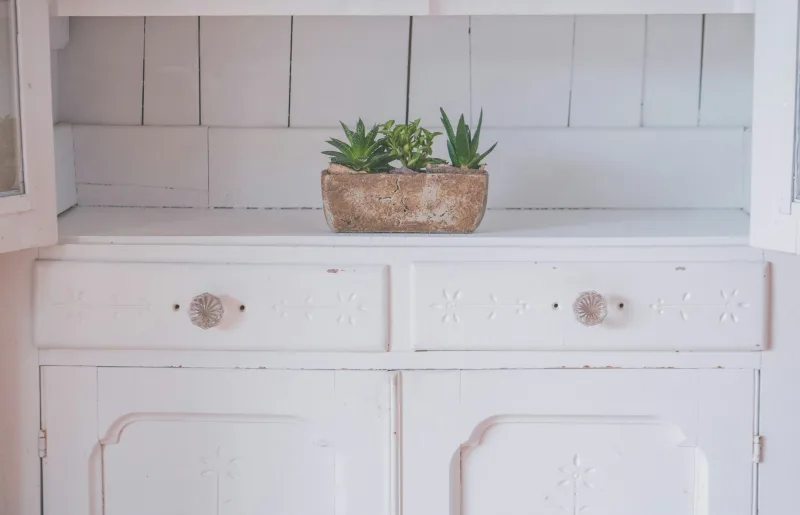
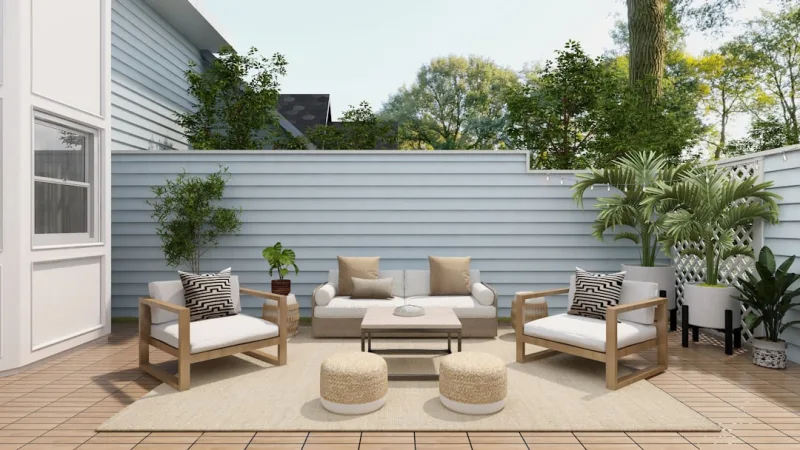
Living, breathing plants make a massive difference. I'm not talking about high-maintenance specimens; I mean pothos, snake plants, and fiddle leaf figs if you're feeling ambitious. Place them in corners, on plant stands, or on shelving. They add vertical interest, improve air quality, and honestly just make the space feel more intentional.
Step 6: Incorporate Warmth Through Accessories
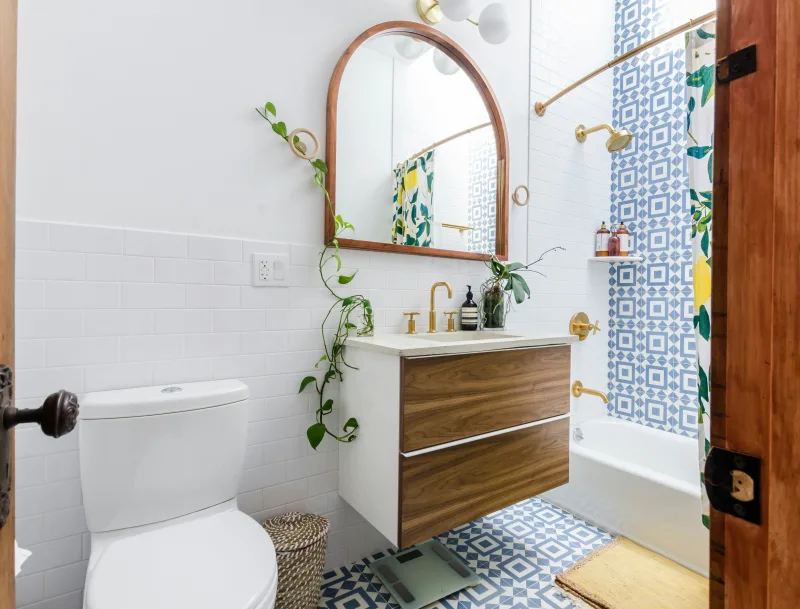
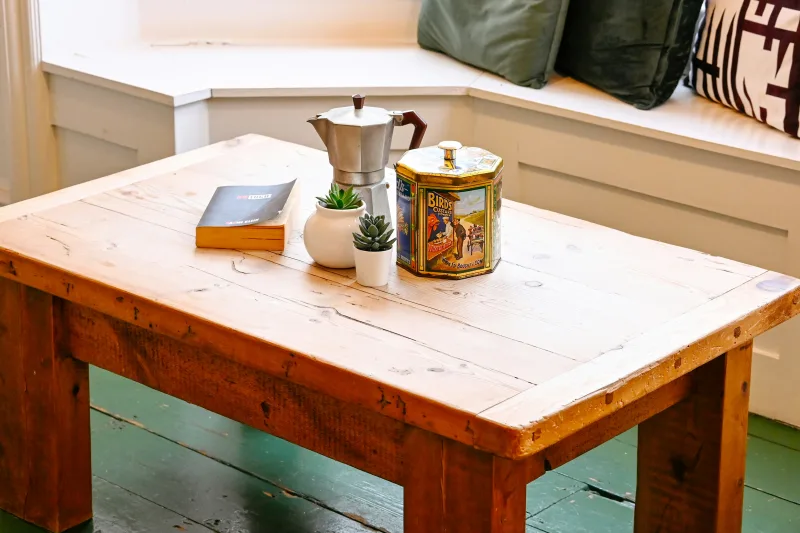
Now we're styling. Add wooden elements — a wooden side table, floating shelves, wooden-frame mirrors. Include baskets under or beside tables for storage that doesn't feel cluttered. Arrange a few coffee table books, a candle, and perhaps a decorative bowl. If you want to go full cozy, add a fireplace insert or even a quality electric fireplace if you don't have an existing one. The flickering light adds instant comfort.
Step 7: Create a Reading or Relaxation Nook
If you have a corner or window seat, lean into it. A comfortable chair, a side table for your drink, a floor lamp, and a stack of books create an intentional relaxation zone. This small area signals to your brain that this room is for unwinding.
Pro Tips
Honestly, lighting is non-negotiable. I see so many people nail the furniture and textiles but then underestimate lighting. Invest here. Your mood depends on it, and 2700K warm white bulbs are your best friend.
Mix old and new. A vintage wooden side table paired with a modern throw pillow? That's the 2026 vibe. Check out thrift stores and Facebook Marketplace for unique wooden pieces. Not only is it more sustainable, but it also creates that curated, lived-in feeling that makes spaces actually look good.
Don't overcrowd. Cozy doesn't mean cluttered. Leave breathing room on shelves and surfaces. It sounds counterintuitive, but restraint is what makes a space feel intentional rather than chaotic. Better Homes & Gardens has great articles on this if you need visual examples.
Use mirrors strategically. A large mirror with a warm frame opposite a lamp bounces light around and makes the space feel bigger and brighter. Game changer.
Layer your scents. Candles, diffusers, or fresh flowers add another sensory dimension. Aim for warm scents — vanilla, amber, cedarwood, cinnamon — that match your visual aesthetic.
Visit HGTV for inspiration. Their living room features often showcase how real people layer coziness. It's helpful when you're feeling stuck about color combinations or furniture arrangement.
Cost Breakdown
← Scroll to see full table →
| Item | Estimated Cost | Notes |
|---|---|---|
| Area Rug | $200 | Quality natural fiber, 8x10 size |
| Throw Blankets (3) | $180 | Mix of textures, warm tones |
| Throw Pillows (6) | $240 | Various sizes and textures |
| Paint (if needed) | $80 | 2 gallons of warm-toned paint |
| Lighting Fixtures (3) | $300 | Mix of table and floor lamps |
| Wooden Accents | $200 | Side tables, shelves, or frames |
| Baskets (2-3) | $150 | Storage and visual warmth |
| Wall Art and Mirrors | $200 | 2-3 pieces with warm frames |
| Plants and Planters | $120 | 4-5 plants with containers |
| Accessories (candles, books, |