High End Living Room Layout on a Budget: Make Your Space Look Luxe Without Breaking the Bank
Look, I get it. You've scrolled through endless magazine spreads of those jaw-dropping living rooms with statement lighting, perfectly arranged seating, and that effortless elegance that somehow makes you feel broke just looking at it. But here's the thing — that sophisticated, high-end vibe? You don't actually need a six-figure budget to nail it. I've spent years helping people transform their living spaces, and I'm telling you from experience: luxury is mostly about strategy, not spending.
The secret that most designers won't tell you is that a high-end living room isn't about having expensive things everywhere. It's about being intentional. It's about understanding proportion, flow, and knowing where to splurge versus where to save. When you walk into one of those beautiful homes on HGTV, what makes you stop and stare? Usually it's not the price tag on every single item — it's the confidence in the design choices and how thoughtfully everything works together.
This guide is going to show you exactly how to create that curated, sophisticated living room look without maxing out your credit card. We're talking smart shopping, strategic investments, and design tricks that honestly, wealthy people are already using. Let's get started.
What You'll Need
Furniture & Structural Items:
- Neutral sectional or sofa (consignment/Facebook Marketplace) — $200-400
- Accent chairs (Target or Wayfair) — $150-300 each
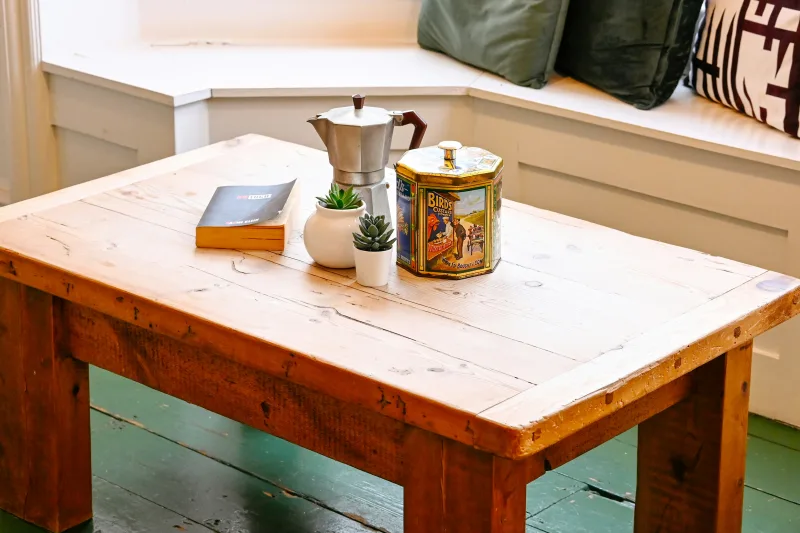
- Coffee table (West Elm outlet or The The Home Depot online) — $100-200
- TV console/media stand (Article or IKEA) — $150-300
- Shelving unit (floating shelves from hardware store) — $50-150
Lighting (this is crucial!):
- Pendant lights or chandeliers (Amazon or Wayfair) — $80-150 each
- Floor lamp — $60-120
- Wall sconces — $40-80 per pair
- LED bulbs (warm white, 2700K) — $15-30 total
Textiles & Soft Furnishings:
- High-quality area rug (Overstock or Rugs USA on sale) — $150-300
- Throw pillows (mix of high-street and budget) — $40-80 total
- Throws/blankets — $30-60
- Curtains or drapes — $50-150
Décor & Styling:
- Wall art/prints (Minted, Etsy, or museum reproductions) — $30-100
- Decorative objects, vases, bowls — $40-80
- Plants and planters — $30-60
- Coffee table books — $15-30
- Mirror (large statement piece) — $50-150
Paint & Wall Treatment:
- Quality paint (Benjamin Moore or Sherwin-Williams sample size) — $30-50
- Paint supplies and brushes — $20-40
Step-by-Step Guide
Step 1: Start With Your Foundation & Layout
Before you buy a single throw pillow, understand your room's bones. Measure everything — I mean everything. The wall dimensions, natural light sources, where outlets are, traffic flow. Honestly, bad layout ruins even expensive rooms. Draw it out on paper or use a free app like Planner 5D.
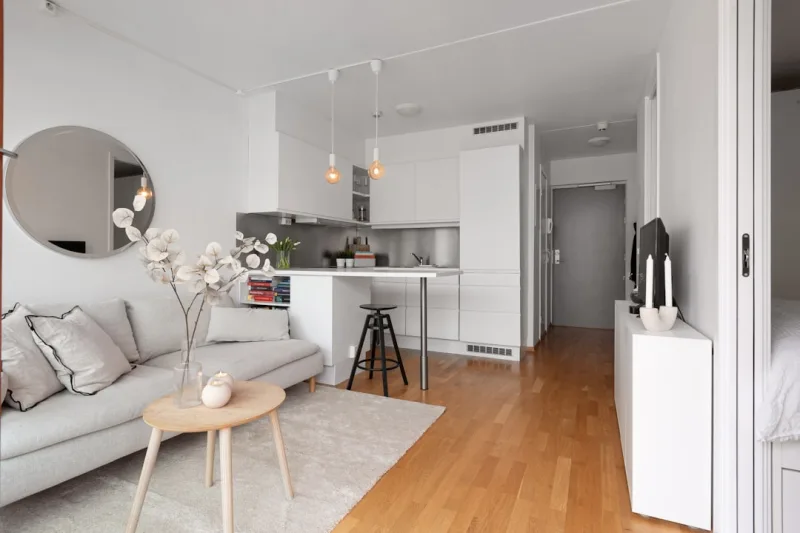
The trick to high-end looking layouts? Floating furniture away from walls. I know it sounds counterintuitive in a small space, but trust me. It creates a conversational seating arrangement and makes the room feel intentional. Aim for at least 18 inches between your seating pieces and the TV.
Step 2: Invest Strategically in Anchor Pieces
 Budget Apartment Renovation: DIY Hacks That Actually Work
Here's where most budget-conscious decorators go wrong — they try to save on everything. Don't do that. Splurge on items that matter: your main sofa, a quality rug, and good lighting. These are your anchors, and they carry more visual weight than anything else.
The sofa is your biggest investment. You don't need to spend $3,000, but spending $400-800 on a well-made piece (check out IKEA's premium options, Article's sale section, or better yet, consignment shops) is worth it. A neutral base in gray, cream, or warm beige is your best bet for that sophisticated feel.
Step 3: Layer Your Lighting
This is the secret sauce, and honestly, it's the single biggest thing that separates a "nice" room from a "wow" room. You need three types of lighting: ambient (overhead), task (reading, working), and accent (mood). Cheap lighting looks cheap. Medium-quality lighting looks expensive. This is worth spending on.
Get a statement pendant or chandelier for your center space — something with visual interest. Add floor lamps in corners for reading nooks, and wall sconces flanking your TV or above a console. Warm white bulbs at 2700K are essential. This isn't about brightness; it's about ambiance.
Step 4: Choose Your Color Palette
High-end rooms feel curated because they stick to a consistent color story. Pick three main colors and no more than two accent colors. I'm a huge fan of warm neutrals (cream, taupe, warm gray) with jewel tones for accents — think emerald, navy, or mustard.
If you want to add drama without risk, paint one accent wall with a slightly deeper tone. Benjamin Moore's "Chelsea Gray" or "Hale Navy" give that sophisticated boutique hotel feel. You can grab paint samples from Sherwin-Williams or The Home Depot for like $5 and test them out.
Step 5: Layer Textiles & Soft Furnishings
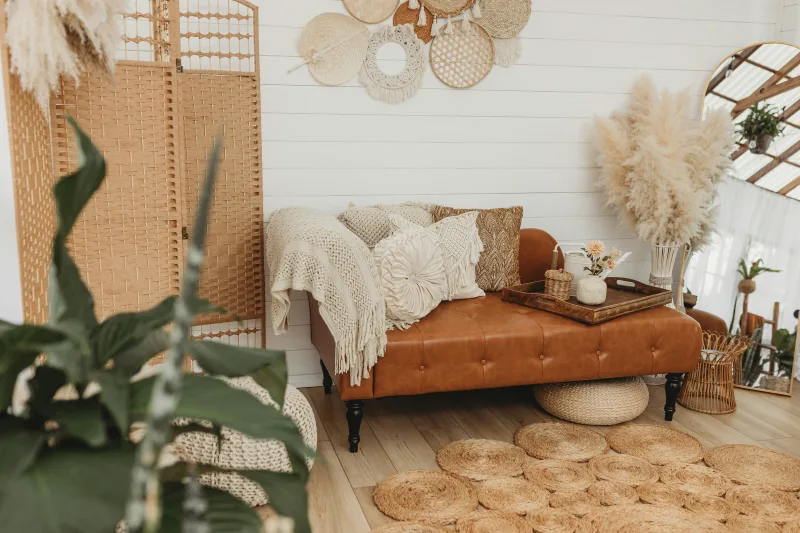
This is where personality comes in. Mix textures — linen, velvet, leather, wool. Quality fabrics don't have to be expensive; consider mixing one splurge piece (like a velvet accent chair from Article) with budget finds from Target and IKEA.
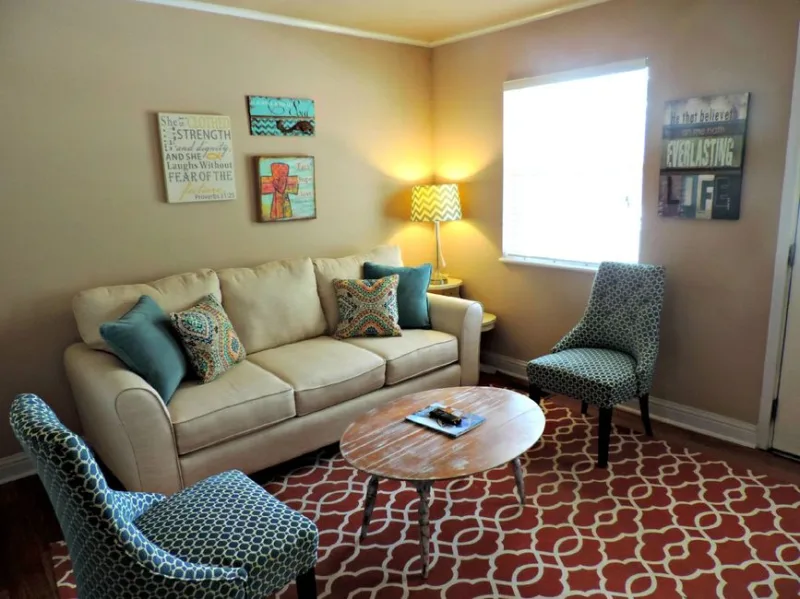
A large area rug is non-negotiable for that high-end look. It anchors your seating arrangement and adds warmth. Size matters — it should be large enough that at least the front legs of your furniture sit on it. Rugs USA and Overstock have incredible sales if you're patient.
Step 6: Style Your Shelves & Walls
Empty walls and bare shelves scream budget. But overstuffed ones scream "I don't have a design plan." The trick? Curate thoughtfully. Use Better Homes & Gardens & Gardens' styling guide as reference — one piece of art should anchor, then layer around it. Coffee table books, decorative objects, plants, and small sculptures create visual interest.
Follow the "rule of three" — group items in odd numbers. It's more visually pleasing and instantly looks more intentional. Add a large mirror opposite your main light source to bounce light around and make the space feel bigger.