How to Create a Boho Studio Apartment That's Actually Smart
Look, I get it. You want that dreamy, laid-back bohemian vibe — you know, the kind of space where you can light a candle, throw some macramé on the wall, and feel like you're perpetually on vacation. But here's the thing: being boho doesn't mean you have to sacrifice convenience. The best studio apartments I've worked with lately blend that free-spirited aesthetic with smart home tech that actually makes life easier. It sounds contradictory, but it absolutely works.
The beauty of a studio is that every design choice matters. You're working with limited square footage, which means you need to be intentional — and honestly, that's where smart gadgets come in clutch. Instead of clunky switches and cords everywhere, you can hide your tech behind plants, woven baskets, and those beautiful boho textures we all love. I'm talking about creating a space that feels organic and relaxed while being controlled from your phone.
In this guide, I'm going to walk you through creating that perfect balance. We'll talk materials, budget, placement strategies, and yes — how to keep your studio looking like a bohemian sanctuary instead of a Best Buy showroom.
What You'll Need
Here's what I typically recommend for a boho studio with smart functionality:
- Smart LED light strips (warm white) — $25-40
- Smart speaker (Amazon Echo Dot or Google Home Mini) — $40-60
- Smart dimmer switches (2-3 units) — $30-50 each
- WiFi-enabled smart plug outlets (4-pack) — $35-50
- Smart thermostat — $100-150
- Boho tapestry or wall hanging (to disguise tech) — $20-40
- Macramé plant hangers (set of 3) — $25-35
- Woven storage baskets (for cord management) — $40-70
- Warm white smart bulbs (6-pack) — $30-60
- Door/window smart sensors — $20-30
- Boho throw pillows and blankets — $50-100
- Wooden floating shelves (2-3) — $40-80
Total estimated budget: $500-800
Step-by-Step Guide
Step 1: Plan Your Smart Home Layout Before You Buy
Don't just start installing things randomly — that's how you end up with a cluttered mess. Walk around your studio and think about what you actually use daily. Where do you need the most lighting? Where will you put your smart speaker so it doesn't look like an eyesore? I always map this out on paper first, honestly. It saves money and prevents buyer's remorse.
For a studio, you're probably dealing with one main living area that doubles as your bedroom. Your smart speaker should go somewhere central but not front and center — maybe on a bookshelf behind some plants or inside a woven basket that lets sound through.
Step 2: Install Your Smart Lighting Foundation
This is non-negotiable for boho vibes. Start with warm white smart bulbs — I'm talking 2700K color temperature. Replace your existing bulbs in lamps and overhead fixtures. Then add smart LED light strips behind your bed frame or along floating shelves (The The Home Depot has excellent options here). These strips are game-changers because you can hide them behind your boho tapestries or inside those beautiful woven storage boxes.
Next, install smart dimmer switches. Pick 2-3 key locations — usually your main light, a bedside lamp situation, and maybe a reading nook. The switches themselves are pretty sleek and don't scream "TECH," so they blend right in with neutral wall plates.
Step 3: Set Up Your Smart Speaker in a Hidden-in-Plain-Sight Spot
This is where I get creative. Your smart speaker doesn't need to sit naked on a shelf. Use one of those woven baskets I mentioned — the sound quality won't suffer, and it'll look intentional. Or tuck it behind a hanging plants arrangement. Your speaker becomes invisible while still listening for voice commands. Genius, right?
Step 4: Manage Your Cords with Intention
Honestly, this is the hardest part about combining boho and smart tech. You've got chargers, smart plugs, and various cables. Here's my trick: use those woven baskets strategically. Run cords behind furniture, use cable covers in natural colors, or wrap them with washi tape if you're feeling crafty. I've even seen people hide entire power strips inside decorative wooden boxes with just the plugs visible.
Your smart plug outlets should go where you need them most — maybe behind your nightstand for phone charging, near a lamp, or by a desk area if your studio has one.
Step 5: Layer Your Boho Elements Around the Tech
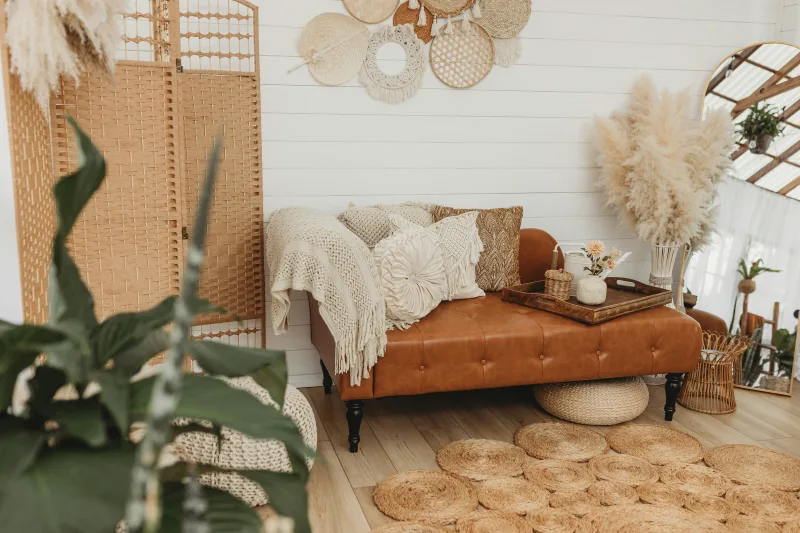
Now comes the fun part. This is where your studio actually starts looking like something from Better Homes & Gardens & Gardens. Install your wooden floating shelves and style them with plants (especially ones with macramé hangers), books, crystals, and small wooden boxes. The smart tech becomes secondary to the overall aesthetic.
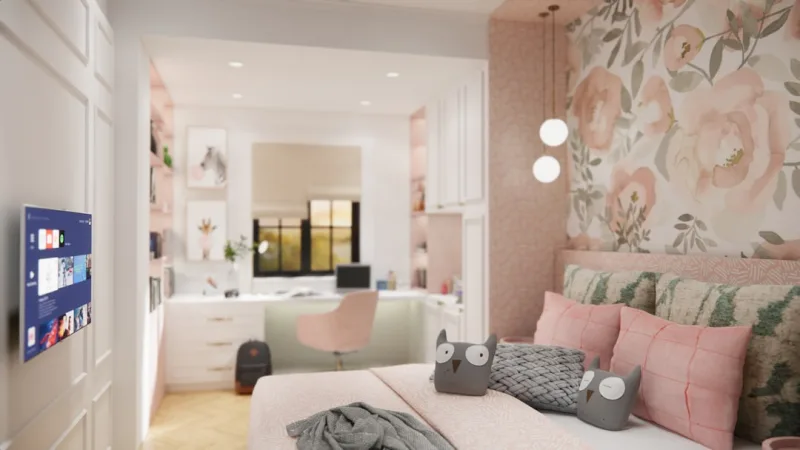
 Budget Apartment Renovation: DIY Hacks That Actually Work
Add your boho tapestry as a focal point — maybe behind your bed or on the largest wall. Use throw pillows, layered rugs, and blankets to create texture. The tech disappears into this beautiful, cozy environment.
Step 6: Connect Everything and Test Your Automations
Download the relevant apps (Amazon Alexa, Google Home, etc.) and get everything connected to your WiFi. This is where it gets practical. Set up automations like lights dimming at sunset, your speaker playing soft music when you get home, or your thermostat adjusting based on time of day.
These automations should enhance your boho lifestyle, not complicate it. You're creating an environment that feels intuitive — like magic, not like a control panel.
Pro Tips
Invest in color-changing smart bulbs, but use warm tones only: Yes, you *can* make your lights pink or blue, but honestly — keep it warm and natural. You're building a sanctuary, not a nightclub.
Hide your router behind something beautiful: That blinking box is the enemy of boho aesthetics. Stick it in a closet, a decorative box, or behind a woven screen. Your WiFi will work just fine.
Use voice control to minimize visible switches: When you can control everything by voice, you need fewer physical remotes and switches lying around. It's cleaner and feels more intentional.
Check out HGTV's smart home episodes for inspiration: I'm not being paid to say this, but there are some genuinely smart ways people have integrated tech into non-modern spaces. Study what works visually.
Buy your tech in warm, neutral finishes: Smart devices come in black, white, and silver. Choose black or white to match your boho palette. It sounds simple, but it matters.
Don't over-automate: Just because you *can* automate everything doesn't mean you should. Keep it simple. Lighting, temperature, and maybe security — that's usually enough.
Cost Breakdown
← Scroll to see full table →
| Item Category | Quantity/Type | Price Range | Estimated Cost |
|---|---|---|---|
| Smart Lighting (bulbs, strips, switches) | Mixed | $25-60 each | $180-250 |
| Smart Speaker | 1 | $40-60 | $50 |
| Smart Plugs & Outlets | 4-pack | $35-50 | $45 |
| Smart Thermostat | 1 | $100-150 | $125 |
| Boho Decor (tapestries, plants, storage) | Mixed | $20-70 each | $180-250 |
| TOTAL | $580-720 |
FAQ
Q: Won't smart gadgets look too modern in a boho space?
A: Not if you're intentional about it. The key is hiding the actual devices and focusing on what they do — create ambiance, comfort, and convenience. Nobody's looking at your smart bulb itself; they're experiencing the warm light it creates. That's boho.
Q: Do I need to hire an electrician to install smart switches?
A: For smart dimmer switches, it depends on your comfort level. If you've never worked with electrical wiring, yes — hire someone. It's not expensive, and it's safer. But smart bulbs and plugs? Those are totally DIY-friendly. No electrician needed.
Q: What's the best smart speaker for a boho aesthetic?
A: I'd go with the Amazon Echo Dot or Google Home Mini — they're smaller and less intrusive. Then hide it like I mentioned. Alternatively, there are some fabric-covered smart speakers that look less techy, but they're pricier. Your choice really depends on budget.