High-End Studio Apartment Decor with Amazon Finds: Make Your Space Look Expensive on a Real Budget
Here's the thing about studio apartments — they're basically a test of how well you can make something small feel intentional and sophisticated. I get it. You've got roughly the square footage of a generous closet, and the last thing you want is for it to feel cramped or, worse, like you just threw furniture at the walls and called it a day. But here's where it gets exciting: you don't need a six-figure budget or a trip to some exclusive design showroom to make your studio look genuinely high-end. Honestly, some of the best pieces I've sourced for my own spaces have come straight from Amazon.
I spent the last few months hunting through Amazon's endless catalog, and I found some seriously gorgeous pieces that rival what you'd pay three times as much for at traditional furniture stores. We're talking quality construction, timeless designs, and that understated luxury vibe that makes people ask, "Wait, how much did you spend on this?" The trick isn't splurging on everything — it's being strategic about which pieces deserve your investment and where you can get away with budget-friendly finds that punch way above their price point.
So let's dive in. I'm going to walk you through exactly how to transform your studio into something that looks like it was designed by someone who actually knows what they're doing — using real Amazon products, actual price points, and techniques that I've personally tested.
What You'll Need
Before we get started, let me break down the essentials. You won't need everything on this list, but these are the categories where you should be shopping:
- Statement Lighting — Arc floor lamp or pendant fixtures ($45-$120)
- Area Rug — Neutral, quality rug to anchor your space ($80-$200)
- Floating Shelves or Wall Shelving — Minimalist metal or wood ($30-$80)
- Throw Pillows — Linen or velvet with interesting textures ($15-$35 each)
- Curtains or Drapes — Linen blackout or sheer in neutral tones ($25-$60)
- Wall Art — Prints, canvas, or framed photography ($20-$80)
- Side Table or Console — Marble-look or wood with metal legs ($60-$150)
- Decorative Objects — Books, vases, plant holders ($10-$40)
- Mirror — Large statement mirror to expand visual space ($50-$120)
- Plants and Planters — Real or high-quality faux greenery ($15-$50)
Step-by-Step Guide
Step 1: Start with a Color Palette That Feels Intentional
This is where everything begins. You need to commit to a color scheme — and I mean really commit. Successful high-end interiors aren't successful because they have every color under the sun. They're successful because someone made deliberate choices. I typically recommend choosing a neutral base (whites, grays, beiges, blacks) and then adding one or two accent colors. Think warm terracotta, deep sage, or even a dusty blue.
Once you've locked in your palette, literally every single thing you buy should either fit that scheme or be completely neutral. This creates cohesion, which is honestly the fastest way to make a space feel designed rather than assembled. When you're scrolling Amazon, filter by color first. It saves so much time and prevents impulse buys that'll throw off your whole vibe.
Step 2: Invest in Quality Basics — The Foundation Matters
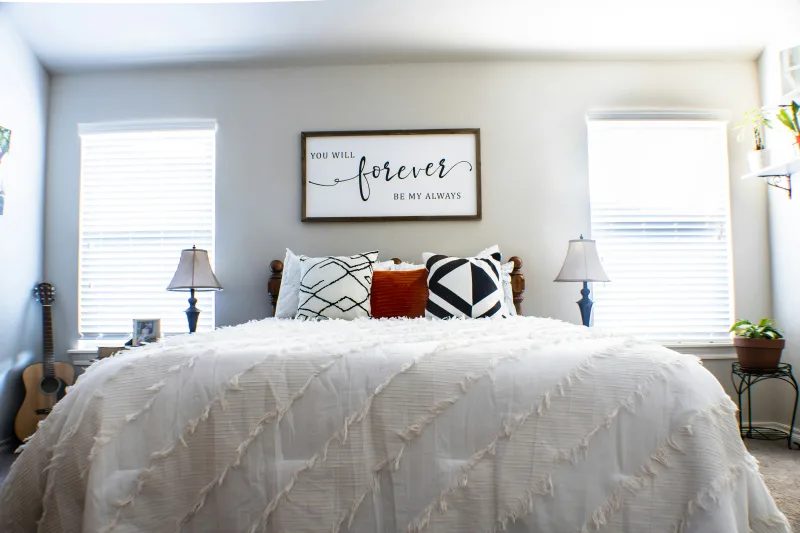
Here's where I want you to actually spend money: on pieces that get daily use and anchor your entire aesthetic. A really nice bed frame, a quality mattress, and bedding that actually feels luxurious when you touch it. If you're working with a small space, your bed is basically your furniture statement. Pair it with high thread-count sheets and a sophisticated duvet cover in a neutral tone. Yes, Amazon has genuinely excellent options here that rival department store prices.
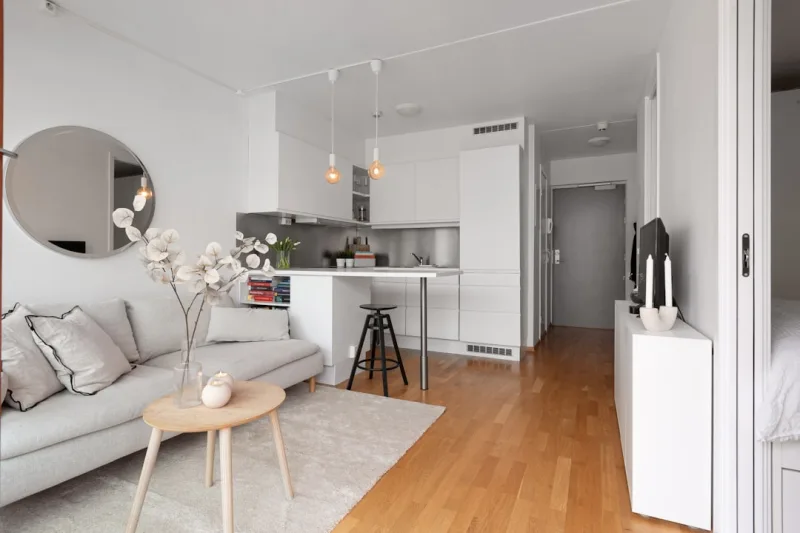
Your sofa or seating area is next. If you're going for high-end vibes, you want something with clean lines and quality upholstery. Avoid anything that looks plasticky or feels thin. A modern sectional, a sleek lounge chair, or even just a really well-designed sofa bed can work wonders. The color should anchor to your palette, and the silhouette should feel intentional.
Step 3: Layer Your Lighting Like You Mean It
This is the detail that separates "nice apartment" from "genuinely beautiful space." You need multiple light sources. Don't rely on overhead lighting — it's harsh and unflattering. Instead, think in layers: ambient (your overhead fixture or recessed lights), task lighting (a desk lamp or bedside lamp), and accent lighting (string lights, candles, or decorative fixtures).
An arc floor lamp is my go-to for studios because it creates this sophisticated, lived-in aesthetic while taking up minimal actual floor space. Add a modern pendant light above a console or desk area. String some Edison bulbs or warm white fairy lights if it fits your style. These aren't expensive on Amazon, but they completely transform how a space feels in the evening.
Step 4: Rug as Your Foundation Layer
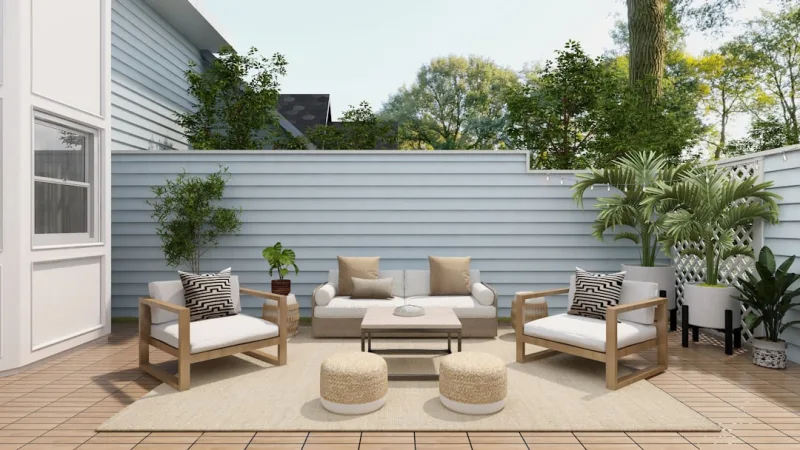
A great rug does so much heavy lifting in a small space. It defines zones, adds texture, and makes everything feel more intentional. I'm talking about a quality area rug — not a cheap synthetic one that'll shed everywhere. Look for natural fibers like jute, wool blends, or high-quality polypropylene that mimics natural materials. Neutral colors work best because they ground the space without competing with other elements.
Size matters too. You don't want a tiny rug that makes your space feel more cramped. Go bigger than you think — it opens up the visual space. In a studio, I typically recommend at least an 5x7 or 5x8 if your layout allows.
Step 5: Vertical Space Is Your Best Friend
 Budget Apartment Renovation: DIY Hacks That Actually Work
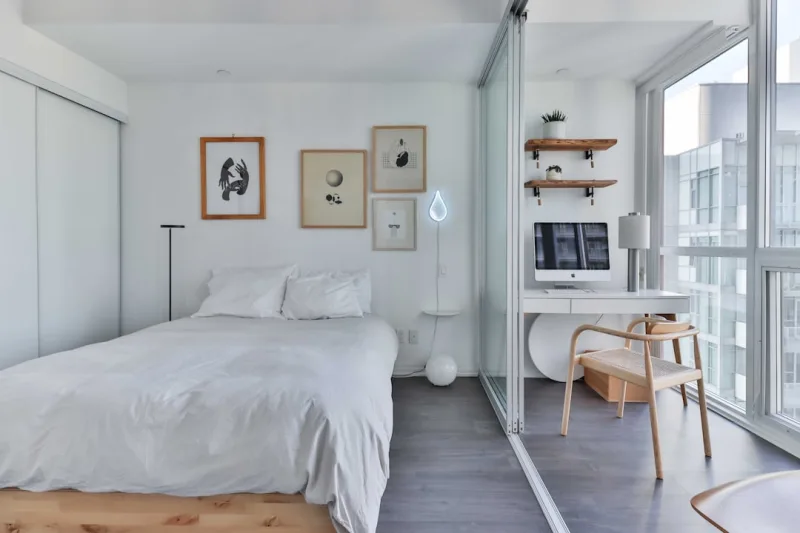
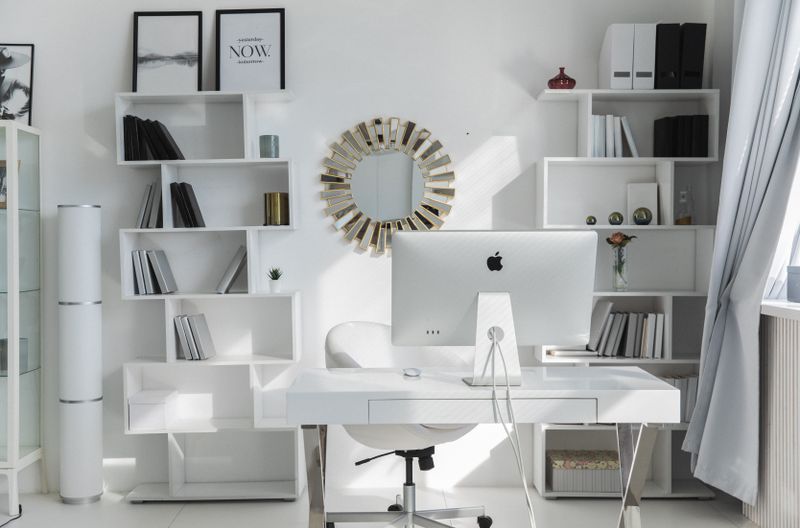
Since you don't have floor space to work with, you're going vertical. This is actually the secret weapon to making studios feel less cluttered and more curated. Install floating shelves above your desk, beside your bed, or along a blank wall. Style them thoughtfully with a mix of books, decorative objects, and one or two plants. The key is balance — you want them to feel full but not overcrowded.
A large statement mirror is essential. Not only does it reflect light and make the space feel bigger, but a beautiful mirror becomes a design element itself. Look for one with an interesting frame — brass, wood, or even a cool geometric shape. Position it opposite a window if possible to maximize that light reflection.
Step 6: Textiles and Soft Furnishings — Where Personality Happens
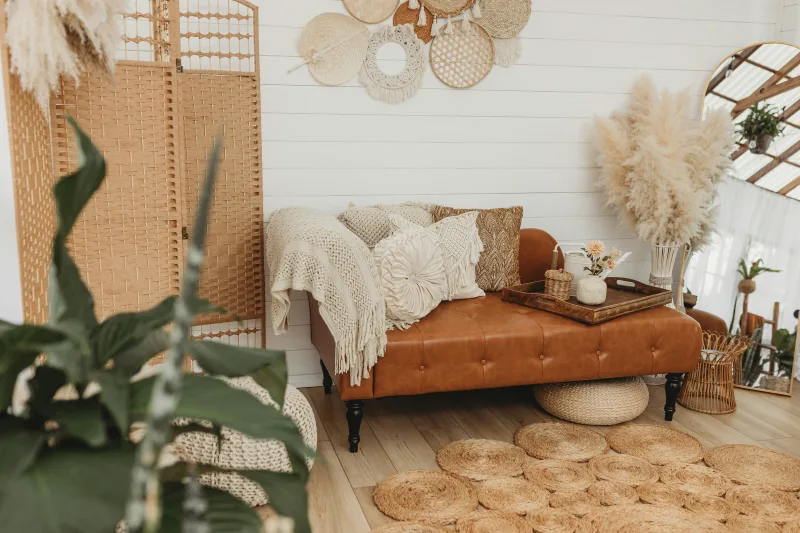
Throw pillows, blankets, and curtains are where you inject personality without commitment. This is where you can play with your accent colors or introduce unexpected textures. Mix linen, velvet, and cotton for visual interest. Layer different sized pillows on your bed or sofa. Choose curtains that feel substantial and hang them high and wide to make your windows look bigger.
These items are affordable on Amazon, so you can actually swap them seasonally if you want to refresh your space without a massive investment. This is honestly my favorite part of decorating because it's low-stakes but high-impact.
Step 7: Curate Your Wall Art and Decor
Empty walls are wasted real estate in a studio. Choose art that speaks to you but also complements your color palette. I recommend a mix of sizes and mediums — maybe a large statement piece with two or three smaller pieces arranged nearby. Lean toward quality photography, abstract art, or minimalist prints that feel grown-up and intentional.
Add decorative objects thoughtfully: ceramic vases, coffee table books, a sculptural plant holder. The rule is to group things in odd numbers and keep everything aligned with your color scheme. It should feel curated, not cluttered.
Pro Tips
Shop Smart by Using Amazon's Filter Tools. Use filters for color, price, and customer ratings. High ratings actually mean something — real people have tested these pieces. I typically only buy items with 4+ stars and at least 100 reviews.
Embrace Negative Space. This is where a lot of people mess up in small spaces. More stuff doesn't equal better. Leave breathing room. Surfaces should have empty space, not every inch covered. It actually makes your space feel more high-end, not less.
Mix Price Points Strategically. Spend more on pieces you'll use daily or that anchor your design. Splurge on a beautiful bed frame or sofa. Save on decorative items you might want to swap out or update. This is how professional designers work within budgets.
Check out HGTV and Better Homes & Gardens & Gardens for inspiration before you start shopping. They have incredible ideas for small-space living that'll help you visualize your own space better.
Don't Underestimate Hardware and Small Details. Upgraded drawer pulls, new outlet covers, or even nice curtain rods can elevate everything. These tiny details are what make a space feel designed versus default.
Cost Breakdown
← Scroll to see full table →
| Item Category | Specific Item | Estimated Price |
|---|---|---|
| Bed Frame & Bedding | Modern platform frame + quality duvet cover | $250-$400 |
| Sofa/Seating | Sectional or modern loveseat | $300-$600 |
| Area Rug | Quality 5x8 natural fiber rug | $100-$200 |
| Lighting | Arc floor lamp + pendant + task lamp | $150-$250 |