Farmhouse Living Room Ideas 2026: Create That Cozy, Intentional Space You've Been Dreaming About
Okay, let's be real — farmhouse style isn't going anywhere. If anything, it's evolving into something even more thoughtful and livable in 2026. I'm not talking about the overly precious farmhouse aesthetic that feels more like a museum display. I'm talking about bringing that warm, unpretentious vibe into your living room in a way that actually makes sense for how you live.
Here's the thing about farmhouse design right now: it's becoming less about matching everything to a barn aesthetic and more about creating spaces that feel intentional, lived-in, and genuinely comfortable. Think natural textures, meaningful pieces, and a color palette that doesn't scream "rustic" from across the room. Whether you're starting from scratch or refreshing what you already have, I've got you covered with everything you need to know.
The beauty of this approach is that it doesn't require a complete overhaul or emptying your bank account. You can absolutely nail this look by being strategic about what you invest in and what you DIY. Let's dig into how to make it happen.
What You'll Need
Before we jump into the actual transformation, let's talk materials and supplies. You don't need every single thing on this list, but these are the key players that will help you create that authentic farmhouse living room vibe:
- Reclaimed wood shiplap or peel-and-stick shiplap ($50-$300 depending on coverage) — available at The The Home Depot
- Neutral paint (eggshell or matte finish) ($25-$50 per gallon) — Benjamin Moore or Sherwin-Williams for quality
- Vintage or vintage-style sofa ($600-$1,500) — check Article, West Elm, or Facebook Marketplace
- Natural linen or cotton throw pillows ($30-$80 each) — target at least 4-6 pillows
- Jute or sisal area rug ($200-$600) — foundational piece for warmth
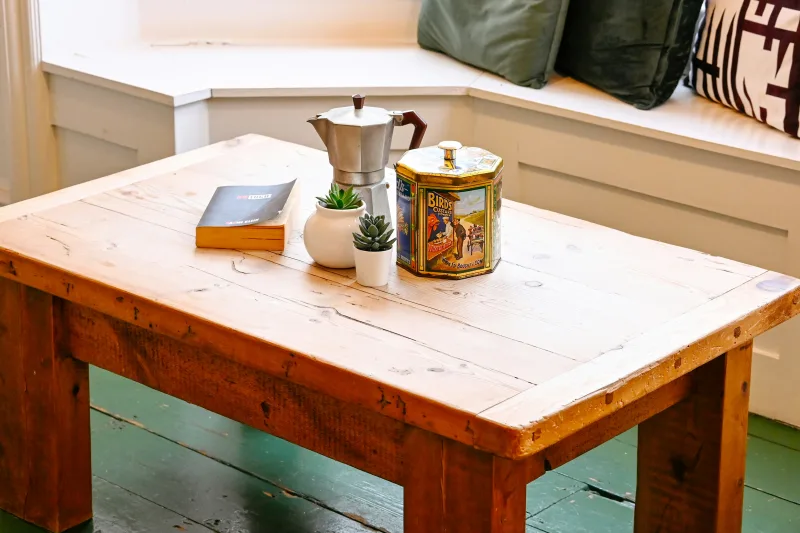
- Wooden coffee table (reclaimed or new) ($300-$800) — thrift stores or online retailers
- Brass or wrought iron lighting fixtures ($100-$400) — pendant lights or a statement chandelier
- Textured throw blankets ($40-$100 each) — linen, wool, or cotton blends
- Decorative baskets ($30-$150) — for storage and texture
- Antique-style mirrors ($100-$300) — wood-framed for that authentic touch
- Greenery and plants ($15-$50 per plant) — real plants for that natural element
- Hardwood floor stain or refinishing supplies ($200-$500) — if you're updating existing floors
Step-by-Step Guide
Step 1: Start With Your Color Palette
This is honestly where most people mess up. They think farmhouse means brown and beige, and then they end up with a room that feels muddy and depressing. Here's what actually works in 2026: soft, warm neutrals with breathing room. We're talking off-whites, creams, soft grays, and maybe one deeper tone for accent. Your walls should probably be something like Sherwin-Williams' "Alabaster" or "Accessible Beige" — colors that feel warm without being overwhelming. Then layer in your accents through furniture and accessories.
Step 2: Address Your Walls
You've got options here. If you're renting or don't want to commit to shiplap, peel-and-stick options from The Home Depot work surprisingly well — I've seen them done beautifully. If you're going full commitment, real shiplap is worth it. It adds legitimate character. Paint it in that soft neutral you chose, then add a simple color wash or whitewash for depth. The key is making it look organic, not perfectly pristine. A few imperfections actually strengthen the farmhouse vibe.
Step 3: Layer Your Flooring
Your foundation matters. Hardwood is ideal — whether that's original floors you're refinishing or new wide-plank wood you're installing. If you're renting, a quality jute or sisal rug from a place like Rugs USA will anchor your space beautifully. Aim for something large enough that at least the front legs of your sofa sit on it. This creates visual continuity and makes the room feel intentional.
Step 4: Invest in Your Sofa (and Don't Rush This)
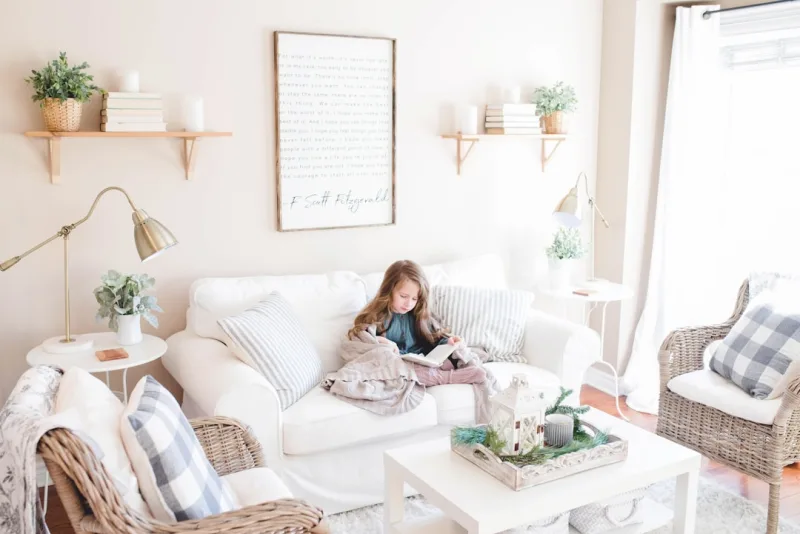
This is the biggest piece you'll buy, so take your time. Look for something with rolled arms, a neutral slipcover, and solid wood construction. A vintage or vintage-style sofa is genuinely better than a cheap new one — it'll feel more authentic and last longer. Honestly, Facebook Marketplace and local estate sales are goldmines for this. If you find something structurally sound but ugly in color, a slipcover is a game-changer at around $200-$400.
Step 5: Add Lighting With Purpose
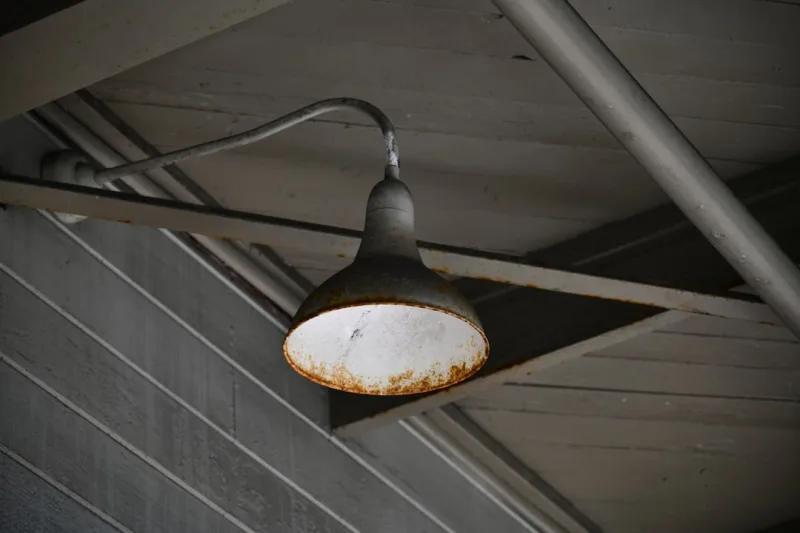
Farmhouse living rooms need layered lighting. You want a statement piece — maybe a wrought iron chandelier or vintage-style pendant lights. Then add table lamps on side tables and maybe wall sconces. The warmth of brass or aged metal finishes really sells the aesthetic. Avoid anything too modern or chrome-heavy. Better Homes & Gardens & Gardens has some solid farmhouse lighting options if you're shopping online.
Step 6: Bring in Texture Through Textiles
 Budget Apartment Renovation: DIY Hacks That Actually Work
This is where your room comes alive. We're talking throw pillows in natural fabrics — linen, cotton, maybe some chunky knit. Don't match them all perfectly; variation is actually more authentic. Add 2-3 throw blankets draped over the sofa or a nearby chair. These shouldn't be decorative pieces that never get used — they should look lived-in and cozy. This is functionality meeting aesthetics, which is what good farmhouse design is all about.
Step 7: Accessorize With Intention
Now for the fun part. Add wooden baskets under side tables for storage, a decorative wooden ladder leaning against a wall, some vintage books stacked on your coffee table, and fresh greenery. The HGTV approach to farmhouse always emphasizes that "less is more" mentality — every item should either be beautiful, functional, or both. Avoid the trap of overcrowding. A few well-chosen pieces will always beat a cluttered room.
Pro Tips
Mix old and new intentionally. Your farmhouse living room doesn't need to be entirely vintage. Pairing new (or new-looking) pieces with actual antiques creates a more modern, livable aesthetic. This is especially smart for durability — keep vintage pieces as statement items, not your daily-use sofa.
Don't underestimate paint. A fresh coat of paint in the right color can genuinely transform a space for under $100. This is your biggest bang for your buck before buying anything else.
Natural light is your best friend. Farmhouse style thrives when you can see all those textures and details. Opt for lightweight curtains in linen or cotton rather than heavy drapes. Sheer panels let light flow through while maintaining privacy.
Find your statement piece. Whether it's a large wood-framed mirror, an antique trunk as a coffee table, or a vintage rug, one showstopper piece anchors the whole design. Everything else should support it rather than compete with it.
Shop secondhand first. Honestly, the best farmhouse pieces come from estate sales, thrift stores, and online marketplaces. You'll save money and end up with more authentic pieces. Plus, it's actually sustainable, which feels good.
Cost Breakdown
← Scroll to see full table →
| Item | Low Budget | Mid-Range | Premium |
|---|---|---|---|
| Paint & Prep | $50 | $100 | $200 |
| Shiplap/Accent Wall | $100 | $250 | $400 |
| Sofa | $400 (thrifted) | $900 | $1,500+ |
| Area Rug | $150 | $400 | $600+ |
| Coffee Table | $200 | $500 | $800 |
| Lighting | $150 | $400 | $800 |
| Textiles (pillows & blankets) | $200 | $500 | $900 |
| Accessories & Decor | $150 | $300 | $600 |
| Total | $1,400 | $3,350 | $6,700+ |