How to Make Your Small Apartment Look Luxe and Warm on Any Budget
Look, I'm going to be straight with you — the biggest misconception about small apartments is that they have to look cramped or cold or, well, cheap. That's just not true. I've walked into 400-square-foot studios that felt more expensive than some sprawling homes I've toured, and the secret has nothing to do with how much money you have to spend. It's about intention, smart choices, and understanding what actually makes a space feel warm and upscale.
The magic happens when you combine a few key design principles. We're talking about layered lighting, rich color palettes, high-quality basics, and strategic styling. Here's the thing — when you nail these elements in a smaller space, the impact is actually MORE dramatic than in a big house. Every design choice matters. Every corner gets noticed. That's your advantage.
I've put together this complete guide to transform your small apartment into something that feels both luxurious and genuinely livable. We'll walk through what you actually need to buy, how to arrange it all, and the insider tricks that make the biggest difference without draining your bank account.
What You'll Need
Before we dive into the how-tos, let's talk about the actual materials and elements you'll want to gather. I'm breaking this down by category so you can shop smart and prioritize what matters most.
Paint & Wall Treatments
- Premium warm-toned paint (warm taupe, soft terracotta, or creamy beige) — $35-50 per gallon
- High-quality primer — $30-40 per gallon
- Wallpaper (accent wall option, textured or subtle pattern) — $25-60 per roll
Lighting Essentials
- Brass or gold floor lamp with linen shade — $80-150
- Table lamp for side tables — $50-120
- Pendant light or sculptural fixture — $60-200
- Smart LED bulbs (warm white 2700K) — $15-25 for a pack
- String lights or ambient lighting — $20-40
Furniture & Textiles
- Neutral area rug (wool or quality synthetic) — $150-400
- Quality throw blanket in warm tones — $40-80
- Decorative pillows (mix of textures) — $30-60 each
- Curtain rods and linen curtains — $60-150
- Low-profile coffee table or console — $100-250
Styling & Accessories
- Framed artwork and prints — $30-100 each
- Plants and planters (ceramic or brass) — $20-50 each
- Decorative books and bookends — $10-30
- Mirrors (large statement piece) — $50-150
- Candles and candleholders — $15-40
Step-by-Step Guide
Step 1: Start With a Warm Color Foundation
This is where everything begins. Honestly, the wall color is probably the single most important decision you'll make. You want something warm — think of colors that remind you of honey, sand, or soft clay rather than bright whites or cool grays. My personal favorites are warm taupe, soft terracotta, or a creamy beige with golden undertones.
Paint your main wall first. If you're nervous about going too dark, start with a lighter version and you can always add more richness. One accent wall works beautifully in a small space — it adds depth without overwhelming the room. Check out The The Home Depot for their paint-mixing services; they'll help you get the exact shade you're envisioning.
Pro move: If you're renting and can't paint, quality removable wallpaper on one wall does wonders. It feels intentional and instantly elevates the space.
Step 2: Layer Your Lighting Like a Pro
This is non-negotiable if you want that expensive feel. Bad lighting kills luxury faster than anything else. You need at least three types of light: ambient (overhead), task (like a desk lamp), and accent (decorative and mood-setting).
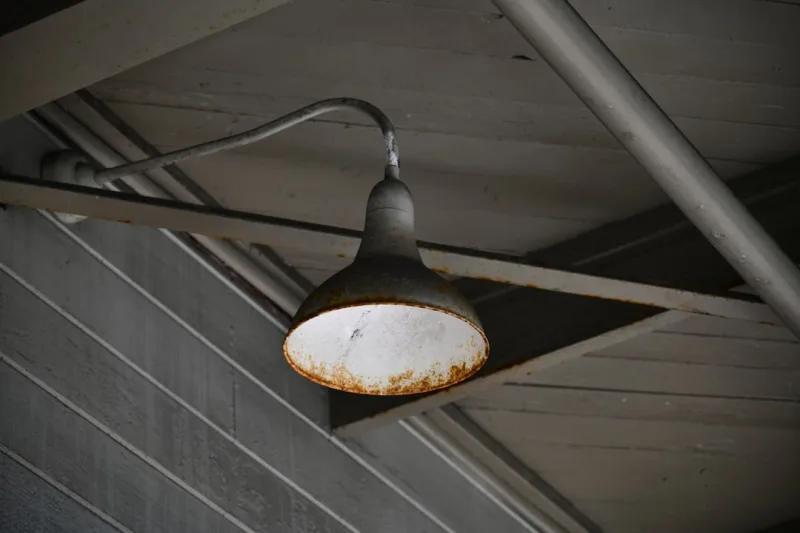
Start with warm-white bulbs throughout — aim for 2700K color temperature, which mimics the warm glow of sunset. Get rid of any harsh white lights immediately. Then add a quality floor lamp with a linen shade in a corner — this creates instant coziness. Add a second lamp on a side table or credenza. Finally, hang a statement pendant light or add some subtle string lights above a shelf or headboard.
 Budget Apartment Renovation: DIY Hacks That Actually Work
Dimmers are your secret weapon here. They cost about $15-30 each and let you adjust the mood throughout the day. Install them on your main lights and watch how much more expensive your apartment suddenly feels.
Step 3: Anchor With a Statement Rug
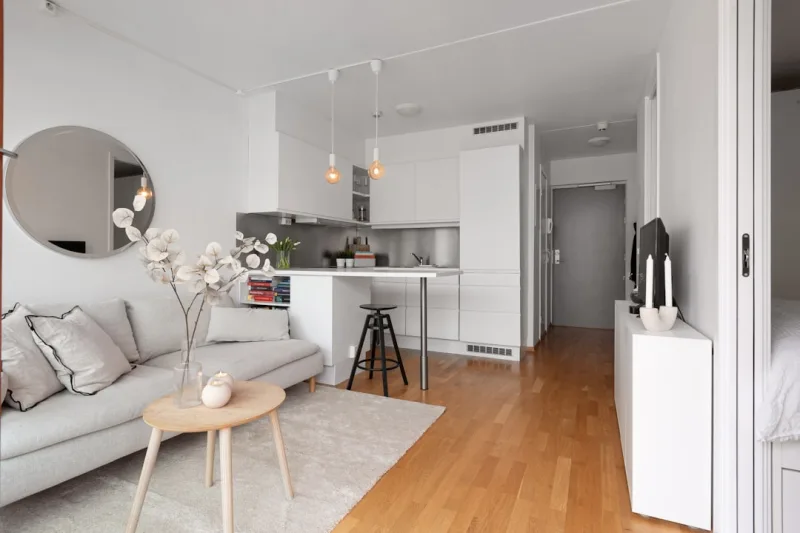
A good rug grounds a small space and makes it feel intentional. You want something in a warm neutral — cream, soft gray-taupe, warm beige, or even a subtle warm pattern. The rug should be high quality enough that it feels substantial underfoot.
Size matters here. In a small space, your rug should anchor your seating area without making the room feel smaller. Leave about 12-18 inches of floor visible around the edges. Quality wool rugs from Better Homes & Gardens & Gardens or similar retailers hit that sweet spot between durability and luxury feel without the premium designer price.
Step 4: Invest in Quality Textiles
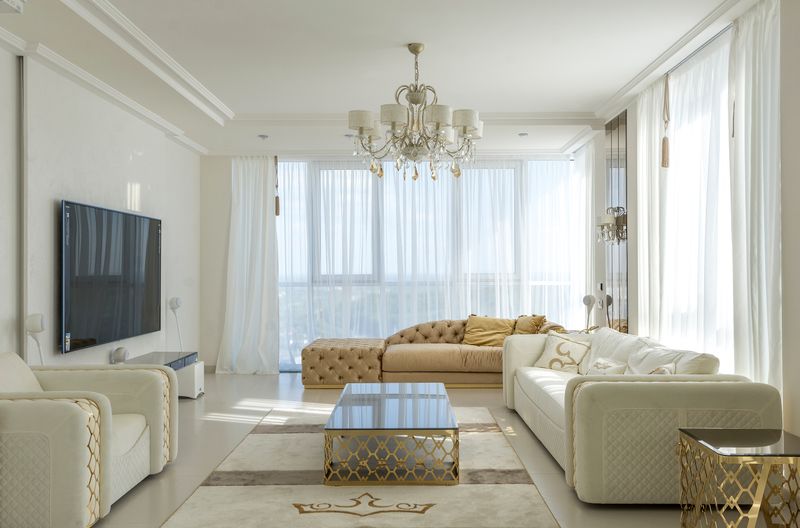
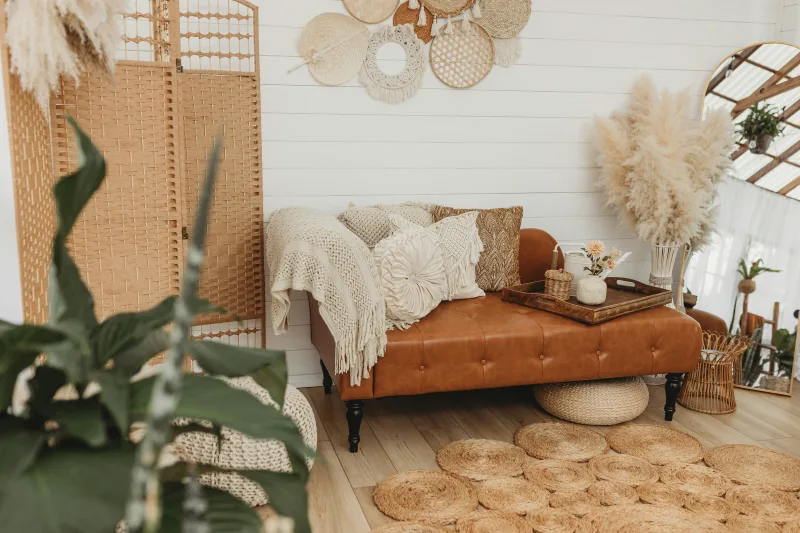
This is where you create that warm, enveloping feeling. Layer throw blankets, mix pillow textures, and hang high-quality linen curtains that puddle slightly at the bottom. Here's the thing — expensive apartments have textiles that feel good AND look intentional.
Mix matte, shiny, and textured fabrics. Combine a velvet pillow with a linen one, add a chunky knit blanket, and suddenly your sofa looks like a designer showroom. Warm colors like terracotta, warm cream, soft gold, and deep chocolate brown work beautifully together without feeling chaotic.
Step 5: Add Statement Mirrors and Artwork
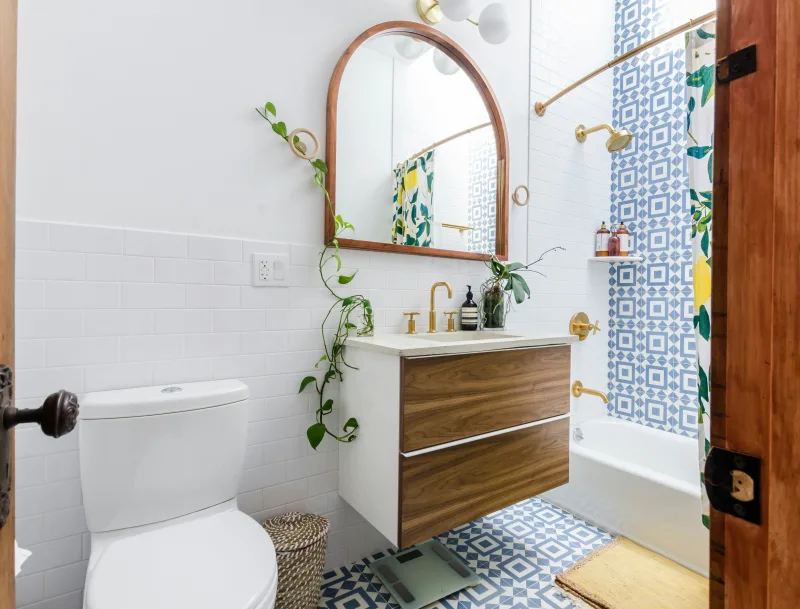
A large mirror opposite a light source instantly makes your space feel bigger and brighter — huge win for small apartments. Gold or brass frames feel more luxurious than silver, though it depends on your overall vibe.
Artwork should feel intentional too. Pick a cohesive theme — maybe warm landscapes, abstract pieces in your color palette, or a gallery wall that brings everything together. Framing makes all the difference. A decent frame from The Home Depot or a local framing shop transforms even inexpensive prints into something that looks curated.
Step 6: Style With Intention
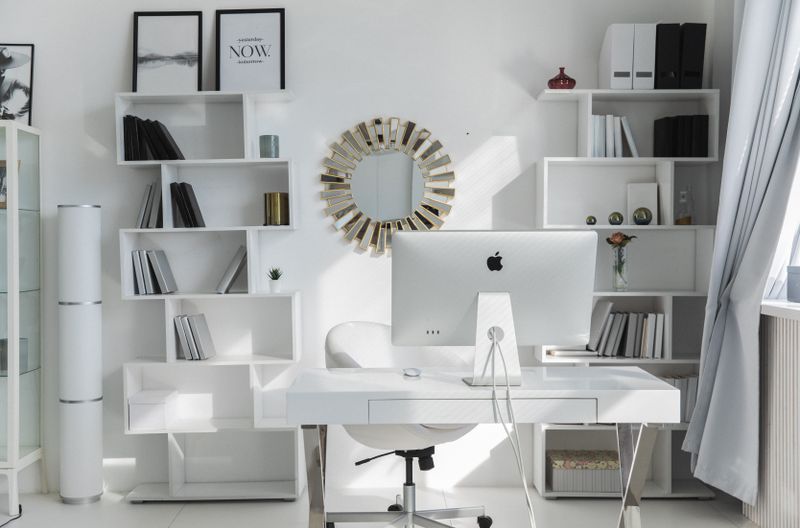
This is where luxury design happens in small spaces — strategic styling. Group items in odd numbers. Add books, a few decorative objects, a plant, and a candle to a shelf or console. Everything should have a purpose and feel like it belongs there, not cluttered.
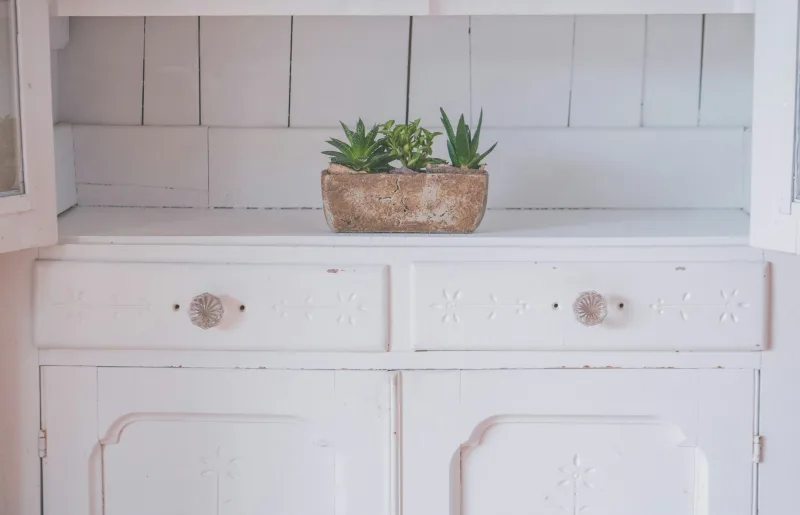
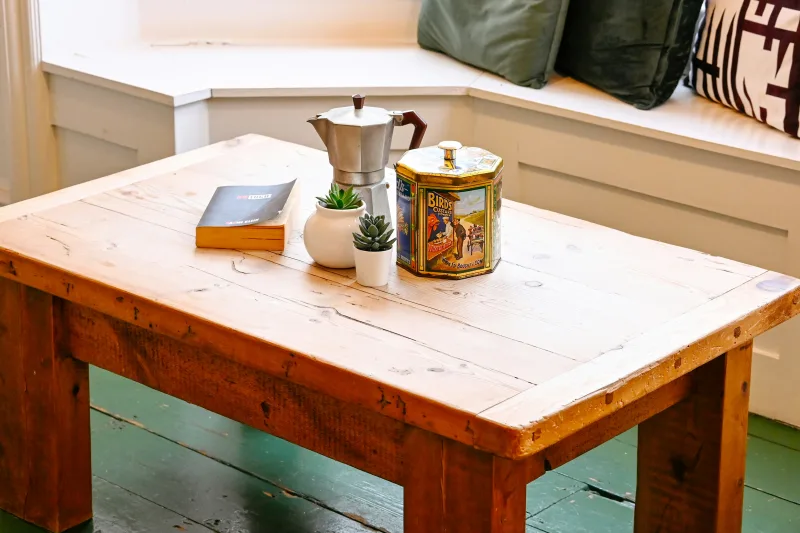
Plants bring warmth and life. Ceramic or brass planters add to that upscale feeling. Fresh flowers on your coffee table or dining surface immediately elevate the entire vibe.
Pro Tips
- Declutter ruthlessly: Expensive spaces feel edited, not crowded. Less is more, especially in small apartments. If you're not sure about something, it probably doesn't belong.
- Invest where it shows: Splurge on things people actually notice — good lighting, quality fabrics, a beautiful rug. Save on hidden items like drawer organizers.
- Use vertical space: Tall bookcases, wall shelves, and hanging plants draw the eye upward and make ceilings feel higher. This automatically feels more luxe.
- Warm metallics over cool: Brass, copper, and warm gold feel way more expensive than silver or chrome in a warm-toned space. Stick with warm throughout.
- Keep hardware consistent: Cabinet pulls, light switch plates, and fixtures should feel like they belong together. Cohesion screams luxury.
- Quality basics matter most: Good lighting, fresh paint, and quality textiles matter infinitely more than trendy accessories. Build on these fundamentals.
- Add scent as an invisible luxury: Luxury spaces smell good. High-quality candles or a subtle diffuser add a sensory dimension that makes everything feel more expensive.
Cost Breakdown
← Scroll to see full table →
| Category | Item | Cost Range | Priority |
|---|---|---|---|
| Paint & Walls | Paint, primer, wallpaper | $90-150 | High |
| Lighting | Lamps, bulbs, fixtures | $200-500 | High |
| Flooring | Area rug | $150-400 | High |
| Textiles | Pillows, blankets, curtains | $200-300 | Medium |
| Mirrors & Art | Large mirror, framed art | $150-300 | Medium |
| Accessories | Plants, books, candles, styling | $100-200 | Medium |