Warm Bedroom Design 2026: Create Your Cozy Sanctuary at Home
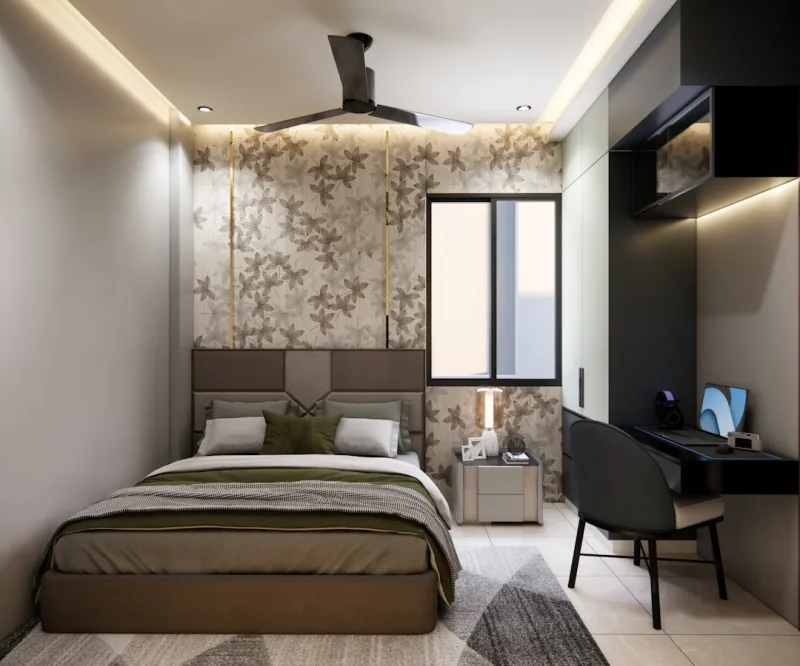
Okay, so here's the thing about bedroom design in 2026 — we're all craving that hotel-like warmth that actually makes you want to stay in bed on a Saturday morning. And honestly? I'm here for it. Gone are the days of sterile, minimalist bedrooms that look more like a showroom than a place of actual comfort. This year, the trend is all about wrapping yourself in warmth — whether that's through rich textures, earthy color palettes, or layered lighting that actually makes your space feel like a hug.
I've been obsessed with warm bedroom design lately, and I've realized it's not just about throwing in some burgundy pillows and calling it a day. Real warmth comes from understanding how different elements work together. You need the right color scheme, proper lighting, tactile materials, and that indefinable quality that makes a room feel lived-in and loved. The good news? You don't need to be an interior designer — or drop a fortune — to pull this off.
Whether you're starting from scratch or refreshing a tired bedroom that's seen better days, I'm going to walk you through everything you need to know to create that warm, inviting sanctuary that actually reflects who you are. Let's dig in.
What You'll Need
Before we get into the nitty-gritty, let's talk about the essentials. You'll want to gather these items to create that warm bedroom aesthetic that's totally on-trend for 2026:
- Warm Paint Color (Warm Terracotta, Warm Taupe, or Warm Greige): $25-60 per gallon (Benjamin Moore or Sherwin-Williams)
- Quality Bedding Set (Egyptian Cotton or Linen): $150-400
- Layered Lighting Fixtures (Warm LED Bulbs, Dimmers): $40-150 for fixtures plus $15-30 for smart bulbs
- Accent Pillows and Throws: $80-200
- Area Rug (Wool or Natural Fiber): $150-500 depending on size
- Wooden Furniture Pieces or Bedroom Hardware: $200-800
- Wall Art and Mirrors (wooden or gold frames): $50-250
- Textured Wallpaper (optional accent wall): $30-80
- Nightstands and Bedside Lighting: $100-300
- Natural Elements (plants, branches, woven baskets): $30-150
Step-by-Step Guide
Step 1: Choose Your Warm Color Palette
This is where everything starts, and I mean everything. Your warm color palette is the foundation of the entire room. In 2026, we're seeing a shift away from cool grays toward warmer tones like warm terracotta, burnt sienna, warm greige, and creamy off-whites. I personally love a warm taupe as a base — it's sophisticated without being cold, and it works with almost any accent color.
When you're at The The Home Depot picking out paint samples, grab three or four and tape them to different walls. Live with them for a few days. Watch how they look in morning light versus evening light. You'd be surprised how much this matters. Your warm color should make you feel relaxed, not like you're living inside a pumpkin patch.
Step 2: Select and Paint Your Walls
Once you've committed to your color, it's time to prep and paint. I'm going to assume you know the basics — removing outlet covers, taping edges, all that fun stuff. What matters here is that you're investing in quality paint. A good warm-toned paint from Sherwin-Williams or Benjamin Moore will have better coverage and won't fade or look dingy over time.
Apply two coats minimum, and don't cheap out on the primer if you're going from a darker color. Let each coat dry completely before reapplying. This is genuinely one of those situations where patience pays off. Your walls are the biggest visual element in your room — they deserve the attention.
Step 3: Layer Your Lighting
Here's where most people mess up their warm bedroom design — they use one overhead light. That's not warm, that's just sad. You need at least three types of lighting: ambient (overhead), task (reading lights), and accent (mood lighting). For 2026, we're leaning into warm white LED bulbs — I'm talking 2700K color temperature, which mimics the warmth of incandescent without the energy waste.
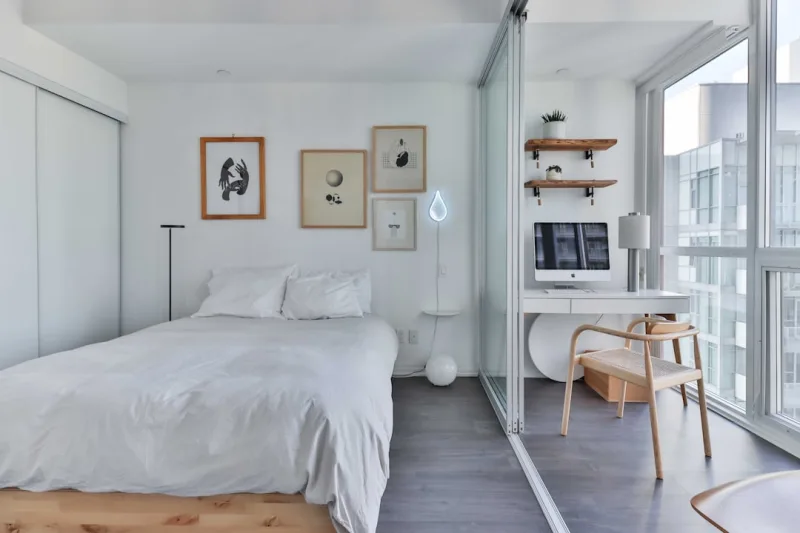
Install a dimmer switch on your overhead light. Add wall sconces or stylish nightstands with bedside lamps. Consider string lights or a subtle neon sign if you want something trendy without being over-the-top. The goal is to create an environment where you can adjust the light based on your mood and the time of day.
Step 4: Invest in Quality Bedding
Your bed should feel like a cloud, honestly. Quality Egyptian cotton sheets or natural linen make an absolute difference in how warm and inviting your bed feels. I'm not saying you need 1000-thread-count luxury (though it's nice), but you definitely want something that feels soft against your skin and doesn't feel cheap.
 Budget Apartment Renovation: DIY Hacks That Actually Work
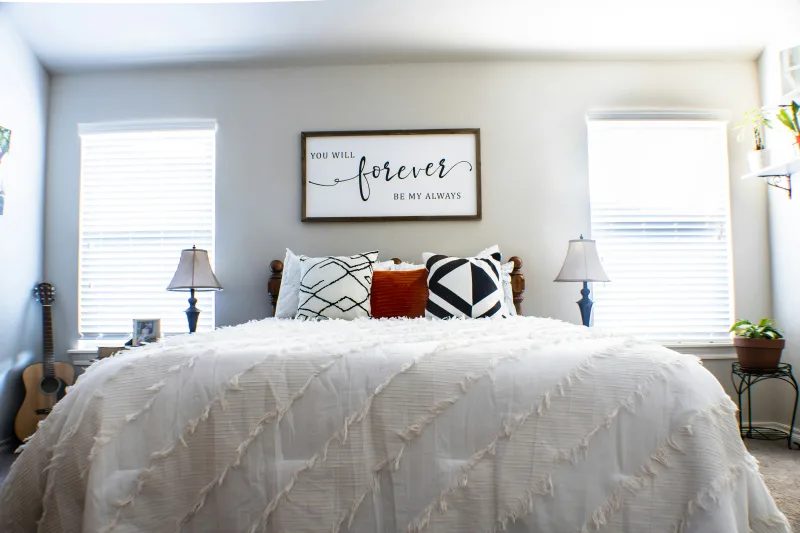
Layer textures here — a quilted duvet, throw pillows in warm jewel tones (think rust, mustard, deep olive), and a chunky knit throw blanket draped across the foot of the bed. This isn't just pretty; it actually feels warm and comforting.
Step 5: Add an Area Rug
A good area rug anchors the room and adds major warmth factor. Go for natural fibers like wool, jute, or sisal in warm neutral tones. Size matters — you want the rug to extend under the bed and out toward the foot, creating a cozy zone. This also softens the room acoustically, which contributes to that sanctuary feeling you're after.
Step 6: Incorporate Natural Elements and Textures
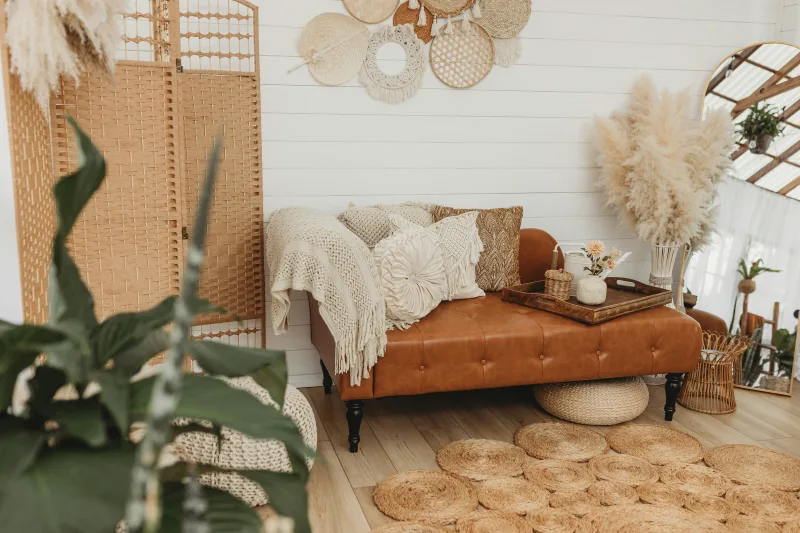
This is what separates a warm bedroom from just an orange room. Add wooden furniture, woven baskets, potted plants (fiddle leaf figs are having a moment), and textured wall hangings. Real wood tones work beautifully with warm paint colors. Visit Better Homes & Gardens & Gardens for inspiration on how to style these elements without looking cluttered.
Step 7: Style with Accessories and Wall Art
Mirrors with wooden or brass frames, botanical prints in warm tones, and carefully curated accessories complete the look. Keep nightstands minimal but intentional — a lamp, a book, maybe a small plant. The goal is cozy, not cluttered.
Pro Tips
Warm metallic accents work wonders: Brass, copper, and warm gold finishes complement warm color palettes beautifully. Swap out cold chrome hardware for warm metallics on dressers and nightstands.
Don't skip the curtains: Heavy, warm-toned curtains (or even thermal blackout curtains in warm colors) add insulation and create a cocooned feeling. They're also functional for actual warmth in winter.
Layering is your best friend: The warmest bedrooms I've seen aren't designed with one statement piece — they're layered. Multiple textures, multiple lighting sources, multiple soft elements. It all works together.
Temperature matters: A truly warm room should feel warm, not just look warm. Make sure your heating is adequate, and consider thermal blackout curtains for winter months. Check HGTV for articles on balancing aesthetics with actual comfort.
Personal touches seal the deal: Add photos in warm-toned frames, display books you actually love, keep a cozy reading corner. Your bedroom should feel like a reflection of you, not a design magazine spread.
Cost Breakdown
← Scroll to see full table →
| Item | Estimated Cost | Budget Alternative |
|---|---|---|
| Paint (2 gallons) | $60-120 | $30-50 (store brand) |
| Bedding Set | $200-400 | $80-150 (target or overstock) |
| Lighting Fixtures and Bulbs | $100-200 | $40-80 |
| Throw Pillows and Blankets | $120-250 | $50-100 |
| Area Rug | $200-500 | $80-200 |
| Wooden Furniture/Hardware | $300-800 | $100-300 |
| Wall Art and Mirrors | $100-250 | $30-80 |
| Natural Elements and Decor | $50-150 | $20-60 |
| TOTAL | $1,130-2,670 | $430-1,020 |
FAQ
Q: Will a warm color make my small bedroom feel even smaller?
📷 Photo by Naksha Banwao on Unsplash