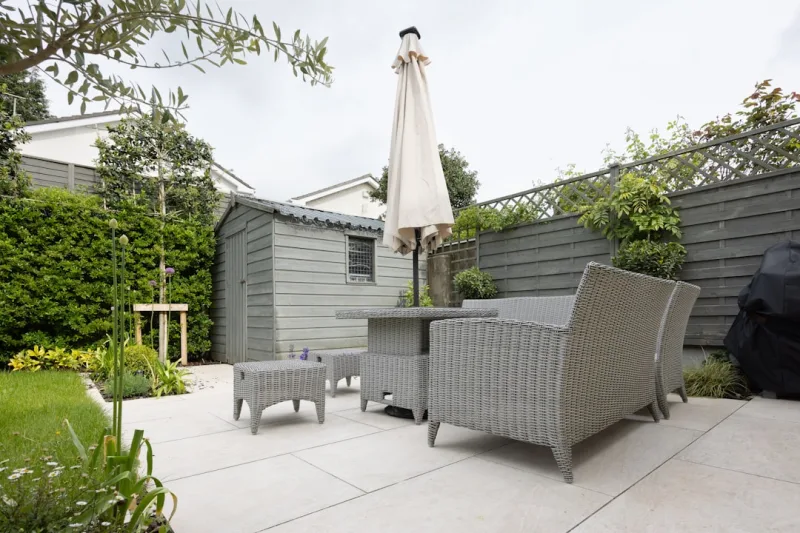
Designer Patio Storage with Smart Home Gadgets: Your Outdoor Space Just Got a Tech Upgrade
Look, I've been redesigning patios for years now, and here's what I've discovered — nobody really wants to look at plastic storage bins scattered across their outdoor space. It kills the whole vibe. But here's the thing: we all have stuff. Garden tools, pool supplies, cushions, the works. So what if I told you that you could have a storage solution that's not just functional but actually looks like it belongs in a designer magazine? And what if that same storage could talk to your phone?
I'm talking about merging aesthetics with technology in a way that actually makes sense for modern homeowners. This isn't about being gimmicky — it's about creating an outdoor living space that works harder for you while looking absolutely stunning doing it. We're combining sleek, modern storage designs with smart home integration, and honestly, once you experience it, you'll wonder how you ever lived without it.
Whether you're a tech enthusiast or just someone tired of hunting for their pruning shears, this guide will walk you through creating a patio storage solution that's both Instagram-worthy and genuinely useful. Let's dive in.
What You'll Need
Before we get into the nitty-gritty of installation, let's talk about what you're actually buying. The beauty of this project is that you can scale it based on your budget and needs.
Materials & Components
- Outdoor Storage Cabinet (weather-resistant wood or composite) — $400-$800
- Smart Lock System (WiFi-enabled, weatherproof) — $150-$300
- Motion-Sensor LED Lighting (solar or hardwired) — $80-$200
- Smart Inventory System with RFID Tags — $100-$250
- Weatherproof Security Camera (optional but recommended) — $120-$280
- Composite Decking Base or Gravel Stabilizer — $100-$250
- Hardware Kit (bolts, brackets, weatherproof fasteners) — $40-$80
- Smart Hub or Controller (if not using existing system) — $50-$150
- WiFi Extender (for outdoor connectivity) — $40-$100
- Polyurethane Sealant & Wood Stain — $30-$60
You can source most of these items from The The Home Depot, which has an excellent selection of both traditional storage pieces and smart home gadgets. For design inspiration and trends, I always check out HGTV and Better Homes & Gardens & Gardens to see what's working in real homes.
Step-by-Step Guide
Step 1: Assess Your Space & Plan Your Layout
This is crucial and honestly where most people rush through. Spend a solid afternoon measuring your patio. You need to know: How much stuff do you actually need to store? Where's the best spot for a cabinet that won't obstruct sightlines? Where's your WiFi strongest? Jot all this down. I usually sketch things out on graph paper — it doesn't have to be pretty, just accurate.
Think about traffic flow too. You don't want your storage blocking the path from your patio door to your seating area. Trust me on this one.
Step 2: Prepare Your Foundation
The ground matters more than people realize. If you're putting this on uneven soil, your smart lock won't align properly and water will collect underneath. Use composite decking tiles or a stabilized gravel base to create a level surface. This takes maybe an hour, and it's the difference between a cabinet that lasts five years and one that lasts fifteen.
Make sure drainage is good — no pooling water during rain. If you're in a wet climate, slightly slope the ground away from where the cabinet will sit.
Step 3: Assemble Your Storage Cabinet
If you're buying a pre-made unit, follow the manufacturer instructions to the letter. If you're building custom, use pressure-treated wood or composite materials that won't rot. Pay special attention to the door alignment — this is essential for the smart lock to work properly.
Don't skimp on the hinges. Quality hinges cost a bit more but they prevent sagging, which would mess up your smart lock's alignment. I learned that the hard way.
Step 4: Install the Smart Lock System
Position your WiFi-enabled smart lock on the door at standard height (about 36-48 inches from the ground). Make sure you're using corrosion-resistant bolts designed for outdoor use. The lock should mount flush with the door — no gaps.
Before you fully tighten everything, test the lock mechanism multiple times. You want smooth operation without any binding. Connect it to your smart home app following the manufacturer's instructions. Most systems walk you through this pretty clearly.
Step 5: Add Motion-Sensor Lighting
Install your LED lighting on the front or sides of the cabinet. Solar options are low-maintenance, but hardwired lights are brighter and more reliable. Mount sensors high enough that they won't be triggered by passing animals but low enough to catch human movement.
 Budget Apartment Renovation: DIY Hacks That Actually Work
Test the sensors at dusk to make sure they're activating properly. Adjust sensitivity settings to avoid false triggers from wind-blown leaves.
Step 6: Set Up the RFID Inventory System
This is where it gets fun. Organize your storage items into categories and assign RFID tags to anything you want to track — expensive tools, seasonal items, pool chemicals, whatever. Place small tag readers near frequently accessed areas inside the cabinet.
Your smart app will then alert you when inventory is running low or remind you when it's time to swap seasonal items. Honestly, this feature alone pays for itself when you stop buying duplicate fertilizer.
Step 7: Install the Security Camera (Optional)
A weatherproof camera adds an extra layer of protection and lets you monitor your patio remotely. Mount it at an angle that covers both the cabinet and approaching pathways. Make sure it's firmly secured — you don't want vibration causing blurry footage.
Step 8: Seal & Finish
Even composite materials benefit from sealant. Apply a quality polyurethane or outdoor wood stain to protect against UV damage and moisture. Do this before fully installing smart components to avoid getting sealant on electronics. Give it 48 hours to cure completely.
Step 9: Test Everything & Troubleshoot
Before you consider this done, run through every feature. Lock and unlock remotely. Check that lights activate. Verify your app shows accurate inventory. Test the camera from different rooms in your house. This isn't boring — it's insurance against problems later.
Pro Tips
WiFi coverage is everything. If your signal barely reaches your patio, invest in a WiFi extender. A dead zone here means your smart features won't work when you need them most. I had a client in a large backyard who thought she didn't need an extender — she regretted that decision immediately.
Choose finishes that complement your home. Your storage cabinet should feel like an extension of your architecture, not an afterthought. If your house has warm wood tones, pick cedar or teak-style composites. Modern homes? Go with sleek charcoal or graphite finishes. The tech is secondary to the design.
Plan for accessibility. Make sure the cabinet door opens fully without hitting walls, seating, or other structures. You need at least 90 degrees of clearance, ideally more. Nothing's worse than struggling to access your own storage.
Use weatherproof everything. This cannot be overstated. Regular bolts, wires, and fasteners will corrode. It's not worth the $3 you save. Go stainless steel or weatherproof-rated materials across the board.
Create an organizational system inside. Smart tech helps, but thoughtful organization is still king. Use labeled bins, hooks, and shelving. Know where things go and keep it that way. Your future self will thank you when you need something quickly.
Check local building codes. Some areas have regulations about outdoor structures, especially anything with electrical components. A quick call to your city planning office takes 10 minutes and prevents headaches down the road.
Cost Breakdown
← Scroll to see full table →
| Component | Cost Range |
|---|---|
| Outdoor Storage Cabinet | $400–$800 |
| Smart Lock System | $150–$300 |
| Motion-Sensor LED Lighting | $80–$200 |
| Smart Inventory System | $100–$250 |
| Security Camera (Optional) | $120–$280 |
| Foundation Materials | $100–$250 |
| Hardware Kit | $40–$80 |
| Smart Hub/Controller | $50–$150 |
| WiFi Extender | $40–$100 | 📷 Photo by Tile Merchant Ireland on Unsplash