Designer Patio Setup for Small Spaces: Transform Your Tiny Outdoor Oasis
There's something absolutely magical about having your own outdoor sanctuary, isn't there? Whether you're sipping morning coffee or unwinding after a long day, a well-designed patio can become your favorite room in the house. But here's the thing—if you're living in an apartment, townhouse, or home with a modest backyard, you might think a designer patio is out of reach. I completely understand that feeling. For years, I thought my tiny 8x10 balcony was too cramped to create anything special. Then everything changed when I discovered that small spaces aren't limitations; they're actually opportunities for intentional, beautiful design. Small patios force us to be creative, thoughtful, and strategic with every single piece. The result? Spaces that are often more intimate, more personal, and honestly, more stunning than their sprawling counterparts. If you've been dreaming of a designer patio but thought your square footage was holding you back, I'm here to tell you that's simply not true. Let's transform that small space into something you'll absolutely love.
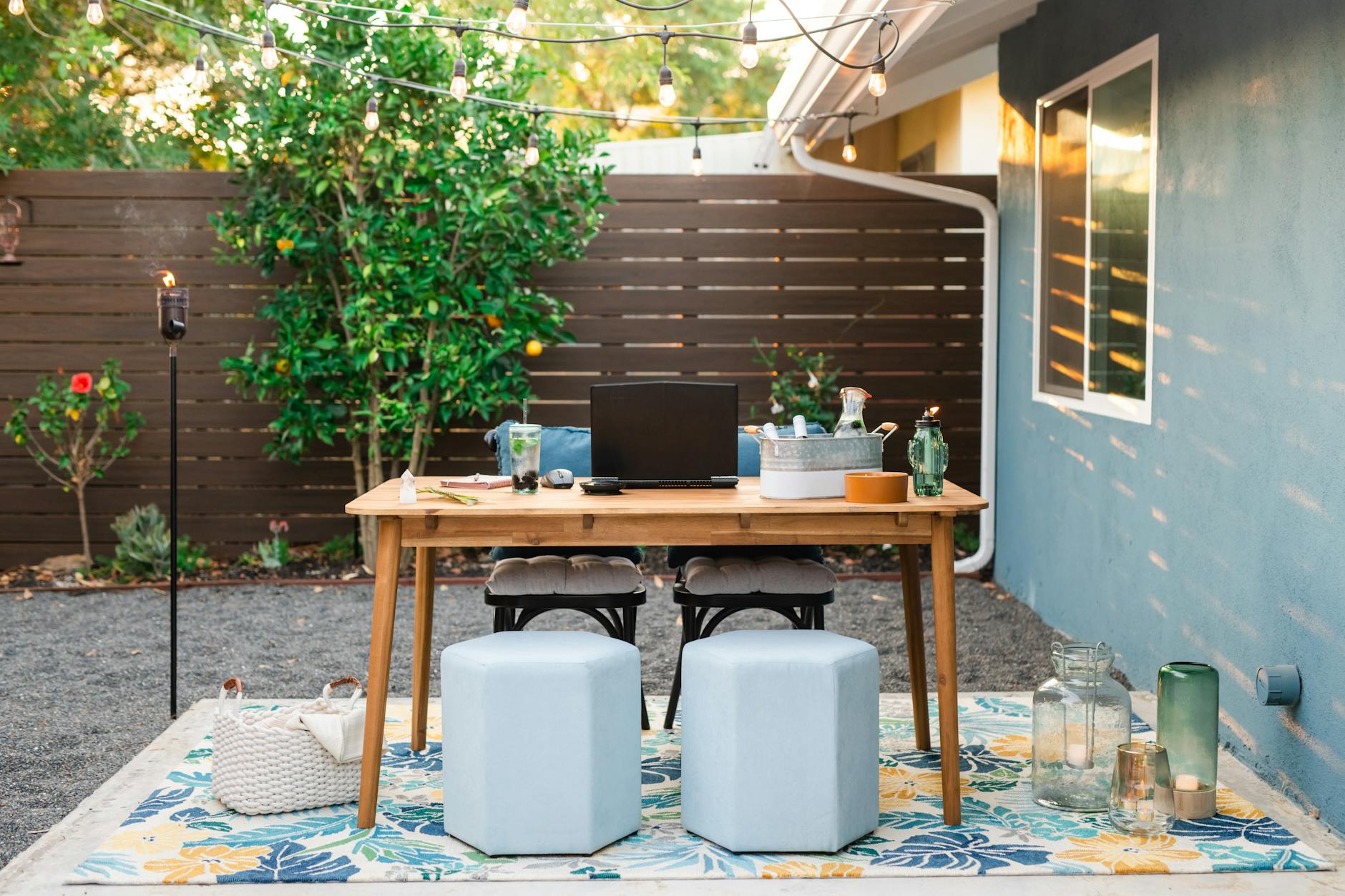
In this comprehensive guide, you're going to learn everything you need to know about creating a designer patio setup that works perfectly for small spaces. We'll walk through practical planning strategies, reveal budget-friendly options that don't sacrifice style, and share step-by-step instructions you can start implementing this weekend. You'll discover the best styles and products specifically chosen for petite outdoor areas, hear from design experts about their favorite space-saving tricks, and get answers to all those questions you've been asking. Whether you're working with a balcony, a small courtyard, or a tight corner of your backyard, you'll have all the tools and inspiration you need to create an outdoor space that feels luxurious, functional, and completely you.
Understanding Designer Patio Setup for Small Spaces
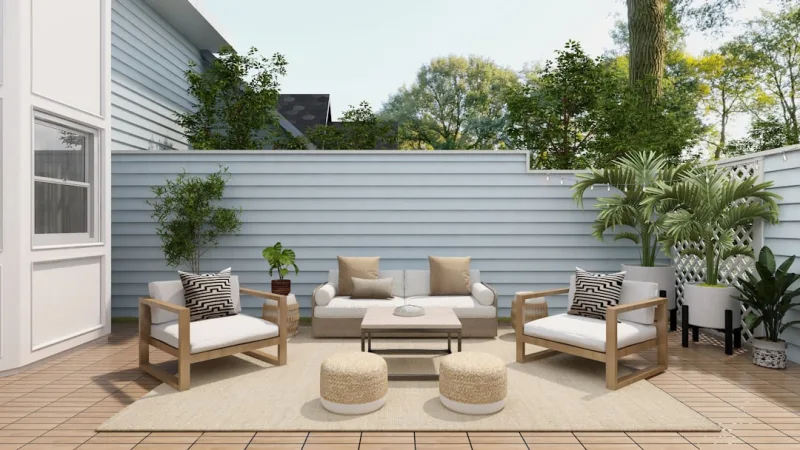
A designer patio setup for small spaces is essentially the art of creating a stylish, functional outdoor living area within limited square footage. It's not about having less of everything—it's about being intentional, strategic, and creative with what you have. This approach combines aesthetic principles with practical space-saving solutions to maximize both style and usability. Think of it as curating your outdoor space the same way you'd curate a well-styled closet: every piece serves a purpose and brings joy.
Why does this matter so much? Well, our outdoor spaces have become extensions of our homes in the most meaningful way. They're where we recharge, entertain, and connect with nature and the people we love. A small patio doesn't mean sacrificing these experiences—it means being smarter about them. Designer patio setups for small spaces have exploded in popularity lately, partly because more people are living in urban areas or choosing cozier homes, and partly because we've all realized how important outdoor space really is for our mental health and overall well-being.
Here's what I see most often when people approach small patio design, and I want to be honest with you about the common mistakes. First, there's overcrowding—people try to fit a full-size sectional, a dining table, and a fire pit into their tiny space, which actually makes it feel more cramped. Second, there's the mismatched aesthetic problem, where pieces don't coordinate or flow together, creating visual chaos. Third, many people neglect vertical space entirely, missing out on the incredible opportunity to add storage, greenery, and visual interest going upward. Fourth, inadequate lighting leaves small patios feeling closed-in and unusable after sunset. Finally, there's the styling aspect—small spaces need intentional decor and accessories to feel finished, not bare or incomplete. Understanding these common pitfalls is your first step toward avoiding them.
Planning Guide for Designer Patio Setup for Small Spaces
Before you buy a single piece of furniture, you need a solid plan. This is where so many people skip ahead, and honestly, that's where money gets wasted. Take time to really think through what you want your patio to be. Are you envisioning a cozy reading nook where you disappear with a book? A little entertaining space for intimate gatherings? A meditation spot? A dining area? Your answer shapes everything that comes next.
Start by measuring your space precisely—every single dimension. Don't estimate. Grab a tape measure and note the length, width, and height of your patio. Mark any existing features like doors, windows, electrical outlets, or drainage issues. Take photos from multiple angles. This information is absolutely essential for choosing appropriately-sized furniture and understanding how to arrange pieces for maximum flow and function.
Next, think about the sun patterns. Where does morning light hit? Where's the afternoon shade? Which corner gets the harshest afternoon sun? Understanding light and shadow will help you position seating, plan for shade solutions, and know where you can place plants. This is something many people overlook, but it genuinely affects how usable your space is throughout the day.
Finally, establish a cohesive color palette and style direction before shopping. This is non-negotiable for small spaces because every single piece is visible and contributes to the overall aesthetic. Pick two to three main colors and decide on your style—modern minimalist, bohemian, coastal, Mediterranean, contemporary, or something else entirely. Everything you select should flow together harmoniously.
Small Patio Planning Checklist
- ☐ Measure your space (length, width, height) with a tape measure
- ☐ Note location of doors, windows, outlets, and drainage
- ☐ Take reference photos from multiple angles
- ☐ Track sun and shade patterns throughout the day
- ☐ Identify your primary use (relaxation, dining, entertaining, working)
- ☐ Choose 2-3 main colors for your palette
- ☐ Decide on your overall design style and aesthetic
- ☐ Create a rough sketch or use a design app to plan furniture placement
Budget Breakdown
← Scroll to see full table →
| Price Range | Items | Average Price |
|---|---|---|
| Under $50 | Throw pillows, outdoor rugs (small), plant pots, string lights, throw blankets, decorative lanterns | $15-$45 |
| $50-$200 | Bistro chairs, small side tables, outdoor storage boxes, hanging planters, shade sail kit, cushions, outdoor mirror | $60-$180 |
| $200+ | Compact sectional, weather-resistant dining set (2-4 seats), quality lounge chairs, built-in storage bench, premium outdoor heater, umbrella with stand | $250-$1,200 |
When it comes to budgeting for your small patio, think strategically about where to invest and where you can save. I always recommend spending more on the basics—your seating and the largest visible pieces—because these will get the most use and need to last. Your main chair or small sofa is worth the investment. However, accessories like pillows, throws, and decor items are perfect places to save money or swap seasonally.
One of my favorite money-saving strategies is shopping The The Home Depot and IKEA for functional pieces and then dressing them up with affordable accessories from Amazon and Target. A basic wooden table becomes stunning when paired with the right accessories. Another money-saver: DIY what you can. Painted planters, stenciled designs, or a simple string light arrangement can transform your space for minimal cost. Don't feel pressured to buy everything at once either. Build your patio gradually, adding pieces as your budget allows. This actually helps because you can see what works before committing to bigger purchases. Finally, watch for end-of-season sales—July and August are prime times for outdoor furniture markdowns as retailers prepare for fall inventory.
Step-by-Step Guide
Now let's walk through the actual process of creating your designer patio setup. I'm going to break this into seven clear steps that you can follow at your own pace. The beauty of these steps is that they're sequential but flexible—you might spend two weeks on step one or move faster through some steps. There's no timeline pressure. What matters is that you create something thoughtful and beautiful that genuinely reflects your style and meets your needs.
Step 1: Declutter and Prepare Your Space
Start with a clean slate. Remove everything from your patio—furniture, plants, decor, everything. Sweep it thoroughly, pressure wash it if possible, and do any necessary maintenance or repairs. A clean canvas is essential for visualizing your new design. This is also your chance to check for any issues like loose pavers, rust spots, or areas that need attention before you bring in new pieces. Once it's completely clean and prepped, you'll feel energized and ready to move forward.
Step 2: Choose Your Primary Seating Piece
 Budget Apartment Renovation: DIY Hacks That Actually Work
This is the anchor of your patio. For small spaces, you're likely looking at either a compact two-seater sofa, a pair of quality lounge chairs, or a small sectional. Your choice depends on your primary use. If entertaining is your goal, a small sectional works beautifully. If you're creating a relaxation retreat, two or three quality chairs with a small side table might be perfect. Measure your chosen piece against your space dimensions, allowing at least 18-24 inches of walking space around it. Position it to face the best view or to make the most of natural light and shade patterns.
Step 3: Add Functional Storage
Small spaces desperately need hidden storage. Look for Ottoman-style storage, built-in bench seating with storage compartments, wall-mounted shelving, or decorative storage boxes. Vertical storage is your best friend here. IKEA has incredibly affordable options that look far more expensive than they are. The Container Store offers beautiful solutions too, though pricier. Storage keeps your space looking curated and prevents the cluttered feeling that makes small spaces feel even tinier. Everything should have a home.
Step 4: Establish Your Shade Solution
Nothing makes a small patio more usable than shade, especially during harsh afternoon hours. Your options include a retractable awning, a shade sail, an umbrella with a weighted base, or strategically placed climbing plants on a trellis. Consider how much shade you need, the direction of sun in your space, and your aesthetic. An umbrella is the most flexible because you can move it, while a permanent shade structure makes a bolder statement. I personally love the look of a shade sail in a neutral tone—it's modern, effective, and creates visual interest.
Step 5: Create Ambient Lighting
Lighting transforms a small patio from an unused space into a magical retreat. You want a combination of functional and atmospheric lighting. String lights overhead create instant coziness and visual height. Solar post lights or battery-operated sconces save you from extension cords. Lanterns placed on tables add soft glow and style. Avoid harsh overhead lights that flatten your space. Layer your lighting in zones—overhead lights for ambient warmth, task lights for reading or working, and accent lights that highlight plants or architectural features. This layering makes your small patio feel more sophisticated and infinitely more inviting.
Step 6: Style with Plants and Greenery
Plants are absolutely essential for small patios. They add life, soften hard edges, create privacy, improve air quality, and honestly, make you happier. The key is being strategic with your plant selection. Go vertical with wall-mounted planters, hanging baskets, and tiered plant stands. Choose a mix of heights and textures but stay cohesive with color—greens and whites, greens and silvers, or greens with one pop color work beautifully. Larger specimen plants in corners can divide space and create zones, while smaller plants on tables and shelves add detail without overwhelming your layout. Group plants in odd numbers (three or five) for visual interest.
Step 7: Add Personal Touches and Accessories
This is where your patio truly becomes yours. Add throw pillows in your color palette, an outdoor rug that defines your seating area, a cozy throw blanket, outdoor artwork, decorative mirrors to reflect light and create the illusion of more space, and personal accessories that tell your story. These finishing touches are relatively inexpensive but make an enormous difference. A few beautiful elements matter more than many random ones. Think quality over quantity. One stunning lantern is better than five mediocre ones. Two thoughtfully chosen decorative pillows are better than seven mismatched ones. This restraint is actually what makes small spaces feel luxurious.
Best Styles and Products
Let's talk about the specific styles that work beautifully in small spaces and the products I genuinely recommend. Different aesthetics have different advantages for compact outdoor areas, and choosing one that resonates with you makes your design process infinitely easier.
Modern Minimalist
Clean lines, neutral colors, and functional pieces create a serene, uncluttered feel. This style is perfect for small spaces because it naturally prevents overcrowding. Choose a simple color palette—whites, grays, blacks, and one accent color. Furniture should be sleek without ornate details. Materials like metal, concrete, and light wood work beautifully. This style photographs incredibly well and maintains a timeless appeal.
Bohemian Eclectic
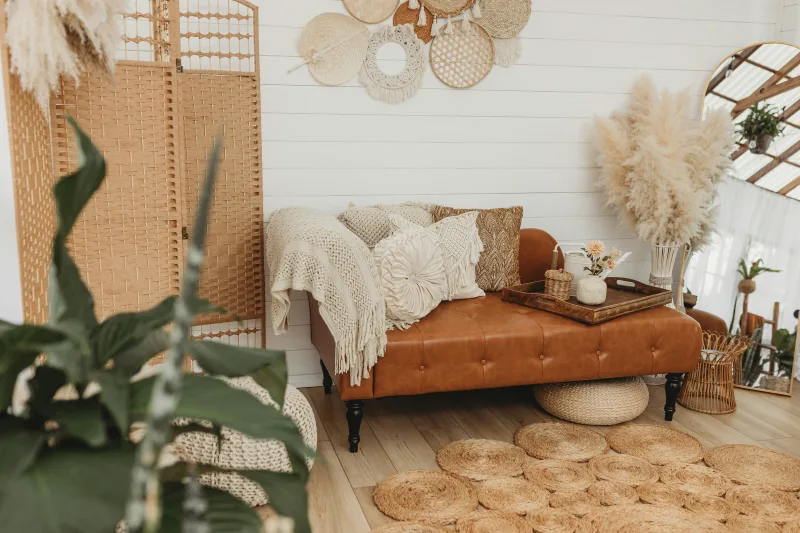
Warm colors, mixed textures, and an abundance of plants create a relaxed, inviting atmosphere. Boho works in small spaces when you choose a cohesive color direction—think warm earth tones or cool jewel tones, not a random mix of every color. Layer textures with macramé, woven storage, and patterned textiles. Plants are essential. This style celebrates individuality and personal expression.
Coastal and Nautical
Light, airy, and refreshing, coastal style uses whites, blues, sandy tones, and natural materials. Incorporate rope details, driftwood accents, and weathered finishes. This style makes small spaces feel larger because of its light color palette and open aesthetic. It's perfect if you love a beach-house vibe year-round.
Mediterranean
Warm, inviting, and romantic, Mediterranean style brings together terracotta, jewel tones, natural stone, and lush greenery. This style works beautifully in small patios when you layer elements thoughtfully. Imagine yourself in a Tuscan courtyard or a Greek island villa—that's the feeling you're creating with less square footage.
Top 5 Products for Small Patios
1. IKEA Äpplaryd Lounge Chair ($199) - This weather-resistant lounge chair is compact, comfortable, and costs a fraction of designer options. The clean lines work with any style, and customers rave about the quality for the price.
2. Amazon Sunforce Retractable Shade Sail ($89.99) - This adjustable shade sail creates immediate sun protection and visual interest. It's DIY-friendly and comes in multiple colors. It's one of the most effective ways to expand your usable patio space.
3. Better Homes & Gardens and Gardens Replacement Cushions ($35-$65) - Quality outdoor cushions completely transform basic furniture. These replacement cushions come in dozens of colors and patterns, allowing you to refresh your look seasonally or change styles without replacing entire pieces.
4. The Home Depot Sunforce String Lights ($