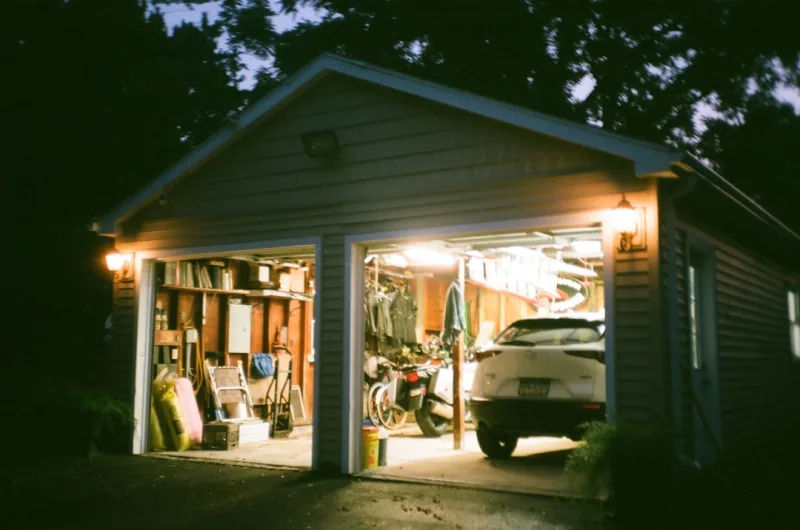
Transform Your Tiny Garage Into a Cozy Retreat: Real Ideas That Actually Work
Look, I get it. Your garage is basically a glorified storage unit right now — packed with seasonal stuff, old camping gear, and that exercise bike you haven't touched since 2019. But here's the thing: even the tiniest garage has serious potential. I've worked with homeowners who've turned cramped, cold 200-square-foot spaces into genuinely inviting spots where they actually *want* to spend time.
Whether you're dreaming of a cozy workshop, a hangout spot for you and your partner, or just a place that doesn't feel like a dungeon — we're going to walk through this together. The secret isn't having tons of space; it's about being intentional with what you've got. Honestly, some of my favorite garage transformations have happened in spaces smaller than a master bedroom.
Let's talk about how to make your small garage feel warm, inviting, and actually functional. Because you deserve better than a space that makes you cringe every time you open the door.
What You'll Need
Before we dive into the transformation, let's talk materials and budget. I'm breaking this down into categories so you can pick and choose what works for your specific situation.
Lighting & Warmth
- LED pendant lights or string lights — $25-$75 per fixture
- Warm-toned bulbs (2700K color temperature) — $5-$12 per bulb
- Small space heater (optional) — $40-$150
- Smart dimmer switches — $15-$40
Flooring & Base Elements
- Rubber floor mats or interlocking tiles — $1-$3 per square foot
- Large area rug (if you want warmth) — $100-$300
- Concrete sealer/epoxy (if refreshing existing floor) — $100-$250
Seating & Comfort
- Compact loveseat or futon — $300-$800
- Cushioned stools — $50-$150 each
- Throw blankets — $20-$60
- Throw pillows — $15-$40 each
Storage & Organization
- Wall-mounted shelving units — $50-$200
- Pegboards with hooks — $30-$100
- Storage cabinets — $150-$500
- Baskets and bins — $10-$50 each
Finishing Touches
- Paint (interior garage paint) — $30-$60 per gallon
- Wall art and mirrors — $20-$200
- Plants and planters — $15-$75
- Weatherstripping for door — $10-$25
Step-by-Step Guide
Step 1: Clear Out and Assess
I know this sounds boring, but seriously — you can't design a cozy space when it's buried under junk. Take everything out. Everything. This is your chance to be ruthless. Ask yourself: "Do I actually use this? Have I touched it in the past year? Does it spark joy?" (Yes, I'm pulling the Marie Kondo card, but it works.)
Once you've cleared out, take measurements. Know your exact square footage, ceiling height, and where the electrical outlets are. This matters more than you'd think when you're working with limited space.
Step 2: Address the Temperature Issue
Cold garages feel miserable. Period. Start by weatherstripping your garage door and any gaps around entry doors. This costs about $15-$25 and makes a surprising difference. If you live somewhere truly cold, add insulation to your garage door — it's an investment (around $200-$500) but totally worth it if you're spending regular time out there.
For heating, a space heater is your friend — just make sure you get one designed for garages and keep it away from anything flammable. Place it strategically in your cozy zone, not trying to heat the entire space. That's just throwing money away.
Step 3: Transform the Lighting
This is where the magic happens. Seriously, I cannot overstate how much lighting transforms a garage. Those harsh, flickering overhead fluorescents? Goodbye. Replace them with warm LED panels or, my personal favorite, pendant lights hung at different heights.
Here's my trick: use warm-toned bulbs (look for 2700K on the package) and add a dimmer switch. When your garage lighting can be softened, suddenly it doesn't feel like an interrogation room anymore. Layer in some string lights or wall-mounted sconces, and you've got yourself an actual mood.
Check out The The Home Depot for their selection — they've got everything from budget-friendly LED strips to designer pendant lights.
Step 4: Paint and Refresh the Walls
Don't skip this step. A fresh coat of paint on garage walls makes an enormous difference. I typically recommend soft whites, warm grays, or even pale yellows — colors that reflect light and feel welcoming. Avoid anything too dark unless you have really good lighting (which you're about to install).
Use interior garage paint or a quality exterior paint; you need something that can handle temperature swings. One or two coats, and your space already feels 10 times better. Paint is one of the cheapest upgrades with the biggest impact.
Step 5: Create Distinct Zones
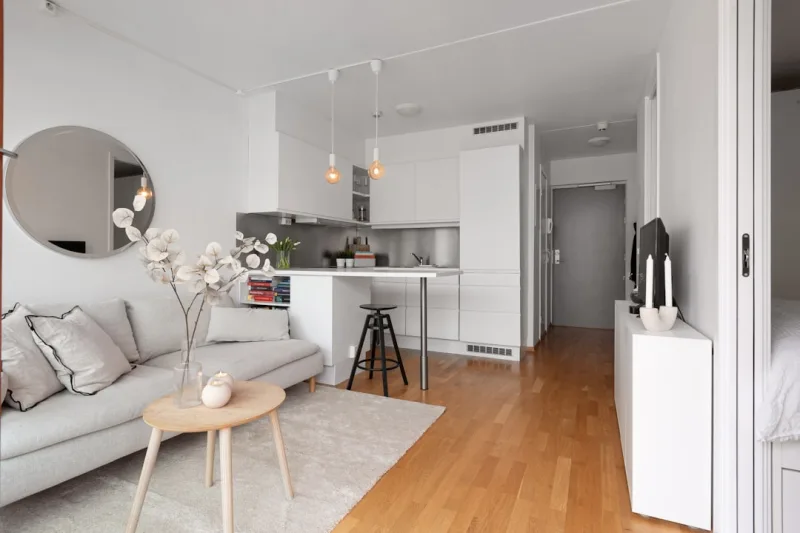
 Budget Apartment Renovation: DIY Hacks That Actually Work
Even in a small garage, you can create different areas. Maybe one corner is your "seating area" with a compact loveseat and a small side table. Another spot might be your workspace or hobby area with shelving above. Use rugs, lighting levels, and furniture placement to define these zones. It makes the space feel intentional rather than cramped.
Step 6: Install Smart Storage
This is essential in small spaces. Go vertical. Wall-mounted shelving, pegboards, and hanging systems keep your floor clear and make the space feel bigger. Keep things organized and visible — when you can't see something, it might as well not exist.
Group similar items together in labeled bins. It sounds simple, but it's the difference between a cozy space and chaotic clutter. Better Homes & Gardens & Gardens has some fantastic organization ideas if you need inspiration.
Step 7: Add Comfort and Style
Now the fun part. Add seating that fits your needs — a small futon, oversized floor cushions, or even just a weatherproof loveseat. Layer in throw blankets and pillows. Add some wall art, a mirror (which makes small spaces feel bigger), and a plant or two. This is where your garage stops being utilitarian and becomes genuinely inviting.
Pro Tips
Use mirrors strategically: Place a large mirror opposite your light source to bounce light around and make the space feel bigger. It's a classic small-space trick for a reason.
Invest in a good heater early: Don't cheap out on this. A quality space heater that you can control will get used way more than an uncomfortable setup. Your comfort directly impacts whether you'll actually spend time out there.
Label everything: Seriously. When you have limited space, organization isn't optional — it's survival. Use a label maker and get specific. Future you will be grateful.
Choose multi-functional furniture: A storage ottoman is your best friend in a small garage. It provides seating, heating (from your space heater), and hidden storage. Think about furniture that pulls double duty.
Don't forget ventilation: If you're working with tools or solvents, install a small ventilation fan. Fresh air makes everything feel better, and it's safer too.
Keep it minimal: The smaller your space, the more minimalist you need to be. Every single item should earn its place. Cozy doesn't mean cluttered.
Cost Breakdown
← Scroll to see full table →
| Category | Item | Cost Range |
|---|---|---|
| Lighting | LED pendant lights (3) + bulbs + dimmer | $100-$200 |
| Heating | Space heater + weatherstripping | $50-$200 |
| Flooring | Floor mats or rug | $100-$300 |
| Seating | Compact loveseat + throw pillows | $350-$900 |
| Storage | Shelving + pegboard system | $150-$300 |
| Paint & Finishing | Paint + wall art + mirrors + plants | $150-$350 |
| TOTAL ESTIMATED BUDGET | $900-$2,250 | |
Note: You can absolutely start smaller and build over time. Begin with lighting and paint ($150-$200), then add seating and storage as your budget allows.
FAQ
Q: Can I make a garage cozy if it's below freezing where I live?
A: Absolutely, but you'll need
📷 Photo by Sydney Moore on Unsplash