Designer Small Apartment Decor 2026: Transform Your Tiny Space Like a Pro
Look, I get it. Small apartments are having a major moment right now, and honestly? That's because they're forcing us to get creative in the best way possible. Gone are the days of cramming oversized furniture into a shoebox and calling it a day. In 2026, the approach to small apartment design is all about intentionality, maximalism done right, and making every single square foot count without feeling cluttered or chaotic.
Here's the thing — decorating a small apartment isn't about sacrificing style. It's actually the opposite. When you have limited space, you're forced to curate what truly matters, and that's when real design magic happens. This year, we're seeing a shift toward bold color choices, mixed textures, and layouts that actually work for how people live. No more generic minimalism unless that's genuinely your vibe.
Whether you're renting or you own your place, I'm going to walk you through exactly how to create a designer-level small apartment that feels intentional, sophisticated, and absolutely livable. We're talking strategic furniture placement, smart storage solutions, and design choices that'll make your friends ask who your decorator is.
What You'll Need
Before we dive into the transformation, let's talk materials and tools. Here's what's going to make the biggest difference in your space:
- Paint and primer (Sherwin-Williams or Benjamin Moore) — $40-$80 per gallon
- Peel-and-stick wallpaper (for accent walls) — $25-$60 per roll
- Floating shelves and wall-mounted storage (The The Home Depot brand) — $30-$120 each
- Multi-functional furniture pieces (ottomans with storage, murphy desks) — $150-$500
- Area rugs (to define spaces) — $80-$300
- Curtain rods and fabric — $40-$150
- Mirrors (various sizes for light reflection) — $20-$200
- Lighting fixtures (pendant lights, floor lamps) — $30-$250
- Paint roller, brushes, and drop cloth — $25-$40
- Adhesive hooks and command strips — $10-$20
- Furniture risers (to elevate beds and create under-storage) — $15-$40
- Decorative baskets and bins — $20-$150
Step-by-Step Guide
Step 1: Assess Your Space and Create a Floor Plan
This is where most people mess up — they jump straight to buying cute stuff without actually measuring and planning. Don't be that person. Grab a tape measure and document every dimension: ceiling height, wall lengths, window placements, electrical outlets. Then sketch out your floor plan on paper or use a free tool like MagicPlan. This single step will save you hundreds of dollars and headaches. Trust me on this.
Step 2: Choose Your Color Palette for 2026
The 2026 trend for small apartments is moving away from safe beiges. We're seeing rich jewel tones, warm earth tones, and yes — even darker accent walls. Pick a base color (maybe a soft cream or warm white), then choose 2-3 accent colors. I'm currently obsessed with deep emerald, warm terracotta, and warm gray combinations. Check out Better Homes & Gardens & Gardens for color inspiration that actually translates to real homes.
Here's my suggestion: paint your largest wall or go with peel-and-stick wallpaper on one accent wall. This creates drama and sophistication without overwhelming the space. The cost difference is minimal, and the impact is huge.
Step 3: Invest in Smart, Multi-Functional Furniture
In a small apartment, every piece of furniture needs to earn its spot. Skip the traditional coffee table and go for an ottoman with storage. Choose a bed frame with built-in drawers. Select a console table that can double as a work desk. This isn't about sacrifice — it's about being intentional.
When shopping, head to The Home Depot or HGTV's partners for pieces designed specifically for smaller spaces. Look for furniture that can adapt as your needs change. A nesting table set? Perfect. A murphy desk that folds up? Yes, absolutely.
Step 4: Layer Your Lighting Strategically
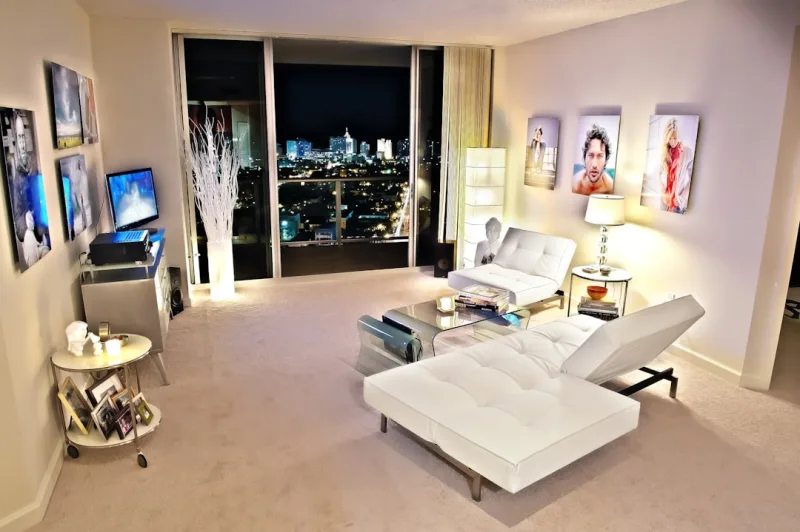
Honestly, lighting is everything in small spaces, and it's the one thing people constantly underinvest in. You need multiple light sources: ambient lighting (overhead), task lighting (desk lamp, under-shelf lights), and accent lighting (decorative lamps that create mood). This makes your apartment feel larger and more intentional.
Install floating shelves with LED strips underneath. Add a statement floor lamp in the corner. Use pendant lights over a small dining area or kitchen island. The variety prevents the space from feeling flat or institutional.
Step 5: Use Mirrors and Vertical Storage to Maximize Space
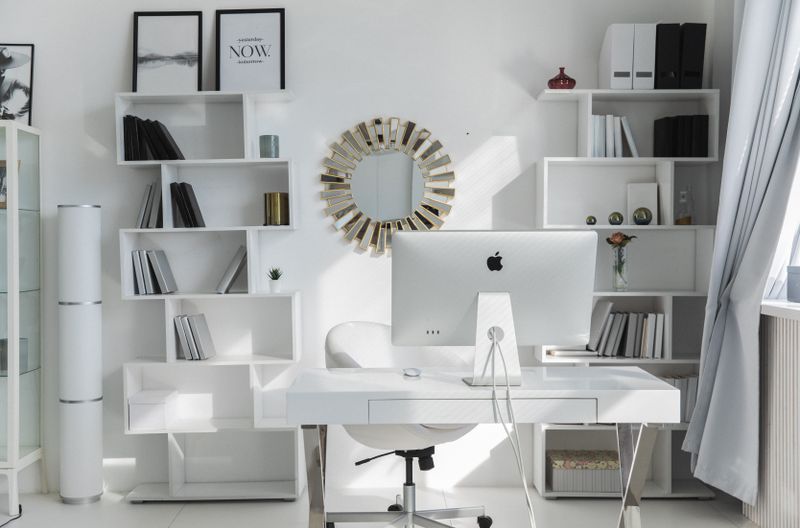
Mirrors are your secret weapon. Position them across from windows to bounce light, or use them as statement pieces on accent walls. Pair large mirrors with open shelving to create the illusion of depth and storage capacity.
 Budget Apartment Renovation: DIY Hacks That Actually Work
Go vertical, always. Wall-mounted shelves, tall bookcases, and floating storage units draw the eye upward and make rooms feel larger. This is where command strips and adhesive hooks become your best friends — no permanent damage, maximum functionality.
Step 6: Define Spaces with Rugs and Zoning
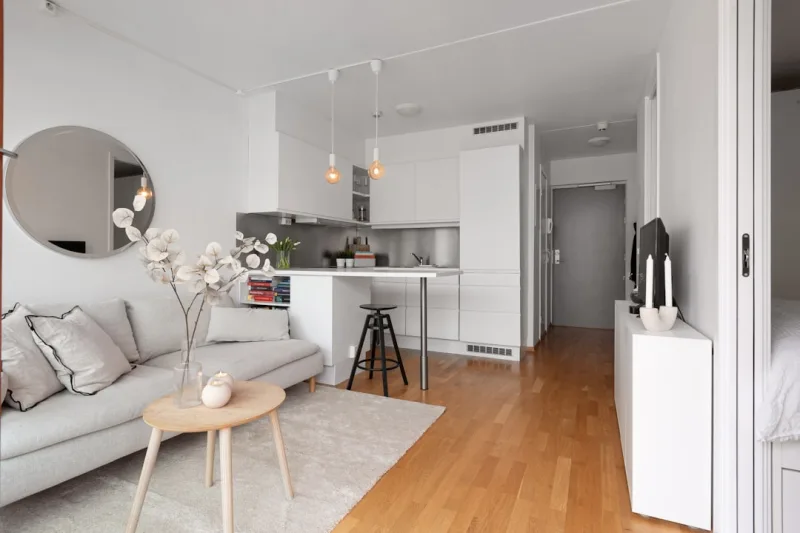
In a one-bedroom or studio, rugs act as invisible walls that define different zones. Place a rug under your seating area, another in the bedroom corner — it's a designer trick that costs way less than adding actual walls and creates visual boundaries that make everything feel more intentional and less chaotic.
Step 7: Style with Collections and Textures
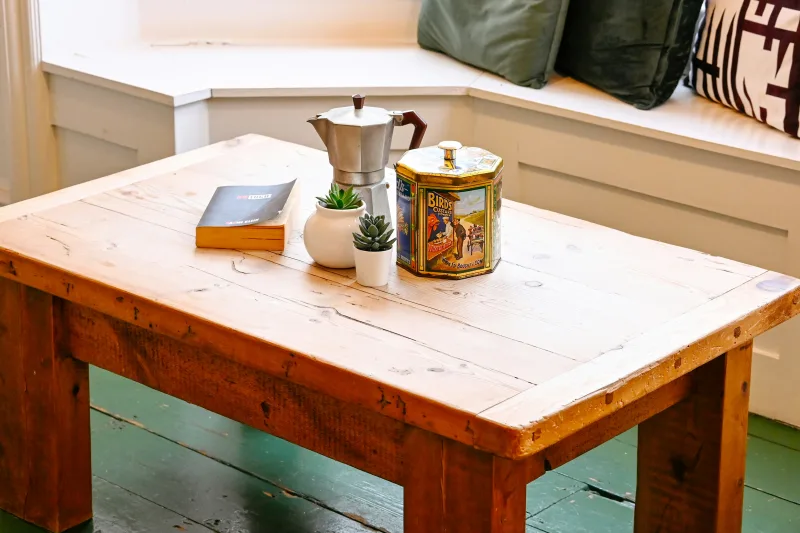
Small spaces need personality, and 2026 is all about textural contrast. Mix materials: warm wood with cool metal, soft textiles with hard surfaces, matte finishes with glossy accents. This creates visual interest without requiring more stuff — just better curation of what you already have.
Group items intentionally. A curated bookshelf looks intentional. Random stuff scattered around feels cluttered. Baskets, decorative boxes, and organized shelving make all the difference here.
Pro Tips
Use the 60-30-10 color rule: 60% neutral base, 30% secondary color, 10% accent color. This keeps small spaces from feeling chaotic while allowing personality to shine through.
Keep window treatments simple but impactful: Full-length curtains make ceilings feel higher. Skip heavy drapes — go for lightweight linen or cotton instead. This creates sophistication without visual weight.
Create a focal point: Every room needs one thing that draws the eye. Maybe it's an accent wall, a statement piece of art, or a beautiful bookshelf. This anchors the space and makes it feel designed rather than random.
Invest in good basic pieces, style with affordable accents: Splurge on a quality sofa or bed frame. Use your budget for affordable throw pillows, art, and accessories that are easy to swap out as trends change.
Never underestimate the power of plants: Green softens spaces and makes them feel livable. Hang plants from the ceiling, place them on floating shelves, or use tall plants to fill corners. Instant designer energy.
Cost Breakdown
← Scroll to see full table →
| Category | Item Description | Estimated Cost |
|---|---|---|
| Paint & Wallpaper | Paint (gallon) + peel-and-stick wallpaper | $85-$140 |
| Storage Solutions | Floating shelves, baskets, bins | $150-$300 |
| Furniture | Ottoman, multi-functional desk, bed frame with storage | $500-$1,200 |
| Lighting | LED strips, floor lamp, pendant lights | $150-$400 |
| Mirrors | Large mirrors for walls (2-3 pieces) | $100-$400 |
| Textiles | Rugs, curtains, throw pillows | $200-$500 |
| Decor & Accessories | Art, plants, books, decorative items | $150-$400 |
| Total Range (DIY Installation) | $1,335-$3,340 | |
FAQ
Q: Can I make a small apartment look expensive on a tight budget?
Absolutely. Focus your splurges on furniture that will last years (a quality sofa, bed frame, dining table). Then use affordable decor from places like Target, Wayfair, and HGTV's collaborations to create style. Good lighting, organized storage, and intentional styling make everything look more expensive. People assume curated spaces are pricey — they often aren't.