Minimalist Patio Storage 2026: The Smart Way to Declutter Your Outdoor Space
Look, I get it. You've scrolled through enough Instagram feeds to know that minimalist design isn't just a trend anymore — it's basically the way forward. And nowhere is this more important than your patio. That cluttered outdoor space? It's stealing your peace of mind (and your views). But here's the thing: minimalist patio storage doesn't mean you have to sacrifice functionality or live with nowhere to stash your gardening tools, cushions, and random outdoor stuff.
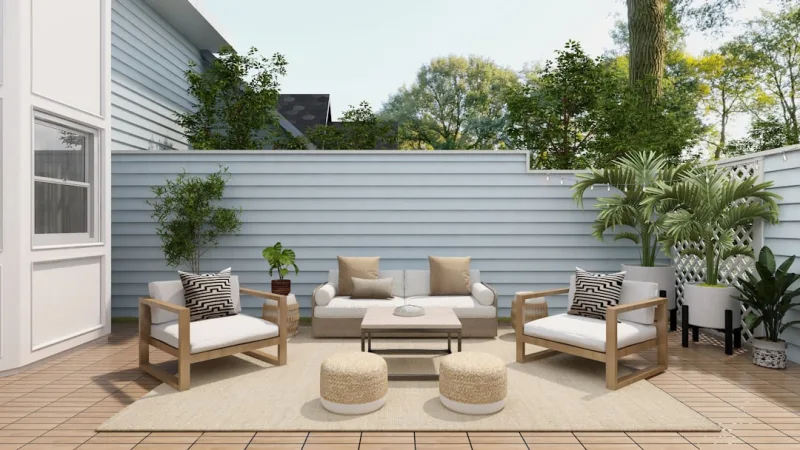
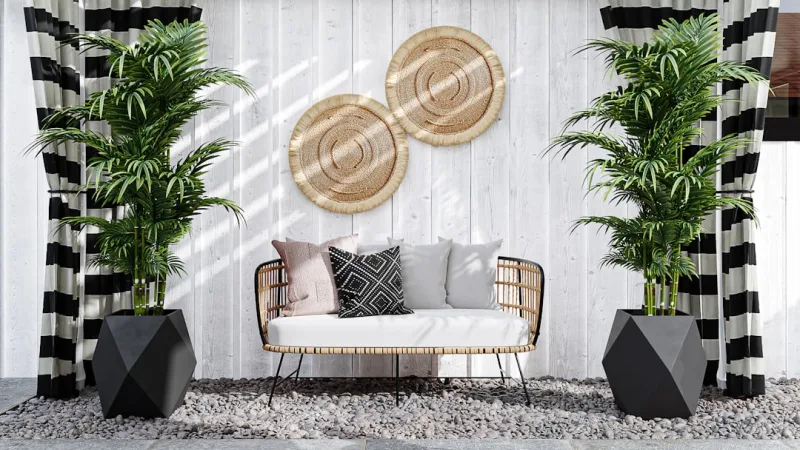
The difference between a cramped patio and one that actually feels like your personal oasis comes down to smart storage solutions. I'm talking sleek, intentional pieces that do the heavy lifting without screaming "storage unit." In 2026, we're seeing a major shift toward integrated storage that blends seamlessly with your outdoor aesthetic — think built-in benches with hidden compartments, vertical wall systems, and modular pieces that grow with your needs.
So let me walk you through how to build a minimalist patio storage system that's actually beautiful to look at. We're keeping things simple, functional, and honestly? Way more affordable than you'd think.
What You'll Need
Before you grab your power drill, let's talk materials. The foundation of good minimalist storage is choosing pieces in neutral tones and natural materials. Here's your shopping list:
- Cedar or composite decking boards ($80-150) — Perfect for building storage benches without rot issues
- Metal frame brackets ($40-60) — Adds that modern industrial touch while keeping things sturdy
- Weather-resistant plywood sheets ($35-50) — The backbone of your hidden storage compartments
- Stainless steel hinges ($25-40) — These won't rust and look intentionally minimal
- Outdoor paint or wood stain ($20-30) — Stick to whites, grays, or natural tones
- 2x4 and 2x6 lumber ($60-100) — Structural support that actually lasts
- Waterproof sealant ($15-25) — This is non-negotiable if you want your storage lasting more than a season
- Hardware (bolts, screws, handles) ($30-45) — Get quality stainless steel
- Wall-mounted metal shelving units ($100-200) — For vertical storage that saves floor space
You can source most of these materials from The The Home Depot or local lumber suppliers. Honestly, the quality difference between budget and mid-range materials is huge when it comes to outdoor storage — splurge where it matters.
Step-by-Step Guide
Step 1: Assess Your Space and Plan Layout
Grab a measuring tape and get specific. How much square footage are you working with? What's the longest wall that doesn't get direct sun? Where do you actually need to access storage regularly? Sketch it out — even just on your phone. This isn't glamorous, but it's everything. I usually recommend dedicating one or two walls to vertical storage and keeping the middle of the patio open and breathable. That's what makes a space feel truly minimal.
Step 2: Build Your Base Storage Bench
Start with a low-profile bench along one wall — this is your anchor piece. Using your 2x4s, create a frame approximately 18 inches tall and 16 inches deep. Build it solid because this baby needs to handle weight. Attach your composite decking boards to the top so it looks finished and cohesive with your patio. The magic happens underneath: hollow out the interior and add hinged lids. This gives you hidden storage without a single visual clue. Paint everything in soft whites or warm grays. Your guests won't even realize you're storing cushions and pool equipment inside.
Step 3: Install Vertical Wall Systems
Here's where minimalism really shines. Mount metal shelving units vertically along your back wall. Keep spacing consistent — I usually go with 12 to 18 inches between shelves — and avoid overcrowding. Only store items you use regularly on these visible shelves. Everything else? That goes in your hidden bench storage. The beauty of vertical systems is that they draw the eye upward, making even small patios feel bigger. Plus, they're incredibly modular. If you want to change things up next season, you can rearrange everything in about an hour.
Step 4: Create Discrete Zones
Minimalism is about intentional placement. Designate zones: a seating zone, a planting zone (if you have herbs or small plants), and a utility zone where your storage lives. Using subtle visual separators — like a shift in decking direction or different material textures — helps define these without cluttering the space. Don't use physical barriers; that's visual noise.
Step 5: Seal and Finish Everything
 Budget Apartment Renovation: DIY Hacks That Actually Work
This step is where a lot of people cut corners, and it drives me crazy. Apply waterproof sealant to all wood surfaces, especially if you live somewhere with harsh weather. Two coats, minimum. Let it cure fully before storing anything. Your storage system is only as good as its ability to protect your belongings from the elements.
Pro Tips
Go vertical early and often. Wall space is free real estate. If you're going for minimalist vibes, let your walls do the heavy lifting. This keeps the floor plan open and airy, which is the whole point of minimal design.
Use matching containers inside hidden storage. I know you can't see them, but this habit trains your brain to think systematically. Clear plastic bins with labels mean you'll actually know where things are when you need them. Plus, when you eventually open those lids, you'll feel organized instead of stressed.
Invest in good outdoor fabrics for bench cushions. Your storage bench can do double duty as seating if you add weather-resistant cushions. This maximizes function without adding another piece of furniture. Win-win.
Choose neutral colors strategically. White, light gray, and natural wood tones aren't boring — they're intentional. They create visual continuity and make smaller patios feel bigger. Save color pops for your plants or pillows, not your storage.
Check out inspiration from Better Homes & Gardens & Gardens for styling ideas.strong> Once your storage infrastructure is in place, see how they style minimal outdoor spaces. It helps you understand what works visually beyond just functionality.
Cost Breakdown
← Scroll to see full table →
| Item | Quantity | Unit Price | Total |
|---|---|---|---|
| Cedar/Composite Decking | 50 sq ft | $2-3 per sq ft | $115 |
| 2x4 Lumber | 30 linear ft | $2.50 each | $75 |
| Metal Brackets | 8 pieces | $7-8 each | $58 |
| Stainless Steel Hinges | 4 sets | $8-10 per set | $36 |
| Wall-Mounted Shelving | 2 units | $75-100 each | $175 |
| Outdoor Paint/Stain | 2 gallons | $15-20 per gal | $35 |
| Waterproof Sealant | 2 quarts | $12-15 per quart | $28 |
| Hardware & Fasteners | Assorted | — | $45 |
| Total Project Cost | $567 | ||
Keep in mind — this estimate assumes a medium-sized patio (roughly 200 square feet). Smaller spaces might run $300-400, while larger patios could hit $800+. The beauty is that this is scalable. You can start with just the bench and add vertical storage when your budget allows.
FAQ
How do I keep my patio storage from looking cluttered visually?
The secret is restraint. Only display items that serve a purpose or bring you joy. Everything else goes in hidden storage. Think of