Minimalist Patio Decor for Modern Homes: Create Your Zen Outdoor Space
There's something magical about stepping outside into a space that feels calm, intentional, and perfectly yours. If you're tired of cluttered patios overwhelmed with trendy pieces you don't actually love, minimalist patio decor might be exactly what your home needs. I get it—we've all been there, scrolling through Pinterest at 11 PM, pinning everything that looks beautiful without considering if it actually serves us or brings us joy. The minimalist approach to outdoor living is different. It's about creating a sanctuary where every single piece has purpose and meaning. This isn't about having an empty, cold patio; it's about designing a space that feels intentional, peaceful, and genuinely inviting. Whether you're drawn to clean lines, neutral palettes, or the simplicity of natural materials, minimalist patio design celebrates what matters most: quality, function, and the beauty of simplicity. Your outdoor space is an extension of your home and your personality. Let's create something that makes you want to spend every evening out there with a good book and your favorite beverage.
In this comprehensive guide, we're walking through everything you need to transform your patio into a minimalist haven. You'll discover what minimalist patio decor really means, learn how to plan your space strategically, and get a complete breakdown of budget-friendly options at every price point. We're sharing a step-by-step guide you can follow immediately, introducing you to the best styles and products available, and providing expert tips from design professionals. By the end, you'll have a clear vision for your outdoor space and the confidence to create it. Whether you're starting from scratch or refreshing an existing patio, this guide has everything you need.
Understanding Minimalist Patio Decor for Modern Homes
Minimalist patio decor is more than just having fewer things—it's a deliberate design philosophy that prioritizes quality over quantity, function over decoration, and intentional spaces over cluttered corners. When we talk about minimalism in outdoor living, we're embracing the idea that your patio should reflect who you are and how you actually want to spend your time there, without unnecessary extras weighing you down.
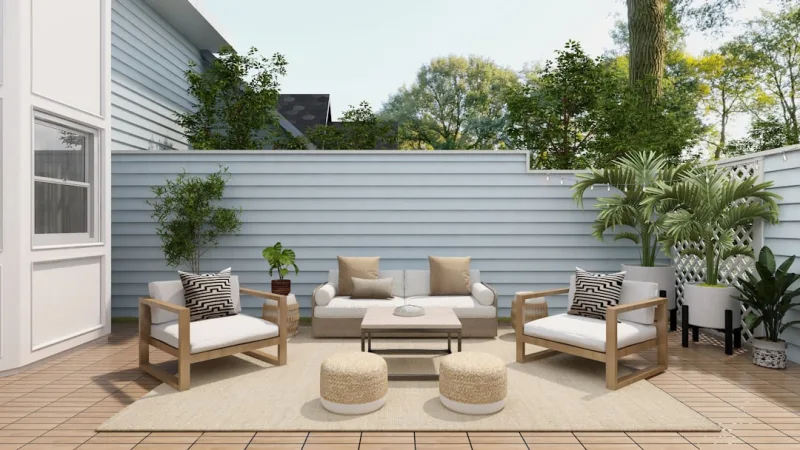
At its core, minimalist design celebrates clean lines, neutral color palettes, and natural materials. Think uncluttered surfaces, a limited color scheme typically featuring whites, grays, blacks, and earth tones, and furniture pieces that serve multiple purposes. It's about negative space—the empty space is just as important as the pieces you choose. A minimalist patio doesn't feel empty or cold; instead, it feels peaceful, spacious, and inviting.
Why should you care about this approach? Modern life is chaotic. Your home, especially your outdoor space, should be a refuge. A minimalist patio requires less maintenance, less money spent on unnecessary decor, less visual clutter, and ultimately, more time to actually enjoy being outside. You're not fighting through a jungle of decorative items to find a place to sit and relax.
Common mistakes we see people make when attempting minimalist patio design include: buying cute items just because they're on sale without considering how they fit your overall vision, choosing overly trendy pieces that won't age well, overcrowding the space with multiple seating areas when you really just need one, using too many different materials instead of sticking to a cohesive palette, and forgetting about functionality. The most successful minimalist patios start with a clear purpose: What do you actually want to do here? Entertain? Read? Garden? Meditate? Once you know your answer, every design decision becomes clearer.
Planning Guide for Minimalist Patio Decor for Modern Homes
Before you purchase a single cushion or paint a single surface, planning is everything. A well-planned minimalist patio design process prevents impulse purchases, ensures cohesion, and helps you stay within budget. Start by assessing your current space. What size is your patio? What's the existing condition? What direction does it face—morning sun, afternoon heat, shade? Understanding these fundamentals shapes every decision you'll make.
Next, define your color palette. The beauty of minimalism is simplicity here. Choose your primary color (usually a neutral like white, gray, or beige), your secondary color (another neutral or a muted tone), and decide if you'll add one accent color. This restraint creates visual harmony. Think about your home's existing architecture and siding color—your patio should feel connected to your house, not like a separate entity.
 Budget Apartment Renovation: DIY Hacks That Actually Work
Consider your lifestyle. Will you entertain groups, or is this primarily for solo relaxation? Do you want to garden, exercise, meditate, or dine? Your activities determine furniture needs. A meditation space needs minimal furniture and lots of open floor space. An entertaining area needs comfortable seating arranged conversationally. A dining space needs a sturdy table and proper lighting. Understanding this prevents buying pieces that don't serve you.
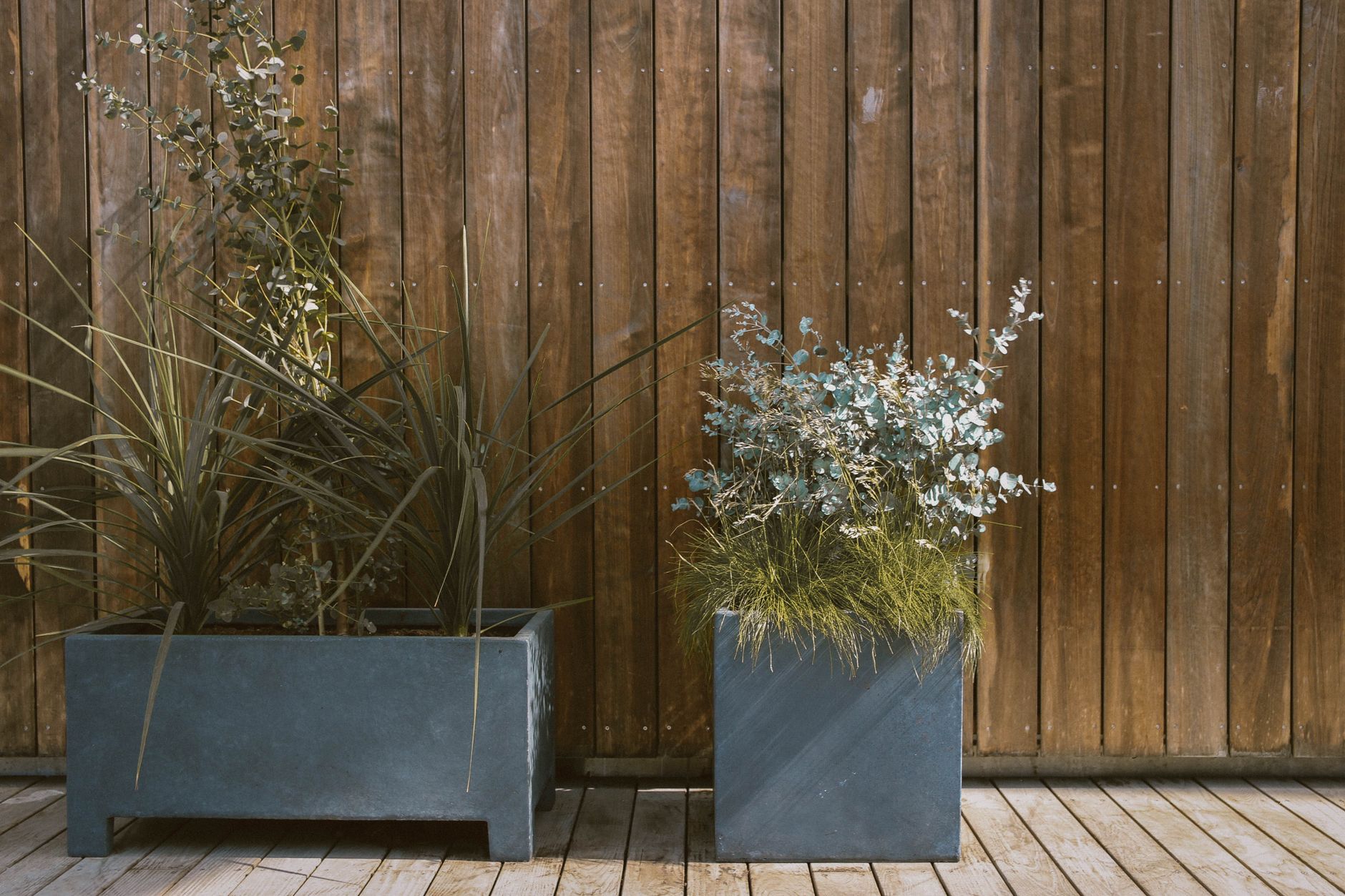
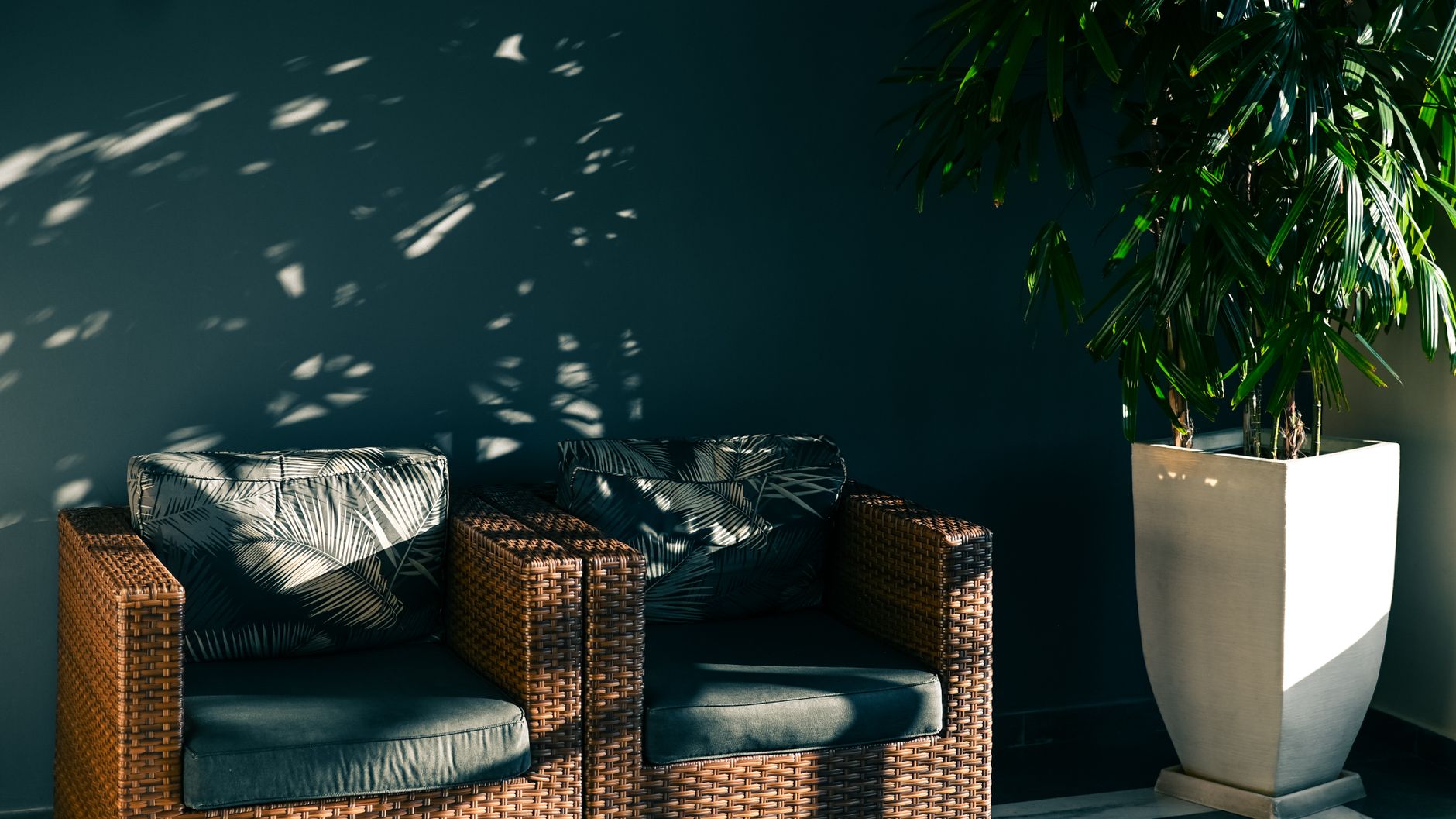
Finally, think about materials and textures. Minimalism thrives on natural materials: wood, concrete, stone, metal, and perhaps some quality outdoor fabric. These materials age beautifully and feel authentic. Create visual interest through texture variation rather than pattern or color explosion—smooth concrete paired with rough-hewn wood, sleek metal alongside soft cushions.
Planning Checklist for Your Minimalist Patio Project
- Measure your space: Width, length, and note any permanent structures or shade patterns
- Determine primary use: Entertainment, relaxation, dining, gardening, or combination
- Select color palette: Choose primary neutral, secondary neutral, and optional accent color
- Assess sunlight: Map sun patterns throughout the day for furniture and shade planning
- List must-have items: Seating, table, shade element, lighting—prioritize by importance
- Budget allocation: Decide percentages for furniture, flooring, landscaping, and accessories
- Material selections: Choose 2-3 primary materials (wood, concrete, metal, stone) for cohesion
- Establish timeline: Will you do this in one weekend or phase over several months?
Budget Breakdown
← Scroll to see full table →
| Under $50 | Item | Price |
|---|---|---|
| Outdoor Throw Pillows (set of 2) | Target/Amazon | $20-$45 |
| Modern Outdoor Planters (ceramic) | IKEA/Target | $15-$40 |
| LED String Lights (warm white) | Amazon | $25-$45 |
| Outdoor Rug (3x5, neutral) | Amazon/Target | $35-$50 |
| $50-$200 Items | ||
| Modern Metal Accent Chair | IKEA/Amazon | $80-$150 |
| Concrete or Composite Side Table | Target/The The Home Depot | $60-$180 |
| Outdoor Bench (wood or metal) | IKEA/Better Homes & Gardens and Gardens | $100-$200 |
| Outdoor Storage Box (deck box) | The Home Depot/Amazon | $75-$195 |
| $200+ Premium Items | ||
| Outdoor Sectional or Lounge Set | Wayfair/Amazon | $400-$1200 |
| Modern Dining Table (4-6 person) | The Home Depot/Target | $300-$800 |
| Retractable Shade Awning | The Home Depot/Amazon | $250-$600 |
| Built-in Pergola or Shade Structure | Professional Installation | $1000+ |
Budget-smart decorating doesn't mean sacrificing style—it means being intentional. Start with foundational pieces (good seating, a table, shade) before accessories. Quality matters more than quantity; one beautiful chair you love beats five mediocre ones. Shop sales strategically: Target and Amazon have excellent outdoor deals during spring and late summer. IKEA offers surprisingly good minimalist pieces at accessible prices. The Home Depot and Better Homes and Gardens have excellent seasonal sales. Don't rush purchases; if you love something, save for it. Rushing usually leads to impulse buys you regret.
Consider DIY options for budget stretching. A coat of paint transforms old furniture. Concrete can be stained or sealed yourself. Pavers or composite decking can be installed as a weekend project. Building your patio gradually means each piece gets your full attention and approval. You'll spend less overall and end up with a more cohesive, thoughtfully designed space that truly reflects your vision.
Step-by-Step Guide
Step 1: Define Your Space and Clear Clutter
Begin by completely clearing your patio. Remove everything—furniture, planters, decorations, the lot. This blank canvas approach lets you see your space with fresh eyes. Take measurements while it's empty: length, width, any permanent structures, sun exposure patterns. Note problem areas: shady corners, awkward angles, drainage issues. Take photos of your patio in morning light, midday, and late afternoon to understand sun patterns. This information becomes crucial for furniture placement.
Step 2: Decide on Your Color Palette
Select your colors now, before purchasing anything else. Minimalist patios typically use two neutral colors plus optional accent. Examples: white and gray with charcoal accents; beige and cream with natural wood tones; light gray and black with weathered wood. Look at your home's exterior, roof color, and siding. Your patio should flow visually from your house. Create a mood board on Pinterest or in a notes app with your color palette and reference images. This prevents impulse purchases that clash with your vision.
Step 3: Plan Your Furniture Layout
Determine your patio's primary function. Will people gather in groups, or is this for solo relaxation? Create a simple floor plan sketch (paper or app). Place your essential piece first—usually seating. In minimalist design, less is more. Instead of multiple seating clusters, consider one high-quality arrangement. Ensure clear pathways with at least 2-3 feet of walking space. Arrange furniture to encourage your intended activity: conversation groups face each other; meditation spaces have clear, open areas; dining spaces position the table for sunset views. Leave breathing room; overcrowding defeats the minimalist purpose.
Step 4: Refresh or Select Your Flooring
Your patio floor is foundational—literally. If you have aging concrete, consider a fresh seal or concrete stain in a neutral tone. Composite decking offers a modern, low-maintenance option. Pavers in uniform size and neutral color add structure without pattern chaos. If your budget doesn