Minimalist Bathroom Upgrade for Cozy Homes: Transform Your Space Without the Clutter
Listen, I get it — bathrooms in cozy homes can feel cramped, chaotic, and honestly? A little depressing when you're staring at years of accumulated stuff while you're just trying to brush your teeth. But here's the thing: a minimalist bathroom upgrade doesn't mean sterile or cold. It means intentional, peaceful, and actually functional. I've seen too many people mistake "minimalist" for "empty," and that's where things go wrong.
Over the past five years working with homeowners on bathroom renovations, I've discovered that the best bathroom upgrades aren't about expensive fixtures or trendy tiles — they're about creating a space that feels like a personal retreat. When you strip away the excess and keep only what genuinely serves you, something magical happens. Your morning routine becomes meditative instead of stressful. You actually want to spend time in there.
In this guide, I'm walking you through a realistic minimalist bathroom upgrade that works for actual cozy homes — you know, the ones with tight layouts and character but not exactly spa-like square footage. We're talking achievable updates that'll cost between $800 and $2,500, depending on what you prioritize.
What You'll Need
Before you start, gather your materials. I've sourced everything from places like The The Home Depot and other accessible retailers because I believe good design shouldn't require specialty shops.
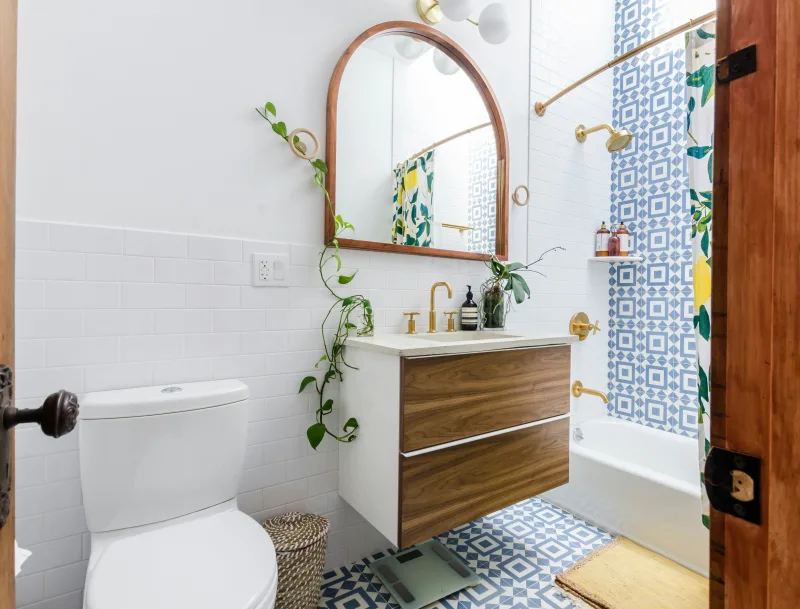
- Floating vanity or wall-mounted sink — $300–$600 (creates the illusion of more floor space)
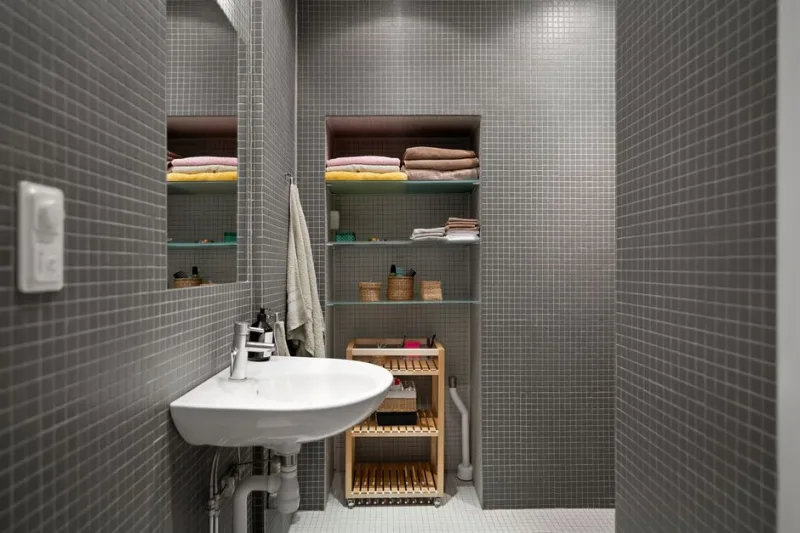
- Recessed shelving unit — $150–$300 (built into the wall, not hanging on it)
- Ceramic subway tiles for backsplash — $100–$200 for materials
- Minimalist faucet fixture — $120–$300 (clean lines, single-handle preferably)
- Frameless mirror — $80–$200 (larger feels less cramped)
- Neutral paint — $30–$60 (soft whites, warm grays, or pale greiges)
- Hardware and mounting supplies — $50–$100
- Grout and adhesive — $40–$80
- Caulking, primer, and sealant — $30–$50
- Minimalist storage containers or baskets — $60–$150
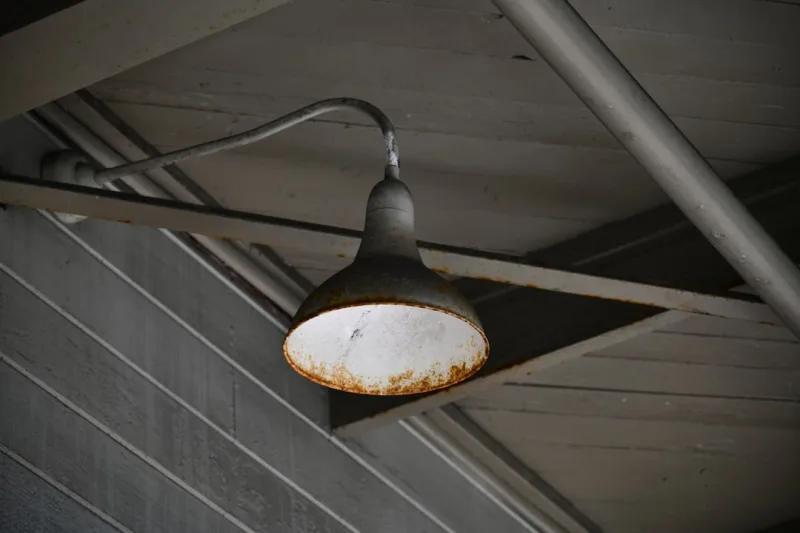
- LED lighting fixture — $100–$250 (dimmable is game-changing)
Step-by-Step Guide
Step 1: Plan Your Layout and Measure Everything
Seriously, don't skip this. I've watched people rip out vanities only to realize the new one won't fit. Measure your bathroom width, length, ceiling height, and note where your plumbing sits. Take photos from different angles. This isn't glamorous, but it's absolutely critical. If you're planning a floating vanity, you need to locate your wall studs and existing plumbing lines.
Step 2: Remove Old Fixtures (If Applicable)
Turn off the water supply first — honestly, this seems obvious, but I've seen it happen. Drain the lines, disconnect your old vanity and mirror, and carefully remove any outdated shelving. Patch holes where needed with spackle. If you're keeping the toilet, that's fine — just work around it. The goal here is creating a clean slate.
Step 3: Paint Your Walls and Ceiling
Paint is the cheapest transformation, and minimalist spaces really benefit from thoughtful color choices. I'm talking warm whites, soft grays, or subtle greige tones — nothing too stark. Use quality primer (especially if covering darker colors) and invest in decent paint from a reputable brand. Two coats minimum. This step transforms the entire feel before you even add new fixtures.
Step 4: Install Your Floating Vanity
Find those wall studs and use heavy-duty mounting brackets rated for your vanity's weight plus water supply weight. Install the brackets at the correct height — standard is 30–32 inches to the countertop. Once mounted securely, position your vanity and secure it. This is where the magic happens: suddenly your small bathroom feels spacious. The open floor below changes everything.
Step 5: Install or Upgrade Your Faucet
If you're replacing your faucet, turn off water, disconnect the old one, and install the new fixture according to manufacturer instructions. Single-handle faucets are more minimalist than double handles. Make sure connections are tight and test for leaks before you consider this step done.
Step 6: Mount Your Frameless Mirror
A larger mirror makes compact bathrooms feel bigger. Install it above your vanity at eye level or slightly higher. Use appropriate wall anchors if you're not hitting studs, and make sure it's secure — mirrors are heavy, and bathroom humidity requires solid installation.
Step 7: Add Recessed or Wall-Mounted Shelving
Recessed shelves are genius for minimalist bathrooms because they don't eat into floor space. If recessing into walls isn't possible (rental, complicated plumbing), floating shelves work — just keep them to one or two. The key is restraint. Each shelf should hold maybe five items maximum. Not thirty.
Step 8: Install New Lighting
 Budget Apartment Renovation: DIY Hacks That Actually Work
Dim, yellowy bathroom lighting is nobody's friend. Install dimmable LED fixtures that feel bright during the day but won't blind you at night. Modern LED lights last forever and cut energy costs. Honestly, this upgrade alone makes people feel like they've renovated.
Step 9: Add Backsplash Tile (Optional But Recommended)
A simple subway tile backsplash behind the sink area adds visual interest without clutter. Apply adhesive, position tiles with spacers, let cure for 24 hours, then grout. Keeps water off your walls and looks intentional. Minimalist, even.
Step 10: Curate Your Storage
This is where minimalism actually happens. Only keep what you use regularly. Everything else? Store elsewhere. Use neutral baskets or containers for toothbrushes, hair products, and daily essentials. Each item should have a place. Empty counter space is the luxury here.
Pro Tips
Light colors reflect light: In small bathrooms, pale walls and light fixtures make everything feel bigger and brighter. I learned this the hard way with a dark gray experiment. Never again.
Declutter before you decorate: Too many people upgrade their bathroom and immediately fill it with candles, plants, and decorative items. Resist. A truly minimalist bathroom has maybe three decorative elements. That's it. Let the clean lines and materials speak.
Ventilation matters more than you think: Moisture in minimalist bathrooms shows everything — water spots, dust, streaks. Upgrade your exhaust fan if possible and wipe down surfaces regularly. It's part of the minimalist commitment.
Look at HGTV and Better Homes & Gardens & Gardens for inspiration: Before starting, spend time looking at actual bathroom renovations. Pin images that resonate with you. This prevents regret later.
Quality over quantity with finishes: A single beautiful faucet beats three mediocre ones. Same with hardware, mirrors, and light fixtures. Choose fewer pieces but make them count.
Cost Breakdown
← Scroll to see full table →
| Item | Low Estimate | High Estimate |
|---|---|---|
| Floating Vanity & Sink | $300 | $600 |
| Paint & Primer | $30 | $60 |
| Frameless Mirror | $80 | $200 |
| Faucet Fixture | $120 | $300 |
| Recessed Shelving | $150 | $300 |
| Lighting Fixture (LED) | $100 | $250 |
| Backsplash Tile & Install | $100 | $200 |
| Storage Containers | $60 | $150 |
| Hardware, Caulk, Grout | $100 | $200 |
| TOTAL | $1,040 | $2,260 |
FAQ
Can I do this upgrade in a rental bathroom?
Absolutely. Skip permanent installations like recessed shelving and focus on paint, removable mirror, and potentially a pedestal sink instead of a floating vanity. Paint is usually acceptable in rentals (check your lease), and you're creating a beautiful space without losing your security deposit.
How long does this renovation actually take?
If you're a DIY person doing most of the work, expect 3–4 weekends of solid effort. Some steps (like paint drying or tile curing) require waiting time, so you can't do it all in one marathon session. If you hire out plumbing or tile work, it