Cozy Home Office Renovation for Modern Homes: Create Your Dream Workspace
There's something magical about settling into a workspace that feels like an embrace. If you're like most of us working from home, you know that your office isn't just about productivity—it's about creating a sanctuary where you actually want to spend your time. A cozy home office renovation can transform that spare bedroom or awkward corner into a beautiful, inviting space that makes you excited to start your workday. I've noticed so many of you pinning gorgeous home office setups, and honestly, creating that perfect blend of comfort and functionality is totally achievable. Whether you're starting from scratch or refreshing what you've got, this guide will help you design an office that's both stunning and deeply satisfying to work in every single day.

In this comprehensive guide, you'll discover everything you need to know about creating a cozy home office that works perfectly for modern living. We'll walk through the planning process, explore budget-friendly options that don't compromise on style, and share step-by-step instructions for transforming your space. You'll learn which styles and products work best for creating that warm, inviting atmosphere while maintaining modern functionality. We'll also share expert tips from interior designers and home improvement professionals, plus answer your burning questions about home office design. By the end, you'll have a clear roadmap to create a workspace that's not just beautiful, but also supports your best work.
Understanding Cozy Home Office Renovation for Modern Homes
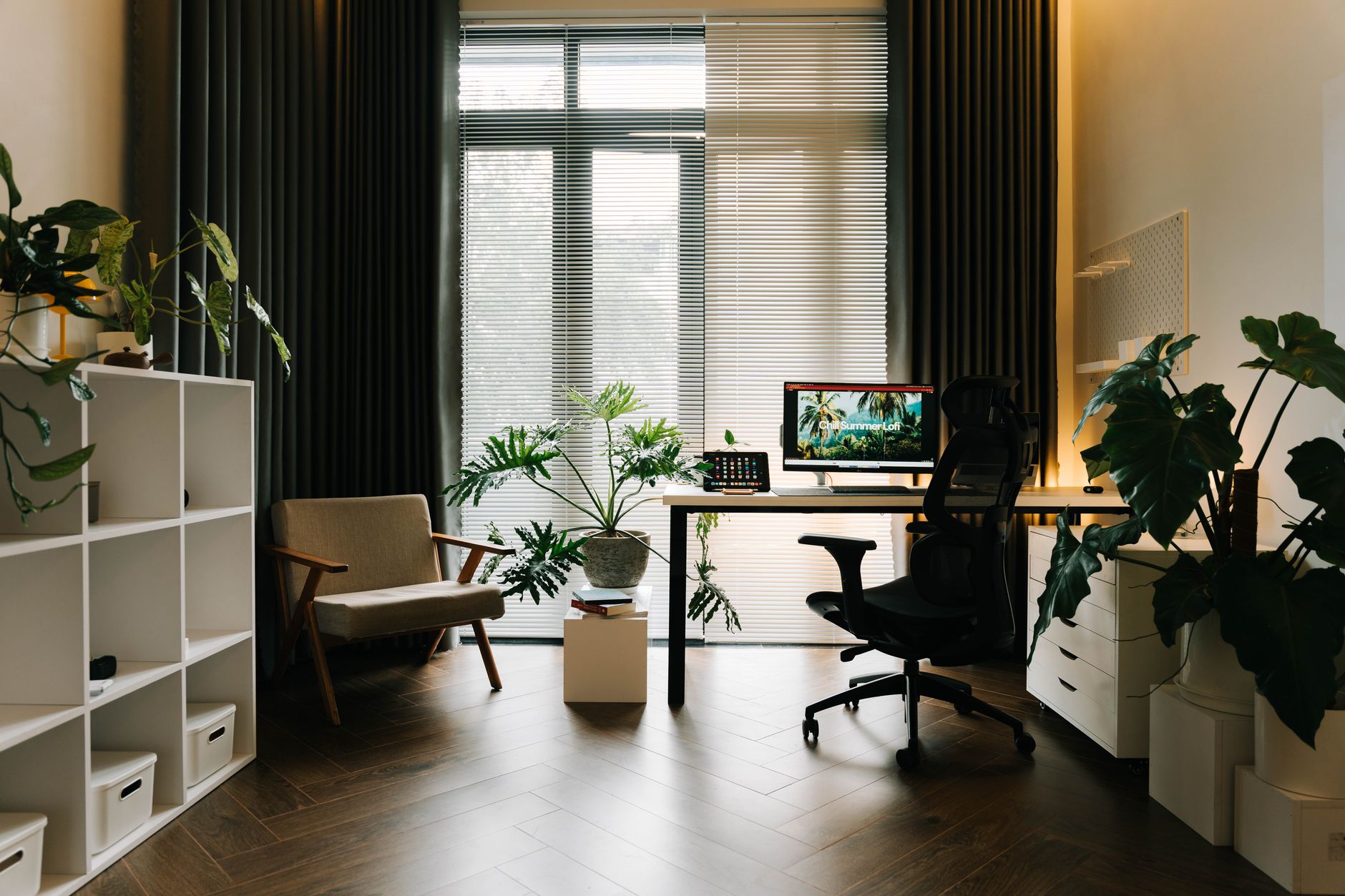
A cozy home office renovation is all about creating a balanced workspace that feels warm and welcoming while maintaining the clean, streamlined aesthetic of contemporary design. It's not about sacrificing functionality for comfort or vice versa—it's about finding that sweet spot where both thrive beautifully together. The modern cozy home office has become essential as more of us embrace remote work and hybrid schedules. Unlike sterile corporate offices, a cozy workspace acknowledges that we're humans who need comfort, inspiration, and a touch of personality to do our best work.
The importance of this renovation cannot be overstated. Studies show that our work environment directly impacts productivity, creativity, and overall well-being. When your office feels cozy and inviting, you're more likely to tackle challenging projects with enthusiasm and spend those long work hours feeling energized rather than drained. A well-designed home office also blurs the line between a functional workspace and a room you genuinely enjoy being in—something that's crucial when work and home share the same space.
Common mistakes we see people make include prioritizing aesthetics over ergonomics, choosing trendy pieces that clash with the rest of their home, neglecting proper lighting, and trying to force a cozy vibe into a space that's too cramped or poorly organized. Some people also make the mistake of keeping their office completely separate from their home's design language, which creates a jarring disconnect. Another frequent error is underestimating the power of small touches—sometimes the most transformative renovations aren't about major overhauls, but rather thoughtful additions that layer comfort and style together. The best approach combines practical planning, intentional design choices, and personal touches that make the space feel authentically yours.
Planning Guide for Cozy Home Office Renovation for Modern Homes
Before you start shopping or moving furniture around, spend time really thinking about what your ideal office space looks like and how it needs to function. Good planning is the difference between a renovation that looks Pinterest-perfect but doesn't work for your actual life, and one that truly serves you day after day. Start by assessing your current space—measure everything, note the natural light sources, identify electrical outlets, and think about traffic flow. Consider your daily work habits: Do you need space for video calls? Will you have clients visiting? How much storage do you truly need? These questions shape every decision you'll make.
Next, establish your style direction. Are you drawn to industrial elements with exposed brick and metal accents? Does Scandinavian minimalism with light woods and neutral tones speak to you? Maybe you're more of a maximalist who wants rich colors and layered textures? Understanding your aesthetic preferences before you start shopping prevents buyer's remorse and ensures cohesion. Think about how your office will connect with the rest of your home. If your living room is farmhouse rustic, jumping to ultra-modern in your office creates visual chaos. You want your office to be a natural extension of your home's overall design language.
Create a mood board—this is where Pinterest becomes your actual planning tool! Collect images of spaces that make you feel inspired, then look for patterns. What colors keep appearing? What textures resonate with you? What furniture styles do you gravitate toward? This visual research is invaluable. Finally, make a prioritized list of what matters most to you: maybe it's natural light, storage, a comfortable chair, or a specific color palette. Not every project can do everything, so knowing your top three priorities helps you make smart choices when budgets get tight.
Pre-Renovation Planning Checklist
- Measure your space: Length, width, height, and any architectural features
- Document natural light: Note windows, direction of light, and times when space is brightest
- Locate utilities: Electrical outlets, switches, and cable connections
- Identify storage needs: Papers, supplies, equipment, and personal items you need accessible
- Create a mood board: Collect 20-30 images of offices that inspire you
- Define your work style: Minimalist, maximalist, eclectic, traditional, modern, or mixed
- Assess your budget: Total amount available and priorities for spending
- Plan your timeline: When you want the project complete and how to manage disruption

Budget Breakdown
 Budget Apartment Renovation: DIY Hacks That Actually Work
Creating a cozy home office doesn't require breaking the bank—smart shopping and strategic splurges make all the difference. Most successful renovations use a mix of budget-friendly basics and thoughtful investments in pieces you'll use every single day. The key is knowing where to spend and where to save. Generally, you want to invest in ergonomic basics like your chair and desk, while spending less on decorative elements you can change seasonally.
← Scroll to see full table →
| Under $50 | Items & Prices |
|---|---|
| Wall Art & Decor | Framed prints ($15-25), fabric wall tapestry ($20-30), floating shelves ($30-45) |
| Lighting | Desk lamp from Target ($25-40), LED string lights ($15-20) |
| Plants & Greenery | Live plants ($10-25), planters ($8-20), faux plants for easy care ($15-40) |
| Textiles | Throw blanket ($20-35), area rug ($30-50), throw pillows ($15-25) |
| Storage Bins | Decorative baskets ($15-35), file organizers ($20-40) |
← Scroll to see full table →
| $50-$200 | Items & Prices |
|---|---|
| Desk | IKEA simple desk ($80-150), reclaimed wood from The The Home Depot ($100-180) |
| Chair Cushion | Memory foam seat cushion ($50-80), desk chair upgrade ($80-150) |
| Paint | Interior paint with primer ($50-120 for walls) |
| Bookshelf | IKEA Billy bookcase ($60-100), Target wood shelving ($80-150) |
← Scroll to see full table →
| $200+ | Items & Prices |
|---|---|
| Ergonomic Chair | Quality office chair ($250-500), Herman Miller style ($300-800) |
| Large Desk | L-shaped or executive desk ($250-600), standing desk ($300-1000) |
| Flooring | Large area rug ($200-500), vinyl plank flooring ($300-700) |
| Lighting System | Professional desk lamp with multiple settings ($150-300), overhead lighting upgrade ($200-400) |
Smart spending strategies start with prioritizing items you'll use daily. Your chair deserves investment since you'll sit in it for hours—a quality ergonomic chair ($250-500) prevents back problems and genuinely improves your work experience. Your desk is another important splurge, especially if you're working from this space full-time. Beyond those foundational pieces, look for bargains on decorative items. Big-box retailers like Target, IKEA, and The Home Depot offer beautiful pieces at accessible prices. Don't overlook secondhand options either—Facebook Marketplace, Craigslist, and local antique shops often have stunning vintage pieces at fraction of retail cost. This is especially true for bookshelves, side tables, and accent chairs that add character without the price tag.
Another money-saving strategy is the phased approach: don't try to complete everything at once. Maybe Month 1 you paint and get your major furniture in place, Month 2 you add lighting and textiles, and Month 3 you accessorize with art and plants. This spreads costs and lets you live in the space before committing to every detail. You'll make better decisions after using the space for a while. Finally, maximize free or nearly-free improvements: organizing what you already have, rearranging for better natural light, and using what you own to decorate can take you surprisingly far before spending a dime.
Step-by-Step Guide
Step 1: Prepare Your Space and Plan Layout
Start by clearing your office completely if possible—remove everything so you're working with a blank canvas. This is your chance to deep clean, patch any wall holes, and assess what truly needs attention. Measure your space precisely and sketch a layout plan. Consider traffic flow, natural light, and where you'll place your desk for optimal sightlines. Most designers recommend positioning your desk facing the door (or toward a window if no door) rather than backing into the room, as this creates a more commanding, confident position. Leave adequate space for a guest chair if you have client calls, and ensure your chair can pull back without hitting walls or other furniture.
Step 2: Choose Your Color Palette
Select colors that feel cozy while keeping the space feeling open and modern. Warm neutrals like soft greiges, warm whites, or subtle taupe create a soothing foundation. Add depth with an accent color—maybe a sage green accent wall, dusty blue, warm terracotta, or rich charcoal. The 60-30-10 rule works beautifully: 60% neutral base, 30% secondary color, 10% accent color through accessories. Remember that color dramatically affects mood. Cool blues and greens promote calm focus, while warm oranges and yellows create energy and creativity. Consider your own emotional response to colors—if you light up seeing a particular shade, it probably belongs in your space.
Step 3: Paint and Major Wall Updates
Fresh paint transforms a space more dramatically than almost any other single change, and it's surprisingly affordable. Choose high-quality paint that won't need repainting in a year—Benjamin Moore and Sherwin-Williams offer excellent options. Paint is easier than you might think: primer with paint included covers most situations, and proper technique (cutting in carefully, rolling methodically) gives professional results. If you're hesitant, many stores offer application services. This is also the time to add floating shelves, wall-mounted storage, or create an accent wall that becomes your focal point. The Home Depot has excellent installation services if you'd prefer professional help.