High End Home Office Makeover for Cozy Homes: Transform Your Space Without Breaking the Bank
Look, I get it. Working from home used to mean setting up a desk in the corner of your bedroom or squeezing into a cramped nook under the stairs. But honestly? Those days are gone. More of us are realizing that our home offices deserve just as much love and attention as our living rooms — maybe even more, since we're spending eight hours a day in there.
Here's the thing about a high-end home office makeover in a cozy space: it's not about having a sprawling corner office with floor-to-ceiling windows (though wouldn't that be nice?). It's about making smart choices with your square footage, investing in the right pieces, and creating an environment that actually makes you want to sit down and crush your work. I'm talking about that sweet spot where functionality meets luxury without drowning in price tags.
Whether you're working with a small bedroom, a closet-sized den, or just a dedicated corner in your living area, this guide walks you through exactly how to create an inspiring, upscale home office that feels spacious, sophisticated, and absolutely cozy. Let's get started.
What You'll Need
Before we dive into the transformation, let's talk about the materials and pieces that'll make the biggest impact. I've broken this down into essentials — the stuff that truly matters for a polished, high-end feel.
- Ergonomic Office Chair — $300-600 (This is non-negotiable. Your back will thank you.)
- Premium Desk or Floating Shelves — $200-800 (Depends on size and material)
- Adjustable Task Lighting — $80-200 (Brass or matte black finishes look incredibly chic)
- Area Rug — $100-300 (Defines the space and adds texture)
- Wall Paint or Wallpaper — $40-150 (A good quality paint goes a long way)
- Floating Shelves — $60-200 (For storage and display)
- Desk Accessories — $75-200 (Organizers, desk lamp, pencil holder)
- Curtains or Window Treatment — $50-250 (Light filtering options work great)
- Wall Art and Mirrors — $100-300 (Makes small spaces feel larger)
- Plants and Planters — $40-100 (Biophilic design is real)
- Primer and Finishing Supplies — $30-80 (Don't skip the primer!)
Step-by-Step Guide
Step 1: Assess Your Space and Plan the Layout
Before you buy anything, spend some time actually looking at your room. Measure everything. Seriously — grab a tape measure and note the dimensions of your walls, windows, and any awkward angles. Small spaces are all about strategy, and the wrong desk placement can make your room feel like a shoebox.
I always recommend floating your desk away from the wall if you have room. It creates definition and makes the space feel more intentional. If you're tight on square footage, a wall-mounted floating desk or a corner desk can be your best friend. Take photos and maybe even sketch out a few options. You'll be amazed at what feels right once you visualize it.
Step 2: Paint Your Walls (The Foundation)
This is where the magic happens. A fresh coat of paint transforms everything — and I'm not just talking aesthetically. The right color actually affects your mood and productivity.
For cozy spaces, I'm a huge fan of warm neutrals: soft whites, warm grays, greige (that gorgeous gray-beige blend), or even muted sage green. If you want something bolder, deep navy or charcoal gray can feel incredibly sophisticated in a smaller room — just make sure you have enough light.
Pro tip: Use a high-quality paint from a trusted brand. Hit up The The Home Depot and grab primer, too. Apply two coats of primer before your paint color. It makes a difference you'll actually see, and your finish will look genuinely professional.
Step 3: Invest in Your Seating
I cannot stress this enough: do not cheap out on your office chair. You're sitting in it for hours. An ergonomic chair with proper lumbar support, adjustable height, and quality materials will last you years and keep your spine happy. Look for options with mesh backing or quality upholstery in neutral tones so it fits your design aesthetic.
Step 4: Choose and Position Your Desk
 Budget Apartment Renovation: DIY Hacks That Actually Work
The desk is your workspace centerpiece. Depending on your room size, you might go with a sleek 48-inch desk, a corner setup, or even a wall-mounted floating option. I'm partial to natural wood or matte black metal finishes — they both photograph beautifully and feel timeless.
Position it near natural light if possible. If not, we'll solve that with lighting. Make sure you have enough surface area for your computer, a cup of coffee, and a few essentials — no more, no less.
Step 5: Layer Your Lighting
This is crucial. You need three types of lighting: ambient (overhead), task (desk lamp), and accent (for mood). A good adjustable desk lamp with warm LED bulbs ($80-150) is worth every penny. Pair it with a dimmer-controlled overhead light or a statement pendant lamp, and you've got yourself a professional-looking setup.
Better Homes & Gardens & Gardens has some fantastic resources on lighting design if you want to dive deeper.
Step 6: Add Storage Solutions
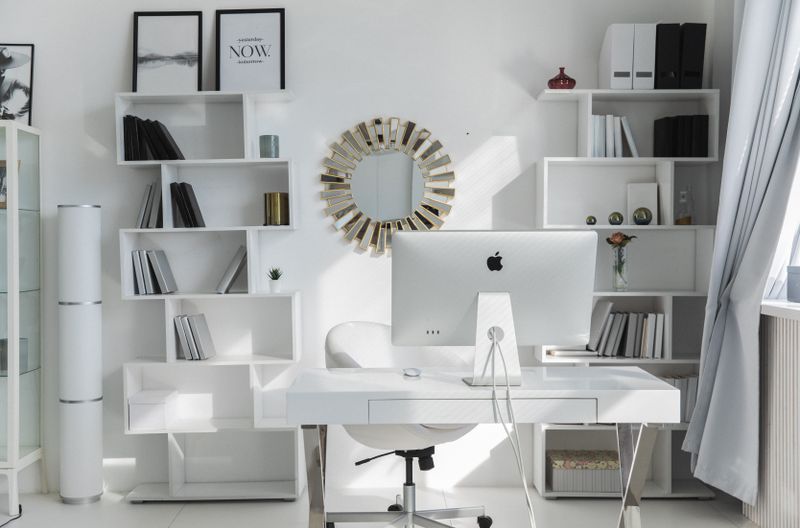
Floating shelves are game-changers in small spaces. They keep clutter off your desk (which instantly makes everything feel more zen) while adding visual interest to your walls. Install them above or to the side of your desk, and style them with books, decorative boxes, and a few personal touches.
Step 7: Define the Space with an Area Rug
Even if your office is just a corner of a larger room, an area rug anchors the space and makes it feel intentional. Choose something with subtle pattern or solid color that complements your palette. A 5x7 or 6x9 rug works beautifully for most cozy home offices.
Step 8: Incorporate Window Treatments
Curtains or blinds do way more than block light — they add polish and control glare on your screen. Go for linen or cotton blends in neutral tones. Light-filtering options let you control light without going full blackout, which is perfect for work-from-home scenarios.
Step 9: Bring in Visual Interest with Art and Mirrors
Mirrors are secret weapons in small spaces. A large mirror opposite or next to a window bounces light and makes everything feel bigger. Add 2-3 pieces of wall art that speak to you — whether that's abstract prints, botanical illustrations, or photography. Keep it cohesive with your color scheme.
Step 10: Add Life with Plants
A few low-maintenance plants (pothos, snake plant, monstera) instantly boost the vibe. They improve air quality, add color, and honestly? They make you feel calmer when you're stressed about deadlines.
Pro Tips
- Invest in Cable Management: Trust me, nothing kills the luxury vibe faster than a tangled mess of cords. Use cable trays, clips, or decorative boxes to hide wires. It's the difference between "I tried" and "this is actually stunning."
- Go Vertical When Space is Tight: Wall-mounted shelves, pegboards, and hanging organizers keep your desk surface clear and your room feeling spacious. The Home Depot has endless options.
- Layer Textures: A cozy office needs variety. Mix wood, metal, fabric, and plants. This prevents the space from feeling sterile or one-note.
- Keep Your Desk Minimal: The fewer things on your desk, the more expensive and intentional it feels. Keep only essentials within arm's reach. Everything else goes on shelves or in drawers.
- Use Warm Lighting: Avoid harsh white lights. Warm white (2700K) or soft white bulbs create a welcoming, luxury feel. Your eyes will also thank you.
- Choose Quality Over Quantity: One beautiful desk lamp beats three cheap ones. One statement chair beats a collection of mismatched seating. This is the high-end philosophy.
- Add Personal Touches Thoughtfully: A framed photo, a treasured book, a small sculpture — these should be intentional, not cluttered. Quality over quantity, remember?
Cost Breakdown
← Scroll to see full table →
| Item | Low Budget | Mid Budget | Premium |
|---|---|---|---|
| Office Chair | $300 | $500 | $800+ |
| Desk | $200 | $500 | $1,200+ |
| Lighting | $100 | $200 | $400+ |
| Paint & Supplies | $50 | $100 | $150 |
| Shelving | $80 | $200 | $500+ |
| Area Rug | $100 | $200 | $500+ |
| Curtains |