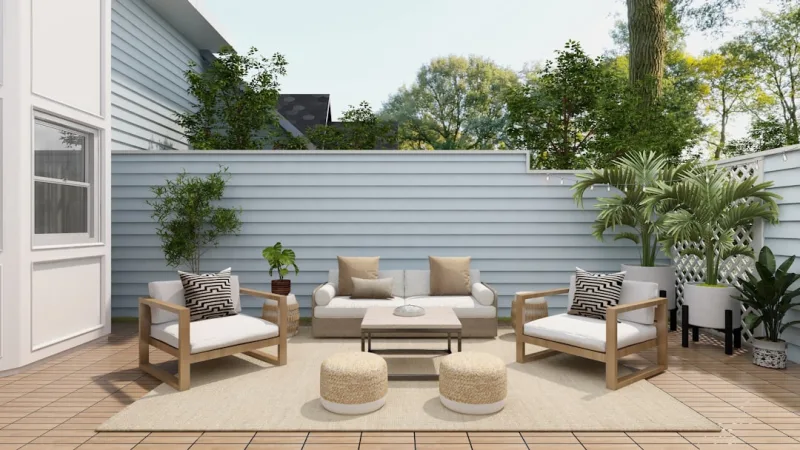
Minimalist Patio Storage That Actually Looks Expensive (But Won't Break the Bank)
Here's the thing about outdoor storage — most people think it has to be this big, bulky eyesore that screams "I have too much stuff." But what if I told you that you could have a sleek, minimalist storage solution that actually makes your patio look like it belongs in an interior design magazine? Because honestly, that's totally possible, and it doesn't require spending a fortune at luxury home stores.
I've spent years transforming patios for friends and family, and the secret isn't about having the most expensive materials or hiring a contractor. It's about understanding proportion, clean lines, and choosing materials that photograph well and age beautifully. Minimalist design is actually the ultimate budget hack — when you strip away all the unnecessary stuff, quality becomes the focus. And that's where the "expensive" look comes from.
In this guide, I'm going to walk you through creating minimalist patio storage that'll make your neighbors ask where you bought it. We're talking natural materials, intentional design, and smart DIY tricks that deliver maximum impact for minimal cash outlay. Let's get started.
What You'll Need
Before we dive into the fun part, let's talk materials. I always recommend grabbing most of these from The The Home Depot — their selection is solid and prices are competitive.
- Cedar or Teak Plywood Sheets (¾ inch) — $45-65 per sheet (quantity depends on box size)
- Wood Stain or Outdoor Paint (Benjamin Moore, Sherwin-Williams) — $35-50 per gallon
- Stainless Steel Hardware (hinges, handles, corner brackets) — $30-80 depending on quantity
- Wood Screws (1.25" and 2.5" exterior-grade) — $12-18 per box
- Wood Filler (outdoor-rated) — $8-12
- Sandpaper Variety Pack (120-220 grit) — $10-15
- Weatherproof Sealant (Minwax or Varathane exterior) — $15-25
- Hinges (heavy-duty stainless steel, 2-4 needed) — $40-70
- Adjustable Feet or Concrete Pads — $20-30
- Optional: Metal corner guards — $15-25
Step-by-Step Guide
Step 1: Plan Your Design and Take Measurements
This is where I see most DIYers stumble. Spend time actually measuring your patio space — not just how big your storage needs to be, but how it'll sit proportionally in the space. A storage box that's too tall throws off the whole aesthetic. I usually aim for boxes that are roughly 18-24 inches tall and 36-48 inches wide. Sketch it out, even if it's just rough notes. Better Homes & Gardens & Gardens has fantastic design inspiration if you need visual references.
Step 2: Cut Your Wood Pieces
Here's where your plywood comes in. You'll need front and back panels, two sides, a bottom, and a top — basically the skeleton of your storage box. If your local Home Depot has a cut service (most do), use it. Saves time and honestly guarantees straight cuts. I always go 1/4 inch under my target measurements to account for the wood thickness when assembling.
Step 3: Prep Your Wood
Sand everything with 120-grit paper first, then 180-grit. This is tedious but absolutely necessary for that high-end look. Rough wood reads as cheap. Smooth wood reads as intentional. Fill any gaps or imperfections with outdoor wood filler, let it dry completely, then sand again. You want your surfaces butter-smooth before any stain or paint touches them.
Step 4: Apply Your Finish
Pick either a natural wood stain (I'm obsessed with warm grays and honey tones right now) or a premium outdoor paint in whites, blacks, or charcoal. Apply thin, even coats — three thin coats beat one thick coat every single time. Let each coat dry fully before sanding lightly between applications. This builds a professional-looking finish that'll last years, not months.
Step 5: Assemble the Box
Lay out your pieces on a flat surface and dry-fit everything first (no screws, just test fit). This is your chance to make sure doors will open properly and nothing's warped. Once you're happy, pre-drill all your screw holes — this prevents wood splitting and is a total game-changer for a polished look. Use stainless steel screws (they won't rust or stain the wood) and angle them slightly for maximum hold.
Step 6: Install Hardware
Heavy-duty stainless steel hinges are non-negotiable here. They're pricier than standard hardware, but they're the difference between "DIY storage" and "designer storage." Mount them carefully with a level — doors that hang straight look expensive. Add your handles in a centered position. If you're using metal corner guards (totally optional but they add serious visual interest), install those last.
Step 7: Apply Weatherproof Sealant
 Budget Apartment Renovation: DIY Hacks That Actually Work
Two coats of exterior sealant protect your wood and enhance the grain. This step takes the look from "nice DIY project" to "professional finish." Let it cure for 48 hours before putting anything inside.
Step 8: Position and Level
Use concrete pads or adjustable feet under your box so moisture doesn't wick up from the patio into the wood. Level it front-to-back and side-to-side. This might seem picky, but doors won't hang right on an uneven surface, and uneven doors scream amateur.
Pro Tips
Go natural or go bold — no in-between. Minimalist design doesn't leave room for fence-sitting. Either let the natural wood grain shine (which looks incredibly expensive), or commit to a sophisticated paint color. Gray-wash finishes are having a moment and they're forgiving if you're not a pro painter.
Consider internal organization from the start. Install shelves or dividers inside before closing everything up. Vertical dividers keep things organized and make the interior feel intentional. HGTV does amazing storage solutions — check out their outdoor storage features for internal organization ideas.
Hardware matters more than you think. Cheap brass hinges and hardware will eventually rust or discolor and ruin your whole aesthetic. Spend the extra $20-30 on stainless steel. Your future self will thank you.
Weatherproofing isn't optional — it's essential. Even cedar and teak need protection. One winter without proper sealant can age your project five years. Reapply sealant annually for best results.
Minimize the footprint. The more surface area your storage takes up, the bulkier it looks. Go vertical when possible. A tall, narrow box reads way more minimalist than a short, wide one.
Cost Breakdown
← Scroll to see full table →
| Item | Low Estimate | High Estimate |
|---|---|---|
| Cedar/Teak Plywood (multiple sheets) | $90 | $195 |
| Stain or Paint | $35 | $50 |
| Hardware (hinges, handles, brackets) | $50 | $90 |
| Wood Screws & Fasteners | $18 | $25 |
| Sandpaper & Wood Filler | $18 | $27 |
| Weatherproof Sealant | $15 | $25 |
| Concrete Pads/Adjustable Feet | $20 | $30 |
| TOTAL PROJECT COST | $246 | $442 |
Note: These prices are estimates based on typical Home Depot and retailer pricing. Actual costs may vary by region and material selection.
FAQ
Q: Can I use regular interior plywood instead of cedar or teak?
Technically yes, but I wouldn't recommend
📷 Photo by Collov Home Design on Unsplash