Transform Your Garage Into an Aesthetic Oasis: DIY Hacks That Actually Work
Look, I get it. Your garage is probably doing double duty right now — it's simultaneously a storage unit, a workshop, and that place where you park your car when you actually manage to park in there. But here's the thing: your garage doesn't have to be the eyesore of your home. I've spent way too many weekends helping friends turn their chaotic garages into spaces that are actually pleasant to spend time in, and honestly? It's one of the most rewarding projects you can tackle.
The best part about an aesthetic garage makeover is that you don't need to drop thousands of dollars or hire a contractor. With some strategic thinking, a few DIY hacks, and materials you can grab from The The Home Depot, you can create a space that looks like it belongs in an HGTV magazine. We're talking clean lines, smart storage, thoughtful lighting, and that indefinable "put-together" vibe that makes you actually want to spend time in there.
Whether you're setting up a creative workspace, a hobby zone, or just trying to make your morning commute a little less depressing, I'm going to walk you through exactly how to do this. And spoiler alert — you probably already have some of these materials lying around.
What You'll Need
Before we dive into the actual building, let's talk materials. I've listed everything below with approximate costs, but honestly, prices fluctuate — especially at big box stores. Here's my recommendation: wait for a sale, use coupons, and don't be shy about checking second-hand options for certain items.
- Peel-and-stick wallpaper or paint — $20-60 (depending on wall size)
- LED strip lighting — $25-40 for quality ones
- Metal pegboards (2-3 panels) — $30-50 each
- Wooden shelving units or garage shelves — $60-150
- Plastic storage bins and containers — $15-40
- Paint (2 gallons of quality garage paint) — $40-70
- Wood stain or sealant — $15-25
- Magnetic strips and hooks — $10-20
- Concrete floor sealer or epoxy coating (optional) — $50-100
- Sandpaper, paintbrushes, and basic tools — $25-40
Step-by-Step Guide
Step 1: Start With a Major Declutter
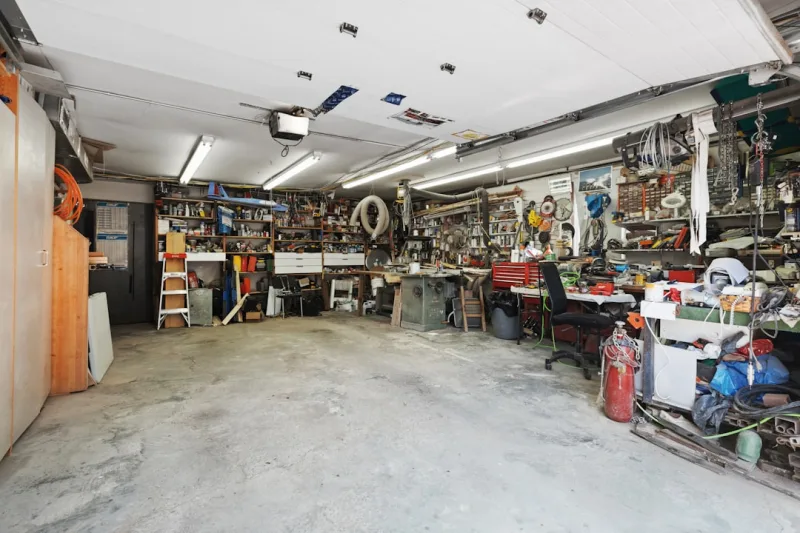
Seriously, I cannot stress this enough. Before you paint a single wall or hang a single shelf, you need to ruthlessly go through everything. I mean everything. Pull out those boxes you've been avoiding, the broken garden tools, the mystery cords — all of it. Create three piles: keep, donate, and trash. This isn't just about making space; it's about setting yourself up for success with the actual design. You can't create an aesthetic space if you're buried in junk.
Step 2: Paint Your Walls and Floor
This is where the transformation really begins. Choose a neutral base color — I'm talking soft grays, warm whites, or even a subtle taupe. These shades make the space feel bigger and give you flexibility with accents later. Use garage-specific paint because regular interior paint won't handle the temperature fluctuations and moisture that garages experience. The Home Depot has excellent garage paint options that won't peel or crack.
For the floor, you have options. A concrete sealer ($50-100) gives you that polished, intentional look without being expensive. If you're feeling adventurous, an epoxy coating creates that showroom aesthetic we're all secretly craving. Just follow the application instructions carefully — concrete prep is everything here.
Step 3: Install Strategic Lighting
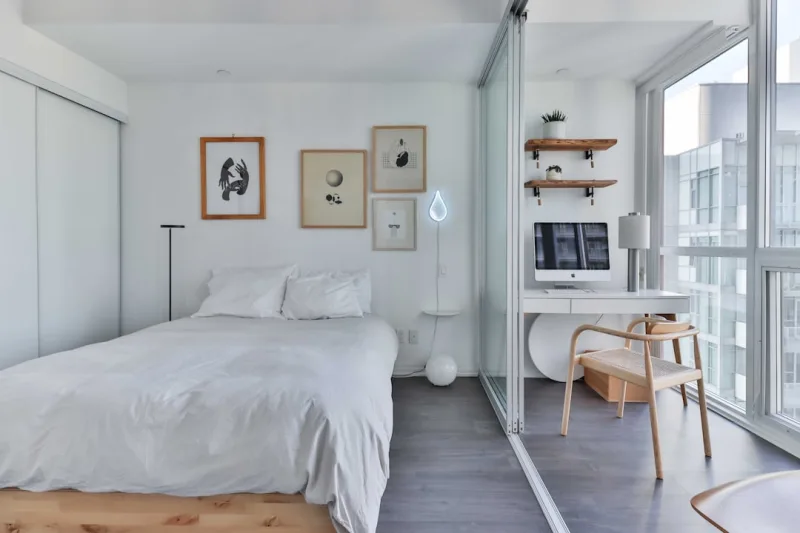
 Budget Apartment Renovation: DIY Hacks That Actually Work
Bad lighting makes everything look worse. I've seen gorgeous garages that still feel depressing because the lighting is that harsh, flickering fluorescent situation. Swap those out for LED panels or strip lighting. The investment is minimal — we're talking $25-40 for good quality LED strips that plug into a standard outlet. Install them along the ceiling edges or above your work areas. Your future self will thank you every single time you step in there.
Step 4: Mount Your Pegboards and Shelving
This is the practical meets beautiful part. Mount 2-3 metal pegboards on your main wall — they're versatile, they look clean, and you can customize the setup as your needs change. Add wooden shelves above or beside the pegboards for that layered, curated look. Use a stud finder (you probably have a phone app for this now, let's be real), and make sure everything is securely anchored. These will carry weight, so don't skip the safety part for the sake of aesthetics.
Step 5: Organize with Intention
Now comes the fun part — arranging everything so it looks good AND functions well. Use matching storage bins, label everything with a label maker (trust me on this), and think about your workflow. What do you reach for most? Put it at eye level. What's seasonal? Store it higher up or in a designated corner. The goal is that everything has a home, and everything in its home makes sense.
Step 6: Add Personality With Accents
This is where you can really make it yours. A few framed prints, a vintage sign, some plants (yes, even in a garage — they brighten the space), or a small area rug can transform the vibe from "functional storage" to "intentional creative space." Check out Better Homes & Gardens & Gardens for inspiration on garage styling — they have some genuinely cool ideas that don't feel overdone.
Pro Tips
- Maximize vertical space: Garages are typically long and narrow, so build UP, not out. Wall-mounted storage saves floor space and makes the area feel less cluttered.
- Use clear containers when possible: Frosted or clear bins let you see what's inside without opening them. It saves time and keeps your system sustainable.
- Invest in good magnets: Metal pegboards and magnetic strips are your friends. Metal-friendly storage containers mean less physical organization and more visual appeal.
- Color-code your storage: Different colored bins for different categories isn't just aesthetic — it actually helps your brain find things faster. You'll subconsciously remember "tools are in the red bin."
- Don't forget about the ceiling: Overhead storage racks are incredible for seasonal items and things you don't need constantly. Just make sure they're installed properly so nothing falls on your head.
- Consider a small workbench: Even if you don't think you need one now, a simple DIY workbench (or a affordable pre-made one) completely changes how you use the space. It becomes a creative hub instead of just storage.
Cost Breakdown
← Scroll to see full table →
| Item | Cost Range | Priority Level |
|---|---|---|
| Paint (walls & prep) | $40-70 | Essential |
| LED Lighting | $25-40 | Essential |
| Pegboards & Shelving | $90-200 | Essential |
| Storage Bins & Organization | $15-40 | Essential |
| Floor Sealer (optional) | $50-100 | Optional |
| Wallpaper or Accent Paint | $20-60 | Optional |
| Decorative Accents | $30-100 | Optional |
| Total (Essential Only) | $245-450 | Budget Estimate |
Frequently Asked Questions
How long does a complete garage makeover typically take?
Honestly? It depends on your garage size and how much you're doing. A basic paint and organizational overhaul can take a solid weekend — maybe 12-15 hours of work. If you're adding shelving, floor coating, and detailed organization, plan for 2-3 weekends. The decluttering phase alone might take a day if you've got years of accumulation (no judgment — we've all been there). The key is not to rush it. You'll make better decisions if you take your time.
Can I do this alone or do I need help?
You can absolutely do this solo, but having a buddy makes it infinitely easier — especially for things like pegboard installation, painting ceilings, and moving shelving units. Plus, an extra pair of eyes catches things like "hmm, maybe that shelf should be a few inches to the left." Even if you just grab a friend for the painting day, it speeds things up and honestly makes it more fun.
What if I rent and can't paint my garage?
Great question! You can still create an aesthetic space without permanent