DIY Bathroom Vanity Makeover Ideas: Transform Your Space Without Breaking the Bank
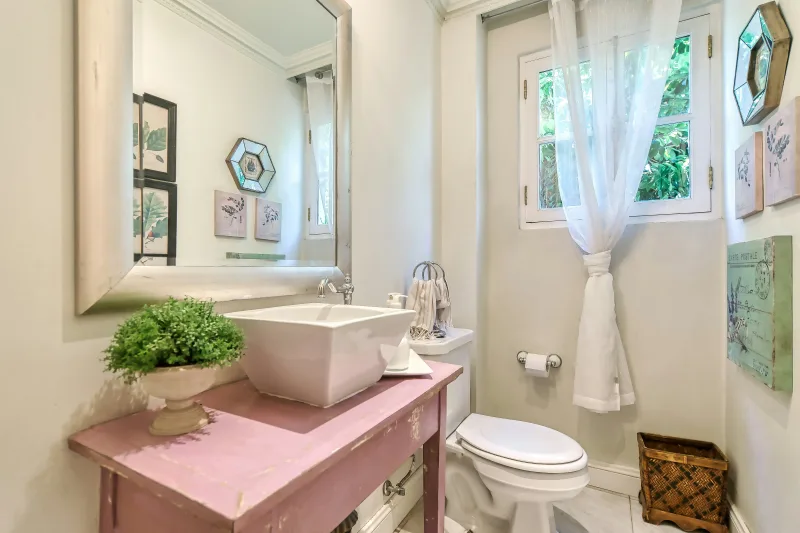
Here's the thing — your bathroom vanity is literally the first thing you see when you walk in. Mine was this sad, dated oak situation that made the whole room feel stuck in 2003. So I decided to tackle a vanity makeover myself, and honestly? It was one of the most rewarding projects I've ever done. You don't need a contractor, a huge budget, or even advanced DIY skills to completely transform this space.
The beautiful part about vanity makeovers is that you've got options. Whether you're into the modern minimalist look, farmhouse vibes, or something totally glam — your vanity can take you there. And we're talking a weekend project that costs way less than replacing the whole thing. I've learned so much from my own bathroom disasters and successes, and I'm excited to share exactly what works.
Let me walk you through this process step-by-step. I promise it's easier than you think, and by the end, you'll have a bathroom that actually makes you happy when you're getting ready in the morning. That matters more than people realize.
What You'll Need
Before you jump in, let's talk supplies. The beautiful thing is that most of this stuff is super accessible. You can grab everything from The The Home Depot or even online if you're short on time.
- Wood stain or paint ($12-25) — Go for quality here. Cheap stain looks cheap.
- Primer ($8-15) — Skip this and regret it later. Trust me.
- Sandpaper (120, 150, 220 grit) ($5-10) — Get a variety pack.
- Wood filler ($6-12) — For those inevitable imperfections.
- New hardware/knobs ($20-60) — This is where personality happens.
- Paintbrushes or foam rollers ($8-15) — Quality brushes make a difference.
- Drop cloth or plastic sheeting ($5-10) — Protect that floor.
- Painter's tape ($4-6) — Non-negotiable.
- Clear polyurethane or polycrylic finish ($10-18) — For protection and shine.
- Peel-and-stick backsplash (optional) ($25-50) — Game changer for quick updates.
- LED under-cabinet lighting (optional) ($30-60) — Makes everything look intentional.
- Caulk and caulk gun ($8-12) — For sealing gaps.
Total estimated cost: $145-280 (depending on how many upgrades you add)
Step-by-Step Guide
Step 1: Clear Everything Out and Protect Your Space
Seriously — remove every single thing from your vanity. Toothbrushes, soap, that mysterious jar in the back. Empty the drawers and cabinets completely. I learned this the hard way when I got finish on a brand-new skincare product. Not fun.
Lay down your drop cloth around the entire vanity area. Use painter's tape to protect the walls, backsplash, and sink edges. Tape off anything you don't want painted or stained.
Step 2: Assess What You're Working With
Take a really good look at your vanity. Are there water stains? Scratches? Damage? This determines your approach. If your vanity is solid wood or quality plywood, you're golden — painting or staining works beautifully. If it's veneer or laminate, you'll still paint, but you need to be extra careful with sanding.
Honestly, if there's significant damage like swelling or deep water damage, this might be a refinish situation rather than a quick makeover. But most vanities? They're salvageable.
Step 3: Sand the Surface
This step is crucial and honestly kind of therapeutic. Start with 120-grit sandpaper and work your way up to 220-grit for smoothness. You're not trying to sand down to bare wood — you're roughing up the surface so primer and paint stick properly.
Sand in the direction of the wood grain when possible. Use a sanding sponge for curved areas and corners. Wipe everything down with a tack cloth when you're done to remove dust. Seriously, do this. Dust ruins finishes.
Step 4: Fill Gaps and Damage
Use wood filler for any holes, dings, or gaps. Follow the product instructions — most dry quickly. Once dry, sand these areas smooth. It's a small step that makes a huge difference in your final result.
Step 5: Prime Everything
Apply a good quality primer with a brush or foam roller. Two thin coats beat one thick coat every single time. Let each coat dry completely according to the manufacturer's instructions. This protects your wood and ensures your topcoat color is vibrant.
Step 6: Paint or Stain Your Vanity
If you're painting, apply thin, even coats. Again — two to three thin coats are better than one thick coat that'll look uneven and take forever to dry. If you're staining, apply with a brush, let it sit for the recommended time, then wipe off excess. The longer it sits, the darker it gets.
 Budget Apartment Renovation: DIY Hacks That Actually Work
Between coats, lightly sand with 220-grit paper to ensure adhesion. This is where patience actually pays off. Don't rush this stage.
Step 7: Seal and Protect
Once your paint or stain is completely dry, apply a clear finish — either polyurethane (for durability) or polycrylic (if you prefer water-based). This protects your vanity from moisture, the bathroom's biggest enemy. Bathrooms are humid. Your vanity will thank you for this protective layer.
Apply two coats, sanding lightly between them.
Step 8: Update Hardware and Accessories
New knobs and pulls instantly modernize everything. Remove old hardware — sometimes this requires just an Allen wrench, sometimes you need to patch holes from previous hardware. Install your new pieces and step back. Suddenly it's a whole different vanity.
This is also when you'd add backsplash peel-and-stick, under-cabinet lighting, or new faucet hardware if you're doing that level of upgrade.
Step 9: Let Everything Cure and Reinstall
Wait at least 24 hours — better yet, 48 hours — before putting stuff back in your vanity. Finishes need time to fully harden. Once everything's cured, reinstall your bathroom items and enjoy your new space.
Pro Tips
Invest in good paint and stain. This isn't the place to go cheap. Better Homes & Gardens & Gardens and HGTV recommend quality finishes, and they're right. Your vanity will look more expensive and last longer.
Consider the lighting. Your vanity looks different under bathroom lighting. If you're adding new fixtures or LED strips, install those before your final styling. Lighting changes everything.
Don't forget ventilation. Open windows, use exhaust fans, or work with the bathroom door open. Paint and stain fumes are real, and your safety matters.
Take before and after photos. Seriously. You'll want to see the transformation, and it's incredibly motivating for future projects. Plus, it's fun to look back on.
Plan your color carefully. Test your paint or stain on a hidden area first, or get a sample. Bathroom lighting is weird, and what looks perfect at The Home Depot might surprise you at home.
Use quality tools. Cheap brushes shed bristles into your finish. A $15 brush is worth every penny compared to fishing out bristles later.
Cost Breakdown
← Scroll to see full table →
| Item | Price Range | Necessity |
|---|---|---|
| Paint/Stain | $12-25 | Essential |
| Primer | $8-15 | Essential |
| Sandpaper Variety | $5-10 | Essential |
| Wood Filler | $6-12 | Important |
| Hardware/Knobs | $20-60 | Highly Recommended |
| Brushes/Rollers | $8-15 | Essential |
| Drop Cloth | $5-10 | Essential |
| Painter's Tape | $4-6 | Essential |
| Polyurethane/Polycrylic | $10-18 | Essential |