Aesthetic Home Office Storage for Cozy Homes
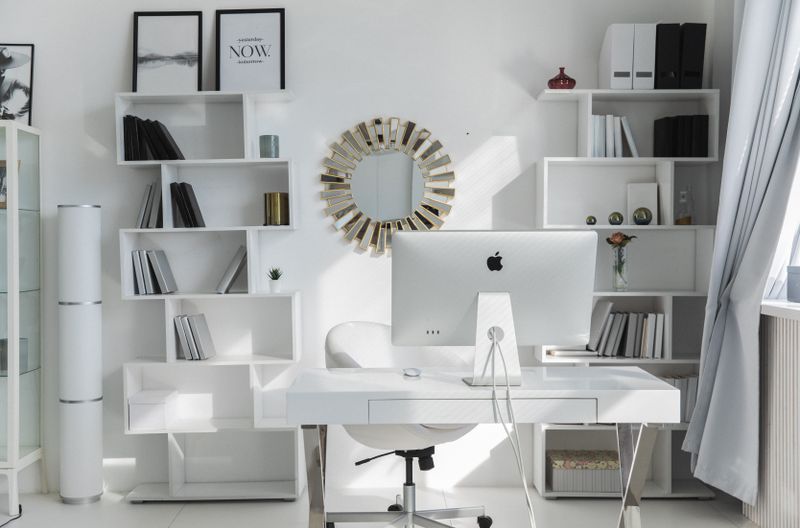
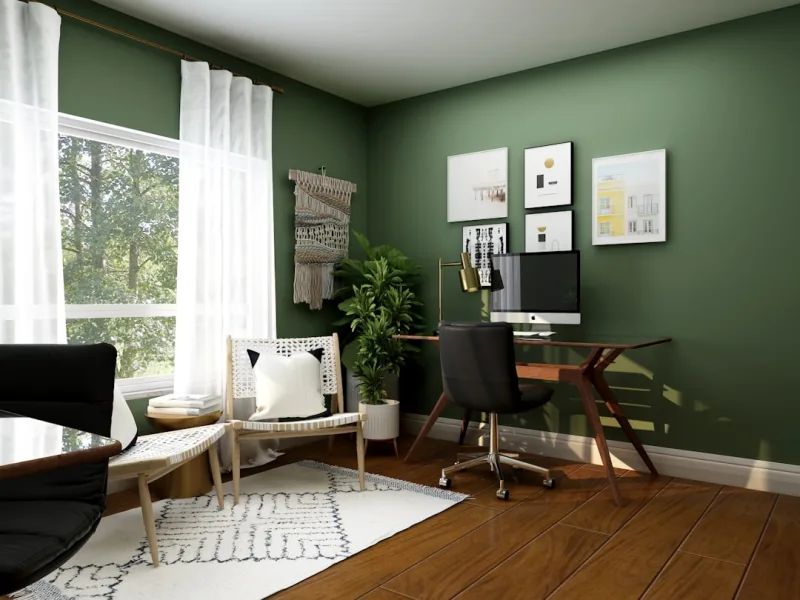
Look, I get it. You want a home office that actually looks like something from a magazine — not a chaotic pile of papers and random office supplies shoved into the corner of your bedroom. The thing is, most people think storage has to be boring or industrial. It doesn't. Creating an aesthetic home office space that's both functional and genuinely beautiful is totally doable, and honestly? It's way easier than you'd think.
When I started redesigning my own home office a couple years back, I was desperate to find storage solutions that didn't scream "corporate cubicle." I wanted something cozy, intentional, and — here's the kicker — actually useful. What I discovered was that the best aesthetic storage combines natural materials, smart organization, and a little bit of creativity. Your workspace should feel like a place you actually want to spend time in, you know?
So let's talk about how to build an aesthetic home office storage system that works for your cozy space. I'm going to walk you through everything from the materials you'll need to the exact steps that'll transform your office from scattered mess to Pinterest-worthy sanctuary. Trust me, once you get this right, you'll wonder why you didn't do it sooner.
What You'll Need
Before we jump into the how, let's talk about what you're actually going to need. The beauty of this project is that you don't need anything fancy or expensive — just thoughtful choices.
- Wooden storage boxes or baskets — $25-$60 per piece (natural woven or wooden frames)
- Floating shelves (wood or composite) — $40-$100 each, depending on size
- Decorative file organizers — $15-$40 per set
- Wall-mounted pegboard — $20-$50
- Shelf brackets or hardware — $10-$25 per set
- Decorative labels and label maker — $20-$30
- Drawer dividers (bamboo or wood) — $10-$25 per set
- Wall anchors and screws — $5-$15
- Paint or wood stain (optional refresh) — $10-$25
- Storage ottoman or bench — $60-$150
For sourcing materials, I always recommend checking out The The Home Depot — they've got solid options that won't break the bank, plus their staff actually knows their stuff. Better Homes & Gardens & Gardens also has some gorgeous aesthetic pieces online that punch above their price point.
Step-by-Step Guide
Step 1: Assess Your Space and Plan It Out
Honestly, this is the most important step and people skip it constantly. Before you buy a single thing, spend like 20 minutes actually looking at your office. Where are your pain points? Are papers everywhere? Do you have too many pens and nowhere to put them? Is your desk constantly buried under stuff? Map it out mentally — or better yet, sketch it out. Look at your wall space, your available floor space, your desk real estate. This matters because you don't want to end up with beautiful storage that doesn't actually solve your problem.
Step 2: Choose Your Color Palette and Material Base
Here's where the "aesthetic" part comes in. You want everything to feel cohesive and intentional. Pick a color scheme that feels cozy to you — this might be warm neutrals (cream, beige, soft white), natural wood tones, or even a touch of muted color like sage green or dusty blue. Then commit to it. This means your storage boxes, your shelves, your organizational pieces should all work together visually. It doesn't have to be matchy-matchy, but it should feel like you meant for it to look this way.
Step 3: Install Floating Shelves First
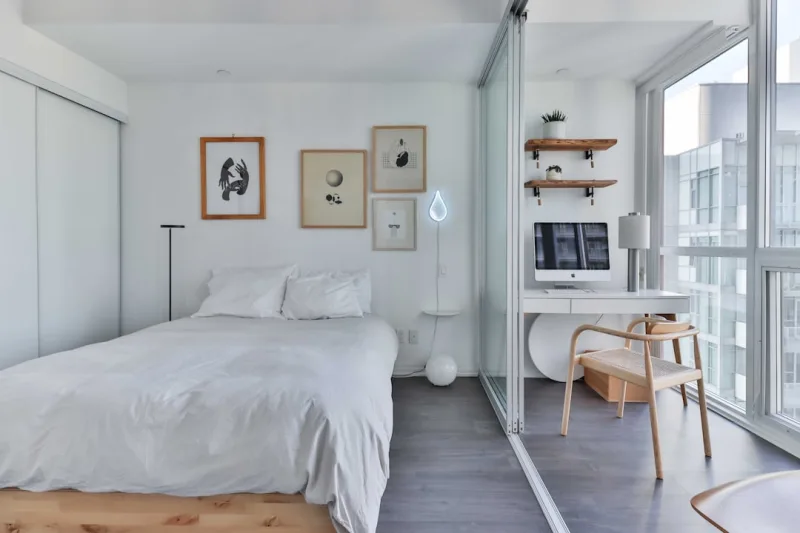
If you're adding shelving to your walls, do this before anything else. Floating shelves create visual space and give you prime real estate for both storage and display. Measure twice, find your studs (or use heavy-duty wall anchors), and install those brackets securely. I usually go with 12 to 18 inches between shelves so you have room for decor and storage. The Home Depot has installation guides if you're nervous, but trust me — it's not complicated.
Step 4: Add Baskets and Boxes to Your Shelves
Once your shelves are up, start arranging your storage baskets. This is where you hide the visual clutter — receipts, extra supplies, cables, whatever. Choose baskets that complement your color palette. Woven wood baskets look amazing on floating shelves and they feel naturally cozy. Label them clearly with your label maker. Not only does this look intentional, but you'll actually remember what's inside.
Step 5: Organize Your Desk with Drawer Dividers
Your desk drawers deserve love too. Bamboo drawer dividers are affordable and beautiful, and they completely transform how organized your desk feels. Assign each section a purpose — pens in one section, sticky notes in another, cables in their own area. When everything has a home, your desk stays calm and tidy.
Step 6: Install a Pegboard for Vertical Storage
 Budget Apartment Renovation: DIY Hacks That Actually Work
Pegboards are criminally underrated in home offices. They're functional, they look modern-meets-cozy, and they keep frequently used items visible but organized. Mount it above a side table or even on a smaller wall space. Add wooden pegs and small baskets to create custom storage for headphones, chargers, notepads — whatever you use daily.
Step 7: Add Finishing Touches with Decor
Now comes the fun part. Add some plants, a cute desk lamp, some art, a few books, a candle. Basically, make it feel lived-in and intentional. The storage you've created should feel like part of the overall design, not like an afterthought. This is when HGTV-style magazine moments happen.
Pro Tips
Use vertical space relentlessly. Don't just think about your desk — think about your walls. Wall-mounted organizers, pegboards, floating shelves, even hanging file holders can transform your space without eating into your floor real estate.
Label everything, even if you think you'll remember. You won't. A label maker is like $20 and it makes your storage system actually functional. Plus labeled boxes just look more intentional and curated.
Mix open and closed storage. Some things should be visible and accessible (your decorative items, frequently used supplies), while other things (cables, old paperwork, random supplies) deserve to hide away in closed storage. This creates visual balance.
Invest in quality baskets and boxes. Cheap storage deteriorates fast and then you're frustrated. Good baskets last for years and actually improve your space aesthetically.
Create zones within your office. Have a "work zone" where you focus, a "storage zone" with all your supplies, a "break zone" where you stretch. This psychological separation actually helps with productivity and keeps your space visually organized.
Cost Breakdown
← Scroll to see full table →
| Item | Quantity | Unit Price | Total Cost |
|---|---|---|---|
| Wooden storage boxes/baskets | 3 | $40 | $120 |
| Floating shelves | 2 | $70 | $140 |
| File organizers (decorative) | 1 | $30 | $30 |
| Wall-mounted pegboard | 1 | $35 | $35 |
| Shelf brackets and hardware | 2 | $20 | $40 |
| Label maker and labels | 1 | $25 | $25 |
| Bamboo drawer dividers | 2 | $15 | $30 |
| Wall anchors and screws | 1 | $10 | $10 |
| Storage ottoman/bench | 1 | $100 | $100 |
| TOTAL | $530 |
Keep in mind, this is a full-system approach. You can absolutely start smaller and build out over time. Even just adding floating shelves and a couple baskets will make a noticeable difference.
FAQ
Q: Do I need to be handy to install floating shelves?
A: Honestly? Not really. Basic floating shelves just require a drill, level, and wall anchors (or finding your studs). If you've never done it before, YouTube has a million tutorials. The first one is always the scariest, but then you'll wonder why you were worried. If you really don't want to DIY it, it's a super affordable job for a handyperson to handle.
Q: What's the best material for cozy aesthetic storage?
A: Natural materials like wood, woven baskets, and bamboo create that cozy