How to Make Your Home Look Expensive Without Breaking the Bank
Okay, let's be real — not all of us have a six-figure budget to hire an interior designer or splurge on designer furniture. But here's the thing: you absolutely don't need to. I've spent years helping people transform their spaces, and I can tell you with confidence that the secret to a luxe-looking home has almost nothing to do with price tags. It's about strategy, intention, and knowing exactly where to invest your money.
The difference between a space that screams "I spent way too much" versus a space that whispers "I have impeccable taste" often comes down to small details that cost next to nothing. We're talking lighting tricks, strategic decluttering, quality textiles, and a few smart purchases that punch way above their weight. I'm going to walk you through everything I've learned, and trust me — your guests are going to start asking who your decorator is.
The best part? Most of these changes can happen this weekend. You don't need a massive overhaul or even a huge budget. You just need to know what actually matters.
What You'll Need
Before we dive into the steps, let's talk materials. These aren't crazy expensive items — they're the foundation of that "expensive look" we're going after.
- Premium paint (quality matters here) — $35-50 per gallon
- Neutral-colored throw pillows (2-4) — $20-60 total
- Layered lighting fixtures (table lamps, floor lamps) — $30-80 each
- Quality area rugs (if needed) — $80-200
- Linen or cotton curtains (per window) — $25-60
- Fresh plants or greenery — $15-40 each
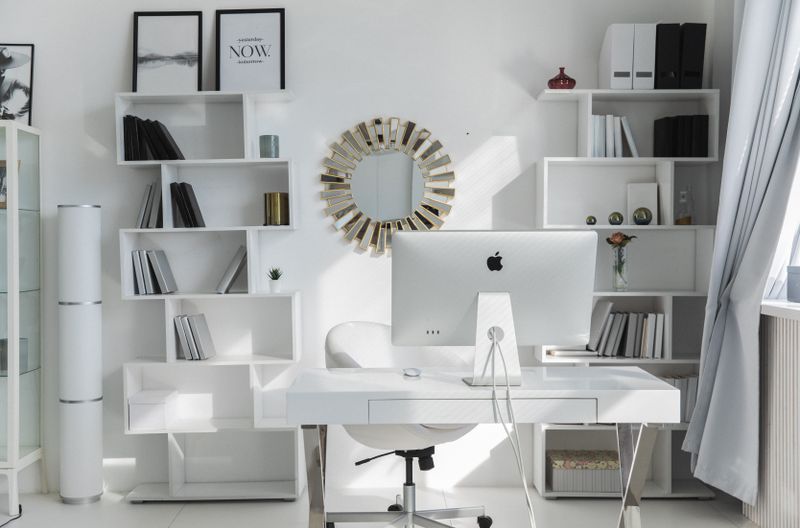
- Mirrors (statement size) — $40-100
- White or cream storage baskets — $20-50
- Artwork or prints (framed) — $30-80
- Candles and diffusers (quality brands) — $15-35 each
- Hardware upgrade kit (cabinet handles, etc.) — $20-50
- Brass or gold accents (frames, bookends, etc.) — $15-40
You don't need all of these — pick what speaks to your space. The total investment? Honestly, you could transform a room for $200-400 if you're strategic.
Step-by-Step Guide
Step 1: Paint is Your Secret Weapon
Here's where I see people make their first mistake. They cheap out on paint. Don't do that. Invest in quality paint from The The Home Depot or a local hardware store — it covers better, looks more sophisticated, and lasts longer. I typically recommend warm neutrals like soft greige, warm white, or subtle taupe. These colors create an instantly elevated backdrop without screaming "trendy." They're what you see in high-end homes, and they photograph beautifully too. If you're nervous about color, stick with a premium white. A fresh coat of high-quality paint alone can make a space feel 100% more expensive.
Step 2: Master the Art of Layered Lighting
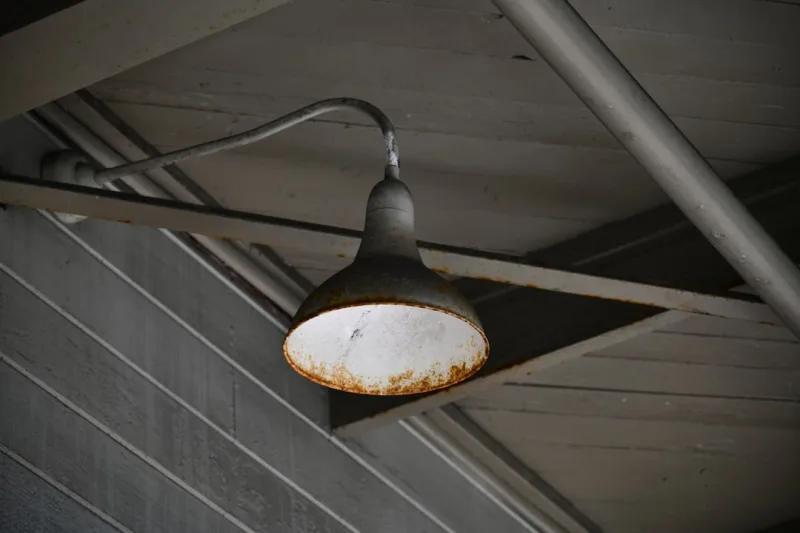
This is huge. Honestly, bad lighting is what makes spaces feel cheap, not the furniture. You need three types of lighting: ambient (overhead), task (desk or reading lamps), and accent (mood lighting). Swap out basic ceiling fixtures for something with a bit more personality — even a simple pendant light or semi-flush mount makes a difference. Add table lamps to side tables and pair them with dimmer switches. This creates that cozy, high-end hotel vibe everyone loves. Throw in some candles and you're basically done. Lighting completely changes how a room feels.
Step 3: Declutter and Organize Like Your Life Depends on It
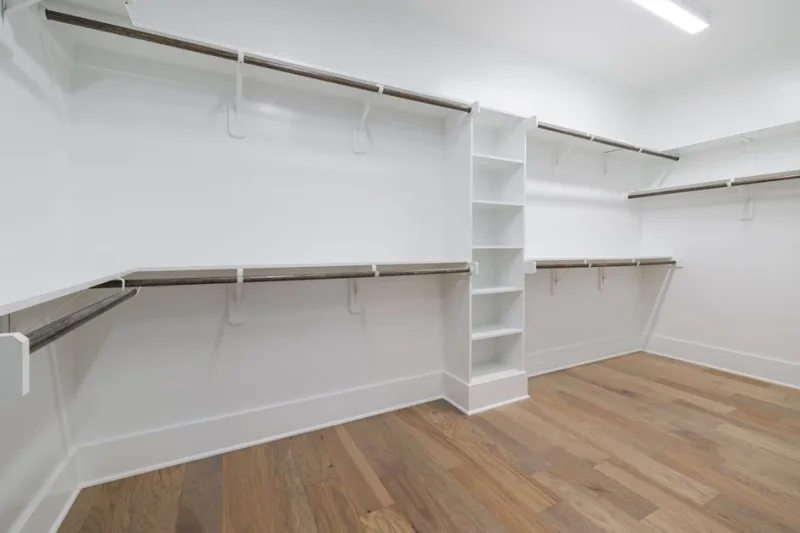
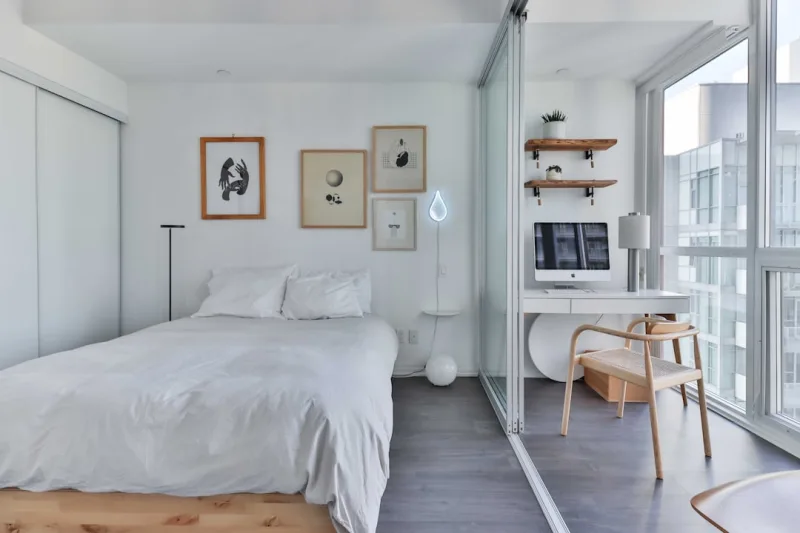
Expensive homes look spacious and intentional. That means everything needs a home. Get those white or cream storage baskets and tuck away the chaos. Clear your nightstands down to maybe three items. Remove 50% of what's on your shelves. I know it sounds extreme, but negative space is what separates a "lived-in mess" from "curated and calm." Better Homes & Gardens & Gardens has incredible organizing guides if you need inspiration here. Your space will instantly feel more high-end when it's not fighting for attention.
Step 4: Upgrade Your Textiles
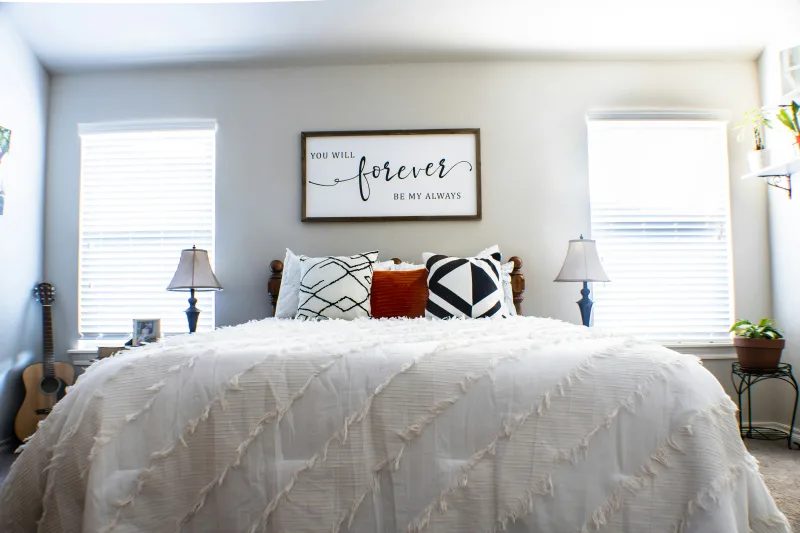
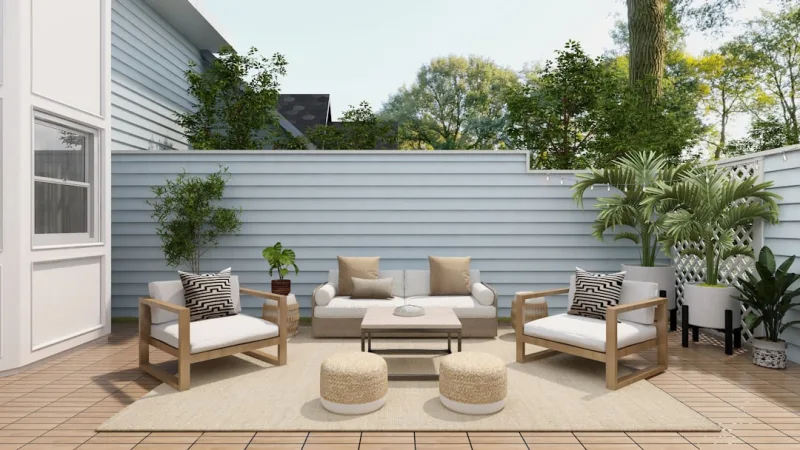
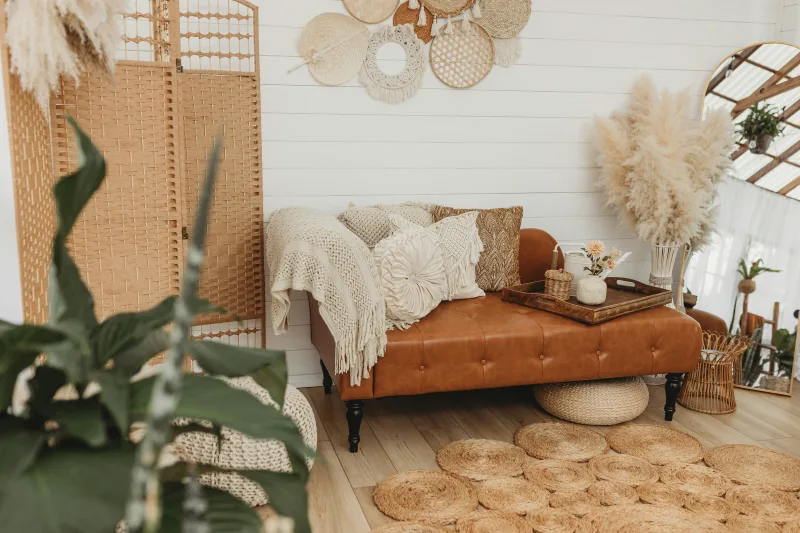
This is where quality really matters. Swap out thin, scratchy sheets for good cotton or linen. Add 2-3 quality throw pillows in neutral tones to your sofa. Upgrade your curtains — thick, floor-to-ceiling linen or cotton instantly elevates a room compared to those thin polyester panels. None of this needs to be designer-level expensive, but it should feel nice to touch. Quality textiles are what people subconsciously notice first.
Step 5: Add Mirrors and Greenery
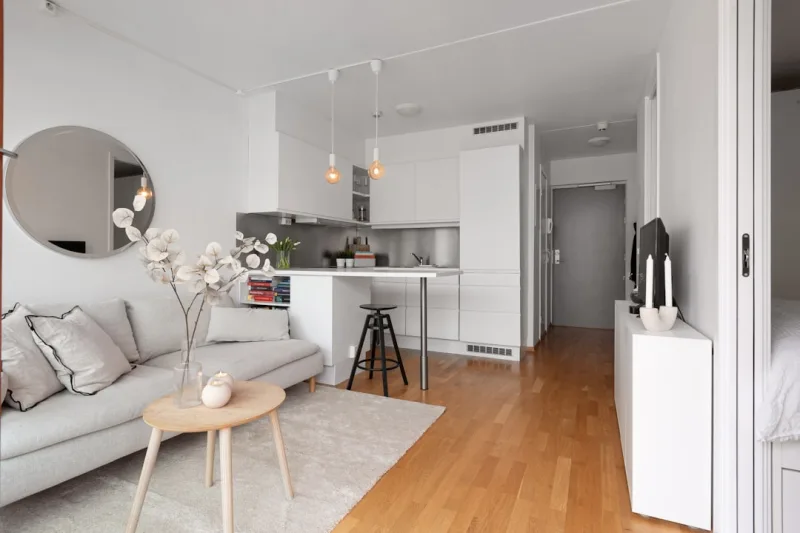
 Quiet Luxury Apartment Inspiration: Serene 2026 Style
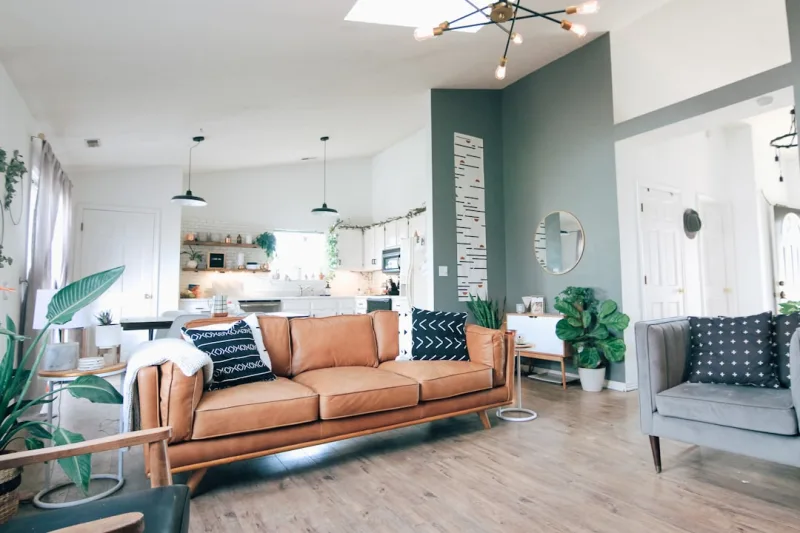
A large mirror opposite a window makes your room feel twice as big and twice as expensive. The reflection of light creates this magical, open feeling that's impossible to fake otherwise. Fresh greenery — even a simple pothos or fiddle leaf fig from your local garden center — brings life and sophistication. Real plants are non-negotiable if you want that expensive look. Faux plants are getting better, but real ones still win. Place them in corners or on shelves and watch your space transform.
Step 6: Curate Your Accessories Ruthlessly
Less is more, always. Choose a few statement pieces — maybe a brass bookend, a ceramic vase, a framed print — and leave everything else off. Group items in odd numbers (3 or 5) on shelves for that designed feeling. Keep your color palette tight: whites, creams, blacks, and maybe one accent color. This restraint is what screams "expensive." A room stuffed with every cute thing you own screams "clearance section."
Step 7: Upgrade Hardware and Small Details
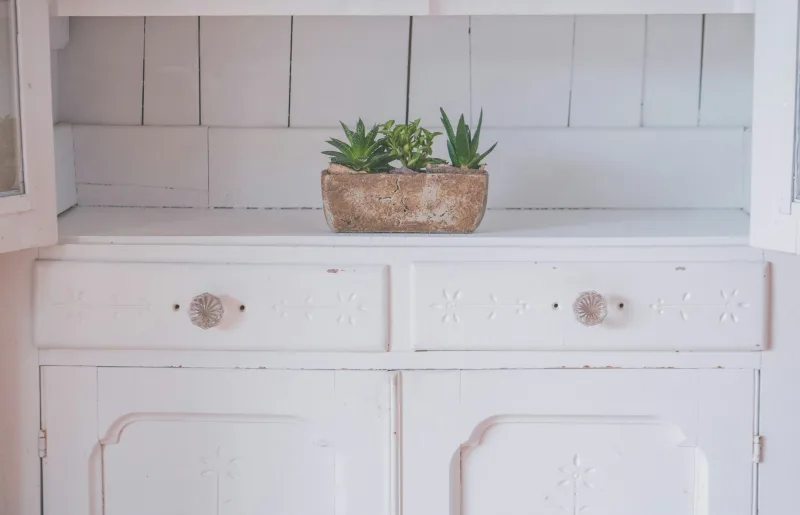
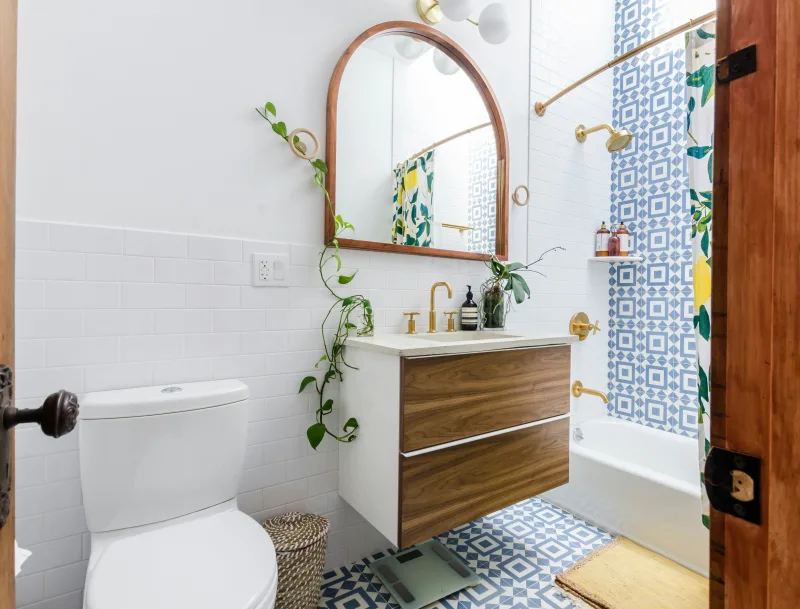
This sounds weird, but new cabinet handles, light switch covers, and drawer pulls make a shocking difference. If your kitchen or bathroom cabinets are dated, swapping the hardware costs maybe $30-50 and looks like you did a major renovation. It's one of my favorite cheap tricks.
Pro Tips
Go with a cohesive color palette: Expensive homes look intentional. Pick 3-4 colors max and repeat them throughout. Whites, grays, blacks, and one warm metallic (brass or gold) work every single time.
Invest in what you touch: Cheap out on wall art if you need to, but splurge on things you physically interact with — pillows, blankets, rugs. Your hands know the difference between quality and budget.
Use HGTV and magazines as reference: When you see a room that makes you say "wow," screenshot it. Study what makes it work. Usually it's the same principles: good lighting, neutral colors, minimal clutter, quality textiles. Copy that formula.
Don't forget scent: An expensive home smells like something. High-quality candles or diffusers cost $20-30 but change everything. Skip the artificial "vanilla dream" stuff and go for something subtle — lavender, cedar, or unscented fresh air are classic.
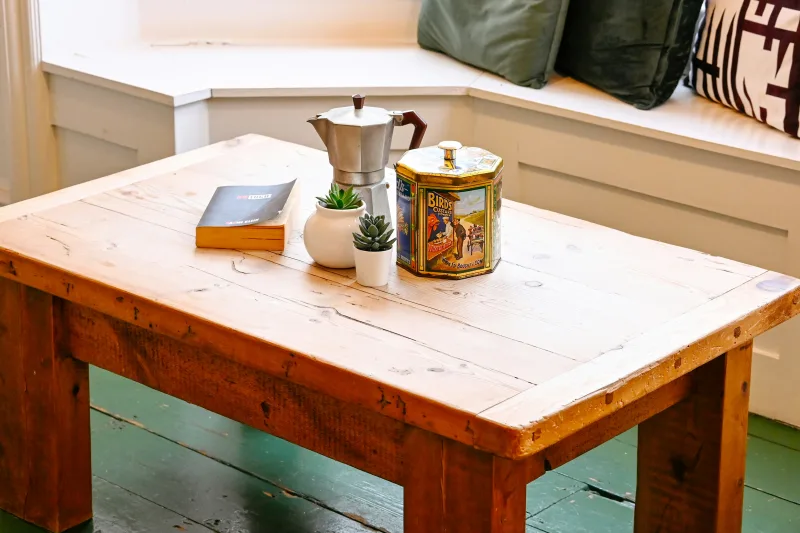
Fresh flowers matter: Just one small vase of grocery store flowers on your coffee table elevates the whole room. They don't last long, but they're cheap and the payoff is huge.
Cost Breakdown
← Scroll to see full table →
| Item | Quantity | Cost Per Unit | Total Cost |
|---|---|---|---|
| Premium Paint | 2 gallons | $40 | $80 |
| Paint Supplies (brushes, tape, etc.) | 1 | $30 | $30 |
| Table Lamps | 2 | $50 | $100 |
| Throw Pillows | 3 | $25 | $75 |
| Storage Baskets | 2 | $35 | $70 |
| Large Mirror | 1 | $75 | $75 |
| Curtains (per window) | 2 windows | $40 | $80 |
| Plants and Greenery | 3 | $25 | $75 |
| Framed Artwork | 2 | $50 | $100 |
| Candles and Diffusers | 3 | $25 | $75 |
| Hardware Upgrades | 1 kit | $40 | $40 |
| Decorative Brass Accents | 3 |