Modern Bathroom Upgrade That Looks Expensive: Achieve Luxury on Any Budget
There's something absolutely magical about stepping into a beautifully designed bathroom that feels like a luxury spa retreat. You know that feeling—when you see those stunning bathroom makeovers on Pinterest and think, "I could never afford that"? I'm here to tell you that you absolutely can create that high-end, expensive look without draining your savings account. Over the past few years, I've learned that bathroom upgrades don't have to cost a fortune to look like a million bucks. It's all about making strategic choices, understanding where to splurge and where to save, and knowing the design tricks that create that coveted luxury aesthetic. Whether you're working with a tight budget or just want to maximize your bathroom investment, this guide will show you exactly how to create a modern bathroom upgrade that looks expensive, feels amazing, and won't leave you stressed about your finances.

In this comprehensive guide, you'll discover everything you need to know about creating a modern bathroom that exudes luxury without the luxury price tag. We'll walk through the essential elements that make bathrooms look expensive, provide you with a detailed planning checklist, break down your budget into smart spending categories, and give you step-by-step instructions for tackling your upgrade. You'll also learn about the best design styles, specific product recommendations with real prices, expert tips from design professionals, and answers to the questions that keep homeowners up at night. By the end of this article, you'll have a complete roadmap for transforming your bathroom into the beautiful, modern space you've been dreaming about.
Understanding Modern Bathroom Upgrades That Look Expensive
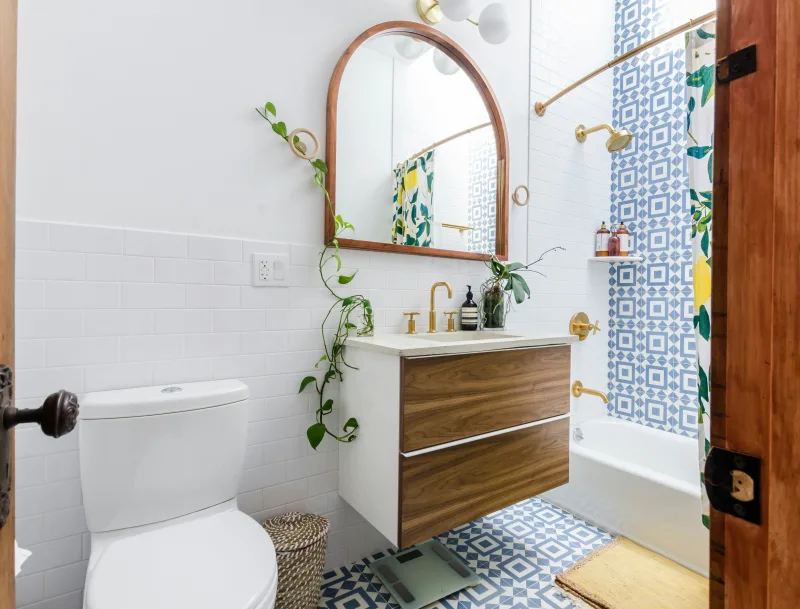
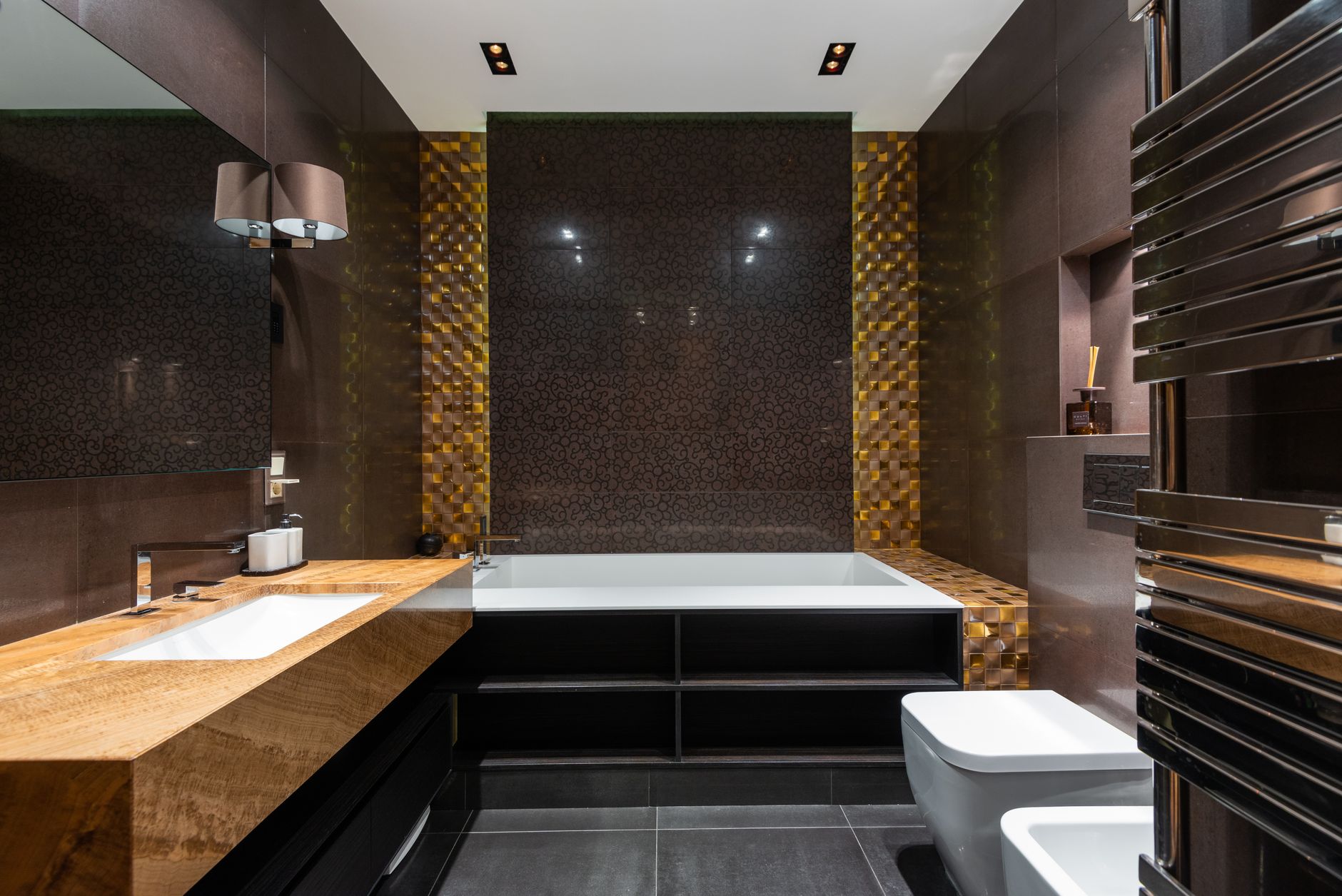
A modern bathroom upgrade that looks expensive is all about creating an intentional, cohesive design that feels polished and deliberately curated. It's not about having the most luxurious materials or the highest-end fixtures—it's about understanding the visual principles that make spaces feel upscale and applying them strategically. When we talk about a bathroom looking "expensive," we're really talking about several key factors: clean lines, quality finishes, thoughtful lighting, and a sense of intentional design that suggests you've invested time and money into every detail.
The psychology behind luxury bathroom design is fascinating. High-end bathrooms share certain characteristics: they're clutter-free and organized, they feature consistent color palettes, they have multiple layers of lighting, they incorporate quality materials (even if they're budget-friendly), and they feel spa-like rather than purely functional. The good news? These aren't expensive characteristics—they're about making smart choices and understanding design principles. A matte black faucet, for example, instantly feels more modern and expensive than a basic chrome one, yet both might be similarly priced. The difference is in the style choice, not necessarily the cost.
One of the biggest mistakes homeowners make is trying to do everything at once without a cohesive plan. They'll splurge on an expensive vanity, then settle for cheap lighting and mismatched accessories, which undermines the entire look. Another common mistake is overlooking the power of paint, hardware, and styling—these elements cost next to nothing but completely transform a space. Many people also don't consider the psychological impact of cleanliness and organization; even modest bathrooms look expensive when they're perfectly styled and clutter-free. Finally, many miss the opportunity to create luxury through strategic upgrades rather than complete renovations. You don't need to replace everything—you need to replace the right things.
Planning Guide for Modern Bathroom Upgrades That Look Expensive
Before you spend a single dollar, you need a solid plan. This planning stage is absolutely critical because it's where you'll make decisions that determine whether your bathroom upgrade looks cohesive and expensive or disjointed and cheap. Start by asking yourself what bothers you most about your current bathroom. Is it outdated fixtures? Poor lighting? Lack of storage? A tired color scheme? Once you identify your pain points, you can prioritize your upgrades accordingly. The most impactful bathroom changes are usually fixtures (faucets, lighting), finishes (paint, hardware), and styling (mirrors, accessories, organization). These three categories give you the most bang for your buck.
Next, create an inspiration board on Pinterest or a Google Doc with 10-15 bathroom photos you absolutely love. This helps you identify your preferred style (modern minimalist, contemporary luxury, spa-like, transitional, etc.) and the color palettes, fixtures, and finishes that appeal to you. Look for common threads. Do you love white bathrooms with black accents? Are you drawn to warm wood tones with marble? Do you prefer open shelving or closed storage? This clarity will guide every purchase and prevent you from buying things that don't fit your vision.
Finally, audit your current bathroom space. Measure your key areas, take photos of existing fixtures, note the condition of walls and flooring, and be honest about what can stay and what needs to go. Sometimes you can work around existing elements (like tile flooring or tub) and update everything else. Other times, a few strategic replacements create dramatic change. Your plan should include a prioritized list of upgrades based on impact and budget.
Modern Bathroom Upgrade Planning Checklist
- Define your style: Modern minimalist, spa-like, contemporary glam, transitional, industrial, or Scandinavian
- Choose your color palette (typically 2-3 main colors plus neutrals)
- Identify must-have upgrades (what bothers you most about the current bathroom)
- Measure your space and note existing fixtures that will stay
- Create an inspiration board with 10-15 photos you love
- Establish your total budget and allocate percentages (lighting 15%, fixtures 25%, finishes 20%, styling 15%, storage 15%, contingency 10%)
- Research products and prices from The The Home Depot, IKEA, Amazon, and Target
- Decide what you can DIY versus what needs professional help (plumbing, electrical)

Budget Breakdown: Where to Splurge and Where to Save
The key to a luxury-looking bathroom on a budget is understanding where your money makes the most visual impact. You want to invest strategically in elements that guests will notice and use daily, while saving money on things that matter less for the overall aesthetic. Here's a realistic breakdown of smart bathroom spending:
 Budget Apartment Renovation: DIY Hacks That Actually Work
← Scroll to see full table →
| Budget Category: Under $50 | Best Items & Typical Price |
|---|---|
| Paint (one gallon covers most bathrooms) | $25-40 |
| Hardware (drawer pulls, cabinet knobs, 10-pack) | $15-45 |
| Shower curtain or liner upgrade | $20-50 |
| Towel bars and hooks (set) | $20-45 |
| Caulk and sealant supplies | $15-30 |
| Bathroom accessories (soap dispenser, toothbrush holder) | $15-40 |
| Peel-and-stick wallpaper (accent wall) | $25-45 |
| Mirrors and mirror frames | $30-50 |
← Scroll to see full table →
| Budget Category: $50-$200 | Best Items & Typical Price |
|---|---|
| Faucet upgrade (single-hole, modern style) | $80-150 |
| Light fixture or vanity light upgrade | $60-180 |
| Floating shelves (2-3 shelves with brackets) | $50-120 |
| Bathroom vanity (small, modern style) | $150-250 |
| Medicine cabinet with mirror | $60-180 |
| Tile or peel-and-stick backsplash (small area) | $80-150 |
| Storage organizers and baskets (set) | $40-120 |
| Over-the-toilet storage unit | $70-180 |
← Scroll to see full table →
| Budget Category: $200+ | Best Items & Typical Price |
|---|---|
| Full vanity with sink (36-48 inches) | $300-600 |
| Complete lighting setup (vanity + overhead + accent) | $250-500 |
| Shower head and trim kit upgrade | $200-400 |
| Large mirror (custom framed or statement piece) | $200-400 |
| Floor tile or vinyl plank (labor not included) | $300-800+ |
| Complete hardware refresh (all fixtures) | $250-500 |
| Wall tile for accent wall | $300-600 |
| Professional painting and wall prep | $400-800 |
Here's the honest truth about bathroom spending: you'll get the most visual impact from upgrades in this order: paint and finishes (cheapest, biggest impact), lighting (relatively inexpensive, dramatically changes the feel), faucets and hardware (noticeable upgrades), mirrors and accessories (define the style), and then larger items like vanities or tile. If you have $500-1000 to spend, I'd recommend: $150 for paint and wall prep, $200 for a faucet upgrade, $150 for lighting, $100 for hardware, $100 for a statement mirror, and $100 for styling accessories. This allocation gives you a completely transformed bathroom. If you have $2000+, you can add a vanity, more extensive tile work, and professional installation.
The biggest money-saving strategy is tackling DIY projects yourself. Painting, hardware replacement, minor caulking, and styling can all be done in a weekend with online tutorials. Where you need to hire professionals is plumbing (faucet installation if you're uncomfortable), electrical (lighting), and any tile work. These are worth paying for to ensure proper installation and avoid costly mistakes. Never cheap out on the basics—good quality fixtures from The Home Depot or IKEA last decades, while ultra-budget options from discount retailers often fail within years.
Step-by-Step Guide: Creating Your Modern Bathroom Upgrade
Step 1: Prepare and Prime Your Space
Begin by clearing your bathroom completely. Remove everything from shelves, under the sink, and off the walls. This gives you a blank canvas and allows you to see what you actually need to store versus what's just clutter. Take this opportunity to deep clean every surface—baseboards, corners, inside cabinets, everything. A truly clean bathroom instantly feels more expensive and luxurious. As you clean, organize items into keep, donate, and discard piles. You'll be amazed at how much "stuff" accumulates in bathrooms. This is also the perfect time to assess what hardware and fixtures need updating. Make a detailed list of everything that will be upgraded or replaced.
Step 2: Plan Your Color Palette and Design Theme
Based on your inspiration board, commit to a specific color palette and design theme. Modern luxury bathrooms typically feature one of these combinations: white with black accents (timeless), warm neutrals with wood tones (spa-like), cool grays with brass accents (contemporary), or soft pastels with matte finishes (trendy). Once you've chosen your palette, write it down and use it as your guide for every purchase. This prevents the color-coordination mistakes that make bathrooms look less expensive. Include your flooring color, wall color, cabinet color, and accent colors. Having this clarity before shopping saves money because you won't buy things that don't fit your vision.
Step 3: Paint Walls and Refresh Finishes
Paint is your secret weapon for affordable luxury. Choose a high-quality paint in a finish that suits your style. Matte or eggshell finishes feel more upscale than glossy finishes, but glossy is more practical for moisture. Spend extra on paint quality—Benjamin Moore, Sherwin-Williams, and BEHR are all excellent and available at The Home Depot. Use painter's tape and plastic sheeting to protect fixtures, and take your time with the application. Two coats are essential. While the paint dries, replace cabinet hardware and towel bars. New hardware transforms a tired vanity instantly. Choose finishes that match your color palette—matte black, brushed gold, or satin nickel are current and expensive-looking.
Step 4: Upgrade Lighting Strategically
Lighting is the element that most dramatically changes how a bathroom feels. Luxury bathrooms have multiple light sources: vanity lighting on both sides of the mirror or in a horizontal strip, overhead ambient lighting, and often accent lighting. Don't settle for a single ceiling fixture. If your budget allows, install a vanity light bar from IKEA or Amazon ($60-150), replace the overhead fixture with something more modern ($80-120), and consider a small accent light if you have a special feature to highlight. Good lighting not only makes your bathroom look better, it makes you look better when using it—which is why luxury hotels and spas invest heavily in lighting.
Step 5: Replace Fixtures for Maximum Impact
Your faucet and showerhead are the most-used and most-noticed fixtures. Upgrading these creates immediate "luxury" impact. Choose a faucet in a modern style—single-handle, matte black, brushed gold, or chrome are all current. Brands like Pfister, Moen, and Kohler offer excellent options in the $80-150 range at The Home Depot. If you're not comfortable installing a faucet yourself, a plumber can do it quickly and affordably. Similarly, upgrading your showerhead to something with modern styling and good water pressure is a simple upgrade with major impact. Consider a rain shower