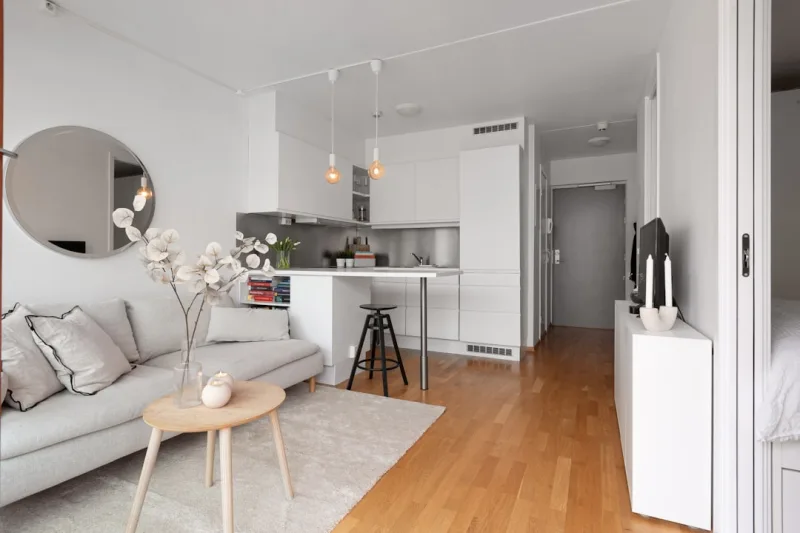
Warm Apartment Ideas for Cozy Homes: Transform Your Space Into a Sanctuary
There's something magical about walking into a space that immediately wraps around you like your favorite sweater. That feeling—that undeniable warmth and comfort—isn't just about temperature; it's about creating an atmosphere that makes your heart feel at home. Whether you're living in a studio apartment in the city or a one-bedroom in the suburbs, you deserve a space that feels like a warm hug after a long day. The good news? Creating a cozy, warm apartment doesn't require a complete renovation or an endless budget. It's about intentional choices, thoughtful touches, and understanding what actually makes a space feel inviting. As women navigating our busy lives, our homes should be our sanctuaries—places where we can recharge, relax, and feel genuinely comfortable. Let's explore how you can transform your apartment into the cozy haven you've been dreaming about.

In this comprehensive guide, you'll discover practical, budget-friendly strategies to warm up your apartment and create that coveted cozy atmosphere. We'll walk through everything from color palettes and lighting solutions to textures and furniture arrangements that work in smaller spaces. You'll learn how to shop smart across retailers like The The Home Depot, IKEA, Amazon, and Target. We'll break down costs so you can start small or go all-in, depending on your budget. Plus, you'll get real, actionable steps you can implement this weekend, along with expert tips from home design professionals who specialize in creating intimate spaces that make you feel truly at home.

Understanding Warm Apartment Ideas for Cozy Homes
A warm apartment isn't just about cranking up the thermostat or painting your walls in hot colors—though those might help. Creating warmth in your home is about layering sensory elements that make the space feel inviting, personal, and genuinely comfortable. It's the combination of soft lighting, touchable textures, warm color schemes, and thoughtful styling that transforms an apartment from simply functional into a space where you actually want to spend time.
Warmth in design refers to a feeling of intimacy and approachability. Cool-toned spaces can feel sterile and impersonal, while warm-toned spaces naturally draw us in. When you walk into a warm apartment, your nervous system relaxes. Research in environmental psychology shows that warm color temperatures and layered lighting actually reduce stress and promote relaxation. This isn't superficial decoration—it's creating an environment that supports your mental and physical wellbeing.
Why does this matter so much? Because your apartment is where you spend enormous amounts of time. It's where you start and end your days. It's where you entertain friends, rest when you're sick, and seek refuge when the world feels overwhelming. An apartment that feels cold or uninviting doesn't just look bad—it affects your mood, your productivity, and how you feel about yourself. A warm, cozy apartment becomes a tool for self-care and emotional wellbeing.
Common mistakes people make when trying to warm up their apartments include: overcomplicating the design, investing in trendy pieces that don't match their lifestyle, ignoring lighting completely, neglecting texture, choosing style over comfort, and trying to do everything at once. Many people also assume that creating coziness requires a massive budget or complete redesign. That's simply not true. Some of the warmest, most inviting apartments we've seen were created on modest budgets through strategic choices and layers of small, meaningful additions.
Planning Guide for Warm Apartment Ideas for Cozy Homes
Before you start shopping or painting, take time to plan your warm apartment transformation. The best cozy spaces don't happen by accident—they're intentionally designed around your lifestyle and preferences. Start by considering your natural light. Is your apartment naturally bright, or does it lean darker? How many windows do you have? What direction do they face? These factors will influence your color choices and lighting strategy. Next, think about how you actually use your space. Do you work from home? Entertain often? Need a designated relaxation zone? Your apartment's function should drive its design.
Consider your current furniture and what you'll keep versus replace. You don't need all new pieces to create warmth—sometimes it's about rearranging, reupholstering, or adding layers to what you already have. Think about your personal style honestly. Are you naturally drawn to bohemian aesthetics, minimalism, farmhouse vibes, or something eclectic? The most inviting apartments reflect their inhabitants. Don't try to create a space that looks like a magazine if it doesn't feel like you. Finally, establish your budget range and prioritize. What areas will have the biggest impact? Usually, it's lighting first, then larger furniture pieces, then accessories and textiles.
Here's your warm apartment planning checklist to guide your journey:
- Lighting Audit: Map out current lighting sources and identify dark areas that need improvement
- Color Palette Selection: Choose 2-3 warm base colors and 2-3 accent colors that feel right for you
- Texture Inventory: List textures you want to incorporate (soft fabrics, natural materials, metals)
- Furniture Layout: Arrange seating to create conversation areas and intimate zones
- Textile Plan: Identify where you'll add blankets, pillows, rugs, and curtains
- Scent and Sensory Elements: Choose candles, plants, or diffusers that appeal to you
- Personal Display Plan: Decide how you'll display photos, art, and meaningful items
- Budget Allocation: Split your total budget across priority categories (lighting, textiles, furniture, accessories)

Budget Breakdown
Creating a warm, cozy apartment is absolutely achievable at any budget level. The key is strategic spending—investing more in items you'll use daily and love long-term, while being flexible with trendy pieces. Here's a realistic breakdown of where your money can go:
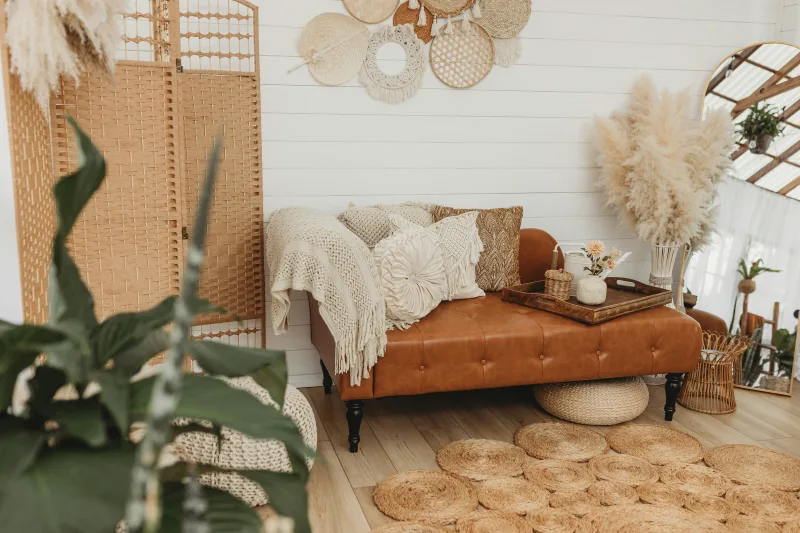 94 DIY Home Decor Projects: Ideas for Every Budget
← Scroll to see full table →
| Price Range | Items & Examples | Budget |
|---|---|---|
| Under $50 | String lights ($15-25), throw pillows ($12-20), small table lamp ($20-35), candles ($5-10), picture frames ($10-15), decorative mirrors ($15-30) | $50 |
| $50-$200 | Area rug ($80-150), bookshelf ($60-120), throw blanket ($30-60), desk lamp with dimmer ($40-80), curtains or panels ($50-100), coffee table ($70-150), wall art ($30-100) | $200 |
| $200+ | Sectional or quality sofa ($400-1200), dining set ($300-800), bedroom furniture ($500-1500), overhead lighting fixture ($150-400), quality bed frame and mattress ($600-1500), large-scale wall art ($150-500) | Varies |
Smart shopping across retailers like IKEA, The Home Depot, Amazon, Target, and Better Homes & Gardens and Gardens can stretch your budget significantly. IKEA is fantastic for affordable furniture and accessories—their HEMNES line offers warm wood tones at budget-friendly prices. The Home Depot excels at lighting fixtures and hardware. Amazon offers incredible variety in textiles, lighting, and decor at competitive prices. Target's Threshold and Hearth & Hand collections provide warm, farmhouse-inspired pieces at mid-range prices. Better Homes and Gardens offers excellent quality-to-price ratios on larger furniture pieces.
Our biggest money-saving tips: First, start with what you have and add gradually rather than replacing everything at once. Second, invest in quality pieces for items you use daily (bed, sofa, lighting) and be more flexible with accessories you can easily swap. Third, shop sales strategically—Black Friday, Cyber Monday, and seasonal sales can save you 30-50 percent. Fourth, consider secondhand marketplaces for furniture; you can find incredible deals on quality pieces. Fifth, DIY simple projects like painting furniture or framing fabric for wall art. Sixth, buy versatile pieces in neutral tones that work with different aesthetics. Finally, don't rush—good design happens over time as you curate pieces you genuinely love.
Step-by-Step Guide
Ready to transform your apartment? Follow these seven steps to create a warm, cozy space that feels authentically yours:
Step 1: Start with Lighting Layers
Lighting is the single most important element in creating a warm apartment. Hard overhead lights create a cold, institutional feeling. Instead, create layers. Start with soft ambient lighting—this could be a warm-toned overhead fixture on a dimmer switch, table lamps in corners, or string lights. Add task lighting for functional areas like your desk or bedside. Finally, incorporate accent lighting through candles, LED fairy lights, or decorative lamps. The goal is multiple light sources that you can adjust throughout the day. Aim for warm color temperatures around 2700K for that inviting glow. When shopping at The Home Depot or Amazon, look for bulbs labeled "warm white" or "soft white," and prioritize dimmable options. Even a simple $30 lamp from IKEA in a corner can dramatically change how a room feels.
Step 2: Choose Your Warm Color Palette
Select colors that feel warm and inviting without being overwhelming. Classic warm bases include warm whites (ivory, cream, warm gray), warm beiges, soft terracottas, warm grays, and warm taupes. These neutral bases create a calm foundation. Then choose 1-2 accent colors—think warm oranges, deep reds, warm golds, or burnt sienna. These accents appear in your textiles, art, and accessories rather than covering entire walls. If you're nervous about color, start with neutral walls and add warmth through furniture and decor. A single accent wall in a warm tone can also work beautifully. Test paint colors by getting large samples and observing them at different times of day in your actual apartment—lighting makes a huge difference. Better Homes and Gardens offers excellent warm paint color guides if you need inspiration.
Step 3: Layer In Textiles and Textures
This is where your apartment truly becomes cozy. Add multiple textures through throw blankets, area rugs, curtains, and pillows. Mix soft and nubby textures—think a plush throw blanket paired with a chunky knit pillow and a smooth linen curtain. Vary your textures to create visual and tactile interest. Rugs are especially important—they warm up hard floors, define spaces, and add richness. Aim for natural materials like wool, cotton, and linen when possible; they feel warmer than synthetics. Layer rugs in complementary colors. Add curtains even if you don't need privacy—they soften a room and add warmth. Target's Threshold collection offers beautiful textiles, while IKEA has cozy blankets and pillows in warm tones at excellent prices. Invest in quality where you'll touch items daily—a better-quality throw blanket feels noticeably better than a thin synthetic one.
Step 4: Arrange Furniture for Intimacy
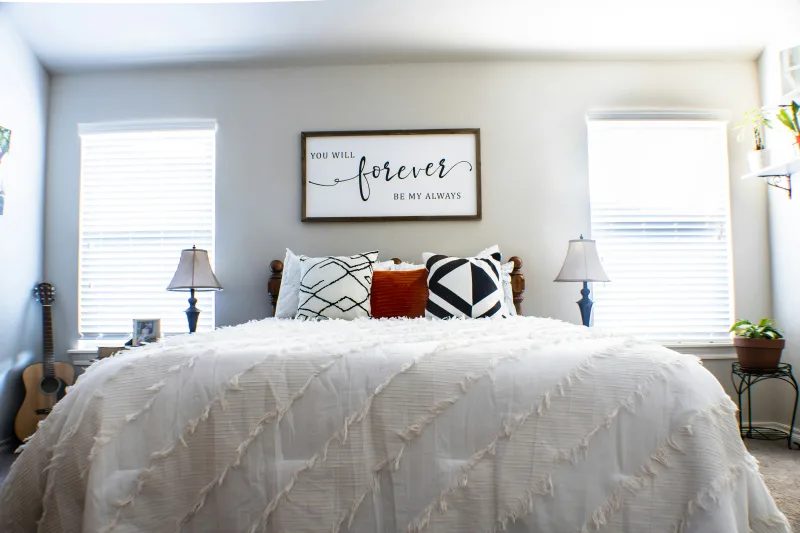
How you arrange furniture dramatically affects how warm a space feels. Avoid pushing all furniture against walls—this creates a disconnected, cold feeling. Instead, pull seating toward the center of a room to create conversation areas and intimate zones. If you have a sofa, angle it slightly or float it in the room with a table or rug to define the space. Create a cozy reading nook by pairing a comfortable chair with a side table and lamp. In bedrooms, use the bed as a focal point and layer textures on it—quality sheets, throw pillows, a chunky blanket. Proximity creates warmth, literally and psychologically. Even in small apartments, thoughtful furniture placement makes spaces feel more intimate and inviting.
Step 5: Incorporate Plants and Natural Elements
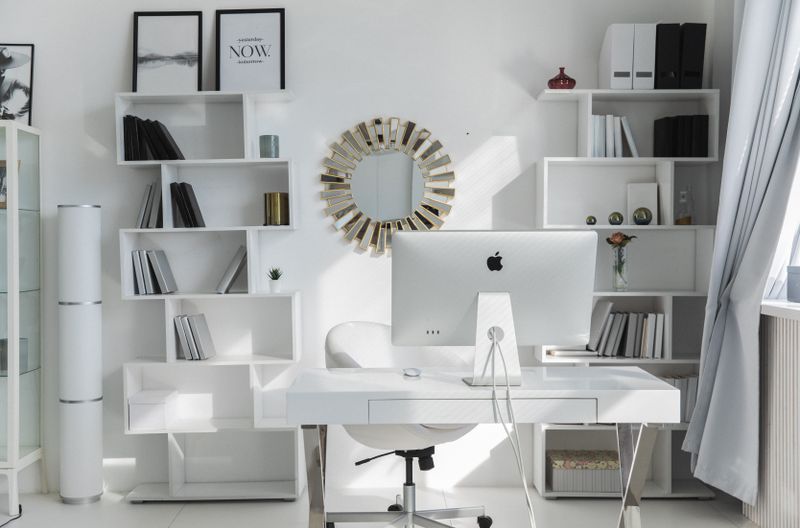
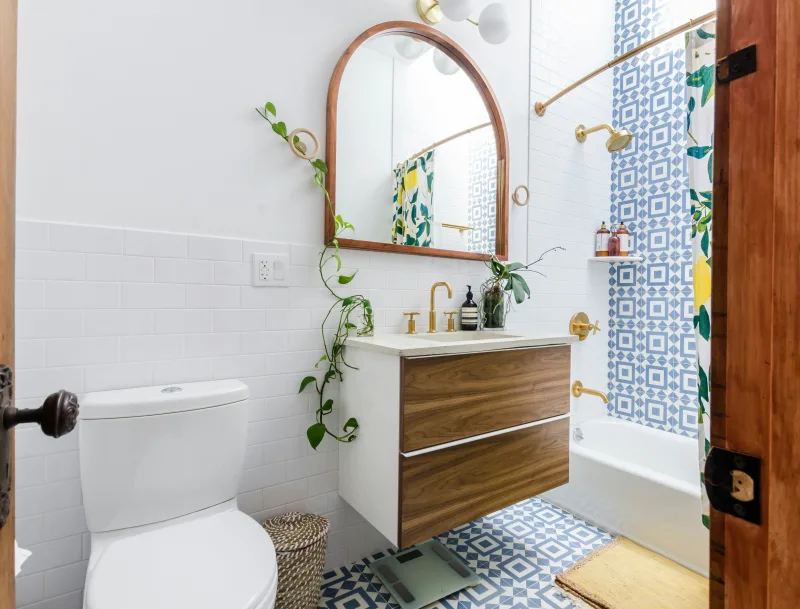
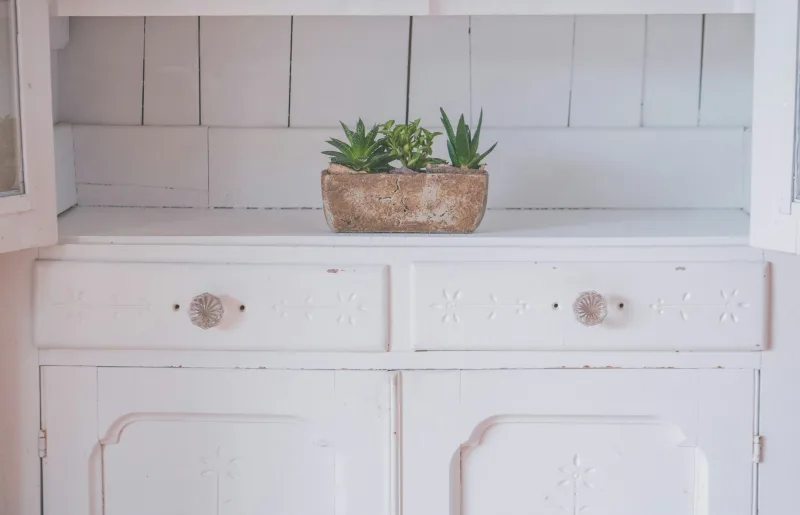
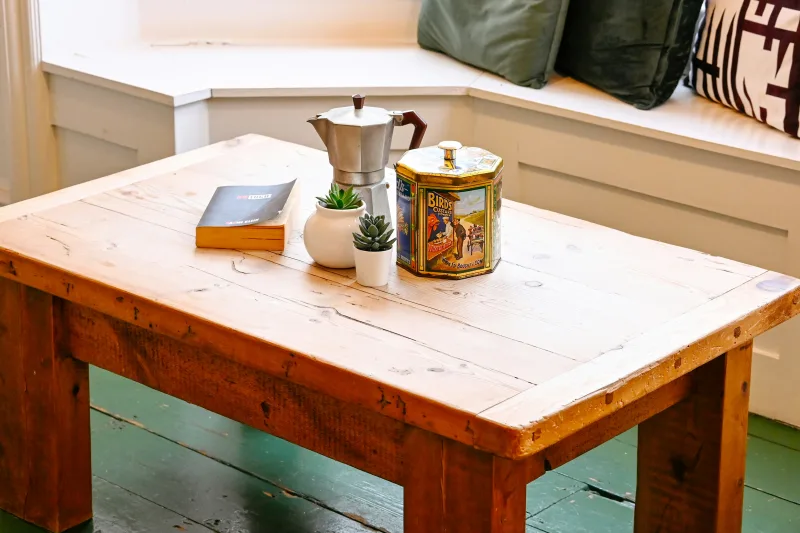
Living plants add warmth, improve air quality, and create a connection to nature that makes spaces feel more alive. You don't need a green thumb—tough plants like pothos, snake plants, and ZZ plants thrive in various light conditions. Group plants in odd numbers and different heights for visual interest. Add natural materials beyond plants: wooden shelves, woven baskets, cork boards, natural fiber placemats, and wooden utensils. These materials add organic warmth that synthetics can't replicate. A wooden bookcase filled with books creates instant coziness. Woven baskets for storage add texture and functionality. Even small touches like wooden cutting boards displayed in your kitchen or a woven throw blanket add natural warmth to your space.
Step 6: Display Personal Items and Create a Gallery Wall
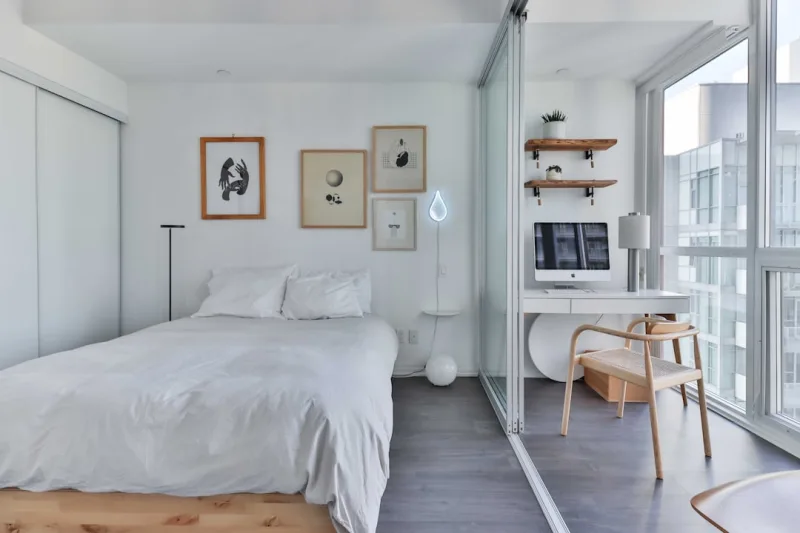
A sterile, decorator-perfect apartment feels cold. A space filled with your memories, interests, and personality feels warm and lived-in. Display framed photos of people you love, artwork that speaks to you, and meaningful objects. Create a gallery wall with a mix of frames, art styles, and sizes—this personal collection immediately warms a space. Incorporate items that tell your story: a framed print from a favorite artist, a photo of a meaningful moment, a vintage mirror, pressed flowers, or travel souvenirs. These don't need to match perfectly; the eclectic mix is actually what makes it feel authentic and warm. Affordable frames from IKEA or Amazon make this project budget-friendly. The goal is that when people enter your space, they see you in it.
Step 7: Add Sensory Elements—Scent, Sound, and Coziness
Complete the cozy experience by engaging multiple senses. Scent is powerful—consider candles, essential oil diffusers, or fresh flowers. Choose scents that bring you joy: vanilla, cinnamon, lavender, or cedar. Avoid overwhelming artificial scents; subtle is more inviting. Sound adds to ambiance too—soft music, a small water fountain, or ambient sounds create a soothing backdrop. Finally, ensure comfort through functional details: a throw blanket for the sofa that's actually soft and cozy, a side table for drinks and books, good storage so the space feels organized rather than cluttered. Provide seating options so guests (and you!) can get comfortable. These final touches transform a decorated space into a lived-in sanctuary where people naturally want to linger.