High-End Small Apartment Design for Beginners: How to Make Your Tiny Space Look Luxe
Look, I get it. You've scrolled through Instagram and fallen in love with those gorgeous, minimalist apartments that somehow feel both spacious and cozy. But you're staring at your own small apartment thinking, "How on earth am I supposed to pull that off?" Here's the thing — you absolutely can. And no, you don't need a six-figure budget or a degree in interior design.
Small apartment living doesn't mean settling for basic or cramped. In fact, constraints actually force you to be more intentional with your choices, which is exactly what creates that high-end, curated feel. I've watched so many people transform their tiny spaces into something that genuinely looks like it belongs in a design magazine — and honestly, it's not magic. It's strategy.
Whether you're in a studio or a one-bedroom that's basically a glorified closet, we're going to walk through exactly how to design a space that feels expensive, livable, and totally you. Let's dive in.
What You'll Need
Before we get into the actual design work, let's talk about the materials and items that'll set your foundation. The good news? You don't need to buy everything at once. Build your space intentionally over time.
- Paint (premium quality) — $40-80 per gallon. Grab something like Benjamin Moore or Sherwin-Williams from The The Home Depot. One gallon covers most small apartments.
- Floating shelves — $30-120 per shelf depending on material and size. Real wood looks more expensive than particleboard.
- Quality lighting fixtures — $80-300 per fixture. This makes a *massive* difference. Don't cheap out here.
- Area rug (statement piece) — $150-400. A good rug anchors everything and defines your space.
- Window treatments (sheer curtains + blackout panels) — $60-200. Layered looks more intentional than a single curtain.
- Throw pillows and blankets — $40-150 total. Mix textures — linen, velvet, cotton.
- Wall art or gallery — $100-300. Investment pieces or thoughtful prints.
- Furniture (one statement piece) — $400-1200. A beautiful sofa, bed frame, or desk makes everything else look better.
- Plants and planters — $50-150. Fresh greenery changes everything.
- Hardware and installation materials — $30-60. Brackets, anchors, painter's tape.
Step-by-Step Guide
Step 1: Define Your Color Palette (Or Your Space Defines You)
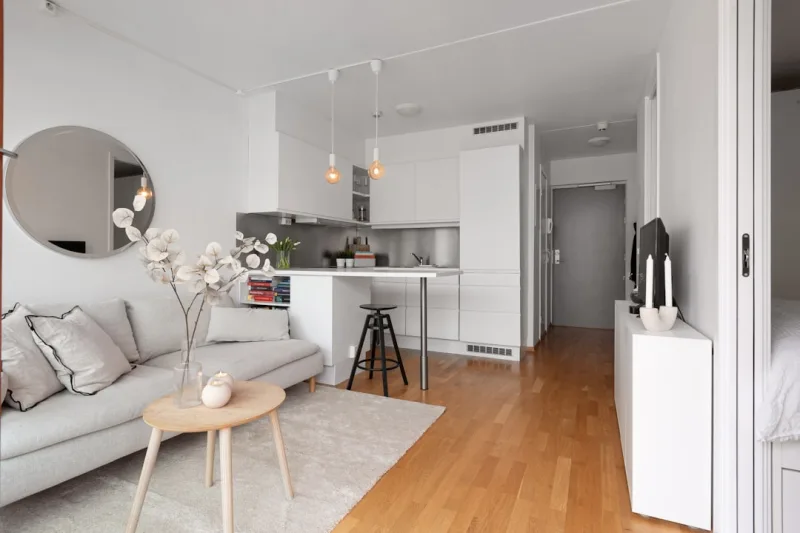
Seriously, this is where everything starts. And here's my honest take — neutral doesn't mean boring. I'm talking warm whites, soft grays, creamy beiges, and maybe one accent color that actually speaks to you. Check out inspiration on HGTV or Better Homes & Gardens & Gardens to see what resonates.
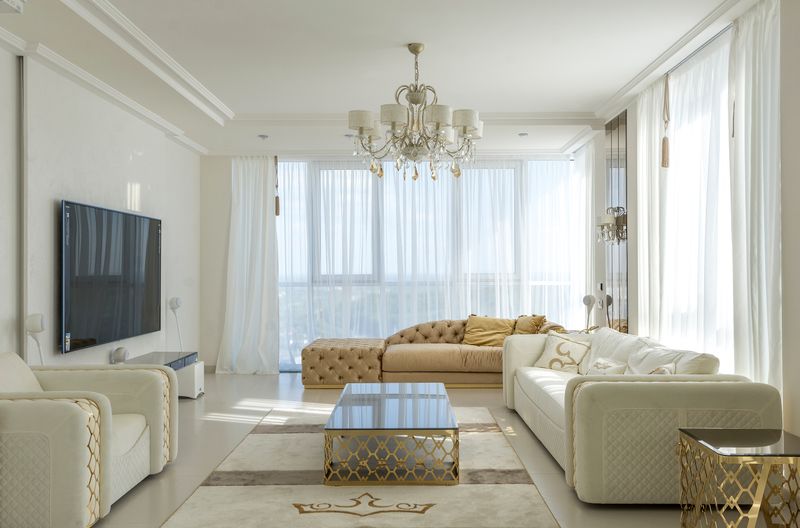
The reason I'm pushing neutrals for small spaces? They make rooms feel bigger. Paint your walls something like Benjamin Moore's "Swiss Coffee" or "Accessible Beige" — these look expensive and timeless. Save your bold color for one accent wall, fabric pieces, or art. Your future self will thank you.
Step 2: Maximize Vertical Space Like Your Life Depends On It
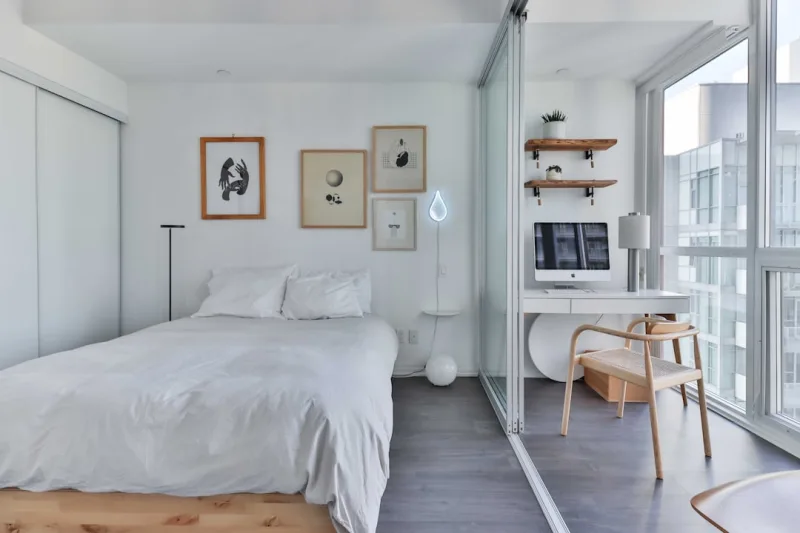
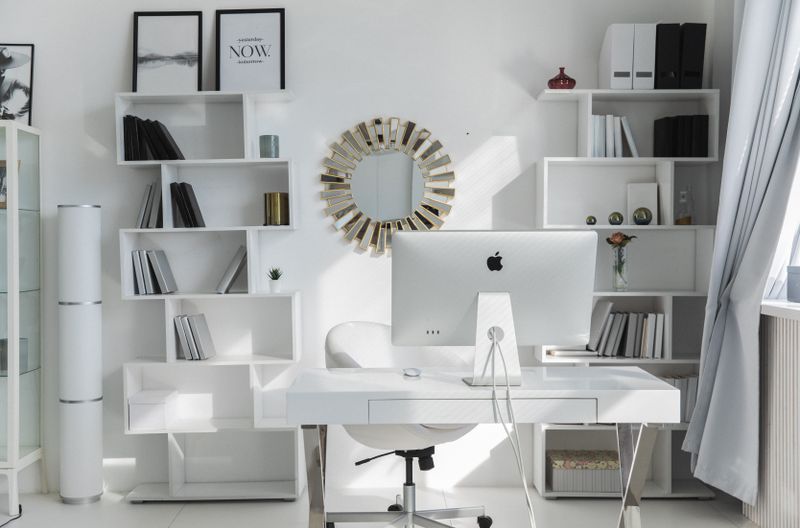
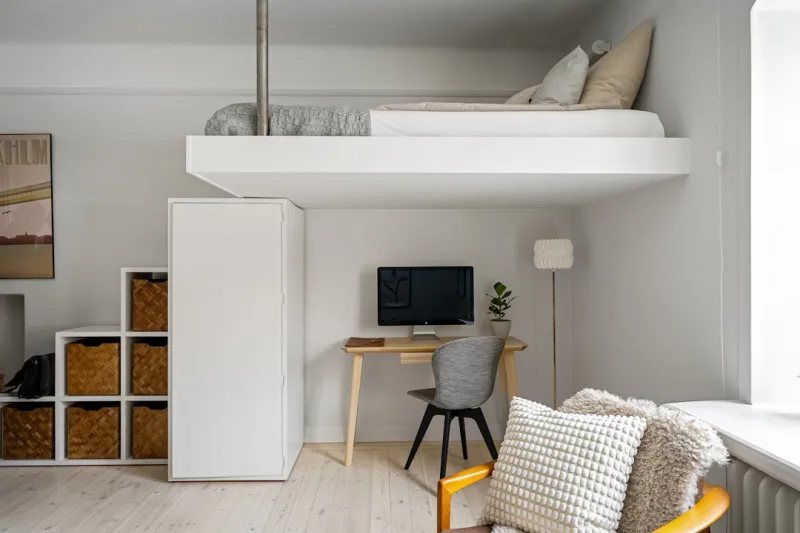
Small square footage means you're going up, not out. Install floating shelves above your sofa, bed, or desk. This does three things: it makes the room feel taller, gives you storage that doesn't eat floor space, and creates visual interest. Style them with a few curated items — a book, a plant, a small decorative object. Not cluttered. Intentional.
Hang your curtains high and let them go all the way to the floor. Sounds weird, but it tricks the eye into seeing higher ceilings. Trust me on this.
Step 3: Invest in One Statement Furniture Piece
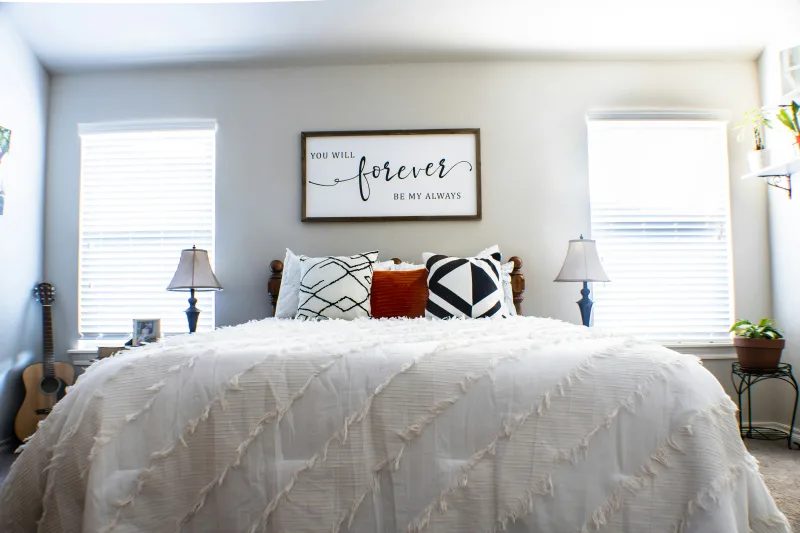
You can't do high-end on a tiny budget everywhere, so pick one. Maybe it's a beautiful bed frame with a gorgeous headboard. Maybe it's a sofa that actually feels luxurious. Maybe it's a desk that makes you excited to work. This one piece elevates everything around it. Everything else can be more modest — but that one piece? It matters.
Step 4: Layer Your Lighting
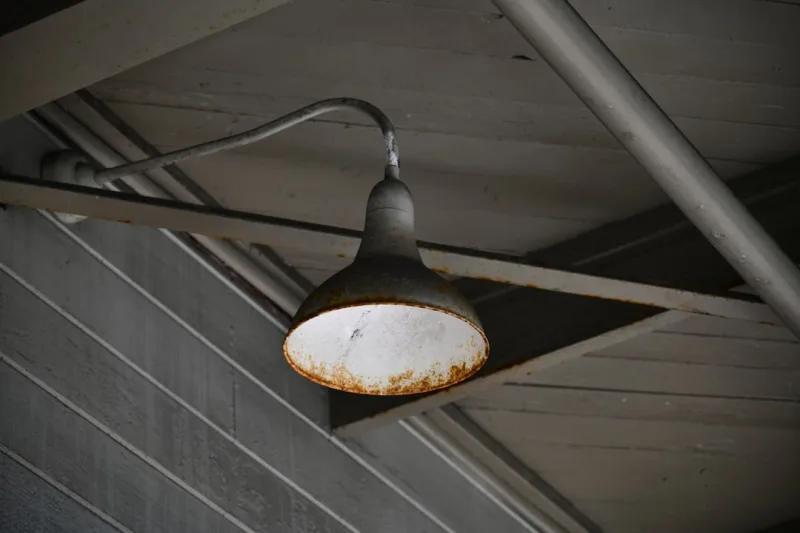
Here's where most people miss the mark. They slap one overhead light and call it a day. Nope. You want ambient (overall), task (reading, cooking), and accent (mood) lighting. A ceiling fixture, a table lamp, and maybe a wall sconce. This isn't complicated, but it transforms the entire feel of your space.
Step 5: Add Texture and Softness
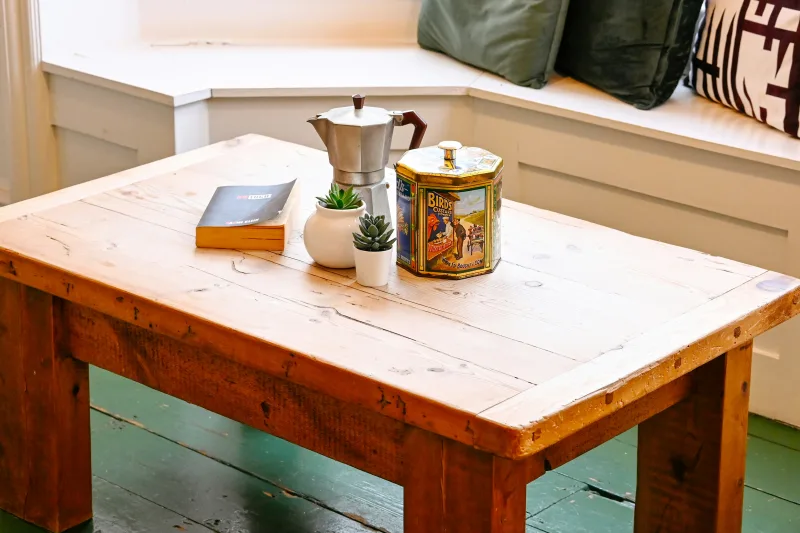
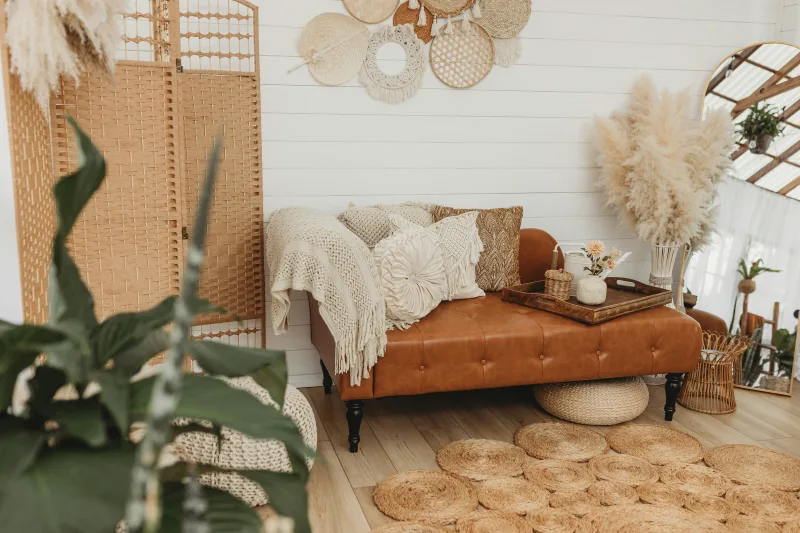
This is what separates "sterile apartment" from "luxury apartment." Mix your fabrics — linen, velvet, cotton, leather, wool. A plush throw blanket on the sofa. Pillows in different materials. A soft area rug. Your space should feel inviting, not like a showroom.
Step 6: Create a Gallery Wall or Statement Art
 Budget Apartment Renovation: DIY Hacks That Actually Work
One large piece or a thoughtful gallery of smaller pieces draws the eye and adds personality. This doesn't have to cost a fortune — but it should feel intentional. No random poster you grabbed at Target. Pick something you actually connect with.
Step 7: Style Your Shelves and Surfaces Strategically
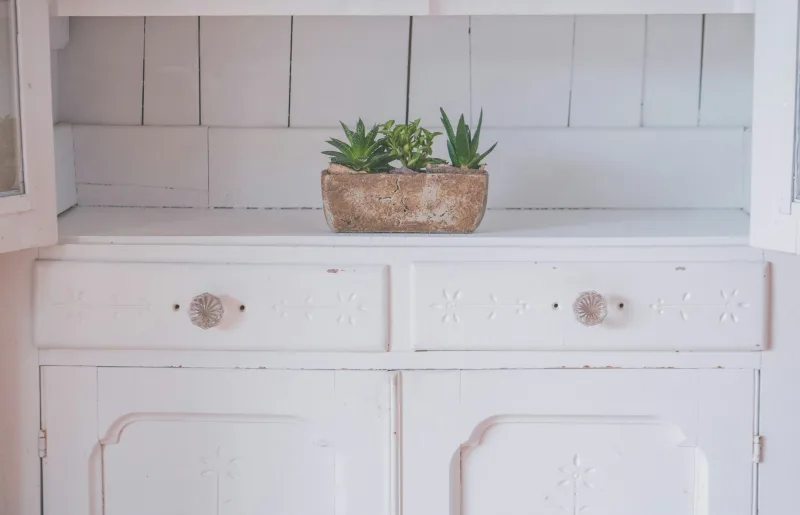
Everything visible should earn its place. A few books (spine out, if they're pretty), a plant, a small decorative piece. Empty space is actually powerful — it makes things feel curated and calm. Honestly, the "less is more" approach is what actually makes small spaces feel expensive.
Pro Tips
Mirrors are your secret weapon. Hang a large mirror opposite a light source. It bounces light around and makes your space feel twice as big. This is design 101, and it works every time.
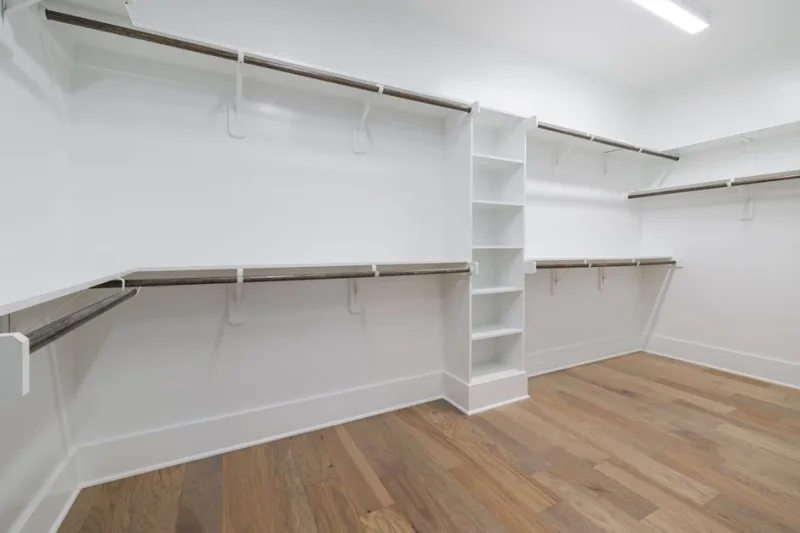
Invest in good hangers and storage that you actually enjoy looking at. If your coat closet has wire hangers and chaos, it affects your entire vibe. Upgrade to wooden hangers. Get a nice basket for blankets. Make hidden spaces pretty too.
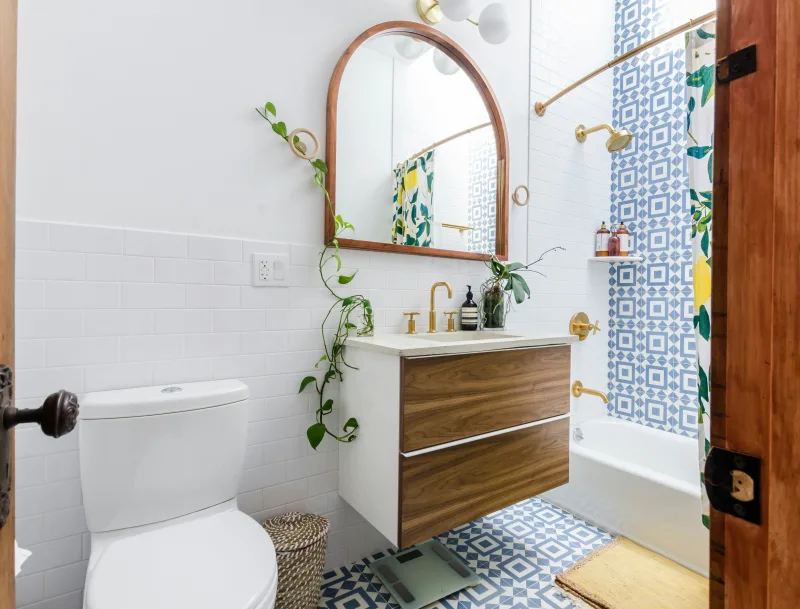
Buy plants but keep them thriving. A dead plant looks worse than no plant. If you don't have a green thumb, go with snake plants, pothos, or ZZ plants. They're practically impossible to kill.
Window treatments matter more than you think. Sheer curtains during the day, blackout panels at night. This layering is what makes spaces feel intentional and luxury-adjacent.
Keep your color palette to three main colors maximum. Add white or cream to everything. This creates cohesion and makes small spaces feel intentional rather than chaotic.
Cost Breakdown
← Scroll to see full table →
| Item | Price Range | Priority Level |
|---|---|---|
| Paint (quality) | $40-80 | High |
| Floating shelves (2-3) | $60-240 | Medium |
| Lighting fixtures | $80-300 | High |
| Area rug | $150-400 | High |
| Window treatments | $60-200 | Medium |
| Throw pillows & blankets | $40-150 | Medium |
| Wall art | $100-300 | Medium |
| Statement furniture piece | $400-1200 | High |
| Plants and planters | $50-150 | Low |
| Hardware & supplies | $30-60 | Medium |
| TOTAL ESTIMATED | $1,010-3,080 | — |
FAQ
Q: Can I do this on a really tight budget?
A: Absolutely. Start with paint ($40-80), hit The Home Depot for basic shelves and hardware ($100-150), and shop secondhand for furniture and decor. Thrift stores, Facebook Marketplace, and estate sales have amazing finds. The key is being intentional — every piece should have a purpose. You'd be surprised how high-end a space can look when there's zero clutter and everything matches your color scheme.
Q: What if I can't paint because I'm renting?
A: Totally fair. Use peel-and-stick wallpaper, large mirrors, and strategic furniture placement instead. Layered curtains and good lighting do most of the heavy lifting anyway. Rugs also define space beautifully. Focus on what you *can* change — which is actually more than you think.
Q: How do I avoid making a small space feel cluttered?
A: Keep your surfaces mostly clear. Store things you don't use daily. Use baskets and closed storage for visual calm. Stick to your color palette. And remember — white space (literally empty space) is a design element, not wasted real estate. It actually makes expensive, curated spaces